
How to Decorate a Butter Yellow Bedroom Without It Looking Flat
Butter yellow is one of the prettiest bedroom colors right now — soft, sunny, and warm without shouting. The catch: when every surface is the same smooth, pale yellow, the room can look washed out and one-dimensional instead of cozy.
The fix is not more yellow. It is contrast. Add a few dark grounding pieces, mix up your textures, and warm up the lighting, and butter yellow stops looking flat and starts glowing.

1. Ground the Room With Dark Wood or Charcoal

Soft yellow needs something with weight to lean against. A walnut or dark-stained bed frame, charcoal bedding folded at the foot of the bed, or even a deep brown area rug gives the pale walls something to contrast with — and that contrast is what makes the yellow read as intentional instead of washed out. If you love strong dark-light contrast, a black and white bedroom takes the same idea to its boldest form.
You do not need much. One or two deeper pieces are enough to anchor the whole room, and they also keep the yellow from reading too sweet or juvenile.
Try this: If new furniture is not in the budget, swap in dark picture frames, a black table lamp, or charcoal throw pillows. Small dark accents do the same grounding work.
2. Layer at Least Three Different Textures

Paint has no texture, so a butter yellow wall on its own can look like one big block of color. The antidote is tactile variety: linen bedding, a chunky knit throw, a woven or jute rug, a rattan tray, a nubby upholstered headboard. Different materials catch the light differently, which gives the yellow dimension even where the color itself does not change.
Try this: Count your materials. If you can name three distinct textures (say, linen, wool, and rattan), you are in good shape. A woven jute rug is the fastest texture win — and it is a farmhouse staple, as these modern farmhouse bedroom ideas show. If everything is smooth cotton, add one woven piece first — it makes the biggest difference.
3. Pair It With Sage or Olive Green

Earthy greens are butter yellow’s best friend. Sage and olive sit naturally next to yellow without clashing, and their cooler, organic tone keeps the yellow from feeling sugary. The pairing reads grown-up and calm — think garden, not nursery.
Bring the green in through accent pillows, a throw, curtains, or actual plants, which add both color and life. Deep forest green works too if you want more drama; pale sage keeps things serene.
Try this: One large green plant in the corner plus two sage pillows on the bed is often all it takes to balance a yellow room.
4. Add Warm Brass or Metallic Reflections

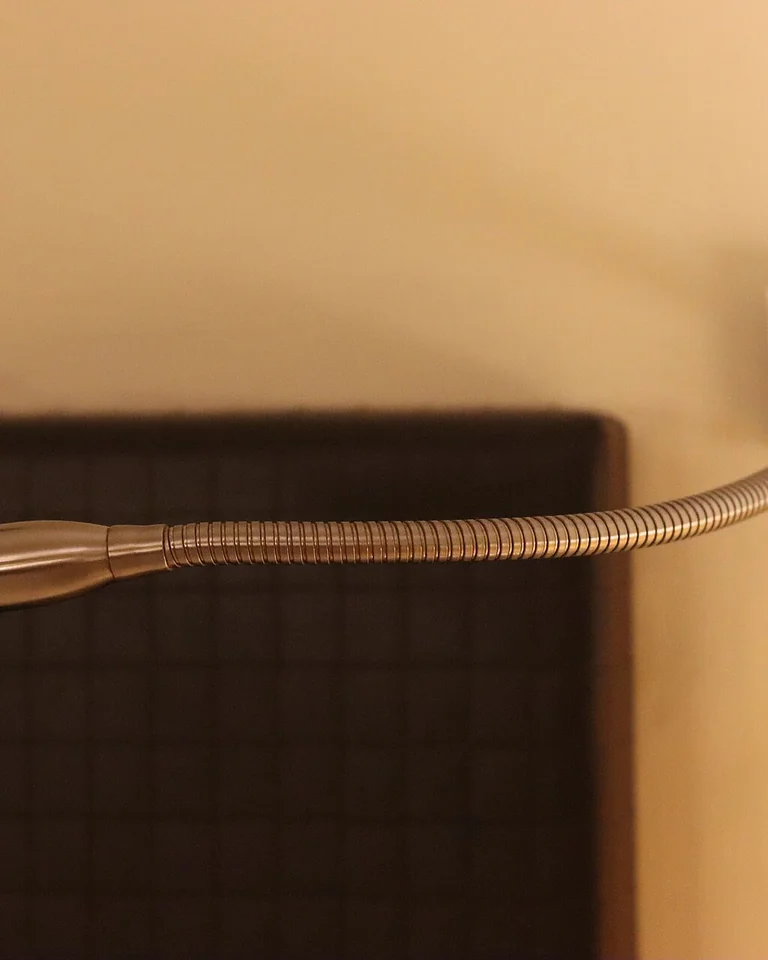
Butter yellow loves warm metals. Brass, bronze, and aged gold pick up the golden undertones in the paint and bounce light around the room, which keeps flat walls from looking dull. A brass bedside lamp, mirror frame, or set of drawer pulls adds a reflective layer that paint alone cannot provide.
Keep the finish warm rather than chrome or polished nickel — cool metals fight the yellow’s warmth instead of supporting it.
Try this: A round brass mirror above the dresser does double duty: reflection plus a shape that breaks up all the rectangles in a bedroom. The same mirror-first thinking is what makes a great bedroom vanity — start with the mirror and lighting, and the rest follows.
5. Skip the Single Overhead Light

One bright ceiling light flattens everything it touches, yellow walls included. Layer two or three smaller light sources instead — a bedside lamp, a floor lamp in the corner, a wall sconce — so the room gets pools of light and soft shadows. Those shadows are what give a pale room its depth after dark.
Bulb choice matters as much as the fixtures. Butter yellow looks best under warm white bulbs around 2700K — the same warm, low glow that makes curated Halloween decorating ideas feel moody and expensive. Cool daylight bulbs (4000K and up) cast a blue tone that can turn warm yellow walls a sickly green.
Try this: Swap your bedroom bulbs to 2700K warm white first. It is the cheapest upgrade on this list and it changes the room instantly.
6. Break Up the Yellow With Pattern

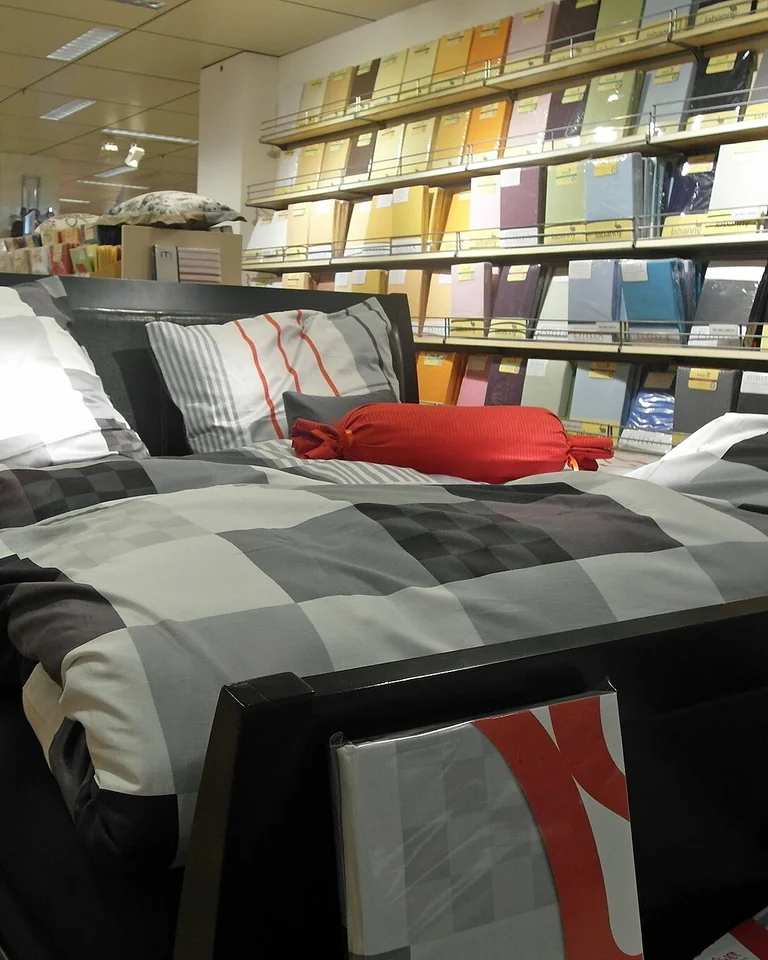
A solid field of yellow — solid walls, solid bedding, solid curtains — is what reads as flat. Introduce pattern to interrupt it: ticking stripes on the duvet, a small floral on the pillows, a geometric rug. The pattern does not need to be loud; even a subtle stripe gives the eye somewhere to land.
Mixing a yellow-based pattern with a neutral one (cream stripes, a natural linen weave) keeps the room cohesive while adding the visual movement the space is missing.
Try this: Start with patterned pillow shams or a striped throw. They are easy to swap if you change your mind, unlike wallpaper.
7. Paint Smarter: Accent Wall or Full Drench

If you are painting, decide how far to commit. A single butter yellow accent wall behind the bed gives you the warmth as a backdrop while the other walls stay warm white — an easy, low-risk way in. Going further, painting walls, trim, and even the ceiling the same soft yellow (color drenching) can actually make the yellow feel calmer, because the room reads as one cocooning tone instead of a yellow box with white edges.
Use an eggshell finish on walls for a soft glow; save higher gloss for trim or a door if you want a little light play. And always test a large swatch at different times of day — yellow shifts a lot between morning and lamplight.
Try this: In a small or dark bedroom, the full drench often works better than one yellow wall, which can look like an unfinished thought. For more ways to stretch a tight room, see these small bedroom ideas that make every square foot work.
8. Dress the Wall Above the Bed

Big empty walls are where flatness shows most. Give the wall above the bed a job: a pair of framed prints, a small gallery arrangement, or simple picture-frame molding painted the same yellow as the wall. Artwork with deeper tones — forest green, terracotta, walnut frames — adds the contrast the wall needs.
Wall molding deserves a special mention: painted tone-on-tone with the wall, it adds architectural shadow lines that break up a flat expanse without introducing a new color at all.
Try this: Hang art so its center sits at eye level when you are standing — about 57 inches from the floor. Too-high art makes walls feel emptier, not fuller.
9. Anchor the Floor With a Patterned Rug

A bare floor lets all the visual weight float upward toward the yellow walls. A rug with some pattern — vintage-inspired, striped, or a soft geometric — grounds the bed and gives the room a base layer of color and texture. It also adds the coziness that hard floors steal from a pale room.
Choose a rug large enough that at least the front legs of the bed and nightstands sit on it; a too-small rug chops the room up and makes everything feel smaller.
Try this: A low-pile wool rug in cream with a faded pattern is nearly foolproof with butter yellow — warm, textured, and quiet enough not to compete.
Frequently Asked Questions
What colors go well with butter yellow?
Butter yellow is easy to pair. Earthy greens like sage and olive keep it grounded and calm; deep tones like charcoal, navy, and walnut brown add contrast and maturity; warm whites and creams keep it soft and airy. For a full room built on those warm neutrals, see these warm beige color pairings. Powder blue or blush pink lean romantic, while terracotta adds warmth.
Is butter yellow a good color for a bedroom?
Yes. Unlike bright lemon or mustard, butter yellow is muted enough to feel restful rather than stimulating. It reflects light beautifully, which helps small or north-facing bedrooms feel warmer, and its softness keeps the mood calm at night under warm lighting.
How can I use butter yellow without painting my walls?
Bring it in through textiles and objects: a butter yellow duvet cover or throw pillows, a rug with yellow tones, a painted nightstand, a lampshade, or framed art with yellow in it. These smaller doses add the warmth with zero commitment, and they are easy to swap seasonally.
What kind of lighting works best with butter yellow?
Warm lighting. Use bulbs around 2700K (warm white) and layer a few light sources — bedside lamps, a floor lamp, a sconce — instead of relying on one overhead fixture. Avoid cool daylight bulbs, whose blue cast can make yellow walls look greenish and harsh.
Image credits: photographs via Wikimedia Commons — “Yellow Bedroom 1” by Amaury Laporte (CC BY 2.0); “Bedroom, Interior of apartment in Brisbane, 2025, 02.jpg” by Chris Olszewski (CC BY-SA 4.0); “Bedside Lamp at Hyatt Hyderabad Gachibowli.jpg” by Wasiul Bahar (CC BY-SA 4.0); “Bedroom of Manuel II 02.jpg” by Kritzolina (CC BY-SA 4.0); “This inviting bedroom features a comfortable bed with fluffy pillows and a cozy throw blanket.jpg” by Shixart1985 (CC BY 2.0); “1311081 I ANTONY HOUSE, Green Bedroom Antony 20250904 0008.jpg” by Tilman2007 (CC BY-SA 4.0); “Brass lamp.jpg” by