
Warm Beige Bedroom Ideas: 15 Color Pairings That Always Work
Beige gets called boring, but a boring beige bedroom is almost always an undertone problem, not a beige problem. When the beige leans warm, with yellow or peachy undertones, and everything in the room respects that warmth, the result feels calm, expensive, and restful. Below are 15 warm beige bedroom pairings that get the color right, from wall colors to the exact accents that keep beige interesting.

Pair Warm Beige Walls with Crisp Ivory Trim
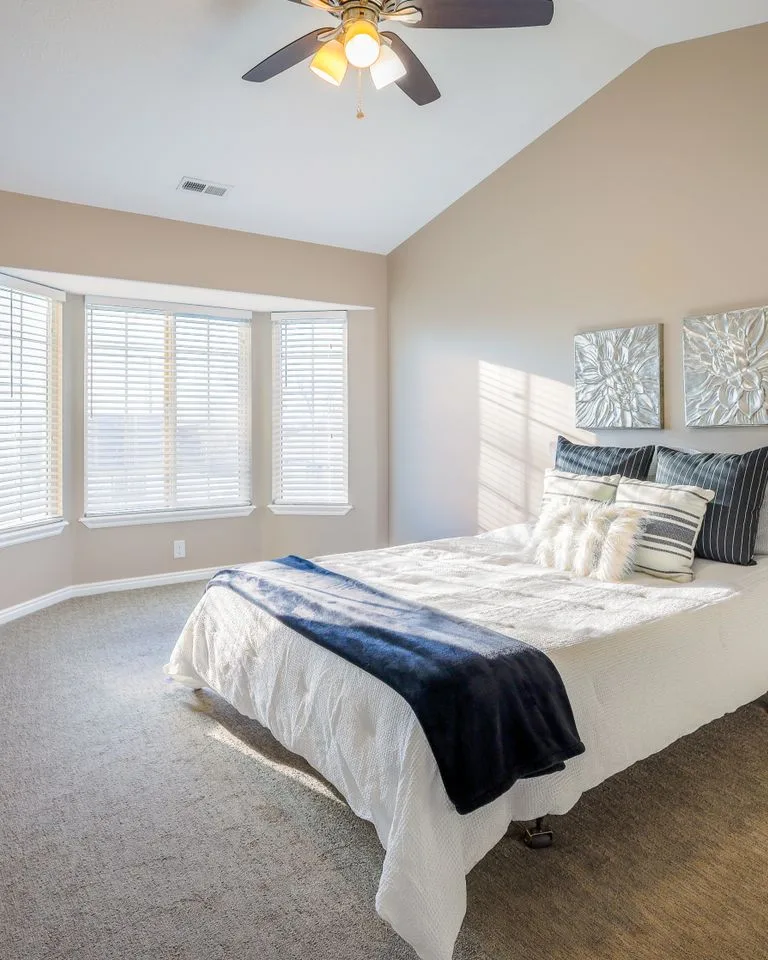
This is the foundation pairing for a reason. Warm beige walls with clean ivory trim give you contrast at the edges of the room, which keeps the beige from melting into a flat wash. The white trim acts like a frame, making the wall color look intentional rather than default.
Choose a beige with visible yellow undertones, like Benjamin Moore Muslin or Sherwin-Williams Accessible Beige, and keep the trim a true warm white rather than a blue-white. Tip: paint a foam board sample and move it around the room at different times of day before committing.
Choose a Beige Upholstered Headboard

A beige upholstered headboard does double duty: it introduces the color at the focal point of the room and adds softness that painted walls cannot. Against white bedding, it creates the layered neutral look that makes beige bedrooms feel designed.
Linen-look performance fabrics resist fading and clean easily, which matters for something your head touches nightly. Tip: pick a headboard one shade deeper than your walls so it reads as a deliberate layer, not a mismatch.
Go Mushroom Beige for a Softer Neutral
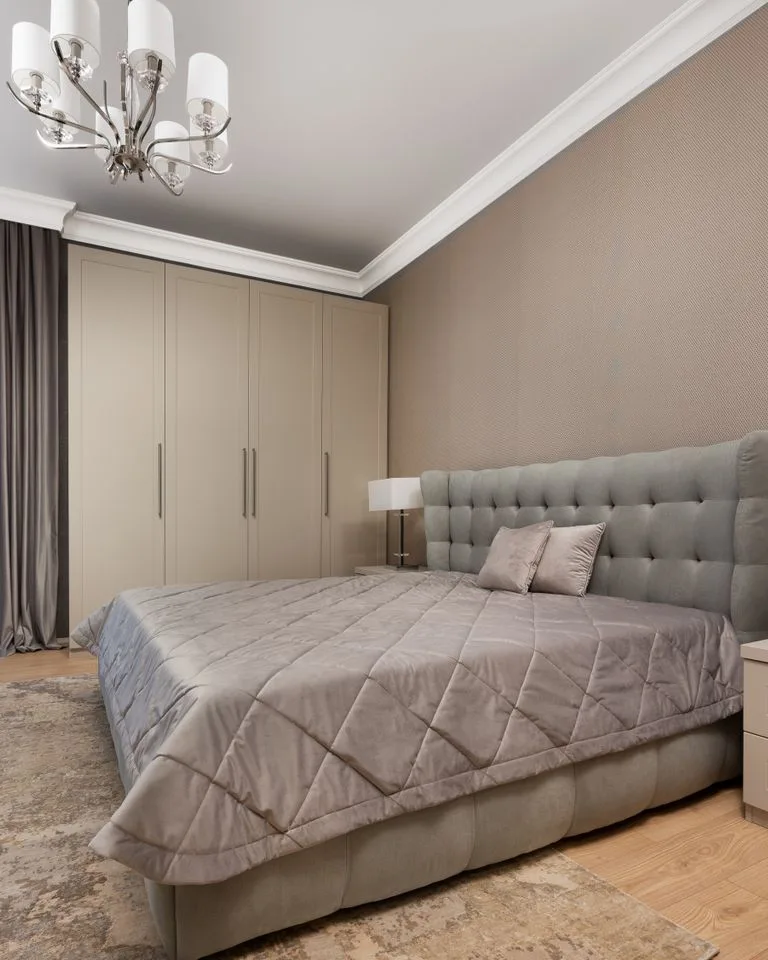
Mushroom beige sits between beige and taupe, with a whisper of gray that keeps it from going yellow in bright rooms. It is the right choice when you love beige but your room gets strong southern light that pushes warm colors too far.
Pair it with warm white bedding and natural wood to stop the gray undertone from turning the room cool. Mushroom beige also hides wall imperfections better than pale beiges. Tip: it works beautifully in north-facing rooms that need warmth without heaviness.
Ground the Room with Walnut Furniture
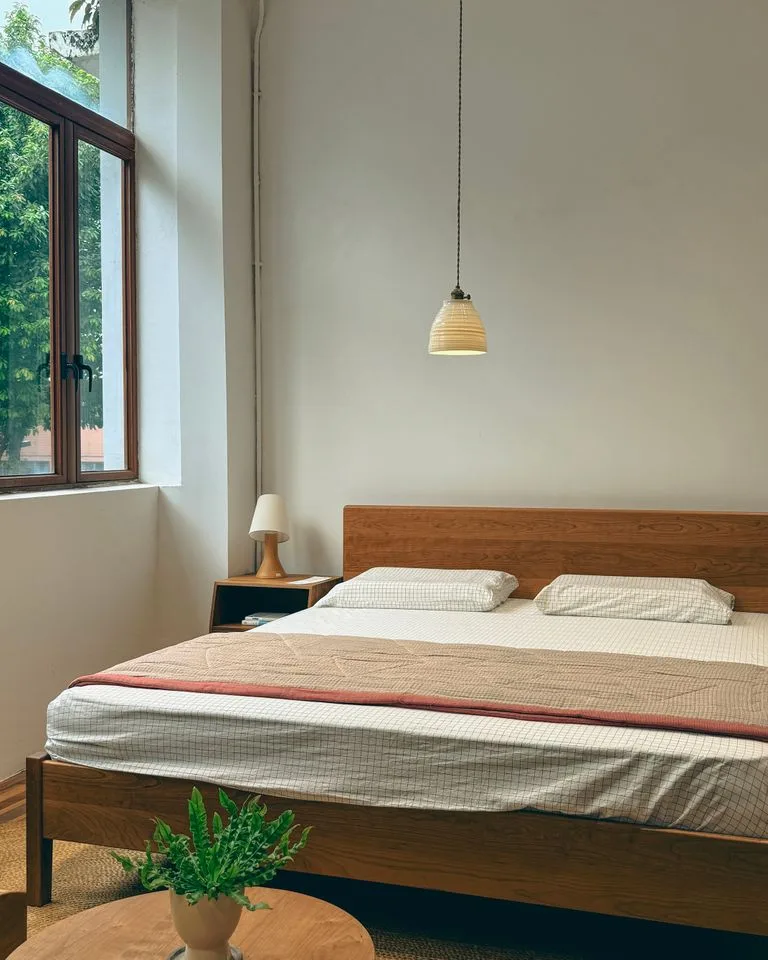
Beige needs something darker to lean against, and walnut is the classic answer. The deep brown grain gives the eye a place to rest and makes every beige tone in the room look richer by comparison.
You do not need a full walnut suite. One substantial piece, a bed frame or a dresser, is enough to anchor the palette. Tip: repeat the wood tone once more in a small piece, like a tray or a mirror frame, so it feels connected.
Add Terracotta Throw Pillows

Terracotta is warm beige’s best friend. The burnt-orange tone shares beige’s warm undertones but adds the saturation the palette needs to avoid looking washed out. Two or three terracotta pillows on a beige bed change the whole energy of the room.
Keep the rest of the bedding neutral so the terracotta stays the star. Linen or nubby cotton textures in terracotta look more expensive than smooth synthetics. Tip: rust and clay tones work the same way if terracotta feels too bold.
Let Honey Oak Floors Warm It Up

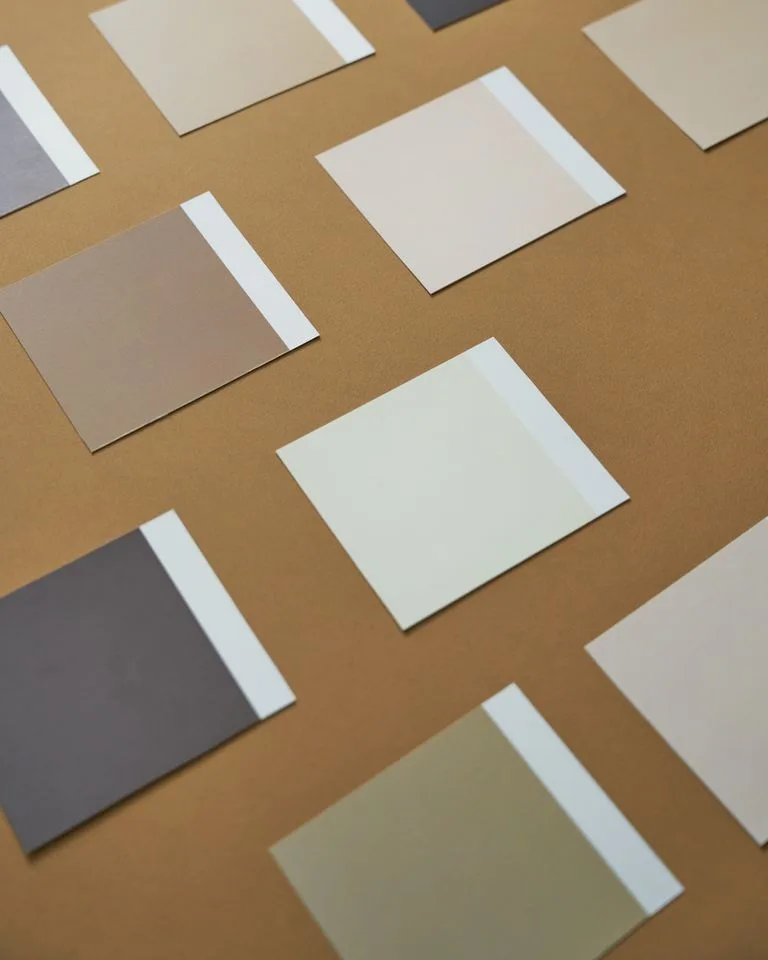
If your floors are honey oak, you already own the warmest element in the room. Let them show. Beige walls and light oak floors share golden undertones, so the two blend into one continuous warm envelope instead of fighting each other.
Use a rug with a light pattern to break up large expanses of wood, but choose one with beige and cream tones so it bridges the floor and the walls. Tip: avoid gray rugs on honey oak; the cool tone clashes with the floor’s warmth.
Mix In Muted Sage Green

Sage green and warm beige is one of the most restful combinations in interior design. Green sits opposite red on the color wheel, so it quietly balances beige’s warmth without creating contrast that feels loud.
Introduce sage through bedding, an accent wall, or even a rattan headboard painted soft green. Keep it muted; bright greens overwhelm beige. Tip: live plants count as sage accents and add life the palette needs.
Light It with Aged Brass
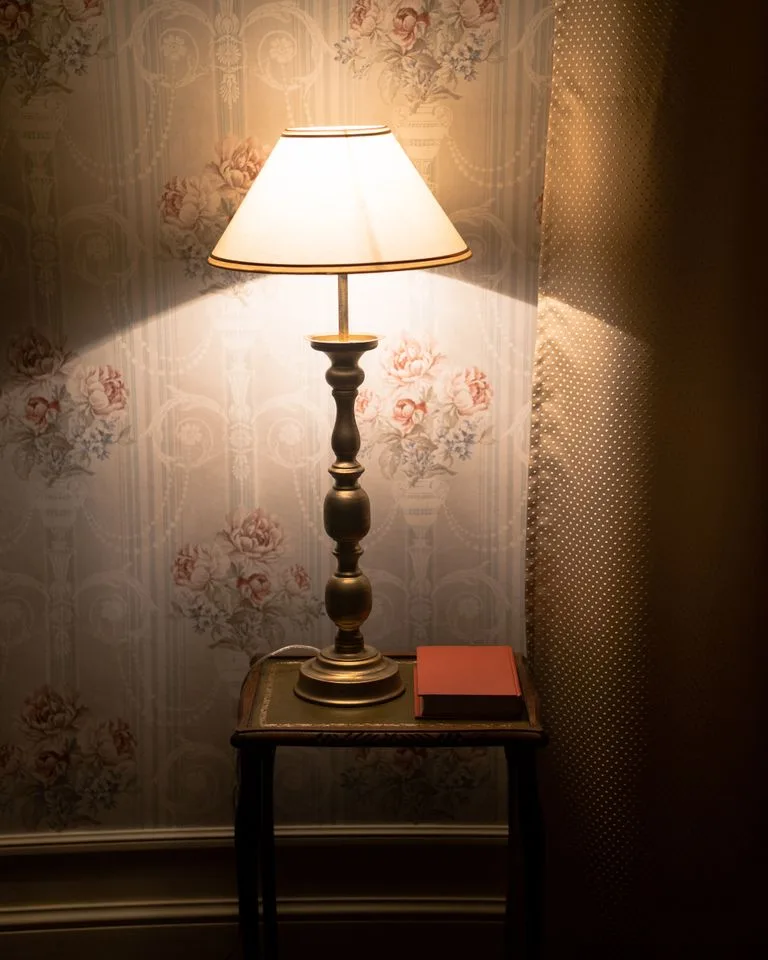
Brass lighting is the jewelry of a beige bedroom. The warm metal picks up the yellow undertones in the walls and adds a reflective surface that keeps all those matte textiles from going flat.
Aged or brushed brass looks better than polished in a beige room; it has the patina that matches the palette’s relaxed feel. Table lamps, sconces, or even a small brass tray all work. Tip: use warm 2700K bulbs in brass fixtures to double down on the glow.
Add a Cream Bouclé Chair

Every beige bedroom needs one piece with serious texture, and a cream bouclé chair is the answer. The nubby fabric catches light and shadow, which gives a monochrome corner the depth it would otherwise lack.
Tuck it into a bedroom corner with a small side table and a reading lamp to create a spot that is actually used, not just styled. A corner like this also works beautifully as a bedroom vanity corner — all it needs is a mirror and good light. Tip: bouclé shows wear gracefully, but choose a performance blend if the chair gets daily use.
Contrast with Dark Wood
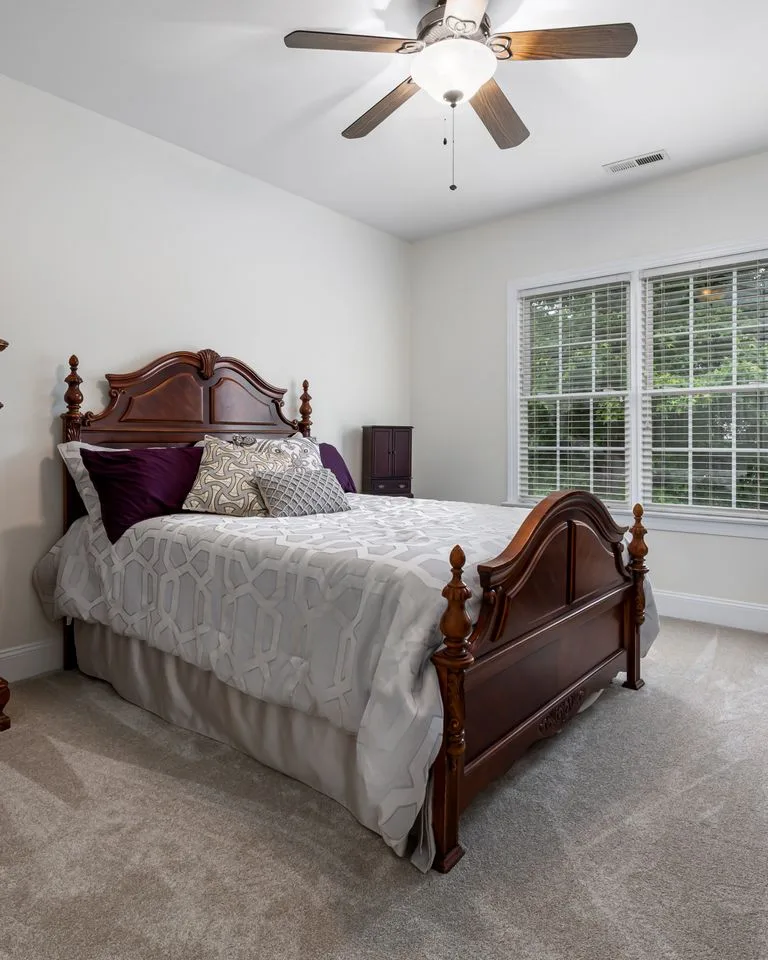
When beige starts to feel too safe, dark wood furniture snaps it back into focus. A dark-stained bed frame or dresser creates the light-dark tension that makes beige look intentional and sophisticated rather than default.
One or two dark pieces are enough. Too much dark wood in a beige room can feel heavy, so balance it with light bedding and sheers. Tip: espresso and dark walnut stains work better than black-painted wood, which can look harsh against soft beige.
Bring In Caramel Leather
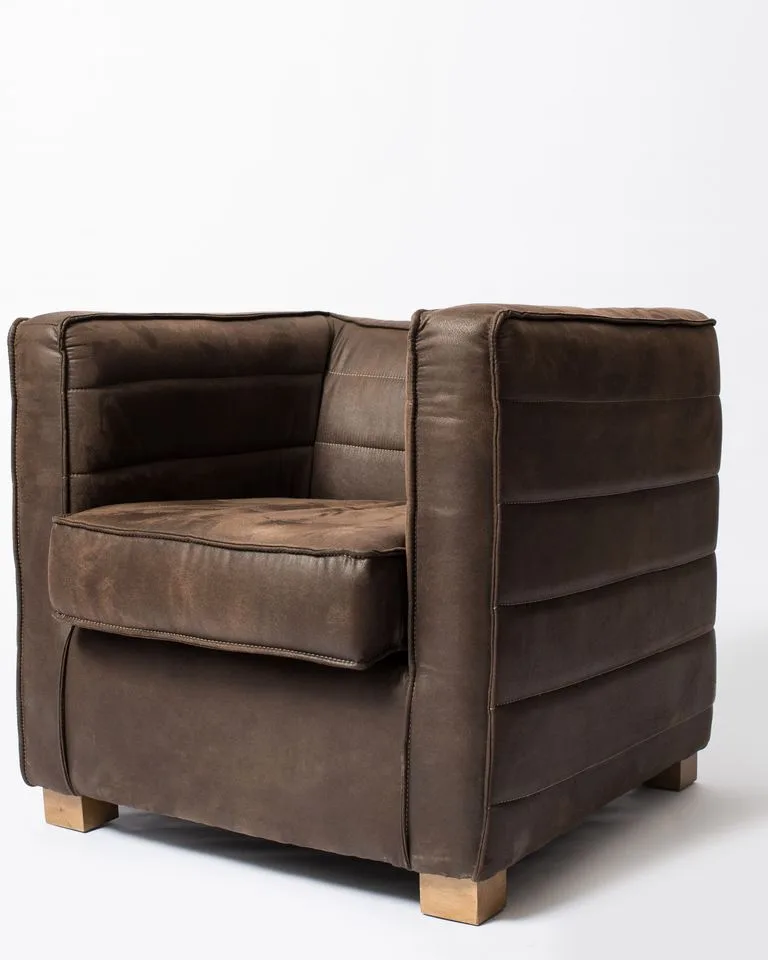
Caramel leather adds the richness that beige alone cannot provide. The warm brown tone deepens the palette and introduces a smooth texture that contrasts beautifully with linen and wool.
A single leather armchair or even a leather bench at the foot of the bed is enough. Leather ages well, developing a patina that only improves the warm palette. Tip: keep leather out of direct sun to prevent uneven fading.
Soften with Dusty Rose Textiles

Dusty rose is beige’s gentle side. The pink undertone harmonizes with warm beige while adding a softness that keeps the room from feeling stark. It works especially well in bedrooms because the combination reads calm and romantic without being sweet.
Use it in textiles rather than paint: a throw, Euro shams, or curtains. That way it stays an accent you can swap seasonally. Tip: keep the rose dusty and muted; bright pinks clash with beige’s subtlety.
Layer Beige on Beige, Monochrome

A monochrome beige room works when you layer at least three distinct tones: light on the walls, medium on the bedding, darker on the rug or upholstery. The variation creates depth without introducing any competing color.
Texture does the heavy lifting here. Mix linen, wool, boucle, and wood grain so the eye has something to explore even though the palette stays quiet. Tip: the most common mistake is matching everything too closely, which creates a flat washout. Aim for visible steps between tones.
Deepen with Olive Accents

Deep olive is the moody counterpart to beige’s calm. A throw blanket or pair of cushions in olive green adds the depth that keeps a light beige room from floating away, and the earthy tone feels natural alongside wood and linen.
Olive works best as an accent, not a dominant color. Let beige own the walls and bedding, and let olive appear in two or three smaller moments. Tip: olive and brass together are a particularly rich combination in a beige room.
Try a Mocha Accent Wall
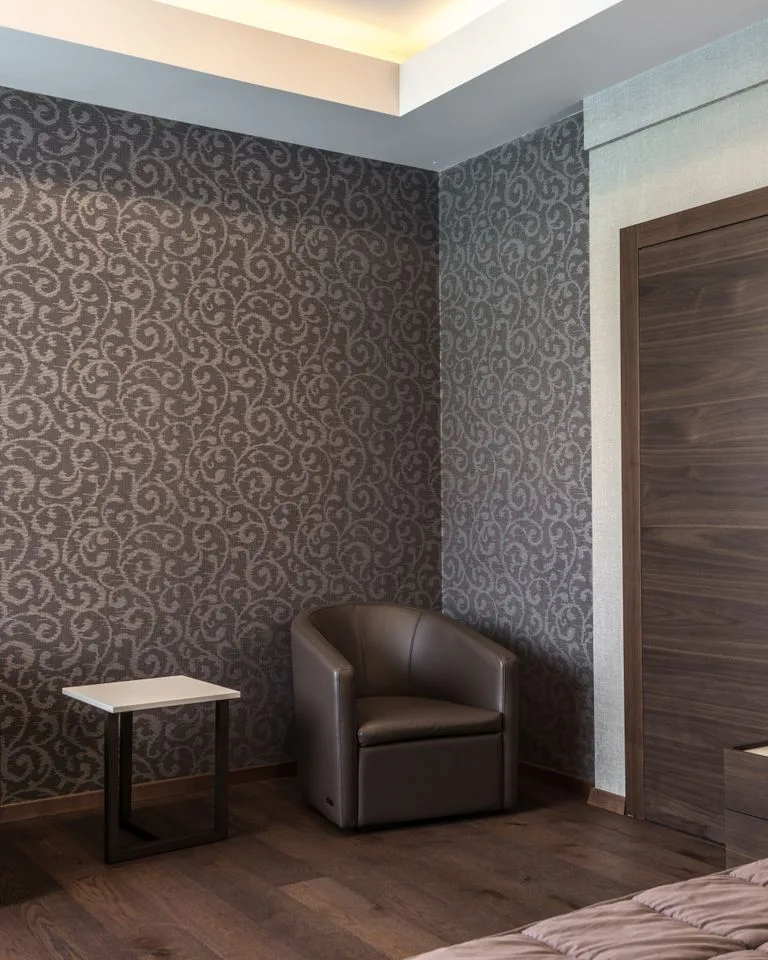
For the boldest version of this palette, paint the wall behind your bed a deep mocha beige. It is still in the beige family, so nothing clashes, but the depth creates a cocooning effect that makes the bed the undeniable focal point.
Balance the dark wall with light bedding and warm lighting, or the room can feel cave-like after dark — getting that balance right is also the whole game in black and white bedroom ideas, where one dark wall has to play nicely with light ones. A mocha wall also makes brass fixtures and walnut furniture look their absolute best. Tip: test the color at night; dark browns can go muddy under cool bulbs, so pair with 2700K lighting.
Frequently Asked Questions
What colors pair well with a beige bedroom?
Soft whites, muted pastels, warm browns, and natural wood tones are the safest partners for beige. For more contrast, deep olive green, navy blue, terracotta, and dusty rose all work, as long as you match the undertones.
How do I keep a beige bedroom from looking boring?
Layer different textures, such as rugs, throws, cushions, and curtains, and add at least one accent color or a darker tone for contrast. Natural materials like wood, rattan, and brass keep beige visually interesting. For a full-room refresh built on those same warm materials, these modern farmhouse bedroom makeover ideas can each be finished in a weekend.
Is beige a good color for a small bedroom?
Yes. Beige reflects light and creates a warm, open feeling that makes small bedrooms appear larger and more inviting. Stick to lighter beiges on the walls and save deeper tones for accents — and pair the color with space-maximizing small bedroom ideas.
How do I choose between warm and cool beige?
Test paint swatches against your natural light at different times of day. Warm beiges have yellow or peach undertones and suit rooms with northern exposure, while cool beiges contain gray or green notes that work better in bright south-facing spaces.
What colors go best with warm beige undertones?
Warm beiges pair best with terracotta, rust, and gold accents, which share their warm undertones. Olive green and caramel brown also harmonize well, while cool grays and icy blues tend to clash. Another warm, sunny neutral worth exploring is butter yellow — here is how to decorate a butter yellow bedroom without it looking flat.
Warm beige rewards attention to undertones more than any other neutral. Get the warmth right, layer your tones, and add one or two accents that share its golden base — then finish the job with coordinated under-bed storage that looks expensive instead of improvised. Beige stops being the safe choice and starts being the smart one.