
12 Low Ceiling Bedroom Storage Ideas That Don’t Eat Floor Space
The best low ceiling bedroom storage ideas all follow one rule: keep storage low, tucked under things, or mounted on walls — never competing with the ceiling. When your ceiling sits at 7 or 8 feet, a tall bookcase or towering armoire makes the room feel like it’s closing in on you. But storage that hides under the bed, hugs the walls, or hangs behind doors adds real capacity without eating a single square foot of floor space.
The three moves that carry most of the weight: go under the bed (the biggest unused volume in most bedrooms), go on the walls at low height (floating cubbies instead of a nightstand), and go behind doors (the closet door back is free real estate). If you’re pairing storage with a broader makeover, these picks also keep clutter down — which is the fastest way to make a small bedroom feel bigger.
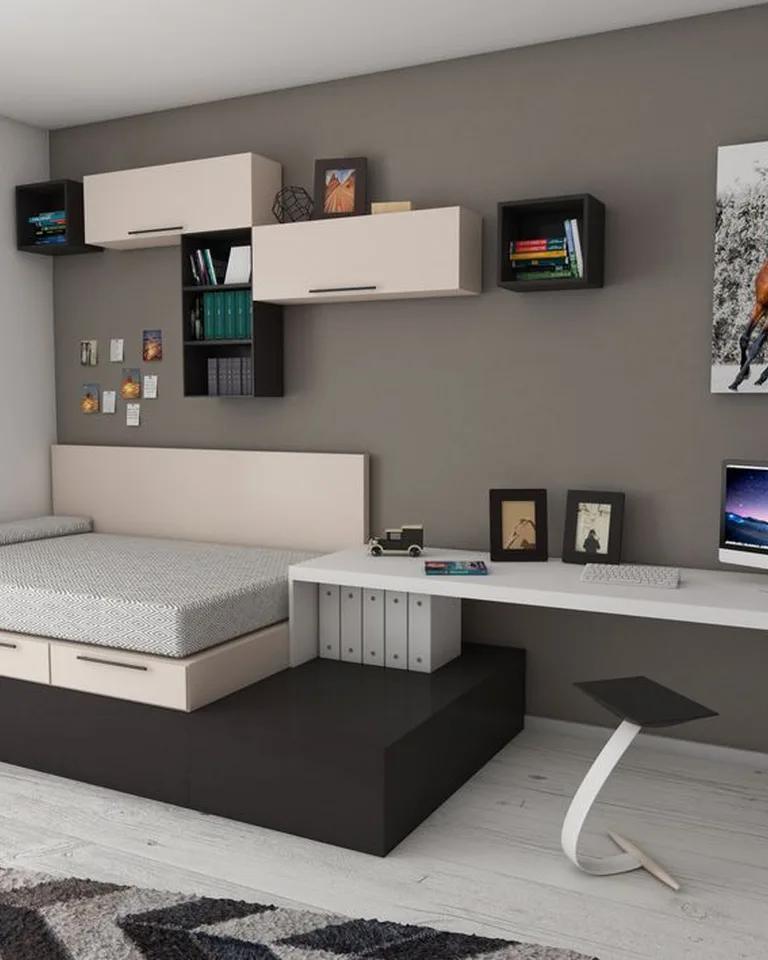
1. Flat Rolling Storage Bins Under the Bed
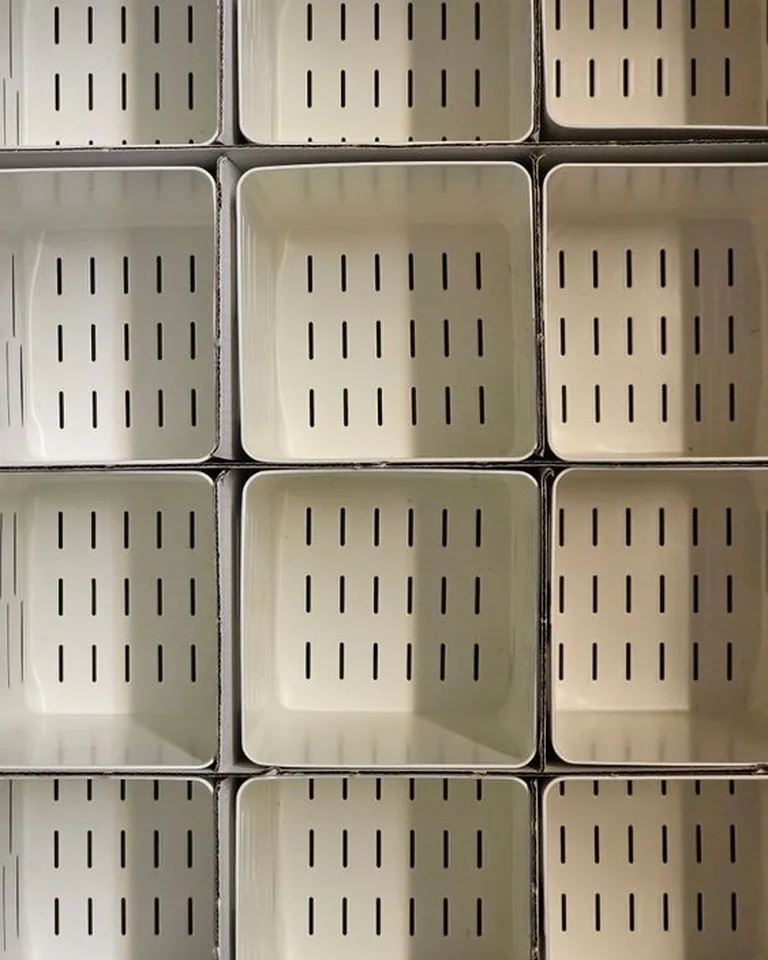
The space under your bed is the single largest volume in a low-ceiling bedroom that adds storage without touching the floor — because it’s already claimed by the bed. Flat rolling bins designed for under-bed use (look for heights of 6 to 8 inches) slide in and out easily and hold seasonal clothes, shoes, or extra linens. The trick that makes this work in a genuinely low room: measure your bed’s clearance before buying. Platform beds on legs often give you 7+ inches; solid-base beds give you zero, in which case idea #2 is your move.
Practical tip: label the end of each bin facing out so you can grab the right one without crawling. For a fuller walkthrough of what goes where under a bed, see our under-bed storage ideas guide.
2. A Storage Bed With Built-In Drawers
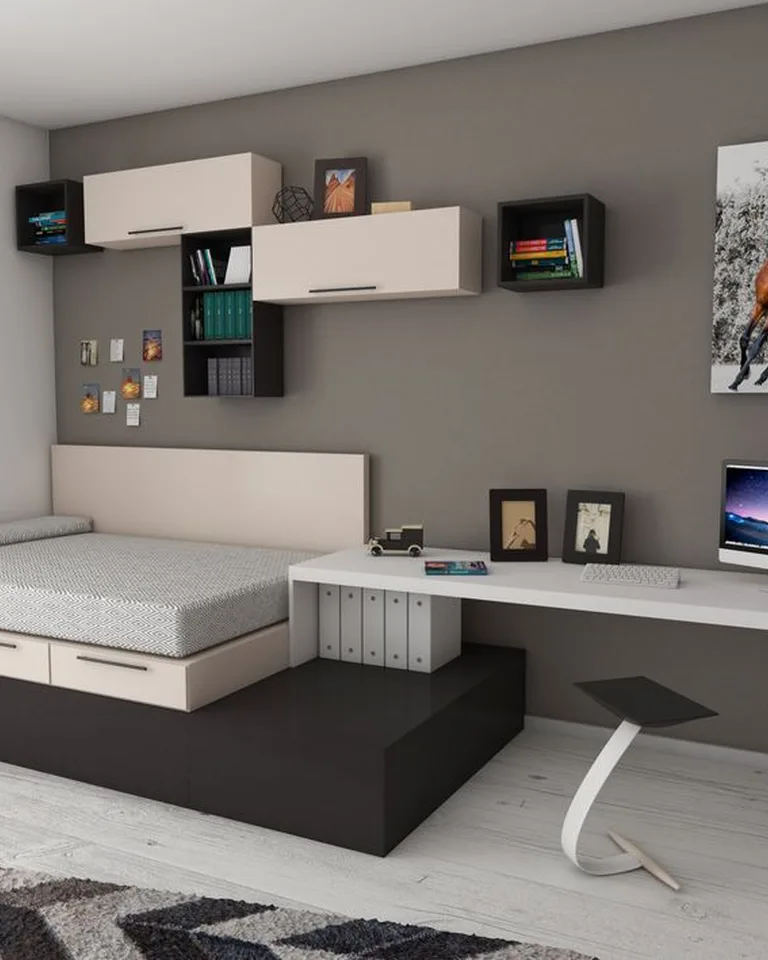
If your current bed has zero clearance, replace it rather than raising it — raising the mattress eats the headroom you can’t spare under a low ceiling. A storage bed keeps the mattress at a normal sleeping height while turning the entire under-bed void into drawers. Deep drawers on the sides handle folded clothes; the foot-end drawer swallows bulky items like winter blankets.
Why it suits low ceilings: the bed’s footprint is unchanged, so the floor plan stays open, and the storage capacity roughly equals a full dresser that would otherwise eat 8+ square feet of floor.
3. A Low, Wide Dresser Instead of a Tall One

When you must have a freestanding piece, go wide and low instead of tall and narrow. A dresser that’s 24 to 30 inches high keeps the sightline across the room unbroken, which is what makes a low-ceiling room feel airy. The same number of drawers spread horizontally gives you identical capacity to a taller unit — it just doesn’t crowd the ceiling.
Practical tip: place the dresser on the wall opposite the door rather than beside the bed; low furniture on the sightline wall reads as part of the room’s architecture instead of clutter. Top it with a tray for daily items so it doubles as a catch-all.
4. Wall-Mounted Floating Nightstand Cubbies

A traditional nightstand eats floor space and adds a furniture leg-line that fragments a small room. A floating cubby mounted at mattress height gives you the same landing spot for a lamp, book, and glasses — with zero footprint and a clear floor underneath that makes the room look larger. A pair of wall-mounted cubbies flanking the bed can also replace one shared dresser drawer for pajamas and personal items.
Low-ceiling note: mounting low, at bed height, keeps the upper walls empty so the ceiling feels higher. Our pegboard ideas for every room roundup shows how wall-mounted rails and hooks extend this same thinking beyond the nightstand.
5. Over-the-Door Organizers on the Closet Door
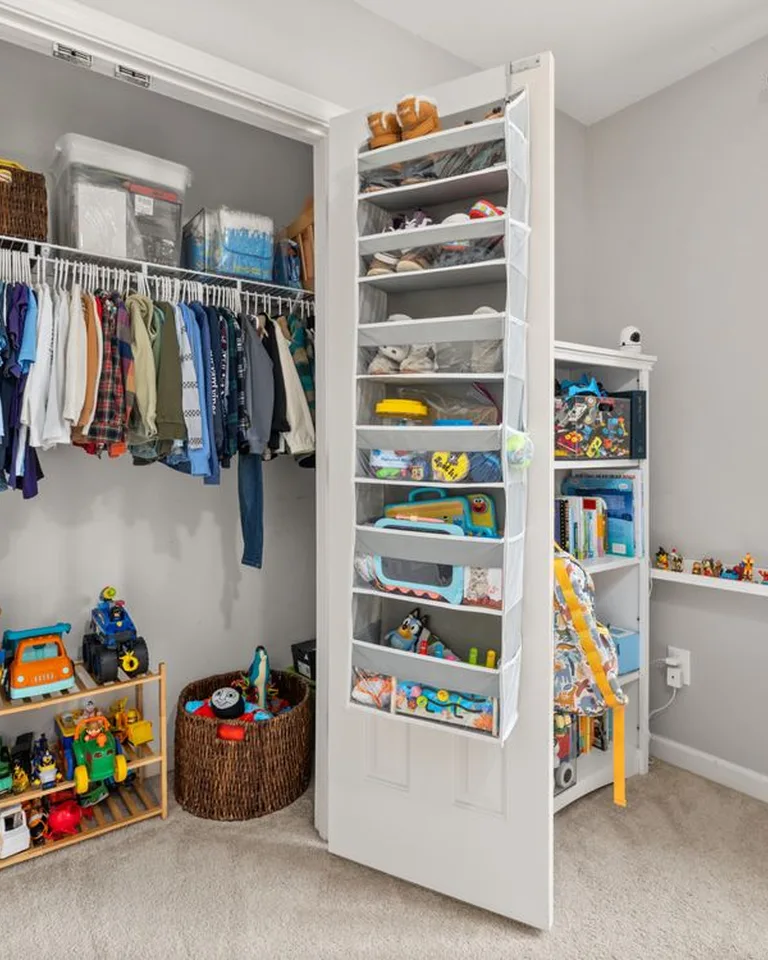
The back of a door is storage space you already own but probably aren’t using. A sturdy over-the-door organizer on the closet (or entry) door holds shoes, belts, scarves, and accessories with zero floor and zero wall commitment — ideal for renters too. Choose the flat, metal-grid styles over deep fabric pockets for a bedroom; they look tidier and keep weight off the door hinges.
Practical tip: put this on the door you open least in the room, so it never swings into the bed or dresser.
6. A Storage Headboard Wall
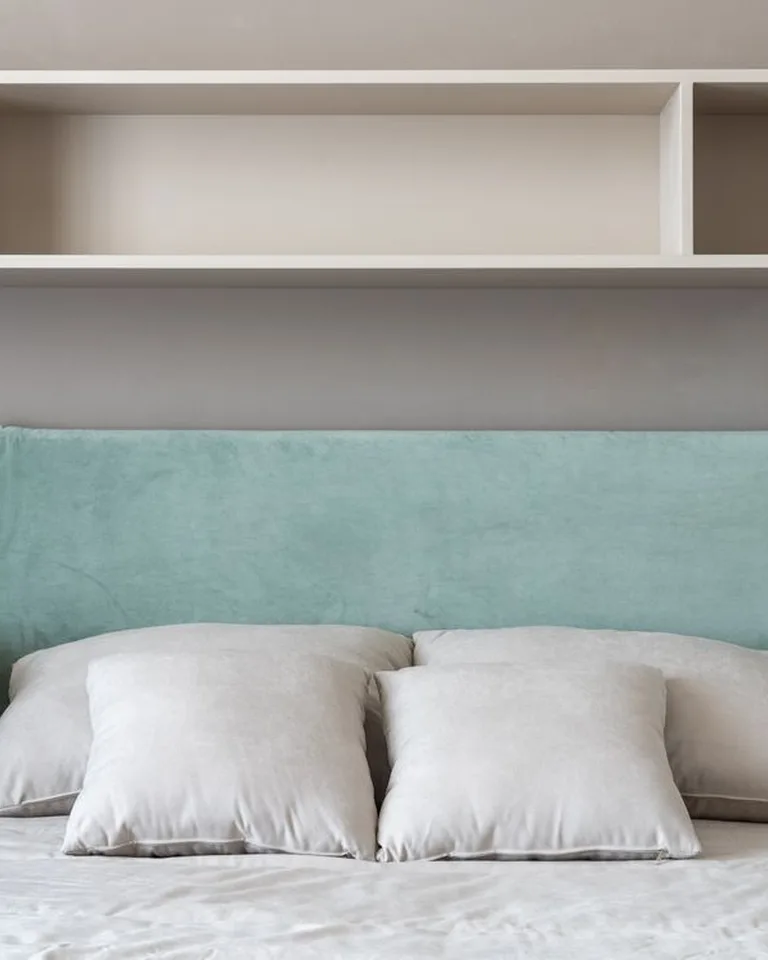
The wall behind the bed is usually dead space in a low-ceiling room because tall furniture can’t sit there without looming. A storage headboard — a shallow unit of shelves and cabinets that the bed butts against — turns that dead wall into bookshelves, drawers, and cubbies without projecting more than 10 to 12 inches into the room. It effectively replaces two nightstands and a small bookcase.
Why it suits low ceilings: headboard storage keeps everything at or below head height when you’re sitting up in bed, so the upper wall stays clear and the ceiling line stays clean.

7. Low Built-In Drawers Along the Lowest Wall

If your low ceiling slopes (attic bedrooms, dormers), the strip of wall under the lowest part of the slope is too short to stand against — which makes it perfect for storage instead of floor space. Custom or ready-made low drawer units (18 to 24 inches high) lined up under the slope hold folded clothes, shoes, and linens where a person would never fit anyway. Paint them the wall color and they read as architecture, not furniture.
Practical tip: leave a finger-pull or recessed handle style rather than bar pulls, so nothing catches on bedding or clothes near the bed.
8. A Storage Ottoman or Bench at the Foot of the Bed

The foot of the bed is usually walkable floor space you’d rather not lose — but an ottoman or bench that’s already going to sit there might as well store things. A storage ottoman holds blankets, board games, or out-of-season clothes while doubling as seating and a spot to set tomorrow’s outfit. Keep it low (under 18 inches) so it doesn’t block the bed’s sightline to the door.
Low-ceiling note: in a low room, one dual-purpose piece beats two single-purpose ones. This bench replaces a separate blanket chest or laundry chair that would otherwise need its own footprint.
9. Double-Hang the Closet and Organize the Door Back

Before buying any new furniture, double the capacity of the closet you already have. A second tension or mounted rod below the existing one instantly doubles hanging space for shirts and pants — no new furniture, no floor lost. Then add door-back hooks for tomorrow’s clothes and a shelf divider stack for folded items. Most closets run at half their real capacity because the vertical middle and the door back go unused.
Practical tip: sort by frequency: daily-wear at eye level, occasional-wear up high, and seasonal items in vacuum bags on the top shelf (idea #12 pairs well here).
10. A Single Shelf Above the Door

In a low-ceiling room, the one strip of wall where a shelf won’t crowd anything is above the door — it’s above eye level and out of the sightline path. One sturdy shelf there holds labeled baskets for rarely-needed items: spare linens, travel gear, photo boxes. Because the door swings below it, there’s no collision risk, and a single shelf (rather than a tall bookcase) adds almost no visual weight.
Low-ceiling note: stop at one shelf. Stacking shelves toward a low ceiling is exactly what makes the room feel shorter.
11. Wall Rails and Hooks Instead of a Valet Stand

A coat rack or valet stand eats a corner and looks cluttered in a small room. A wall-mounted rail with 4 to 6 hooks at shoulder height holds tomorrow’s outfit, bags, and robes with zero floor footprint — and hooks, unlike shelves, disappear visually when they’re empty. Mount it on the inside of a closet wall or behind the entry door if you want it hidden; on an open wall if you want it to double as decor.
Practical tip: cap it at what fits without crowding. Hooks only stay tidy when everything on them gets worn or put away within a day or two.
12. Vacuum Compression Bags for Seasonal Bulky Items
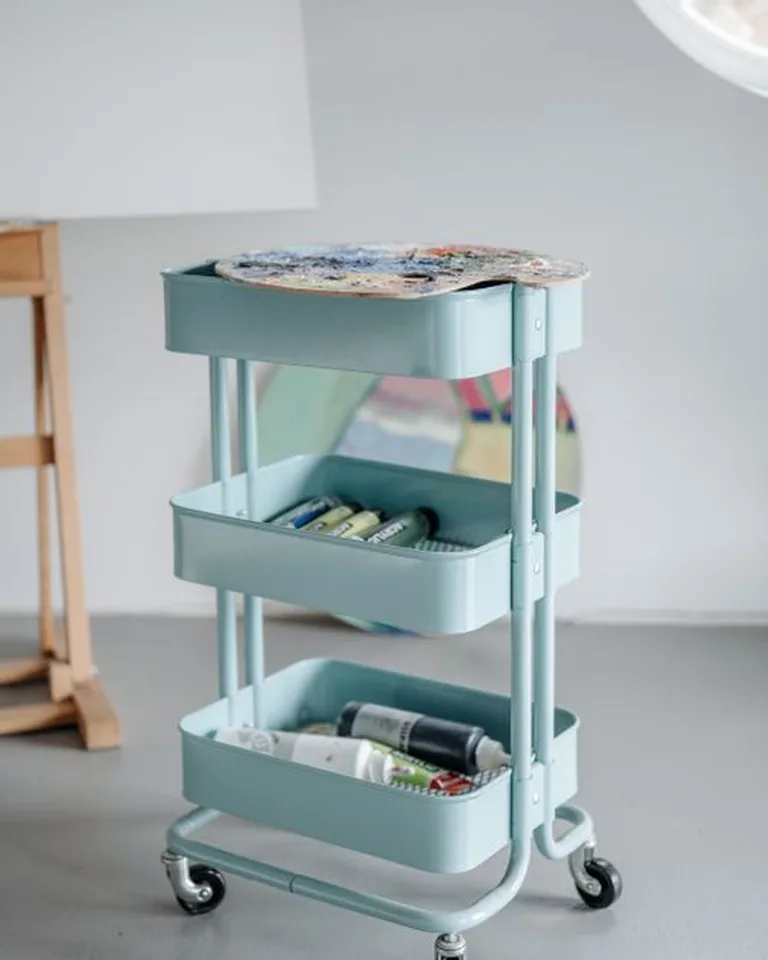
This isn’t a piece of furniture — it’s a capacity multiplier for the storage you already have. Vacuum bags shrink winter duvets, bulky sweaters, and spare pillows to roughly a third of their volume, which means one under-bed bin can hold what used to fill a whole dresser drawer. Flattened bags slide under the bed (idea #1), stack on the above-door shelf (idea #10), or line the top of the closet (idea #9).
Why it suits low ceilings: it adds storage without adding any furniture or raising any sightline — purely more room inside the space you already use.

Quick Recap: The Low-Ceiling Storage Formula
If you remember nothing else: under, not up. Fill the under-bed void first, then mount storage low on walls, then use door backs and the above-door strip. Skip anything tall and narrow — it fights the ceiling. And when you’re ready to tie the storage into a full room plan, our guides to small bedroom storage that hides clutter and bedroom storage by style pick up where this list leaves off, while small bedroom ideas by square footage helps right-size the whole plan.
FAQs
How do I add storage to a bedroom with low ceilings without losing floor space?
Start with the under-bed void (flat rolling bins or a storage bed), then add wall-mounted storage at low height (floating nightstand cubbies, wall rails) and use the backs of doors. These three moves add the most capacity with zero new floor footprint.
Can I put tall furniture in a low ceiling bedroom?
You can, but it’s the fastest way to make a low room feel shorter — tall pieces push the eye up against the ceiling. If you need the capacity, choose a low, wide dresser with the same number of drawers instead; it stores just as much without crowding the ceiling line.
Where is the best place to put storage when the ceiling is low?
Under the bed, behind and around the headboard, inside the closet (double-hang the rods), and on the strip of wall above the door. These are the spots that stay out of the room’s sightlines, so the ceiling keeps feeling as high as it actually is.