
12 Garage Mudroom Ideas to Build a Daily Drop Zone That Works
A garage mudroom is a dedicated drop zone carved out of your garage — usually just a 4-foot-wide section of wall by the door into the house — where coats, shoes, bags, and gear get contained before they reach your living room. It works because it stops dirt and clutter at the furthest point from your home’s interior, and a DIY setup costs $150 to $400, with mid-range modular furniture landing around $500 to $1,000. The 12 ideas below turn one blank wall into a system the whole family actually uses.

Start by standing at your garage entry door and listing what piles up there: backpacks, muddy boots, dog leashes, sports gear. Most families only need hooks and shoe storage — seeing the list first keeps you from buying storage you don’t need. Now the ideas.
Claim a 4-Foot Wall Zone by the Entry Door
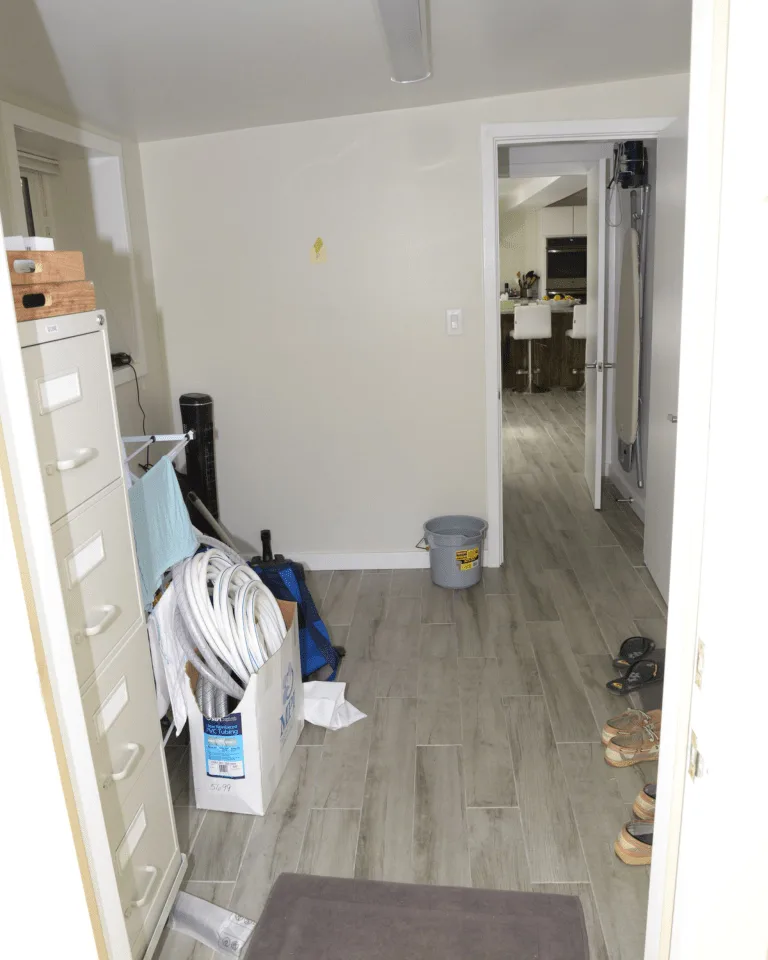
You don’t need to convert the whole garage — one 4-foot-wide section of wall immediately beside the door into the house is enough for a bench, hooks, and a couple of bins. Keep 4 to 5 feet of clear floor space in front of whatever you install so people can actually sit, bend, and move. Mark the zone with a washable rug so everyone knows where the drop zone starts.
Practical tip: place the zone on the same side as the door handle so the flow from car to house feels natural, not awkward.
Hang Hooks at Kid and Adult Heights

Hooks are the backbone of every good mudroom — simple, cheap, and the thing your family will use most. Mount a row at adult height (about 5 feet) for coats and bags, and a second row at kid height (about 3 feet) so children can hang their own things without help. Sturdy metal hooks beat adhesive ones in a garage, where temperature swings weaken glue.
Practical tip: assign each person a hook by hanging a small labeled tag or painting their initial above it — personal ownership keeps the wall tidy.
Add a Storage Bench With Cubbies Underneath

A bench gives everyone a place to sit while pulling on shoes, and one with storage underneath does double duty. A simple wooden storage bench holds out-of-season accessories, sports equipment, or anything you don’t want migrating inside. Choose a weather-resistant finish since garage humidity is harder on furniture than indoor air. If your entry is truly tiny, these very small entryway ideas show how benches and hooks work in the tightest spaces.
Practical tip: anchor the bench to the wall with an anti-tip bracket — kids will climb on it, guaranteed.
Set Up a Boot Tray Zone

Mud, snow, and puddles don’t belong inside your home, and a boot tray near the door is what keeps them out. Place a large rubber or plastic tray — or a low-sided plastic tub — right where boots come off, sized for two pairs side by side. Add a second washable mat in front of it for the step-off, and empty and rinse the tray weekly so it doesn’t become a mud puddle of its own.
Practical tip: fill the tray with a layer of decorative stones or a rubber grid insert so boots drain instead of sitting in water.
Give Everyone a Labeled Bin

One bin per family member ends the mystery of the missing glove. Stackable plastic bins or lidded baskets corral the small stuff — gloves, hats, sunglasses, sunscreen, dog bags — that otherwise drifts across every flat surface. Label each bin with a name or color so even young kids know where their things live.
Practical tip: do a five-minute bin reset every Sunday night; bins only stay organized if someone empties the stragglers weekly.
Build Lockers or Cubbies Per Person

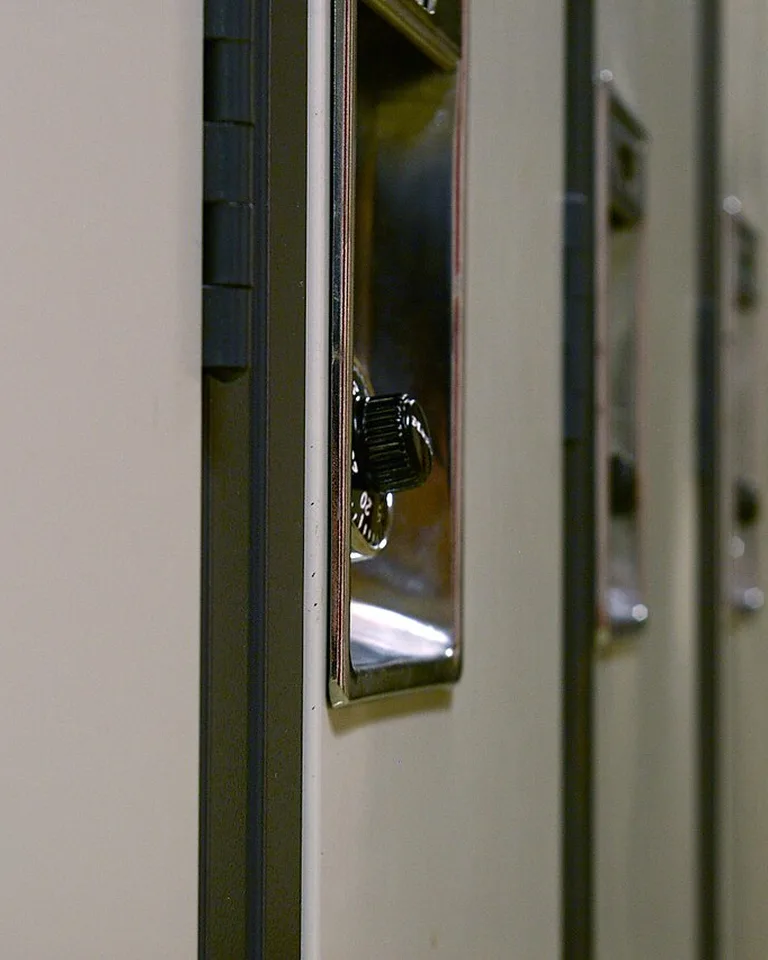
Individual lockers or cubbies are the cutest and most efficient way to end arguments about whose backpack is whose. You don’t need custom carpentry — plywood cubbies, stacked crates, or a row of inexpensive metal lockers all do the job. Size each opening for a backpack plus a pair of shoes, and leave the bottom row open for daily footwear.
Practical tip: build cubbies 14 to 18 inches deep — deep enough for a backpack, shallow enough that things can’t vanish into the back.
Mount a Pegboard Gear Wall
A pegboard is the most flexible storage you can put on a garage wall. Hang tools, bike helmets, umbrellas, dog leashes, and extension cords on movable hooks, and rearrange them as seasons change — no new holes required. Frame the pegboard with trim and paint it a bold color so it looks intentional rather than improvised.
Practical tip: mount the pegboard on furring strips so there’s a gap behind it; hooks need that clearance to seat properly.
Create a Family Command Center

Turn one section of the wall into a communication hub: a chalkboard or whiteboard for reminders, a weekly schedule, key hooks, and a mail sorter. Because everyone passes through the drop zone daily, it’s the one message board your family will actually see. Mount it at adult eye level with a small ledge for chalk or markers.
Practical tip: add a small magnetic strip to the board for permission slips and appointment cards that would otherwise vanish.
Corral Shoes on Open Shelves
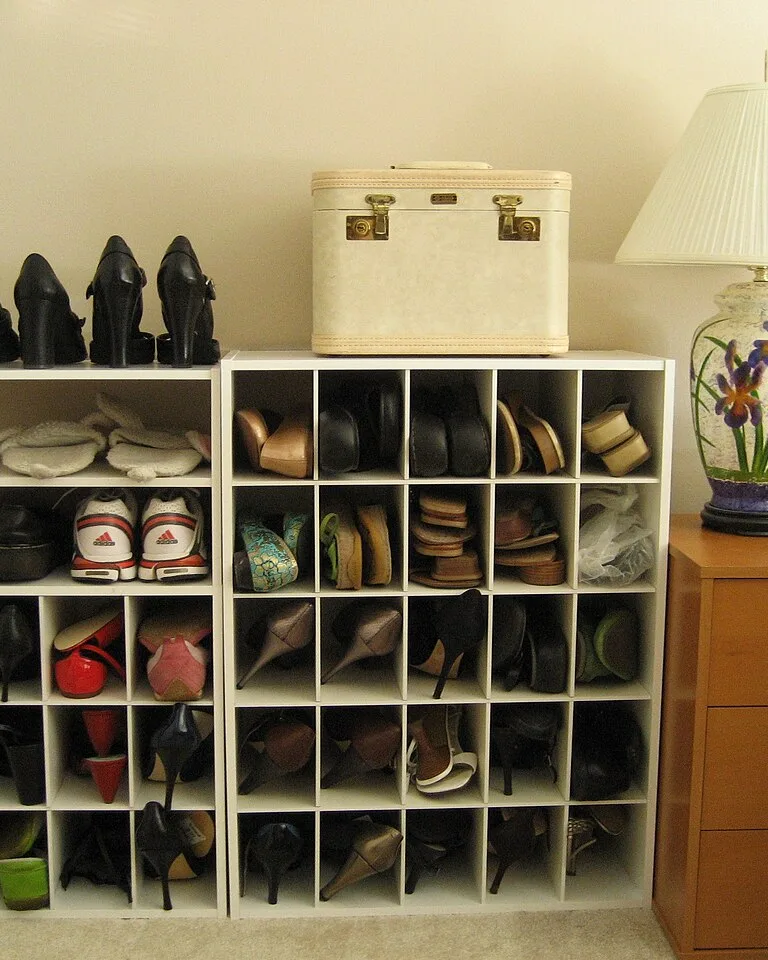
Open shelving beats a shoe pile every time. A simple shelf unit with cubbies — one or two rows — holds daily shoes where you can see them, and seeing them is what gets shoes put away instead of kicked off. Keep only in-season, daily-wear shoes here; store the rest overhead or elsewhere. The same cubby logic makes under-bed storage work inside the house — give every pair a visible home and the floor stays clear.
Practical tip: cap it at two pairs per person in the drop zone; overflow goes back to the closet, not onto the floor.
Add an Umbrella and Key Grab Station
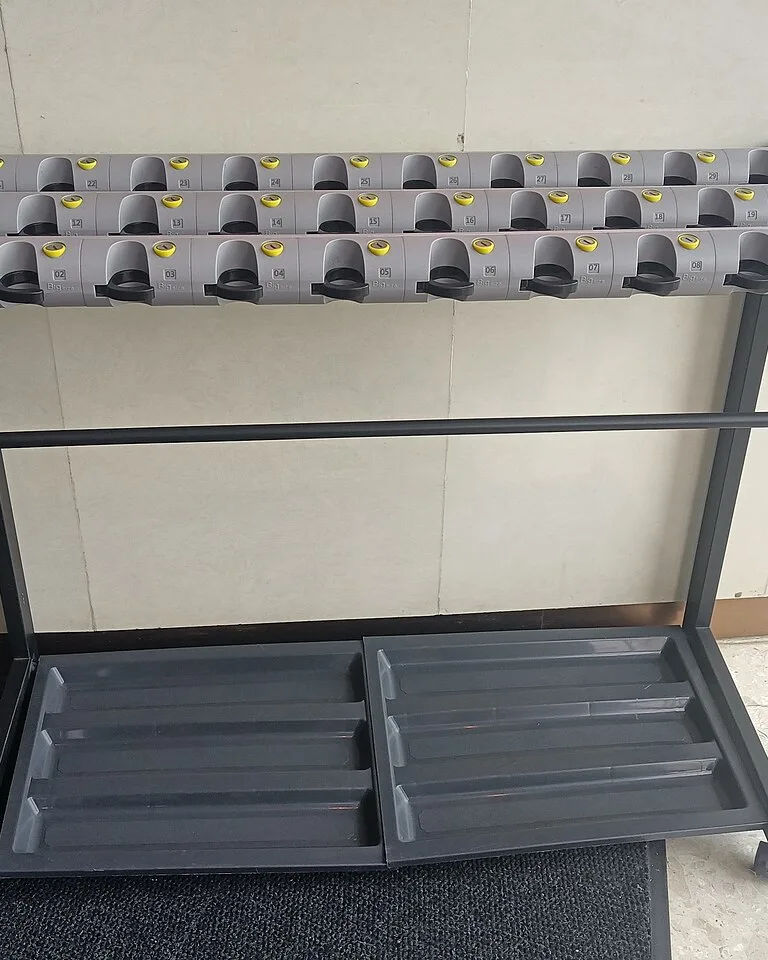
A small stand for umbrellas plus a row of key hooks by the door ends the frantic morning search. Place it within arm’s reach of the door so grabbing and returning becomes automatic. A heavy-based stand won’t tip when someone yanks an umbrella out in a hurry.
Practical tip: keep a spare house key and a flashlight on the hook row too — you’ll reach for both in this spot.

Use Baskets for Small Gear

Baskets handle everything too small for a hook and too random for a bin: bike lights, water bottles, hats, reusable shopping bags. Slide them onto shelves or stack them in cubbies, and pick materials that survive garage life — sealed wood, metal, or sturdy woven synthetics beat raw wicker, which mildew loves. One basket per category beats one giant basket for everything.
Practical tip: line baskets with washable fabric bags so you can pull the whole bag out, shake it clean, and drop it back in.
Pair It With a Laundry Corner

If your washer and dryer sit near the garage, tuck a rolling hamper or sorting bin into the drop zone for dirty uniforms, sports clothes, and wet towels. It keeps soiled gear from traveling through the house to the laundry room, and the short trip makes the habit stick. The same washable, hard-wearing mindset works for the laundry space itself — see these renter-friendly laundry room upgrades for ideas that hold up in high-moisture zones.
Practical tip: use a ventilated hamper with a lid — damp sports gear in a closed plastic bin gets smelly fast.
Garage Mudroom FAQs
Can I create a garage mudroom in a small garage?
Absolutely. A single 4-foot-wide section of wall is enough for a bench, hooks, and a couple of bins. Wall-mounted and foldable furniture is your best friend — use vertical space with tall shelves and overhead racks so you don’t lose parking room.
How much does it cost to build a garage mudroom?
A DIY budget setup runs $150 to $400 using plywood, crates, and basic hooks. A mid-range build with modular or IKEA-style furniture lands around $500 to $1,000. Custom professional installs with built-in cabinetry start at $1,500 and go up from there.
Do garage mudrooms add value to a home?
Yes. Organized storage and transitional spaces are strong selling points — real estate agents regularly cite tidy, multifunctional garage areas as features that give a home an edge with buyers, especially families.
What materials are best for garage mudrooms?
Durability is the priority since garages face more moisture, dust, and wear than interior rooms. Use rubber mats, tile, or epoxy for flooring; moisture-resistant paint or beadboard for walls; and powder-coated metal, sealed wood, or plastic for storage.
Can you put a mud room in a garage?
Yes — it’s one of the most popular ways to add a mudroom without giving up indoor square footage. The garage is already the primary entry for many households, so containing mess there keeps the rest of the house cleaner. Just plan ventilation for damp gear and keep the layout reversible if you want to preserve parking value.