
12 Budget Kitchen Remodel Ideas That Look Expensive (Under $1,000)
A budget kitchen remodel works best when you change the surfaces you see every day and leave the layout alone. Painting the cabinets, updating the lighting, swapping the hardware, and adding a peel-and-stick backsplash deliver the biggest visual change for the smallest bill — most of the 12 ideas below cost under $100 each, and you can do the whole set for well under $1,000. The one thing to avoid: moving plumbing or knocking down walls, because that turns a refresh into a real remodel, which national 2026 cost guides price between $15,000 and $75,000.
Cabinetry is the single most expensive part of any kitchen remodel — typically 30 to 40 percent of the total budget — which is exactly why every idea on this list keeps your existing cabinets, counters, and layout. If the cabinet boxes are solid, paint and hardware can carry the whole project. Let’s get into it.
Paint the Cabinets Instead of Replacing Them
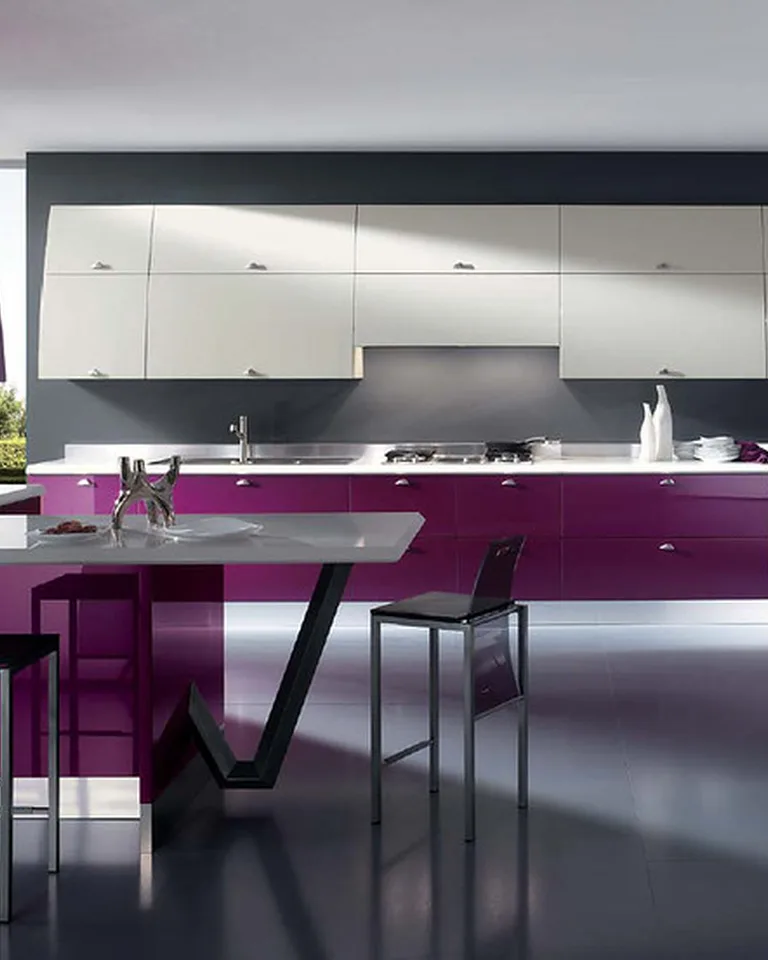
Cabinets are the largest visible surface in your kitchen, so painting them changes the look of the room more than any other single upgrade. A professional cabinet paint job runs about $2,164 on average according to 2026 pricing data, and doing the prep yourself — cleaning, sanding, and priming — is where most of the savings are. Press the cabinet sides and check under the sink for soft or swollen spots first; if the boxes are water-damaged or sagging, paint won’t hold and your money is better spent elsewhere.
Practical tip: practice your technique on the back of one spare door before painting the fronts, and always use a bonding primer made for slick cabinet surfaces.
Swap Out the Cabinet Hardware
New pulls and knobs change how cabinets read for very little money — it’s the jewelry of the kitchen. Measure the distance between your existing screw holes (usually 3 or 3-3/4 inches) and order hardware with the same spacing so you don’t have to drill new holes. Pick one finish — matte black, brushed nickel, or brass — and repeat it on every door and drawer to keep the room calm instead of busy. If you’re hunting for the right white to pair with new hardware, these white kitchen ideas that feel warm, not sterile show how paint color and hardware finishes work together.
Practical tip: buy one knob first and test it on your most-used drawer for a week before ordering a full set.
Stick On a Peel-and-Stick Backsplash
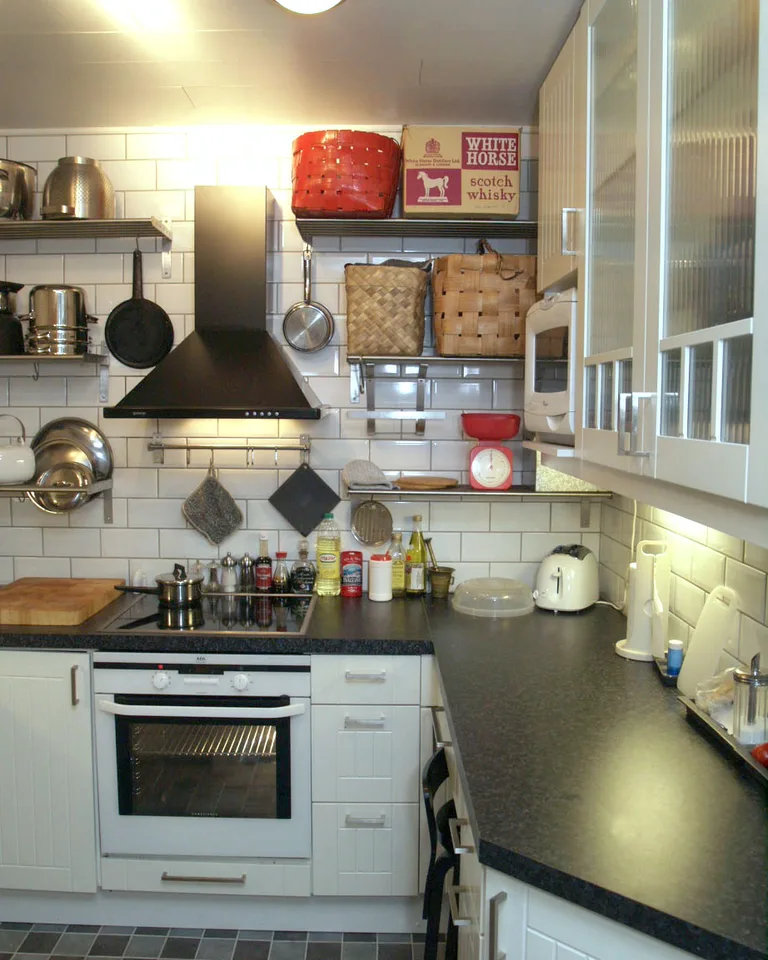
A peel-and-stick backsplash covers worn, dated wall space without grout, thinset, or demolition — and most versions are renter-friendly since they come off cleanly. Look for a wipeable vinyl or gel tile in a classic subway or zellige pattern; glossy finishes bounce light around and make the kitchen feel brighter. Measure twice, cut with a sharp utility knife, and start from the most visible corner so any small cuts hide behind the stove or fridge.
Practical tip: clean the wall with a degreaser and let it dry fully before sticking — grease is the number one reason peel-and-stick tiles fail.
Add Under-Cabinet LED Lighting
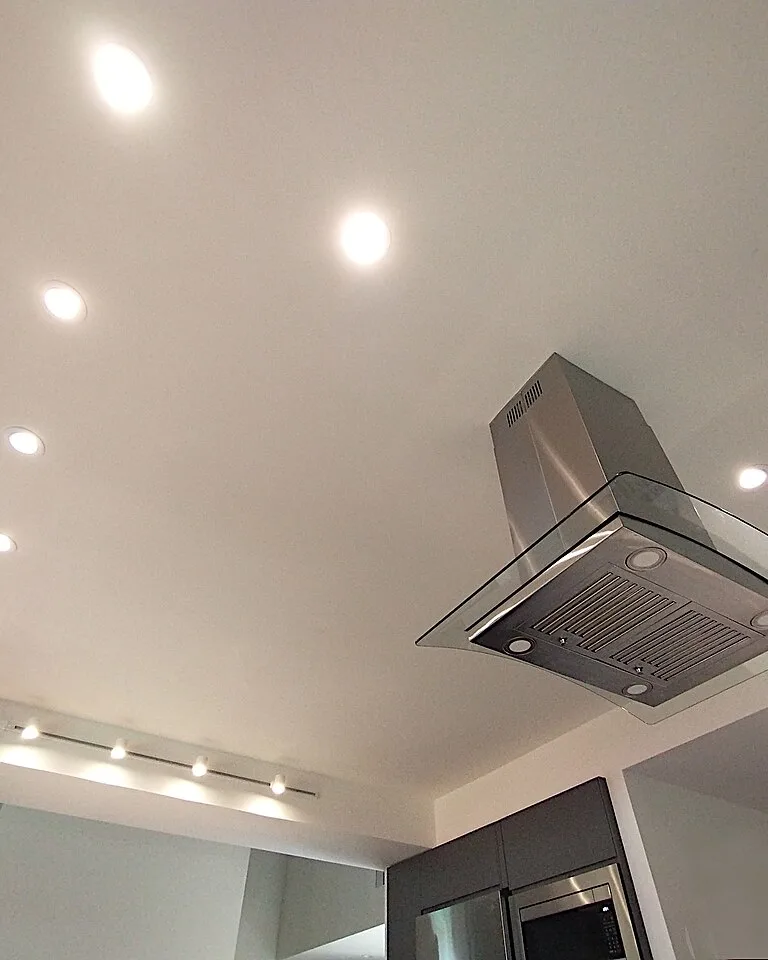
Lighting changes a kitchen faster than almost anything else, and it’s one of the cheapest upgrades you can make. Plug-in LED strips need no electrician — stick them under the upper cabinets and your counters go from shadowy to task-ready in minutes. LEDs use at least 75 percent less energy than old incandescent bulbs and last up to 25 times longer, so the bulbs you install now trim your power bill for years.
Practical tip: choose 3000K “warm white” for a cozy feel, or 4000K “neutral white” if you want the space to feel crisp and clean.
Refinish Worn Laminate Counters With a Paint Kit

Tired laminate counters can be transformed with a countertop paint kit that mimics stone or marble for a fraction of replacement cost. The process takes patience — several thin layers with drying time between coats — but it saves thousands compared to new quartz or granite. Sand lightly, clean thoroughly, and seal with the kit’s topcoat; the seal is what makes it survive daily cooking.
Practical tip: don’t skip the curing time on the label (often 3 days) before setting heavy appliances back on the counters.
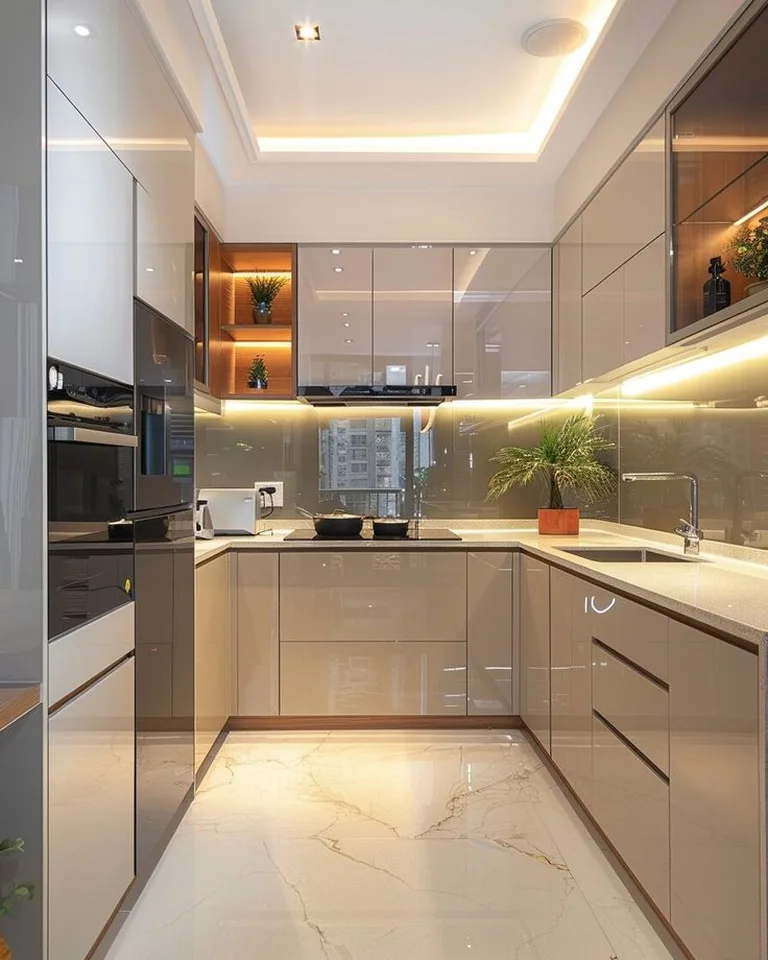
Open Up One Wall With Floating Shelves
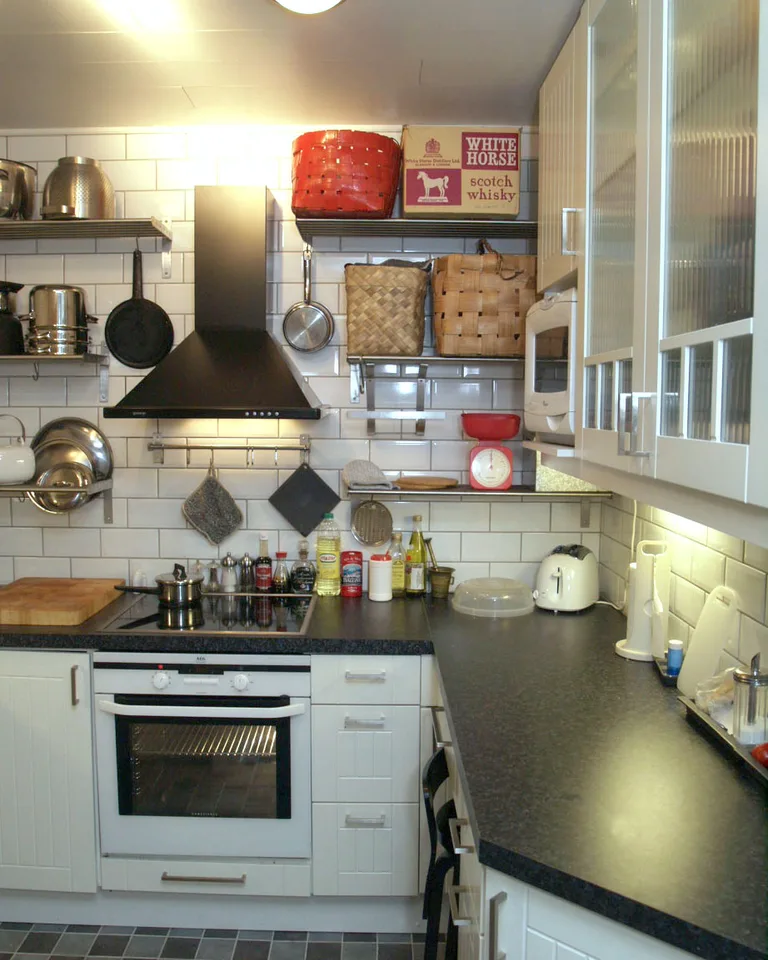
Removing the doors from one upper cabinet — or swapping it for two floating shelves — instantly makes a small kitchen feel larger and gives you a spot to display dishes you actually like. Keep the styling tight: everyday plates, glasses, and a couple of plants, not clutter. Because everything is visible, this upgrade forces you to curate, which is half the benefit.
Practical tip: hang shelves at the same height as your remaining uppers so the line of the kitchen stays level and intentional.
Lay Down a Washable Runner Rug

A runner rug adds color and pattern to a boring floor, hides stains and worn spots, and feels soft underfoot while you do the dishes. Choose a machine-washable flatweave in a dark or busy pattern — kitchen spills are a matter of when, not if. Runners also visually stretch a galley kitchen, drawing the eye from one end to the other.
Practical tip: size the runner to the walkway, not the whole room — it should sit flat without curling under cabinet toes.
Replace the Faucet

The faucet is the most-touched fixture in the kitchen, and a new one makes the whole sink area feel updated. A single-hole pull-down faucet is the easiest swap — most connect to your existing supply lines with no plumber required. Match the faucet finish to your new cabinet hardware so the metals tell one story.
Practical tip: photograph the underside of your sink before you shop so you know exactly how many mounting holes you’re working with.
Hang New Pendant Lights

If your kitchen has an island or a peninsula, two or three pendant lights turn it into a focal point instead of an afterthought. Swapping a dated flush-mount for pendants is a beginner-friendly electrical job (always flip the breaker first), and it lets you introduce a finish — rattan, black metal, seeded glass — that gives the room personality. Hang them 30 to 36 inches above the counter so they light the work surface without blocking sightlines.
Practical tip: renters can get the same effect with plug-in pendant kits that hang from adhesive ceiling hooks — no wiring touched.
Declutter and Organize Before You Buy Anything
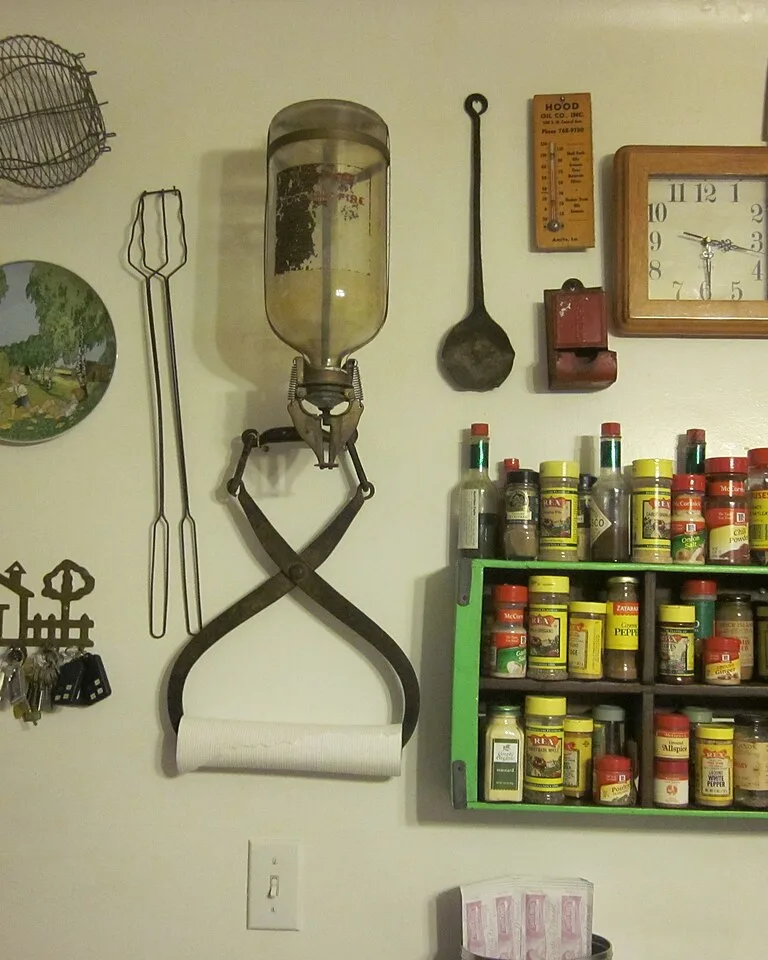
Clear counters make a kitchen look larger before you spend a dollar. Pull everything off the counters, keep out only what you use daily, and move the rest into cabinets with cheap organizers — turntables, drawer dividers, and shelf risers. Starting with organization also tells you what you actually need to buy, which stops impulse spending later in the project. The same renter-friendly thinking works beyond the kitchen — these renter-friendly laundry room upgrades use the same reversible, low-cost approach for another hardworking space.
Practical tip: do the “everything in a box” test — box up all countertop items for a week and only unbox what you reach for.

Roll In a Slim Kitchen Island or Cart

A slim rolling island adds prep space, storage, and sometimes seating for as little as $120 — no installation required. Look for one with a butcher-block top and storage underneath, and make sure it fits your work aisle (you want at least 36 inches of clearance around it). When it isn’t needed, it rolls against a wall or doubles as a serving cart for guests.
Practical tip: lock the casters when cooking so the island doesn’t drift mid-chop.
Refresh the Walls With a New Paint Color

A gallon or two of paint is the cheapest square footage you can buy. Warm whites, soft blues, and pale sage all make kitchens feel fresh and larger — avoid dark or heavy colors in small kitchens, which shrink the space visually. Since kitchens take daily wear, use a satin or semi-gloss finish that wipes clean.
Practical tip: paint large swatches on poster board and move them around the room for two days before committing — kitchen light changes everything.
Budget Kitchen Remodel FAQs
How much does a cheap kitchen refresh cost?
A DIY cosmetic refresh — paint, hardware, lighting, and a peel-and-stick backsplash — can land between $4,000 and $7,000. A professionally done minor remodel typically runs $10,000 to $20,000, while full renovations with layout changes start around $30,000 and climb from there.
What is the cheapest way to make a kitchen look new?
Replace dated hardware and swap dim bulbs for bright LEDs — both jobs need only a screwdriver and change how the whole room reads. Clearing the counters adds to the effect for almost no money, and paint can follow once you’ve picked a palette.
Is it worth painting old kitchen cabinets?
Yes, when the cabinet boxes are solid and you’re keeping the layout. Paint costs a fraction of replacement and changes the biggest surface in the room — a typical professional job runs about $2,164. If the boxes are swollen, water-damaged, or sagging, paint won’t hold and replacement becomes the better spend.
What is the most expensive part of a kitchen remodel?
Cabinetry, almost always. New cabinets typically consume 30 to 40 percent of the total budget, which is why refinishing or painting existing cabinets is the number-one strategy for saving money. Labor is usually the second-biggest cost.
Can I do a kitchen makeover if I rent?
Yes, if you stick to changes you can undo and your lease allows them. Plug-in under-cabinet lights, swappable hardware, peel-and-stick backsplash, and a rolling island are all renter-safe. Get written approval from your landlord before painting anything, and keep the original pieces so you can restore them — the same approach behind these renter-friendly breakfast nook upgrades.