
12 White Kitchen Ideas That Feel Warm, Not Sterile
A white kitchen feels cold for one reason: everything in it is operating at the same visual volume. Same color, same finish, same hardness. The fix isn’t to abandon white — it’s to break the sameness. Warmth in a white kitchen comes from contrast you can feel: a warmer white against a cooler one, wood grain against lacquer, brass against stainless, soft 2700K light against flat daylight.
Below are 12 ideas that keep the clean look of white while making the room feel genuinely inviting. Each one works on its own, and they layer well together — start with whichever bothers you most about your current kitchen.
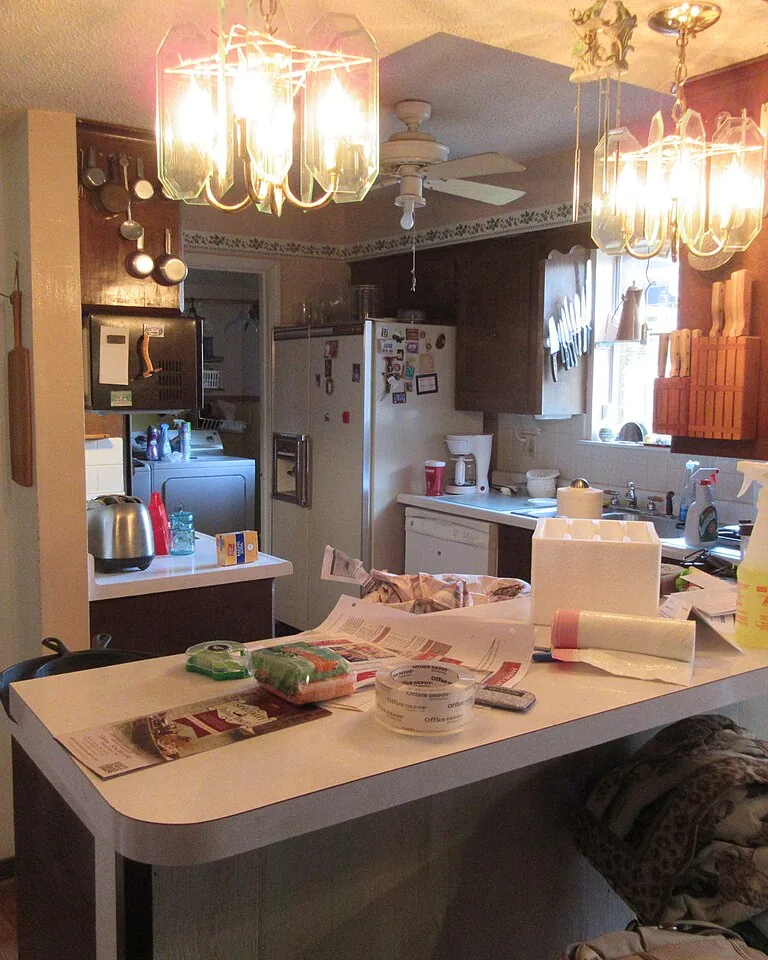
1. Layer Warm and Cool Whites Instead of One Flat White
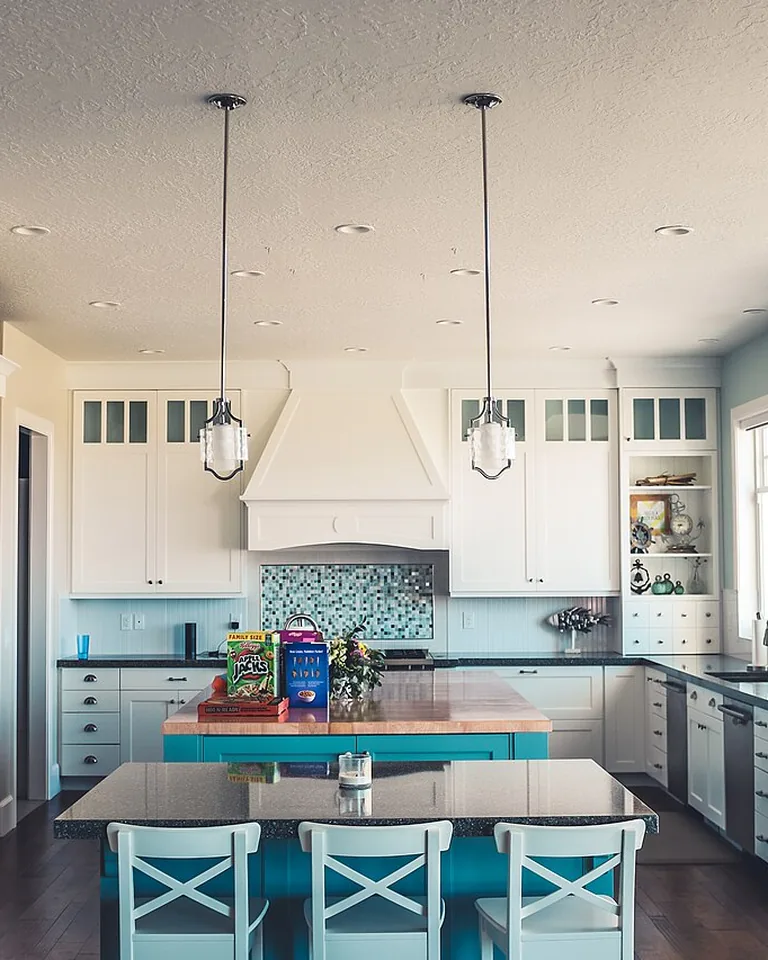
The fastest way to de-sterilize a white kitchen is to stop using a single white everywhere. Pair a soft, warm white on the cabinets with a crisper, cooler white on the ceiling or trim. The difference is subtle, but the eye reads it as depth instead of a flat clinical sheet. Test large paint samples next to your flooring in daylight first — a warm trim can make a cool countertop look faintly blue, and the only cure is testing before you commit.
Practical tip: If repainting feels like too much, start with the ceiling in a clean bright white and keep the cabinets as-is. That one shift alone adds dimension.
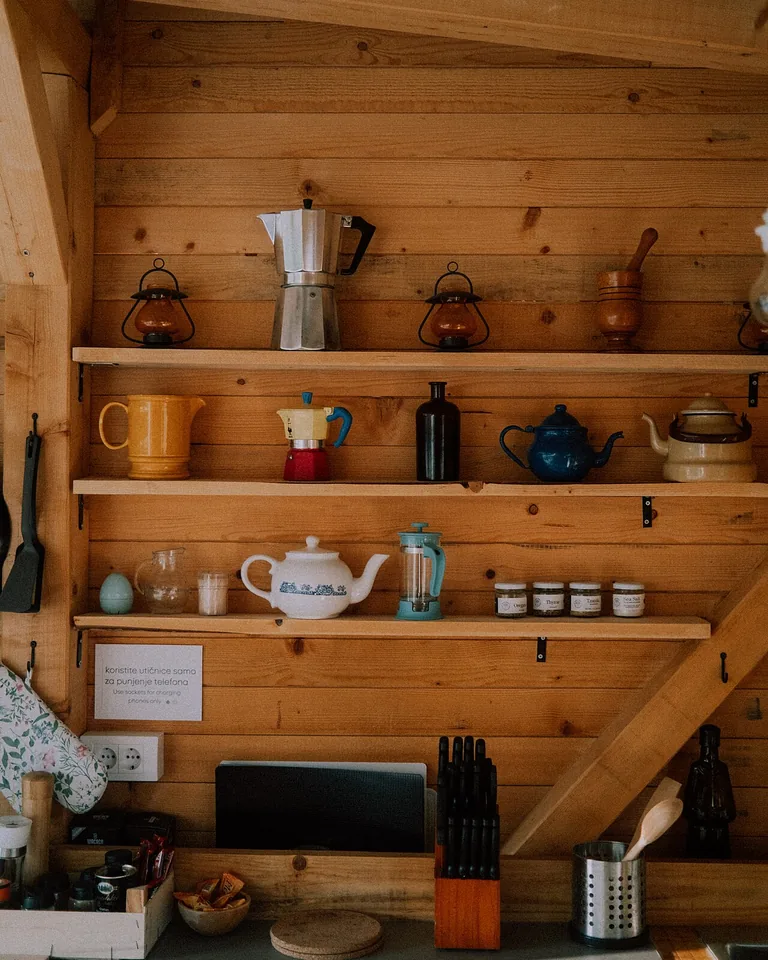
2. Add Warm Wood Open Shelves
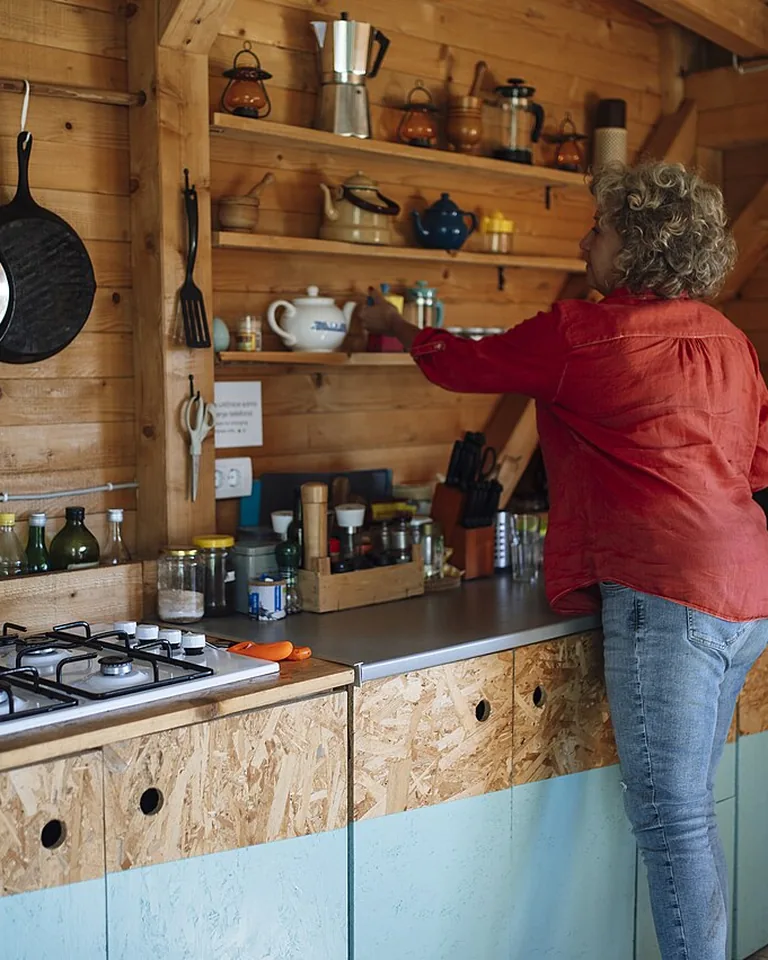
Open shelving does two jobs at once in a white kitchen: it breaks up long runs of cabinetry and introduces the single warmest material you can add — wood. A couple of oak or walnut shelves styled with everyday bowls, wooden cutting boards, and a small plant give the kitchen a lived-in layer that closed white cabinets never will. Keep the styling to things you actually use so the shelves stay honest, and keep them at a reachable height — white backgrounds show dust, so you’ll wipe them more often than you’d think.
Practical tip: Two shelves are plenty. Three or more in a small kitchen starts to read as clutter.
3. Warm Up the Island With a Butcher-Block Top
If your perimeter cabinets are white, the island is your best chance to add a big, warm gesture. A butcher-block or solid wood island top brings a honey-toned surface right into the center of the room, and it keeps every surrounding white surface from feeling stark. Wood tops also age gracefully — minor knife marks and patina read as character, not damage. Seal it properly (food-safe oil or a hardwax oil) and wipe up standing water, especially around the sink zone.
Practical tip: On a budget, a butcher-block top over a painted island base gives you the look for a fraction of a full wood island.
4. Swap In Warm-Metal Hardware
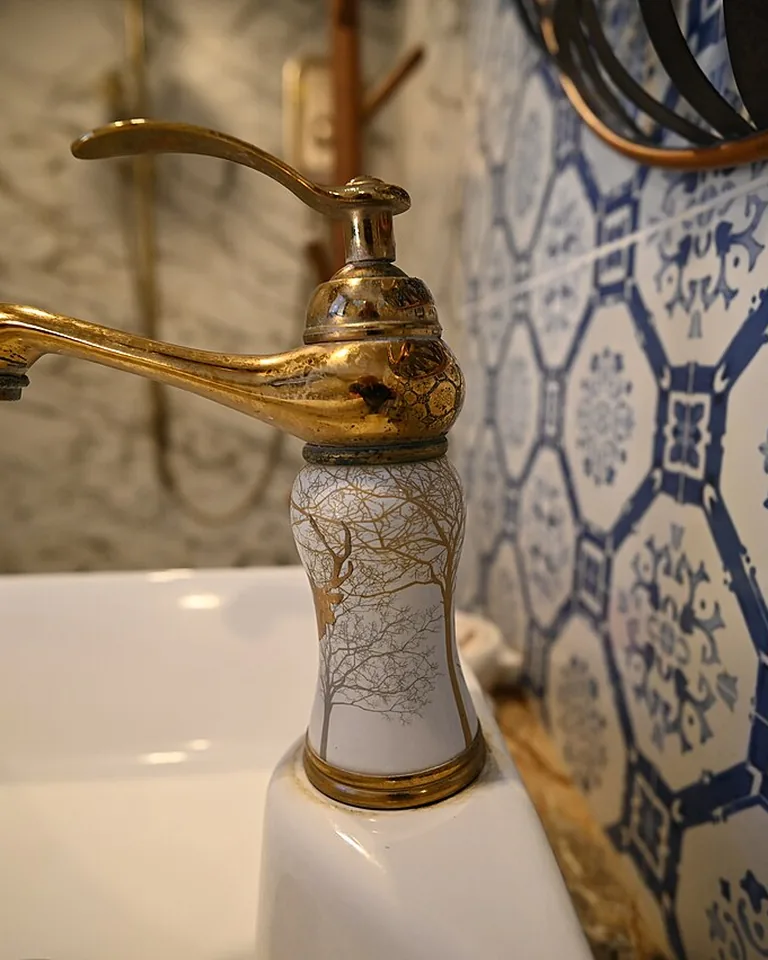
Brass, unlacquered bronze, or warm gold-toned hardware is the jewelry of a white kitchen. A row of brass bar pulls or cup pulls against white shaker doors adds a rich, inviting tone that calms the coolness of all that white — and it photographs beautifully. If you already have stainless appliances, don’t worry: mixing metals is fine and actually creates the layered, collected look that keeps a white kitchen from feeling matchy-matchy.
Practical tip: Match your faucet to your cabinet hardware for a cohesive feel, but let lighting be a different finish if you like — two warm metals are enough.
5. Light It Warm: 2700K Layers, Pendants, and Under-Cabinet Strips
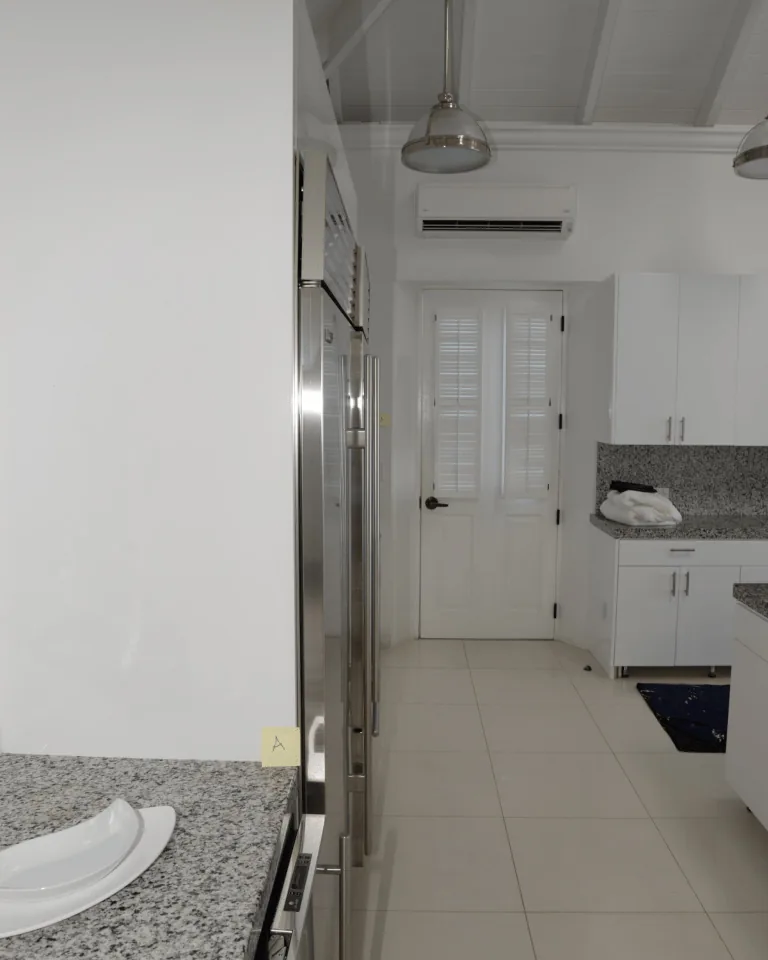
Lighting is the invisible ingredient. Cool, bluish bulbs will make the loveliest white kitchen feel like a lab; warm 2700K–3000K bulbs make the same room feel like evening. Layer three kinds: ambient (recessed or a statement fixture), task (under-cabinet strips for prep areas — non-negotiable, they also make white counters glow instead of glare), and one decorative moment, like pendants with linen or fabric shades over the island. Put the decorative layer on a dimmer and you’ll use the kitchen differently at night.
Practical tip: If you change nothing else, swap your bulbs to 2700K warm white. It’s the cheapest transformation on this list.
6. Choose Stone With Soft, Visible Veining
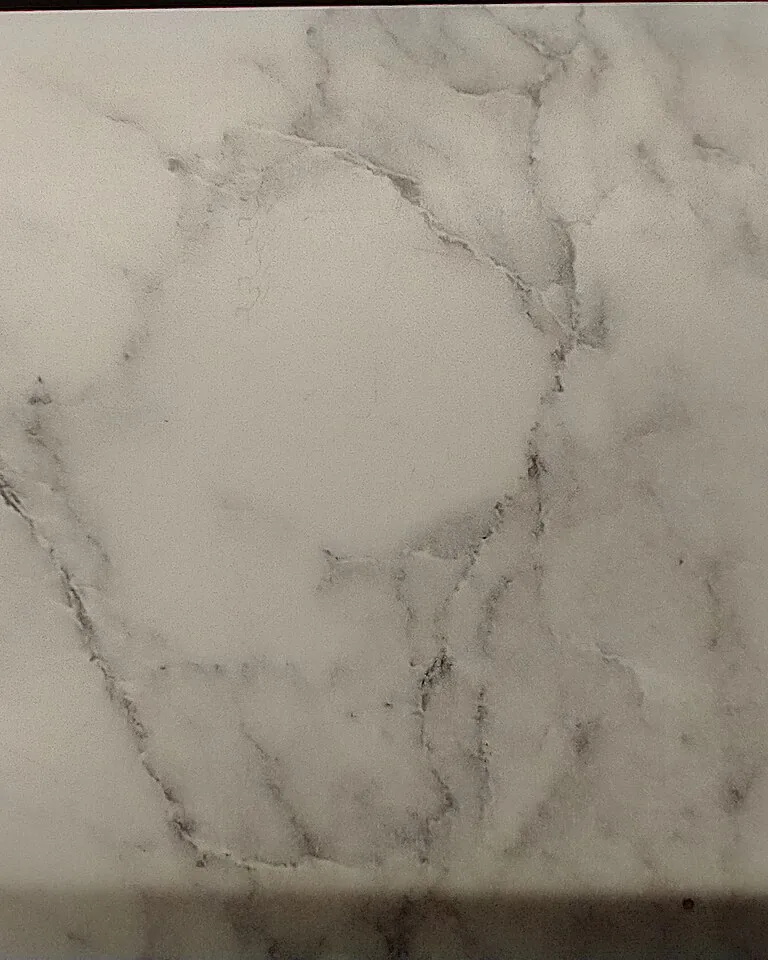
A pure, patternless white countertop doubles down on the sterile look. Stone with gentle veining — marble, or a quartz that mimics it — keeps the palette white while giving the eye somewhere to land. In a small kitchen, pair pale veining with soft oak floors: warm enough to ground the room, still reads white overall. Honed finishes feel softer and more inviting than high-gloss, and they hide fingerprints better too.
Practical tip: Love marble but fear the maintenance? Use a marble-look quartz on the perimeter and a small real-marble backsplash as the focal point.
7. Pick a Backsplash With Handmade Texture
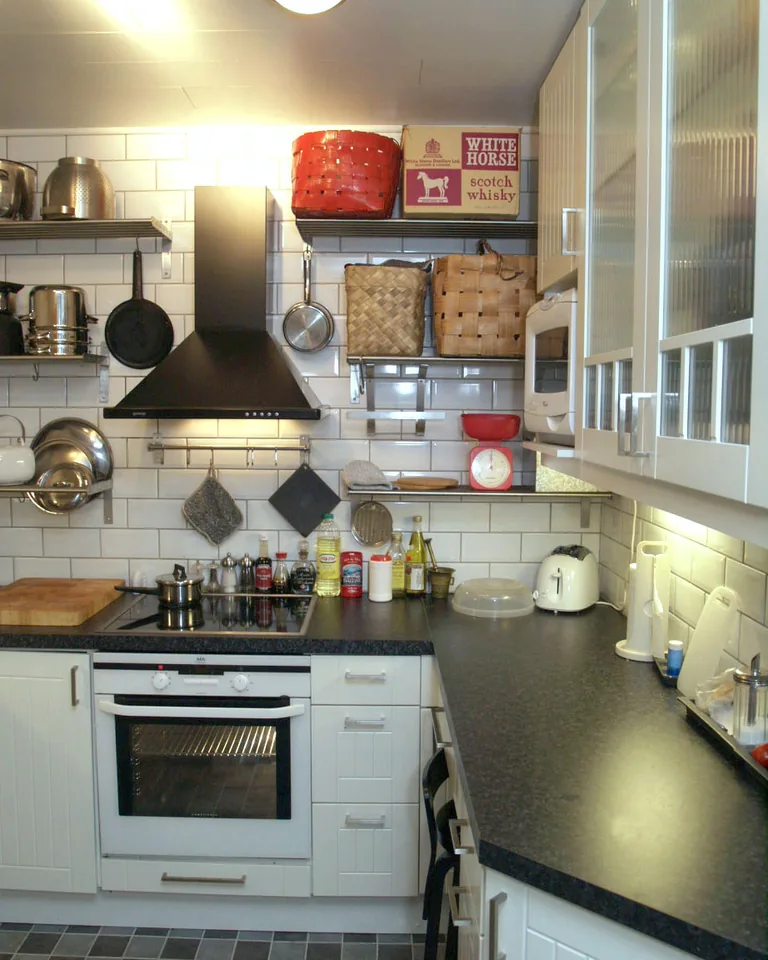
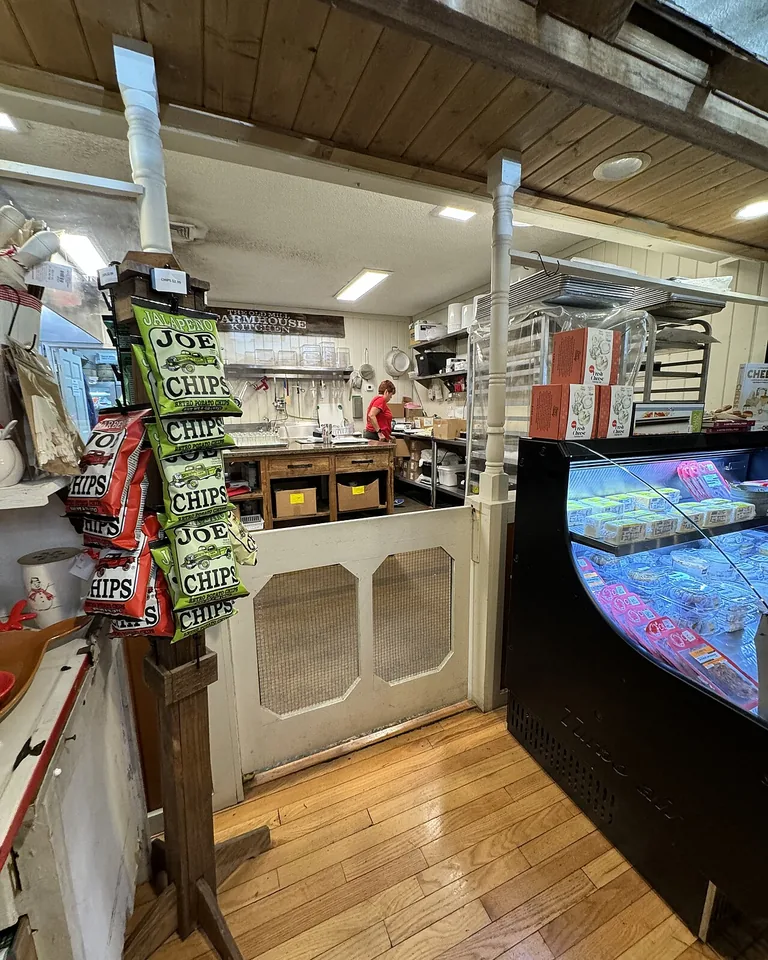
Flat, glossy subway tile in a white kitchen can read as more of the same. Handmade-look tile — zellige, or a ceramic with an undulating surface — catches light unevenly, so the wall behind your counters shimmers instead of sitting flat. Each tile is slightly different, and that imperfection is exactly what makes a white kitchen feel crafted rather than manufactured. Keep grout lines tight and a shade close to the tile so the texture, not the grid, does the talking.
Practical tip: This is a renter-friendly win too: peel-and-stick zellige-look tiles have gotten convincing, and our guide to renter-friendly laundry upgrades covers the same no-drill mindset for tricky spaces.
8. Make the Sink a Focal Point
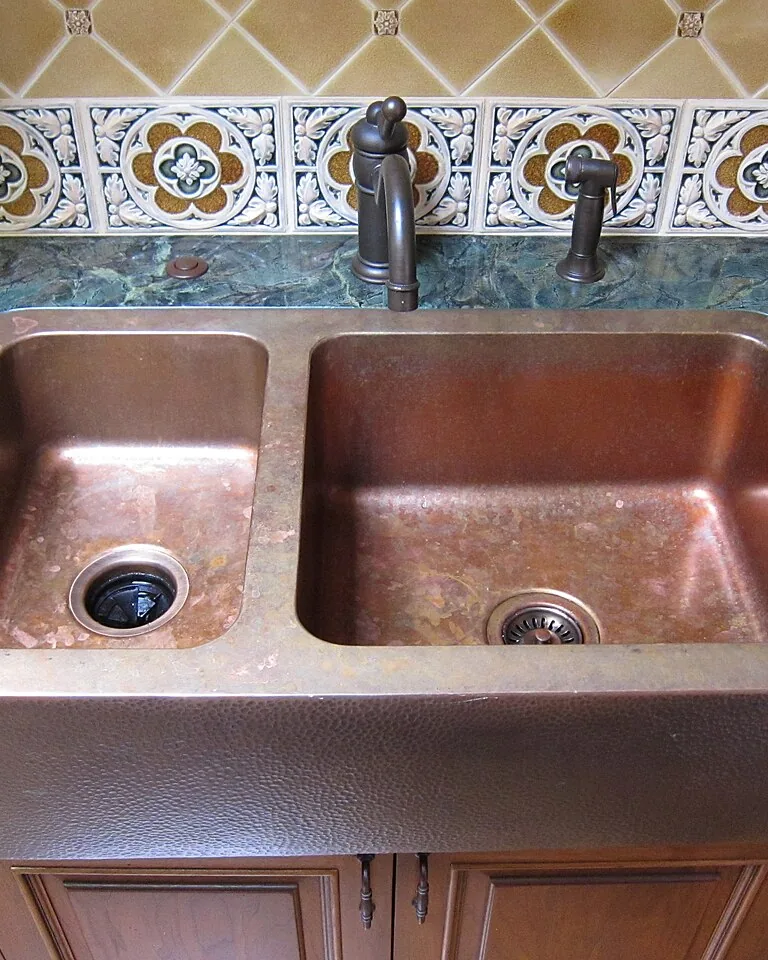
A white apron-front farmhouse sink set under a window turns the most-used spot in the kitchen into a moment of character. The thick, furniture-like profile breaks up flat cabinet runs, and pairing it with a vintage-inspired faucet in brass or bronze doubles the warmth. If a full sink swap isn’t in the cards, a copper-toned basin or even a warm-metal faucet on your existing sink gets you halfway there.
Practical tip: Farmhouse sinks pair naturally with the modern farmhouse look — if your home leans that way elsewhere, the kitchen will feel connected to the rest of the house.
9. Vary the Sheens: Matte Cabinets, Satin Trim, Glossy Tile
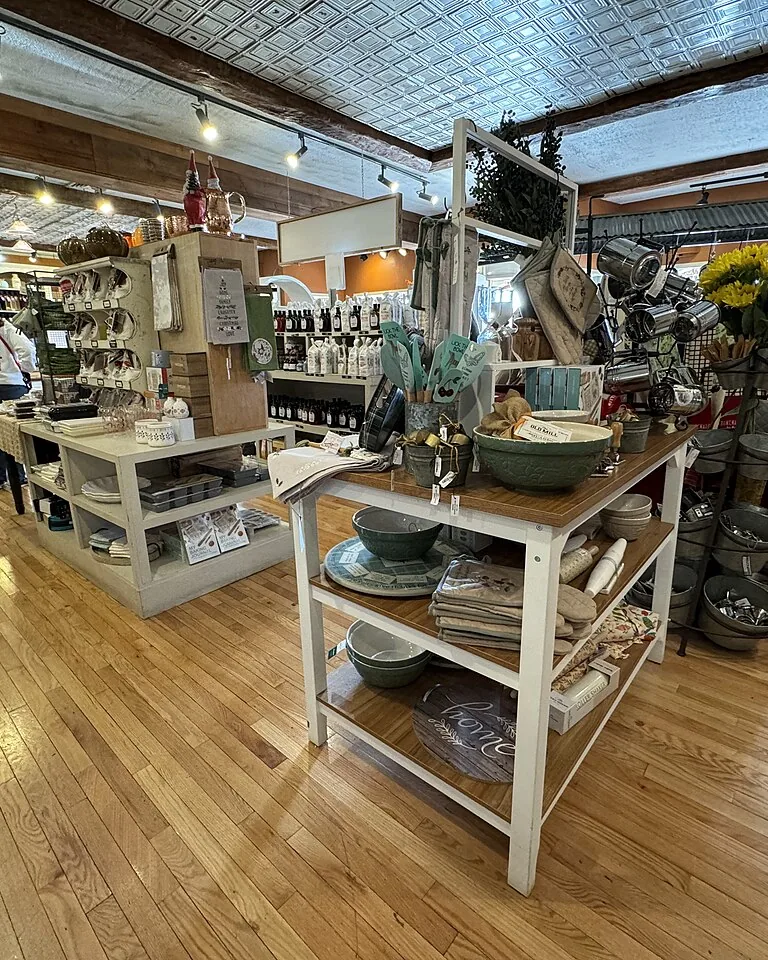
An all-white kitchen feels flat when everything shares one sheen. The designer trick is to mix finishes on purpose: matte or eggshell on the walls, satin on the cabinets, and something glossy — tile, a lacquered range hood, glass pendants — to bounce light around. Those shifts in how light hits each surface keep white lively without adding a single drop of color. Just keep heavy texture away from the cooktop, or commit to a good range hood and regular wipe-downs.
Practical tip: Matte cabinet paint shows fewer reflections but can mark more easily — choose a durable, scrubbable formula.
10. Bring In Greenery and Herbs
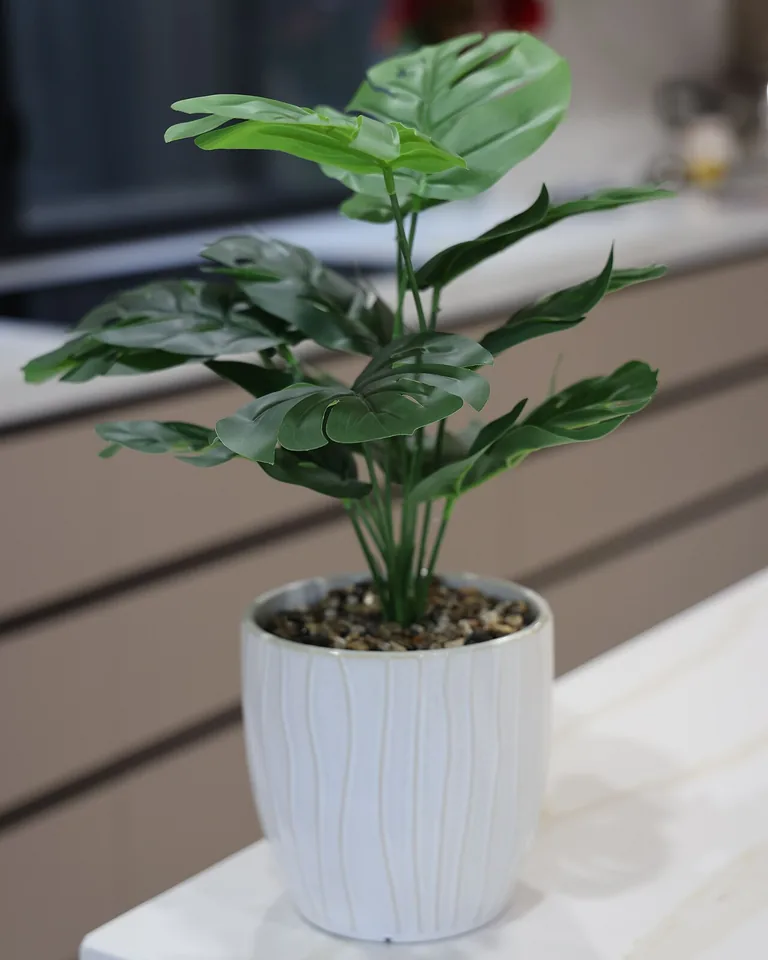
Nothing cuts sterility like something alive. A potted herb on the counter, a trailing pothos on an open shelf, or a vase of eucalyptus stems adds organic shapes and green tones that contrast beautifully with crisp white. If your kitchen gets poor light or you’re a chronic plant killer, high-quality faux greenery gives you the same visual warmth with zero upkeep — just dust it occasionally so it keeps looking real.
Practical tip: Herbs pull double duty: basil, thyme, and rosemary look good on a sunny sill and go straight into dinner.
11. Soften With Woven Baskets and Natural Texture

White kitchens are full of hard surfaces — stone, tile, lacquer, steel. Woven baskets, a jute runner, linen cafe curtains, or a wooden bread box introduce the soft, fibrous textures that make a room feel touchable. A basket corralling produce on the counter or holding linens on a shelf adds the “someone lives here” layer that showroom kitchens lack. Stick to natural tones — seagrass, rattan, unbleached linen — so the texture warms without adding visual noise.
Practical tip: Seasonal swaps keep it fresh: a bowl of lemons in summer and mini pumpkins in fall give open shelves a reason to change — see our curated Halloween decor ideas for the autumn version.
12. Add One Dark Punctuation Mark
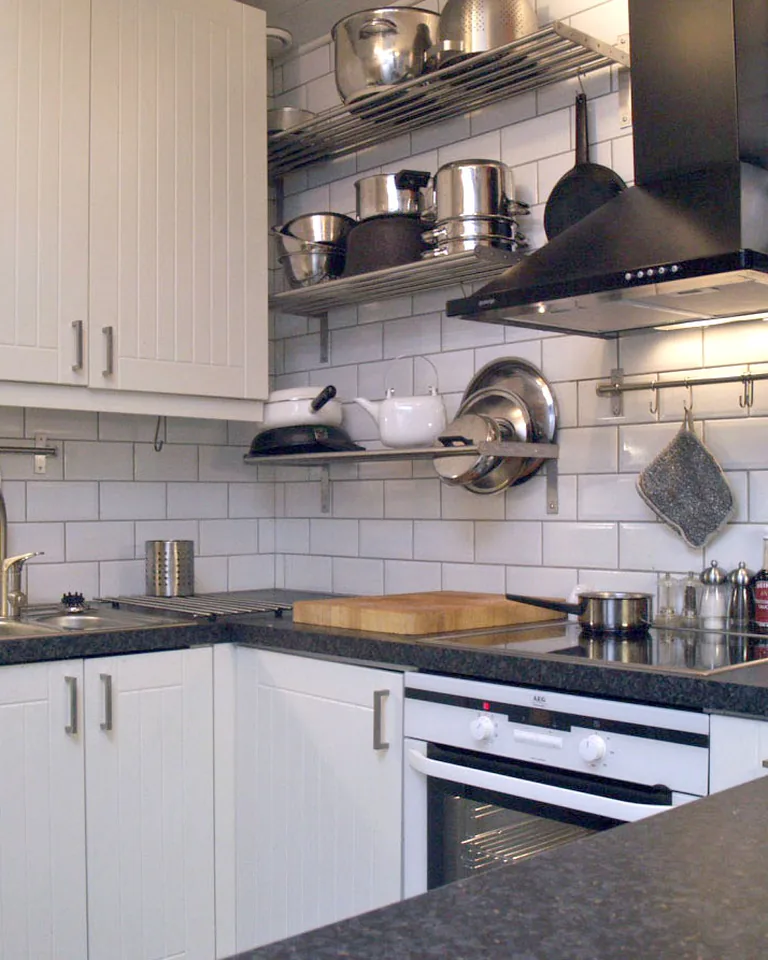
The boldest move on this list is also the simplest: one dark element. Matte black cabinet pulls, a black-framed window, dark-stained stools around the island, or a single charcoal accent wall. Against all that white, a controlled hit of darkness creates contrast and depth — the same reason a period at the end of a sentence makes the words before it land. Keep it to one or two dark moments; more than that and you’re designing a different kitchen.
Practical tip: This dark-as-punctuation trick works in small rooms too — it’s the same contrast logic behind a moody half bathroom, just used with restraint.
Frequently Asked Questions
How do you make a white kitchen feel cozy?
Layer in texture and warm accents rather than more white: woven baskets, wood countertops or shelves, warm 2700K lighting, and earthy tones in styling. The goal is contrast — one warm anchor (usually wood), one warm metal (like brass hardware), and one soft element (a runner or linen shade) will transform the feel without touching the cabinets.
How can I make my white kitchen interesting?
Give the eye places to land: a veined stone countertop, handmade-look backsplash tile, an apron-front sink, or styled open shelves with ceramics and greenery. Interesting white kitchens mix materials — wood, stone, woven fibers — instead of relying on color, so the room stays calm but never boring.
How do you style a white-on-white kitchen so it feels warm?
Build depth with finishes, not color. Mix matte walls, satin cabinets, and glossy tile; add natural wood floors or shelves; choose warm lighting and a few organic accessories like plants or wooden boards. Keep the styling edited — a few deliberate warm touches beat a crowded countertop every time. If your walls need a soft backdrop for all that white, warm beige color pairings show how creamy neutrals sit next to white without going yellow.
Image credits: photography via Wikimedia Commons — “Blue white kitchen interior” (CC0); “Woman organizing shelves in cozy wooden kitchen,” “The kitchen showcases a warm wooden interior,” and “Small kitchen with cooking tools and jars” (CC BY 2.0); “DSC 8561 gold and white faucet,” “Open-shelved compact black and white kitchen” (×2), “Modern faux plant in white pot,” “Marble for Countertops 01,” and “The Old Mill Farmhouse Kitchen” (CC BY-SA 4.0 / CC BY 4.0); EFTA kitchen series (public domain); “Woven baskets and bags market stall, Ghana” (CC0); “Double Basin Copper Farmhouse Sink” (CC BY-SA 2.0); “Terrytown Louisiana Kitchen Interior” (CC BY-SA 4.0).