
Stylish Pet Accessories That Double as Home Decor: 10 Design-First Ideas
Yes — your pet’s things can actually look like decor. The trick is simple: stop buying pet gear and start buying furniture that happens to be for your pet. Match colors to your palette, hide the function, and give every item a styled spot, and the litter box, crate, and toy pile read as intentional design instead of clutter.
1. Hide the Litter Box Inside a Furniture Cabinet
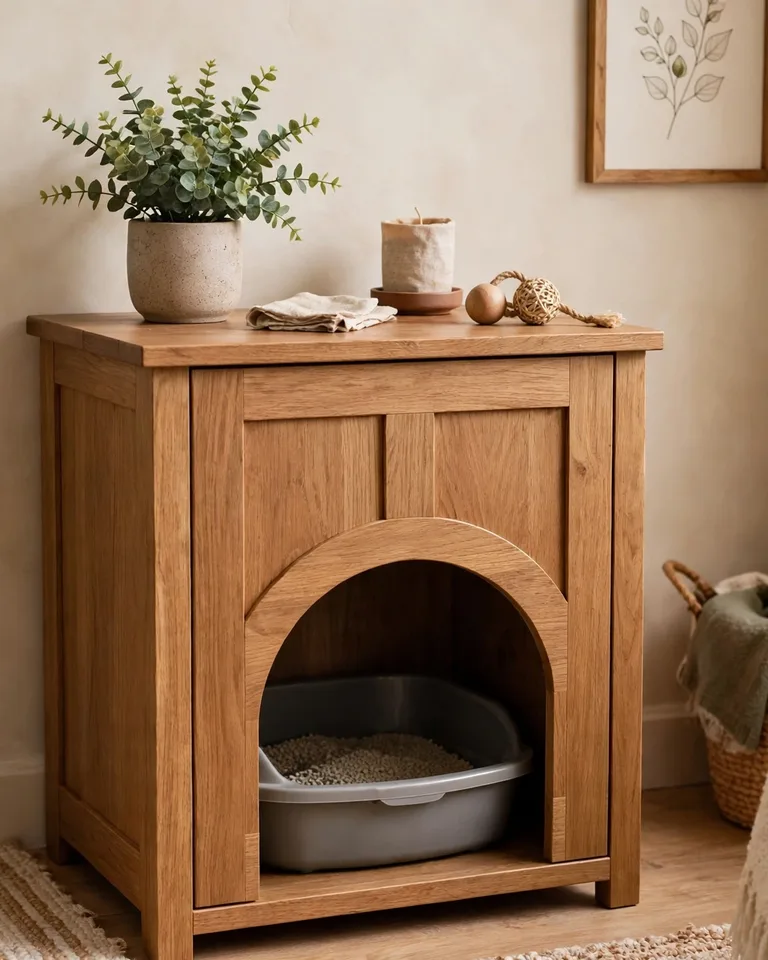
A plastic litter box in the corner is the fastest way to make a styled room feel accidental. Swap it for a litter-box enclosure cabinet: from the outside it’s a side table or console; inside is the box, with a cut-out entry for the cat. Choose a cabinet in wood tone or painted finish that matches your other case goods so it disappears into the furniture plan. The top becomes usable surface — lamp, stack of books, a small plant — which sells the disguise. Scoop daily through the lift-up lid so the pretty cabinet doesn’t just hide odor, it never produces it.
2. Swap the Wire Crate for a Furniture-Style Dog Crate
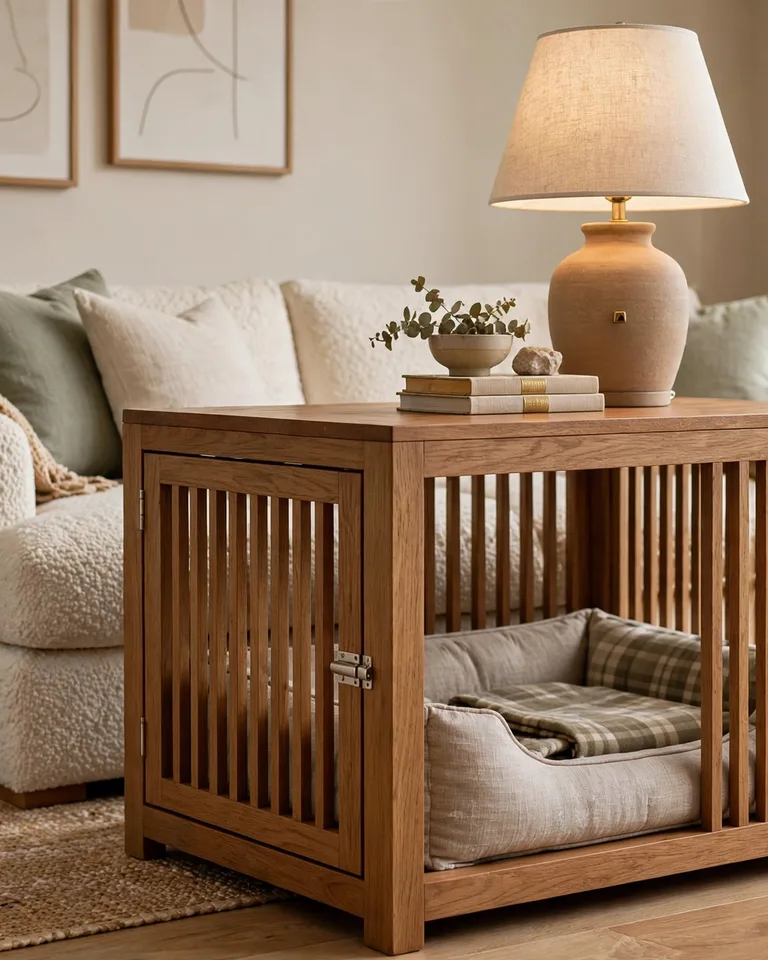
Nothing screams “pet zone” like a black wire crate in the middle of the room. Furniture-style crates are built with wood frames, slatted or mesh sides, and a finished top — they read as end tables, consoles, or nightstands while doing the same job. Size it to your dog with enough room to stand and turn; many designs come apart flat for cleaning. In a living room, tuck one beside the sofa as an end table with a lamp on top. The crate stops being something you hide when guests come and becomes a piece you’re happy to keep out.

3. Elevate Feeding With a Ceramic-and-Wood Bowl Station
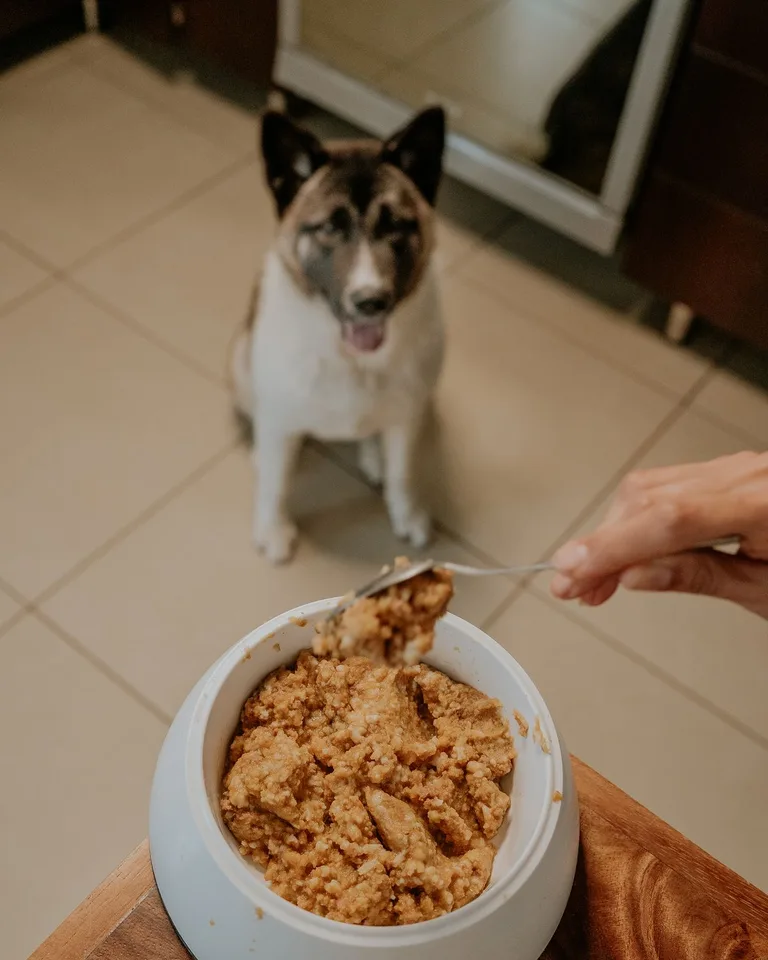
Stainless bowls skidding across the kitchen floor look like leftovers from a kennel. A raised stand in wood with ceramic bowls on top turns mealtime into a considered corner: the stand matches your cutting boards or furniture legs, the bowls rinse clean in seconds, and the slight elevation is easier on big dogs’ necks. Park the station on a washable mat in one fixed spot — a kitchen drop zone handles this perfectly — so feeding always happens in the same tidy place instead of migrating around the kitchen.
4. Corral Toys in a Woven Basket That Matches Your Decor

Toys scattered across the floor are visual noise; toys in a beautiful basket are a styling choice. Pick a woven seagrass, cane, or fabric basket that matches your throw blankets and storage baskets, and park it wherever your pet actually plays. The rule that makes it work: the basket is the toys’ only home, so one quick toss resets the room in seconds. Rotate what’s inside every week or two — hidden toy storage elsewhere keeps the spares out of sight — and the novelty keeps your pet interested without buying more.
5. Choose a Dog Bed That Looks Like Real Furniture

The oversized beanbag-style bed in clashing fabric drags any room down. Elevated daybed-style dog beds with wooden frames and tailored cushions look like miniature mid-century furniture — and many cost less than the lumpy designer ones. Pick a cushion fabric in your palette (performance fabric if your dog sheds heavily) and choose a bed with a removable, machine-washable cover. Place it where your pet already likes to settle — near the sofa, by the window — because a beautiful bed your dog ignores is just decor.
6. Turn the Leash Drop Zone Into an Entryway Vignette

Leashes draped over a doorknob are the entryway equivalent of a junk drawer. Mount a small row of hooks or a slim wall organizer by the door and the walk gear becomes part of the entry station: leash, harness, poop-bag holder, treat pouch, all in a 12-inch-wide vertical strip. Match the hooks’ finish to your doorknobs or light fixtures so it reads as hardware, not pet clutter. Hang the leash up the second you walk in — the system only works if returning the leash is as automatic as taking your shoes off.

7. Style Wall-Mounted Cat Shelves Like Gallery Art

Carpeted cat towers in beige are an eyesore no throw pillow can fix. Wall-mounted wooden perches and steps, installed in a deliberate arrangement, double as vertical wall art while giving your cat the climbing route it actually wants. Plan the layout like a gallery wall — stagger heights, align edges — and choose wood tones that match your shelving or frames. Your cat gets exercise and a perch with a view; you get a wall that looks designed, not decorated around a cat.
8. Display Treats in a Vintage-Style Jar Instead of the Bag

The crinkly treat bag on the counter is packaging, not decor. Decant treats into a glass jar with a lid — vintage-style, apothecary, or simple mason — and it becomes a countertop object that happens to hold dog biscuits. Keep it near the feeding station or entryway for training rewards on the go. One caution: an airtight lid keeps treats fresh longer than a clipped bag, and it keeps clever noses from helping themselves. Label the lid if you have kids who might mistake them for cookies.
9. Give Grooming Gear a Slim Cabinet of Its Own
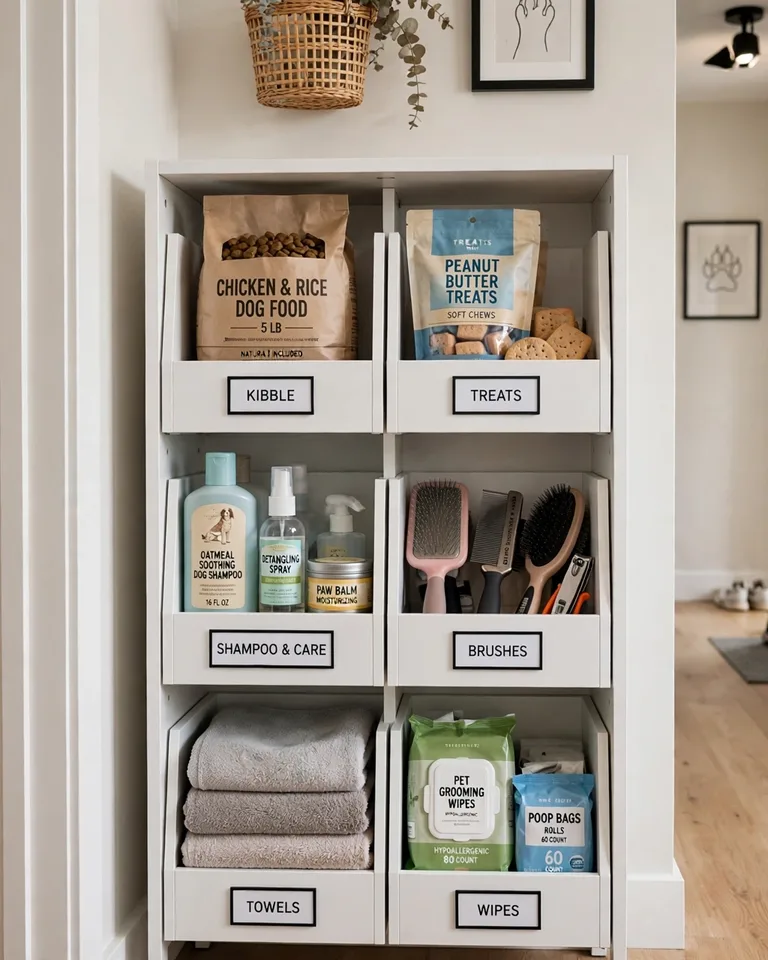
Brushes, nail clippers, shampoo, and spare food bags colonize closets fast. A narrow storage cabinet — even a slim bookshelf with bins — near your pet’s area keeps it all in one vertical footprint. Pegboard inside the door hangs brushes and clippers where you can see them; bins below hold food and treats. The closed door means nobody sees the clutter, and the single location means you’re never hunting for the brush while the dog is already on the couch.
10. Style a Pet Corner Like a Vignette, Not a Storage Spot

The final move: stop scattering pet items across the room and compose one corner deliberately. A bed, the toy basket, a piece of small art or a framed pet portrait above, and maybe a washable rug underneath — the same ingredients as any styled nook, just pet-sized. This works especially well in minimalist living rooms, where one intentional cluster reads calmer than five stray items. And for the inevitable wash days, washable fabrics everywhere keep the vignette looking styled instead of smelling like a kennel.
FAQs
How do I integrate pet items into my home decor?
Match pet gear to your existing palette and materials, hide functional items inside furniture-style pieces, and give every item one fixed spot. Consistency in color, texture, and placement is what makes pet items read as decor instead of clutter.
Where should I store leashes, treats, and pet supplies?
Give each category a home: wall hooks by the door for leashes, a sealed jar on the counter for daily treats, and one cabinet or bin for food and grooming gear. When every item has a spot, putting things away takes seconds.
How can I hide a litter box in a small space?
Use an enclosure cabinet that doubles as a side table or console — it hides the box completely while giving you usable surface. Add a litter-trapping mat under the entry cut-out to keep granules contained.
What minimalist pet accessories work best in a stylish home?
Neutral-toned beds, ceramic feeding bowls, simple leather leashes, woven toy baskets, and furniture-style crates. Pieces with clean lines and muted colors blend into modern interiors without shouting “pet store.”
How do I keep pet toys from taking over the living room?
Keep one basket in the room as the toys’ only home and store the rest out of sight. Rotate the selection weekly so the toys feel new to your pet, and do a 30-second toss-back into the basket each evening.