
12 Kitchen Drop Zone Ideas to Keep Clutter Off Your Counters
A kitchen drop zone is a small, intentional landing spot near the door you actually use — the back door, the garage entrance, the side door — where keys, mail, chargers, bags, and shoes get a permanent home instead of spreading across your counters. If your kitchen island has become the default dumping ground for everything that enters the house, a drop zone is the fix: it gives every daily item a place to return to, so the kitchen stays a place for cooking.
The best drop zones work because they are designed around your routine, not a catalog photo. Watch how you move for a week. Where do the keys land? Where do the shoes come off? Where does the mail die? That is where your drop zone belongs — and it can be as small as a single wall strip or as built-up as a bench with storage. The ideas below cover the full range, from renter-friendly no-drill setups to weekend built-ins, so you can match the scale to your space and your lease.

Before you buy anything, decide what is allowed in the zone. A drop zone earns its keep with a short, fixed list: keys, wallet, sunglasses, phone chargers, incoming mail, one bag or coat per person, shoes currently in rotation. Anything else — the random receipts, the half-read catalogs, the third water bottle — belongs somewhere else. Keep the list short and the zone works; let it grow and it becomes another junk drawer with a view. The same “fixed list” thinking that makes very small entryways functional applies here: boundaries are the entire system.

Also think about the reset. Every good drop zone needs a thirty-second end-of-day reset: mail into the sorter, keys in the tray, bags on their hooks. If your setup makes resetting harder than dropping — lids that stick, hooks that are too high for the kids — the pile wins. Choose furniture and organizers that are easier to use than the countertop you are trying to protect.

A Floating Shelf Instead of a Table

A floating shelf is the drop zone for people with no floor space to spare. Mounted at counter height beside the door, it holds a tray for keys, a small upright file for mail, and a charging cord — all without legs to dust around or a table that swallows half a hallway. Two sturdy brackets into a stud are enough for a light shelf, and a pair of corbel-style brackets costs less than a small console.
The real advantage is psychological: a shelf this narrow cannot accumulate much. When it is full, you see it immediately, and the visual cue forces the reset. Keep it to one shelf, maybe two if you have vertical room, and resist the urge to stack. If you are working with a genuinely tight footprint, the same slim-thinking approach in our apartment entryway ideas shows how a single surface can carry a whole landing zone.
A Magnetic Key Ledge That Grabs Keys in One Motion

Keys are the number-one drop-zone resident, and a magnetic ledge or rail treats them like they deserve. A narrow wooden ledge with a magnetic strip underneath holds keys, a key fob, and sunglasses — things you can slap into place with one hand while carrying groceries. It beats a tray for one reason: there is no opening to miss, so keys actually make it home in the dark.
Mount it right beside the door you use most, at a height everyone reaches comfortably — including kids old enough to have their own house key. Small strips are available with adhesive backing strong enough for a few keys, which makes this one of the easiest no-drill wins on the list. Pair it with a labeled hook for each family member’s work bag or school lanyard and the whole morning-exit routine gets measurably calmer.
A Repurposed Bread Box as a Hidden Charging Station
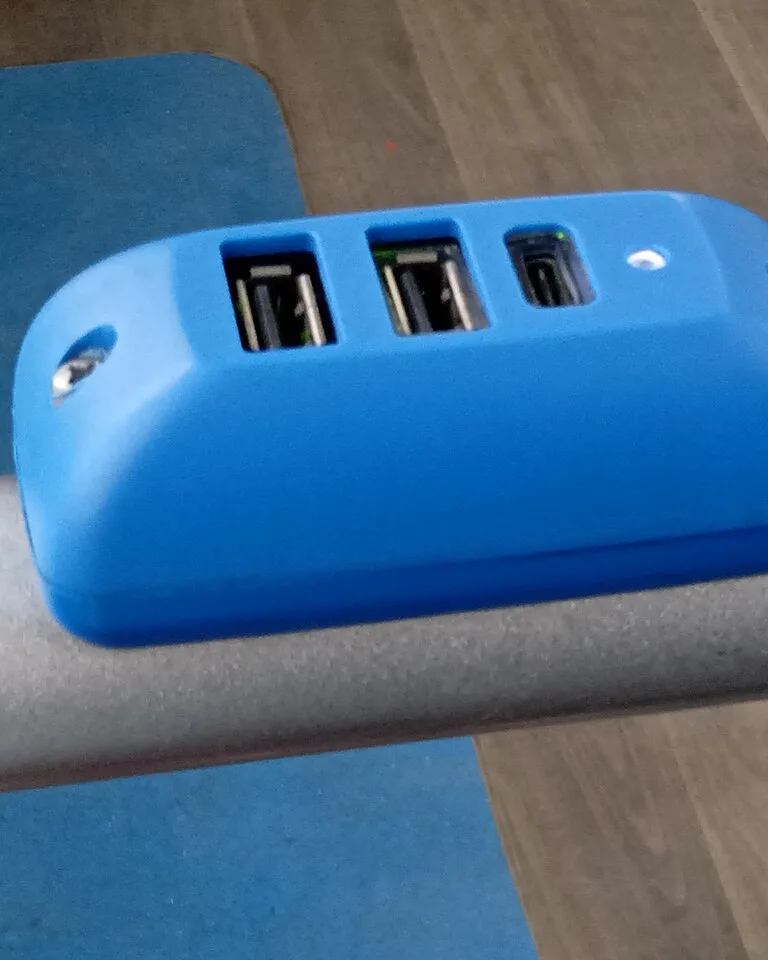
A bread box with a roll-top or lift lid makes a surprisingly good charging station. Run a power strip inside, coil the cables, and devices charge out of sight on the shelf above your drop zone — no drawer rewiring, no electrician, no drilled holes. When the lid closes, your kitchen still looks like a kitchen instead of a phone store.
This is the renter-friendly charging solution: it needs nothing but an outlet and five minutes. Cut or remove a small notch in the back for the power cord, drop in a short multi-port USB brick, and each device gets its own spot so earbuds and watches stop vanishing. If your lease forbids any drilling at all, browse our renter-friendly upgrades for more no-holes organizing ideas that use the same adhesive-and-shelf logic.
Kid-Height Hooks With a Labeled Cubby Row
A drop zone fails for families when only the adults can reach it. Mount a second row of hooks at kid height — roughly 36 inches for grade-schoolers — and pair them with a low cubby shelf for lunchboxes, library books, and the permission slip that has to go back tomorrow. Each child gets one hook and one cubby, labeled with their name or a color dot.
This is what actually smooths out school mornings: the backpack is packed the night before and hangs in the same spot, shoes sit in the cubby below, and nothing requires a search party. Keep the grown-up hooks above so the system scales as they grow — move the kid row up a notch every couple of years. One hook per person also keeps the wall from turning into a coat landslide, which is the most common way family drop zones die.
A Three-Slot Mail Triage: Today, This Week, File
Mail piles up because “deal with it later” has no structure. A three-slot sorter fixes that with slots labeled Today, This Week, and File. Bills and anything with a deadline go in Today. Catalogs and school notices go in This Week, which you clear on a fixed day — say, Sunday. Finished paperwork goes in File, a folder tucked into a cabinet, and leaves the zone entirely.
The rule that makes it work: the Today slot gets emptied every single day, even if “emptied” means scheduling a payment on your phone and recycling the envelope. A wall-mounted file takes zero counter space and costs very little, but a simple desktop organizer works just as well on a floating shelf or console. The magic is not the product — it is the habit of processing mail once daily instead of shuffling a growing stack for a month.
A Storage Bench at the Garage-to-Kitchen Door

If your household comes in through the garage, that door is your true front door — and it deserves the drop zone. A storage bench placed there does three jobs: a seat for pulling on shoes, hidden storage inside for bags and seasonal gear, and a surface up top for the key tray and a small bin for sunglasses. A boot tray beside it catches wet shoes and keeps the kitchen floor clean.
Choose a bench with a hinged lid rather than sliding doors; hinged lids stay open hands-free while you load and unload, which sounds minor until you are carrying two bags and a toddler. For the full treatment of this hardworking space — flooring that handles mud, lighting, gear storage — see our garage mudroom ideas, which pair naturally with any kitchen-adjacent drop zone.
A Pegboard Painted to Match Your Cabinets

Pegboard is the most flexible drop-zone wall you can build, but raw brown pegboard can look like a garage snuck into the kitchen. The fix takes an hour: paint the board the same color as your cabinets or a shade darker, and it reads as a deliberate design panel instead of hardware store surplus. Standard peg hooks then hold reusable tote bags, a small basket for mail, the dog leash, and a calendar.
Because hooks reposition in seconds, the layout evolves with your routine — add a basket when school starts, move the tote hook lower for the kids, hang a small wreath on it in December. Mount it with a half-inch spacer behind it so hooks seat properly, and size the panel to the wall rather than the other way around; a floor-to-shelf panel makes even a narrow strip of wall feel designed.
A Family Command Corner With Calendar, List, and Outgoing Mail

The drop zone handles things; the command corner handles information. Dedicate one wall panel to a monthly calendar, a tear-off grocery list pad, and a single clip or pocket for outgoing mail — letters, library books, the return package. This is where “remember to” lives, visible at the exact moment you walk out the door.
A magnetic board doubles as a spot for the kids’ artwork rotation, which keeps the fridge front clear and the art contained. Good lighting matters here more than anywhere else in the zone — a small battery puck light or a wall sconce above the board makes it readable at 6 a.m. If you are planning lighting for a hallway or entry anyway, our hallway lighting ideas cover sconces and placements that work for command corners too.
A Slim Pull-Out Cabinet for Brooms and Cleaning Tools

The dead 6-to-9 inches beside a doorway or between cabinets is the perfect width for a pull-out cleaning cabinet. On ball-bearing slides, a narrow tall unit holds a broom, a mop, a dustpan, and spray bottles in one vertical stack — every tool visible and grabbable, nothing buried behind the vacuum in a dark closet.
Because everything is upright and ventilated, wet mop heads dry instead of souring, and a small drip tray at the base catches the rest. Line the back with hooks for microfiber cloths and keep a caddy of daily cleaners on the middle shelf; wiping the drop zone itself becomes a two-minute job instead of a production. If you are already opening walls or ordering cabinets, spec this unit into the plan — retrofitting one into a blank wall cavity is also a very manageable weekend project.
A Pet-Walk Station With a Treat Jar

Pet gear is drop-zone clutter with a heartbeat: the leash, the treat pouch, the waste-bag roll, the towel for muddy paws. Give it one hook for the leash and harness, a small lidded jar for treats, and a basket or hook for the walking towel — all at the door you use for walks. The jar earns its place: a treat on return builds the habit of the dog coming straight to the station, which means less leash-drag through the kitchen.
Keep a few waste bags on a carabiner clipped to the leash itself so forgetting them is nearly impossible. If muddy paws are a regular event, park a washable mat or boot tray right at the station and add a small container of pet wipes. The whole setup takes one wall hook and a shelf edge, but it removes the daily leash hunt from your mornings.
A Seasonal Rotation Tote System
Drop zones die by accumulation: the sunscreen lingers into November, the scarves linger into June. A seasonal rotation fixes it with labeled totes — one per season — stored in a closet or garage, holding the gear the zone does not currently need. Four times a year, spend twenty minutes swapping: out go the flip-flops, in come the gloves, hats, and the ice scraper.
This keeps the drop zone to exactly the items in active use, which is the difference between a system and a storage room. Label the totes clearly and keep the current season’s spares (an extra umbrella, the backup gloves) in a single basket at the bottom of the zone. Small-space households can run the same system with one tote instead of four — the swap still matters more than the container count.
A Behind-the-Door Nook for Dead Space

The back of the entry door and the narrow wall return beside it are usually wasted space — claim them. A slim over-the-door hook rack holds jackets and the reusable shopping bags you always forget, while a 4-inch-deep shelf on the adjacent wall return catches keys and sunglasses. Over-door racks need zero tools and move with you if you relocate.
This nook shines in kitchens where the drop zone shares a wall with the cooking area, because it keeps the grab-and-go gear off the counter entirely. Watch the door swing clearance when you choose a rack — pick one with low-profile hooks if the door closes against a wall. For open layouts where the kitchen flows straight into living space, the same dead-space thinking in our open-concept kitchen upgrades helps keep the transition zone feeling intentional instead of improvised.
Frequently Asked Questions
How do you create a drop zone?
Start with the door you use most, then give every daily item a fixed home: hooks for bags and coats, a tray or ledge for keys, a sorter for mail, a charging spot, and a place for shoes. Keep the allowed item list short — keys, mail, chargers, one bag and coat per person — and build a thirty-second end-of-day reset into the routine. The ideas above cover every piece; pick the ones that match your space and lease.
Is a drop zone the same as a mudroom?
Not quite. A mudroom is a room — often with a washer and dryer, a sink, and space to clean up properly after coming in dirty. A drop zone is smaller and simpler: a designated landing spot near an entrance for the things you carry in and out daily. A mudroom can contain a drop zone, but most drop zones live in a kitchen corner, hallway wall, or garage entrance with no dedicated room at all.
What is a drop zone in a house?
It is a designated area near an entrance where you place everyday items when you arrive home — keys, wallet, mail, bags, coats, shoes, chargers. Its job is to keep that clutter off kitchen counters, dining tables, and floors, and to make everything easy to find when you leave. In practice, it is usually a combination of hooks, a shelf or bench, a tray, and a mail sorter sized to the space.
Where should you put a drop zone?
At the entrance your household actually uses most often — for many homes that is the kitchen door or garage entrance, not the formal front door. Good options include a kitchen wall or corner near the back door, a hallway section, the garage-to-house doorway, or even a narrow stretch of wall with a shelf and hooks. If you are short on options, a single shelf with hooks beside any door works.
What should you keep in a drop zone?
Only the items that regularly travel in and out with you: keys, wallet, sunglasses, phone and chargers, incoming and outgoing mail, handbags, backpacks, lunch boxes, coats, hats, umbrellas, the shoes you are currently wearing, and pet walking gear. The rule of thumb: if it does not leave the house weekly, it does not belong in the drop zone — it belongs in real storage.
A kitchen drop zone is one of the highest-return small projects in a home: a weekend, a handful of hooks and shelves, and the counters stay clear for good. Start with the two or three ideas that solve your biggest daily friction — usually keys, mail, and charging — get those working, then layer in the rest. The system that survives is the one built around your actual routine, so watch how your household moves and let the zone follow.