
Hallway Lighting Ideas: 12 Ways to Brighten a Dark Corridor
Most hallways are dark because they rely on a single ceiling light to do all the work. The fix is simpler than a full rewire: layer two or three light sources, stick to warm bulbs around 2700K–3000K, and space your fixtures so no stretch of corridor goes dim. Do that, and even a windowless hallway starts to feel like a designed part of the home instead of a tunnel between rooms.
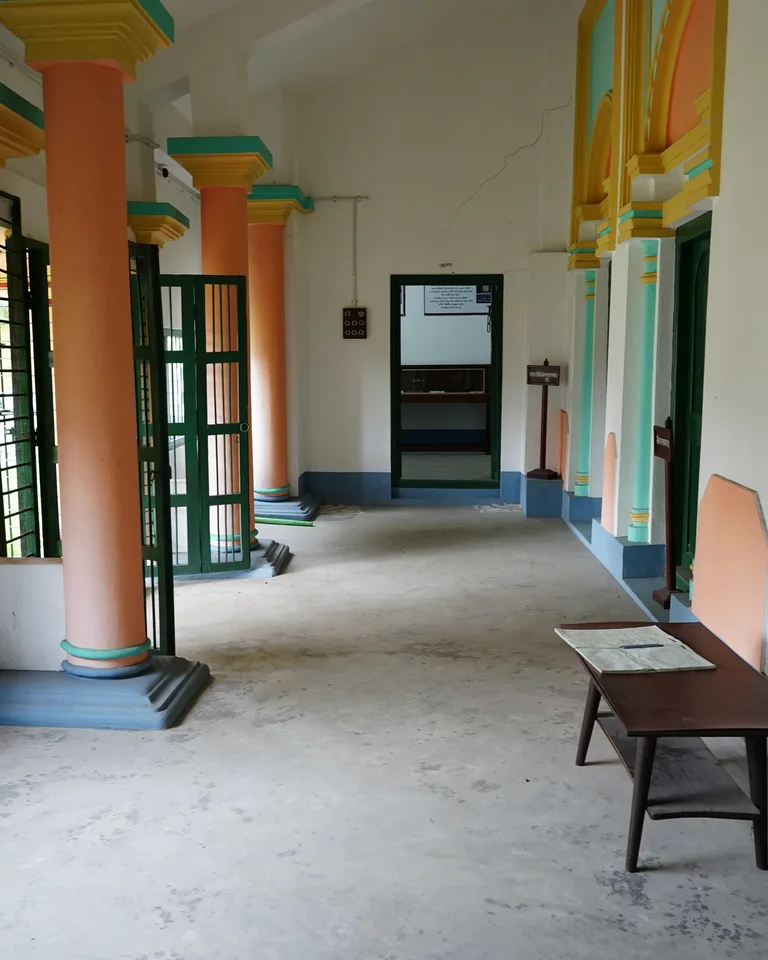
Below are 12 hallway lighting ideas that work in real homes — rentals included — from fixture spacing rules to nighttime safety tricks. Pick the two or three that fit your hallway and start there; you rarely need all of them.
Run a rhythm of lights down the length of the hall
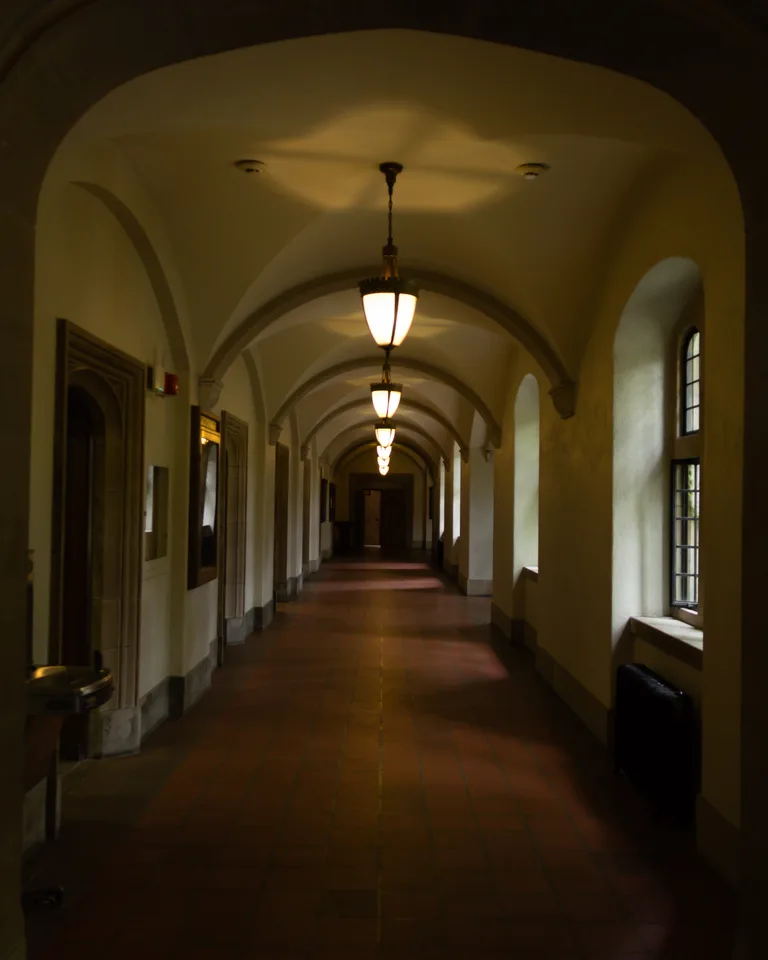
The most common hallway lighting mistake is spacing fixtures too far apart, which leaves dim gaps that make the corridor feel longer and narrower than it is. Whether you use recessed spots, small pendants, or flush mounts, keep them evenly spaced — roughly every 6 to 8 feet — so the light reads as one continuous rhythm instead of isolated pools. Walk the hall at night after installing; anywhere your shadow pools is where a fixture is missing.
Tip: Align the fixtures with doorways rather than dead-center between them, so each threshold gets its own wash of light.
Add wall sconces at eye level for a softer second layer
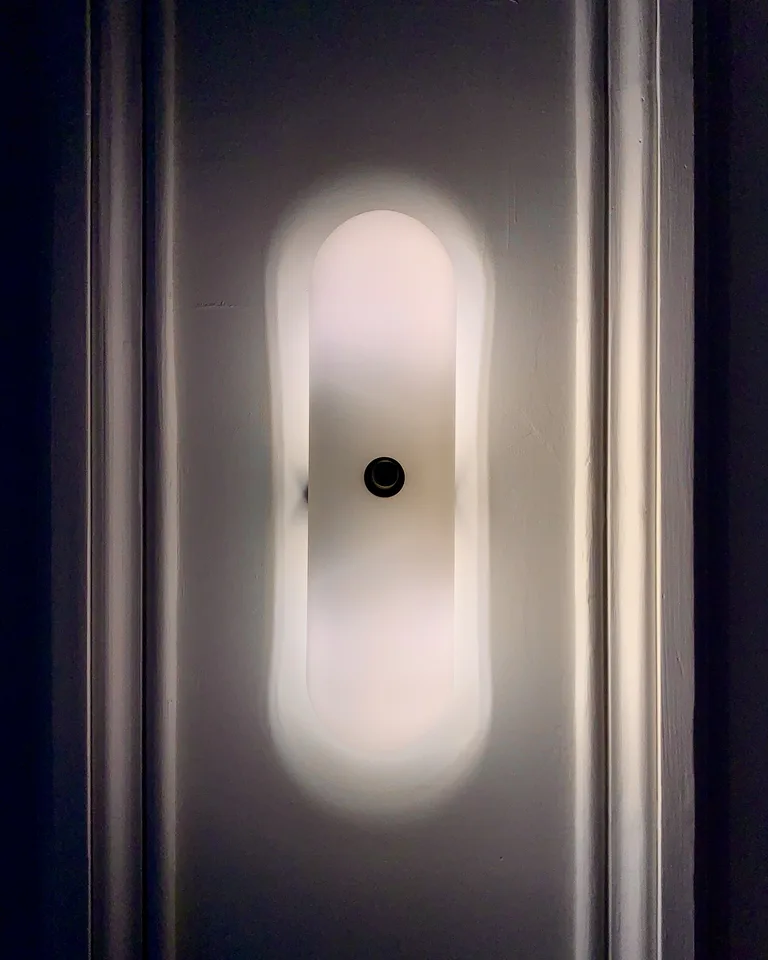
Overhead light alone tends to flatten a hallway. Sconces mounted at about eye level between doorways add a second, softer layer that gives the walls dimension — and plug-in versions need no electrician, which makes them one of the best renter-friendly upgrades you can make. Run the cord down behind a slim console or along the baseboard with cord covers so it disappears.
Tip: Choose shades that throw light both up and down the wall; the two-directional wash makes narrow passages feel noticeably wider.
Use flush mounts when ceilings are low
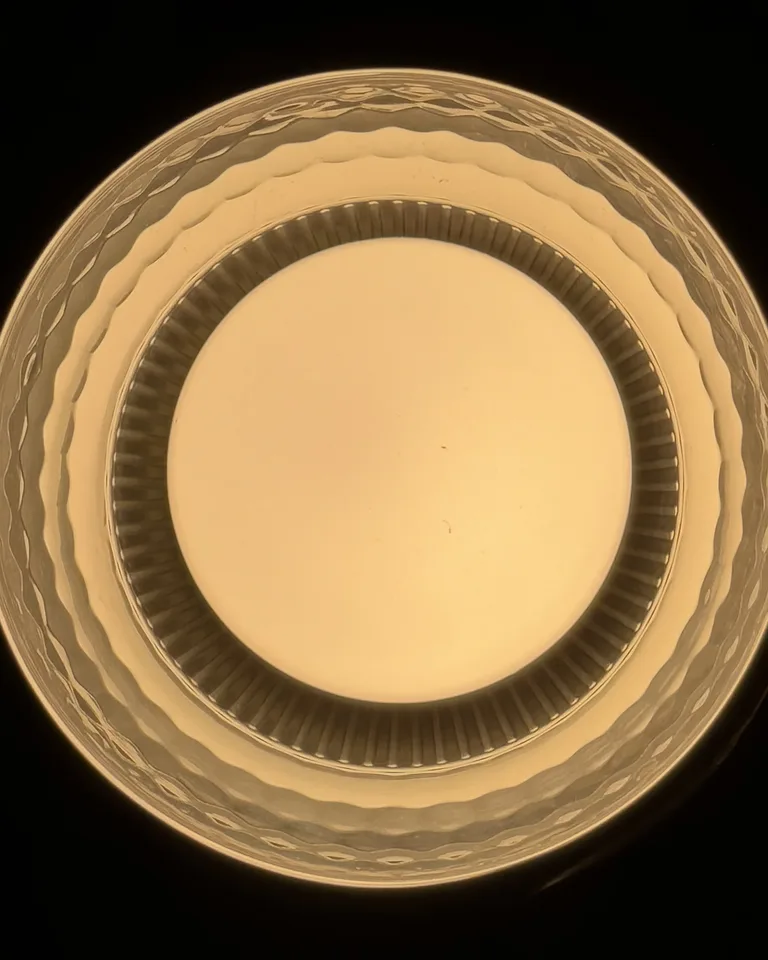
In hallways with standard 8-foot ceilings, a flush-mount fixture is the hardest-working option: it sits tight to the ceiling, spreads light broadly, and never becomes a head-bumping hazard. Pick one with a frosted diffuser rather than an exposed bulb — bare bulbs create harsh hotspots on the ceiling and leave the corners dark. If your current fixture casts a cold, bluish glow, swapping to a warm-white bulb alone can change the whole mood of the corridor.
Tip: Match the fixture’s finish to nearby door hardware so the hallway feels coordinated with the rooms it connects.
Turn the hallway into a gallery with picture lights

Hallways are natural galleries — they’re where family photos and prints actually get looked at. A slim picture light mounted above each frame (or one long bar over a gallery row) turns that art into the focal point and lets you keep the general lighting lower. Battery-operated picture lights with remotes now last months on a charge, so there’s no wiring excuse left.
Tip: Keep picture lights on a separate switch or remote from the ceiling lights so you can run “gallery mode” in the evening.
Line the baseboards with LED strips for nighttime navigation
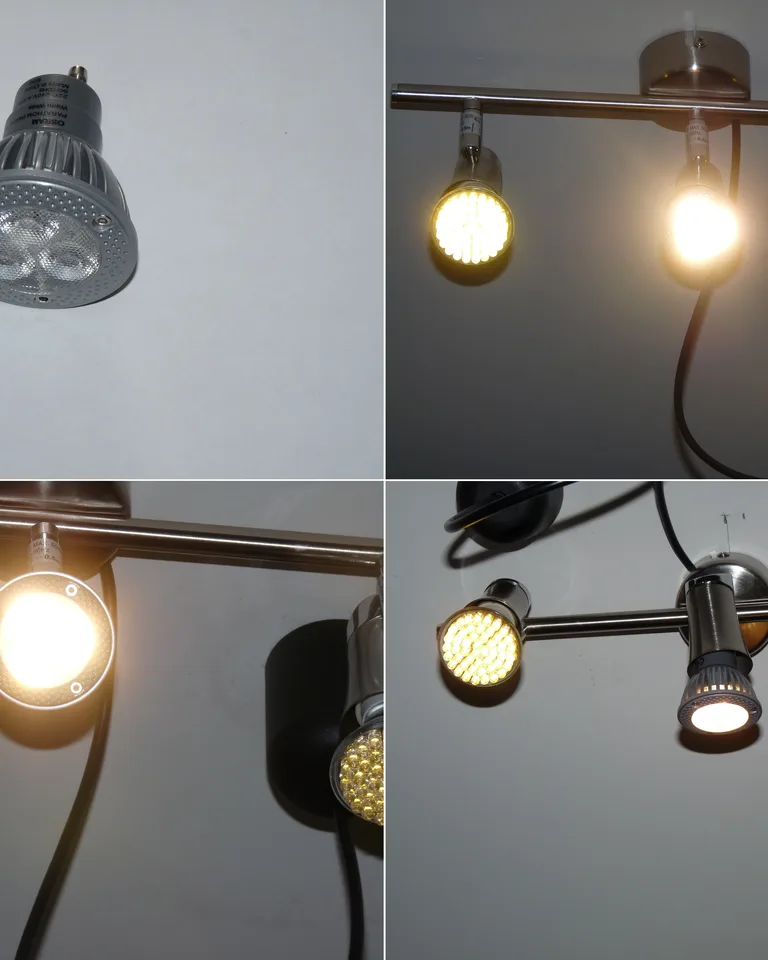
For the 2 a.m. trip to the bedroom, you don’t want overhead glare — you want a low ribbon of light that shows the floor without waking anyone up. Self-adhesive LED strips tucked along the baseboard (warm white, dimmed low) do exactly that, and they read as a subtle design detail even when off. Pair this with a clear walking path and simple under-bed storage ideas in the bedroom, and nighttime navigation gets genuinely easier.
Tip: Put the strips on a motion sensor or smart plug with a schedule so they only run after bedtime.
Pair matching sconces for symmetry and calm
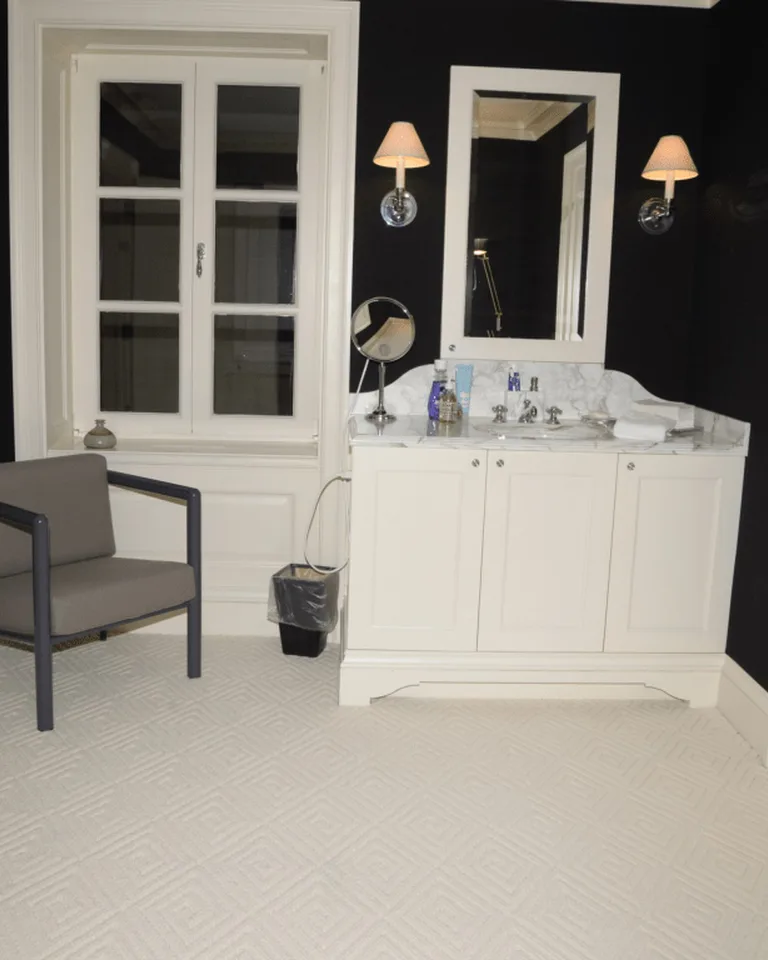
Two identical sconces flanking a mirror, a console, or a doorway bring instant order to a hallway — symmetry reads as intentional even in the plainest corridor. This works especially well in entry hallways, where the paired lights frame the transition into the home. Keep both on the same switch and the same bulb temperature so they behave as one unit rather than two competing sources.
Tip: In a very long hall, repeat the pair every 10–12 feet to create a calm, repeating beat down the corridor.

Let mirrors double whatever light you have
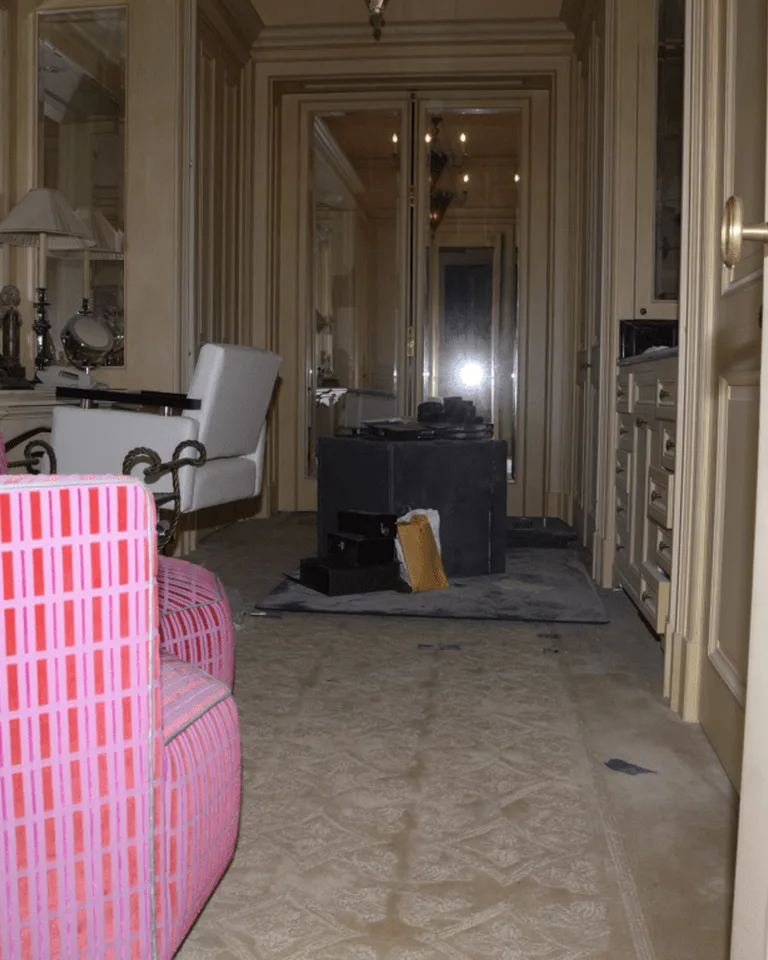
A mirror opposite or beside a sconce bounces the light back into the room, effectively giving you two fixtures for the price of one. In a dark hallway this trick punches above its weight: the reflection also creates the illusion of depth, which is exactly what a narrow corridor needs. A tall, narrow mirror suits hallway proportions best, and a backlit mirror adds its own soft halo on top.
Tip: Angle the mirror slightly so it reflects the lit wall rather than the dark end of the hallway.
Hang pendants where the ceiling allows
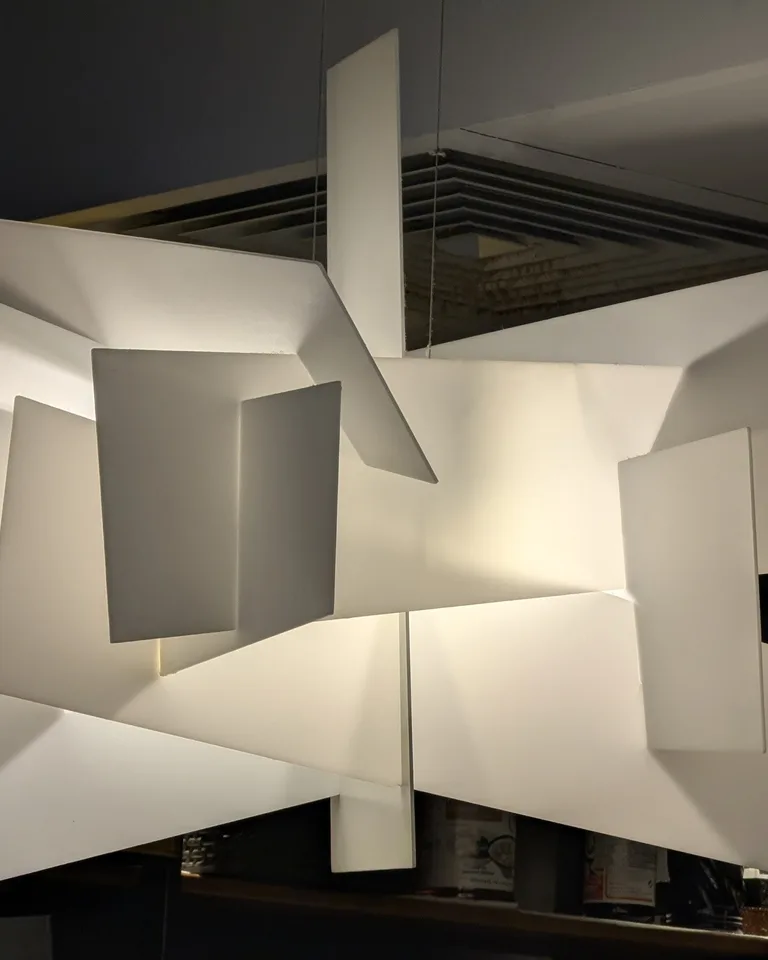
With 9-foot ceilings or higher, a pendant or two can do what flush mounts can’t: draw the eye upward and give the hallway a focal point. Hang one near each end of a long hall — over a console table or bench, ideally — to break the corridor into zones so it feels shorter. The shade matters: an opaque shade focuses light downward into a pool, while a translucent one glows all around.
Tip: Keep the bottom of the shade at least 7 feet above the floor so the walkway stays clear.
Set a small lamp on a console in wider halls
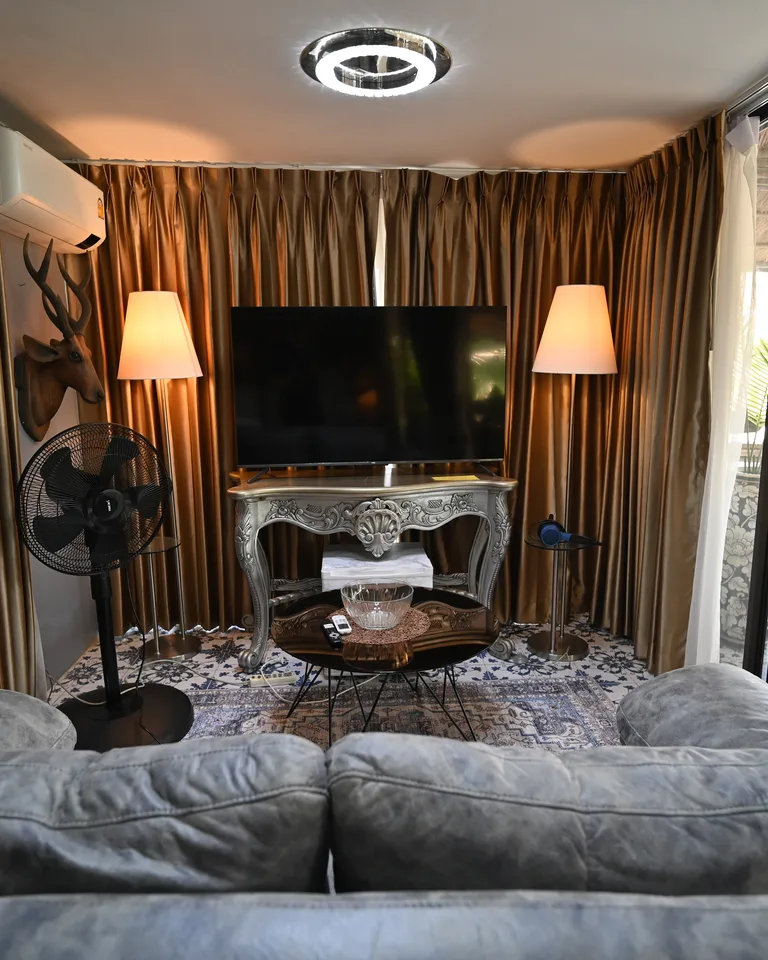
Not every hallway light needs to be hardwired. A small table lamp on a slim console instantly makes a corridor feel like a room rather than a passage, and the warm pool of light at table height balances the cooler overhead light. This works especially well in wider entry hallways, where the console also gives you a landing spot for keys and mail — a trick borrowed from small entryway ideas that translates perfectly to halls.
Tip: Use a lamp with a fabric shade; it softens the light and hides the bulb from sightlines down the hall.
Put the hallway on a dimmer
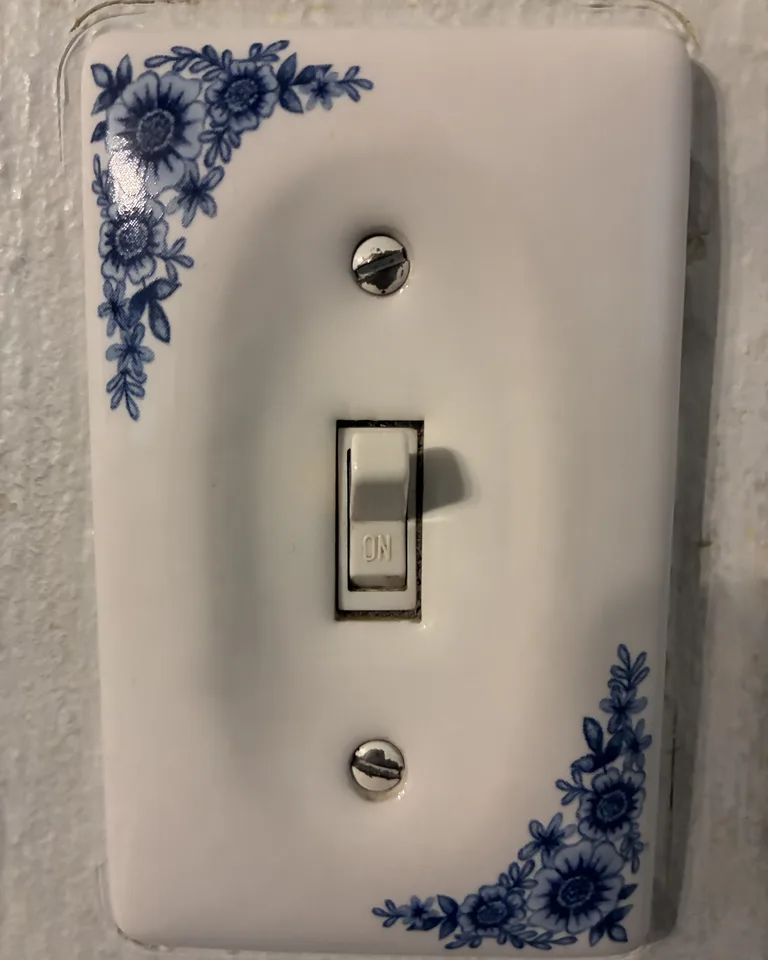
A dimmer is the cheapest way to make one set of fixtures serve two moods: full brightness when you’re cleaning or carrying laundry, and a low warm glow in the evening. Pair it with dim-to-warm LED bulbs, which shift from crisp neutral at full power to candle-like warmth when dimmed — so the hallway can feel functional at 6 p.m. and quiet at 11 p.m. If the hall opens onto bedrooms, matching the dimmed warmth to small bedroom ideas you’re using keeps the transition seamless.
Tip: Check that your LED bulbs are labeled dimmable — non-dimmable LEDs will flicker or buzz on a dimmer switch.
Add motion-sensor night lights at floor level
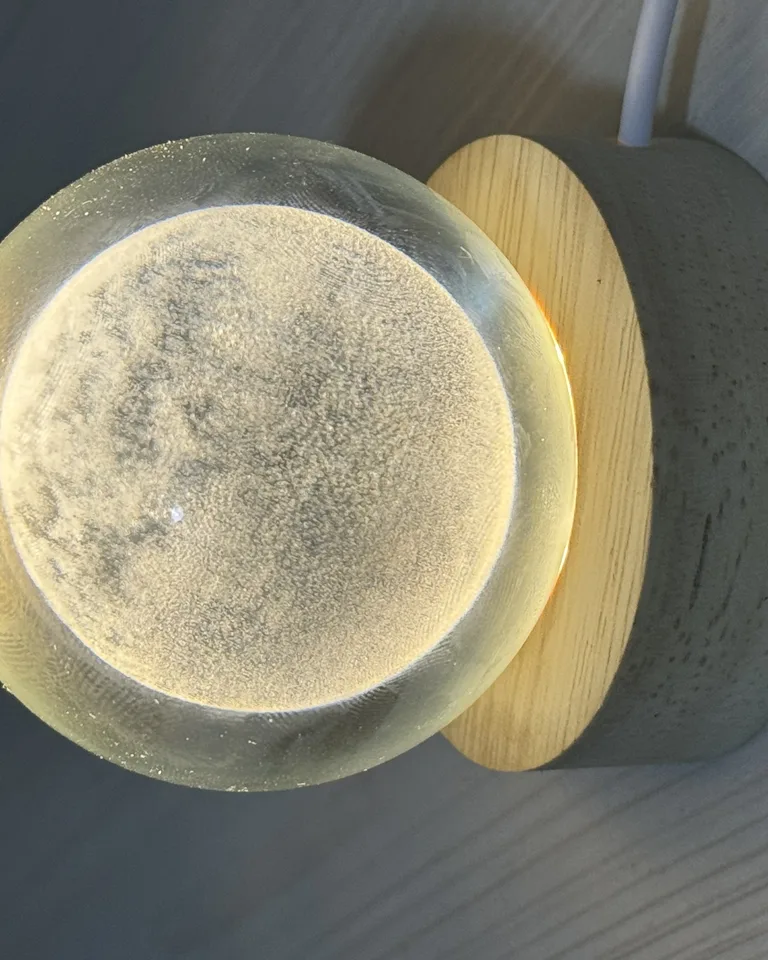
Plug-in motion-sensor lights placed low on the wall — near the floor by bedroom doors — are the unsung heroes of hallway lighting for households with kids or older adults. They switch on only when someone walks past, use almost no electricity, and mean nobody fumbles for a switch in the dark. Choose warm-toned ones; cool-white motion lights feel like a security system, not a home.
Tip: Place one near each bedroom doorway rather than mid-hall, so the light lands exactly where feet step.
Borrow daylight with skylights or glass transoms
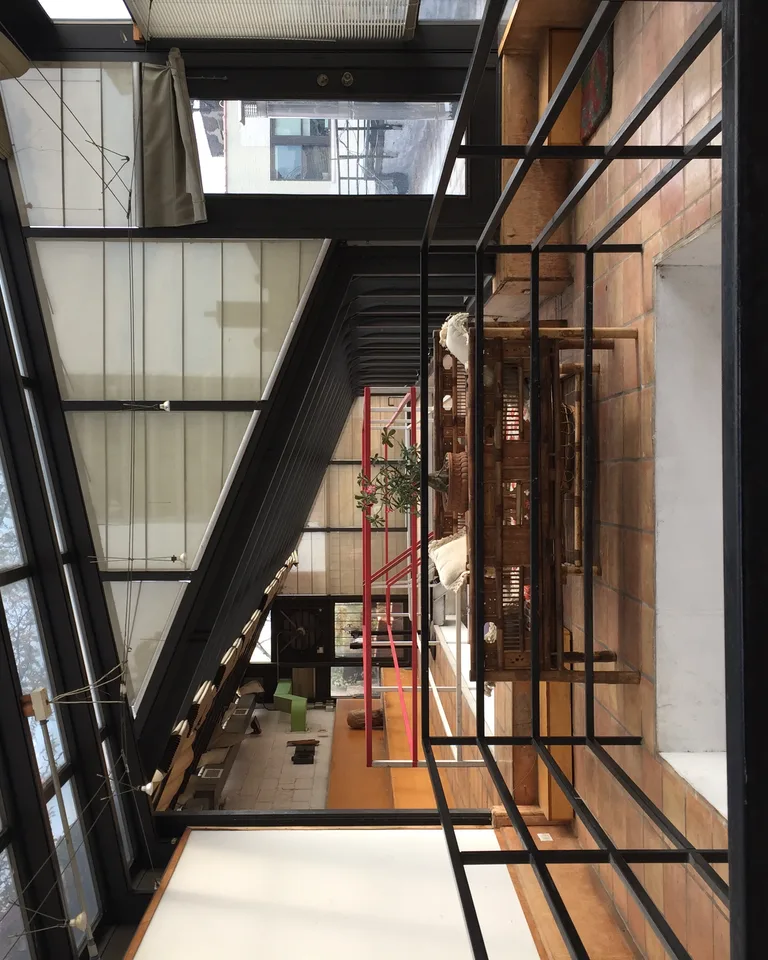
If your hallway is dark because it has no windows, the most transformative fix isn’t a fixture at all — it’s borrowed light. A tubular skylight channels daylight from the roof into a windowless hall for a fraction of a full skylight’s cost, and a glass transom above a bedroom door lets existing room light spill into the corridor. Deep wall color plus intentional light is also exactly what makes moody half-bathroom ideas work — dark walls need light with a plan, not just more bulbs.
Tip: Even a frosted-glass interior door on an adjacent room can feed surprising amounts of light into a dark hall.

Hallway lighting FAQs
How far apart should hallway ceiling lights be spaced?
Space recessed or small ceiling fixtures roughly every 6 to 8 feet along the hallway. For longer corridors, some guides suggest up to 8–10 feet, but tighter spacing avoids the dim gaps that make a hallway feel cave-like.
What is the best color temperature for hallway lighting?
For most homes, 2700K–3000K (warm white) feels welcoming and shows wall colors accurately. Keep the temperature consistent across all fixtures in the hallway so the light looks cohesive at night.
What type of light fixture is best for a narrow hallway?
Fixtures that stay close to the ceiling — flush mounts or slim recessed lights — work best in narrow hallways because they keep the space feeling open. Add wall sconces if you want a softer second layer without taking up ceiling space.
Are wall sconces good for hallways?
Yes. Sconces add a softer layer of side lighting, create rhythm along a long corridor, and can highlight artwork or architectural details. Plug-in sconces are a solid renter-friendly option that needs no wiring.
How bright should hallway lighting be?
Hallways need enough light for safe navigation but not as much as task areas like kitchens. Aim for comfortable, even brightness slightly softer than adjacent living spaces, and add dimmers so you can lower it in the evening.
Start with the anchor fixture and warm bulbs, then add one layer at a time — sconces, art lighting, or baseboard LEDs — until the hallway feels finished. If you’re carrying the same cozy light into the bedroom, a warm beige bedroom palette picks it up beautifully.