
11 Rust Accent Living Room Decor Ideas That Warm Up Any Space
Rust might be the hardest-working accent color in home decor. It is warm without being loud, earthy without being dull, and it plays well with almost every neutral you already own. The trick to rust accent living room decor is not buying everything in the same shade — it is repeating the color in a few well-chosen places so the room feels pulled together instead of decorated around a theme.
A good rule of thumb: let rust appear at least three times in the room — once at floor level, once at seating height, and once above eye level. A rug, a throw pillow, and a piece of wall art in the same color family will do more for your living room than a dozen small rust-colored trinkets scattered at random. The eleven ideas below follow that logic, from big anchor pieces to small finishing touches, so you can pick the ones that fit your budget and your space.
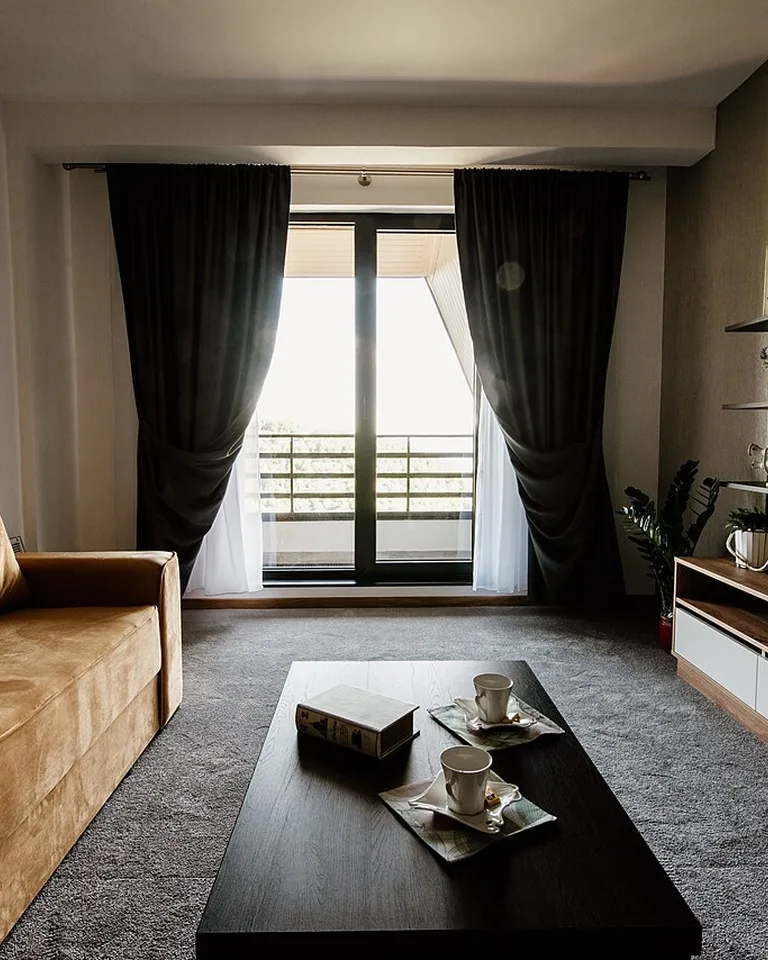
1. Start With a Rust Accent Chair
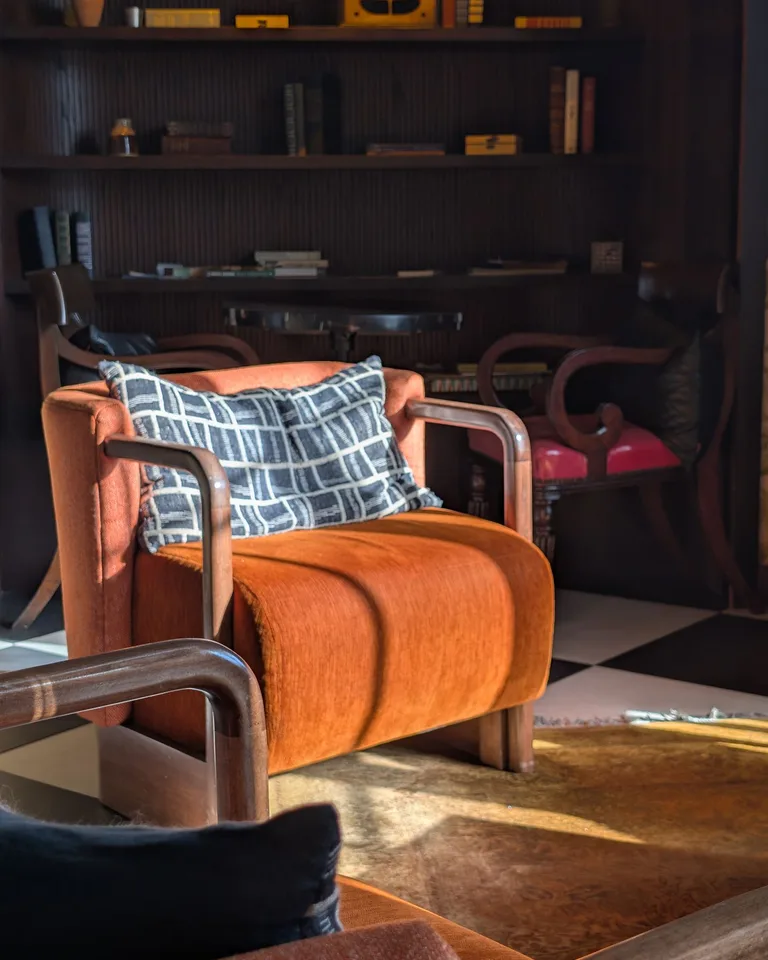
You do not need a rust-colored sofa to build a rust palette. One upholstered accent chair in rust linen or burnt-orange velvet gives you a strong color anchor at eye level, which is exactly where the eye lands when it scans a seating area. Place it angled toward the sofa rather than flat against a wall, so it reads as part of the conversation zone.
Why it works: A single chair carries more visual weight than any pillow or vase. It establishes rust as a deliberate design choice instead of an afterthought, and everything else you add — a throw, a cushion, a frame — gets to echo it rather than introduce it.
Tip: If a new chair is not in the budget, a rust slipcover or a reupholstered thrift-store armchair gets you the same anchor for a fraction of the price. Look for simple shapes; clean lines let the color do the talking.
2. Pile On Burnt-Orange Velvet Pillows
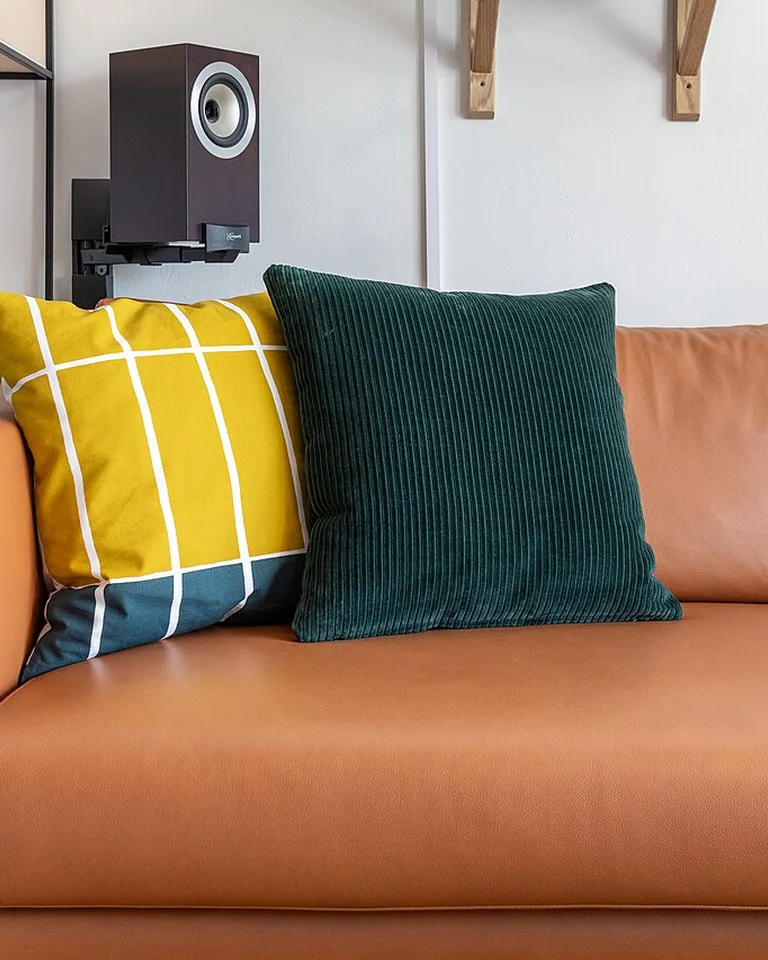
Throw pillows are the fastest way to test-drive rust in your living room. Two or three cushions in burnt orange, terracotta, or cinnamon instantly warm up a neutral sofa, and if you change your mind next season, they are the easiest thing in the room to swap out.
Why it works: Velvet catches the light differently than flat cotton or linen, so a rust velvet pillow looks richer and more expensive than its price tag. Mixing in a patterned pillow — mustard, deep green, or cream — keeps the rust from feeling flat and gives the eye somewhere to travel.
Tip: Vary the scale of your patterns. If the rug has a large motif, choose pillows with a small print or a solid texture. When every pattern shouts at the same volume, they compete; when they take turns, they harmonize.
3. Ground the Room With a Rust-Toned Rug
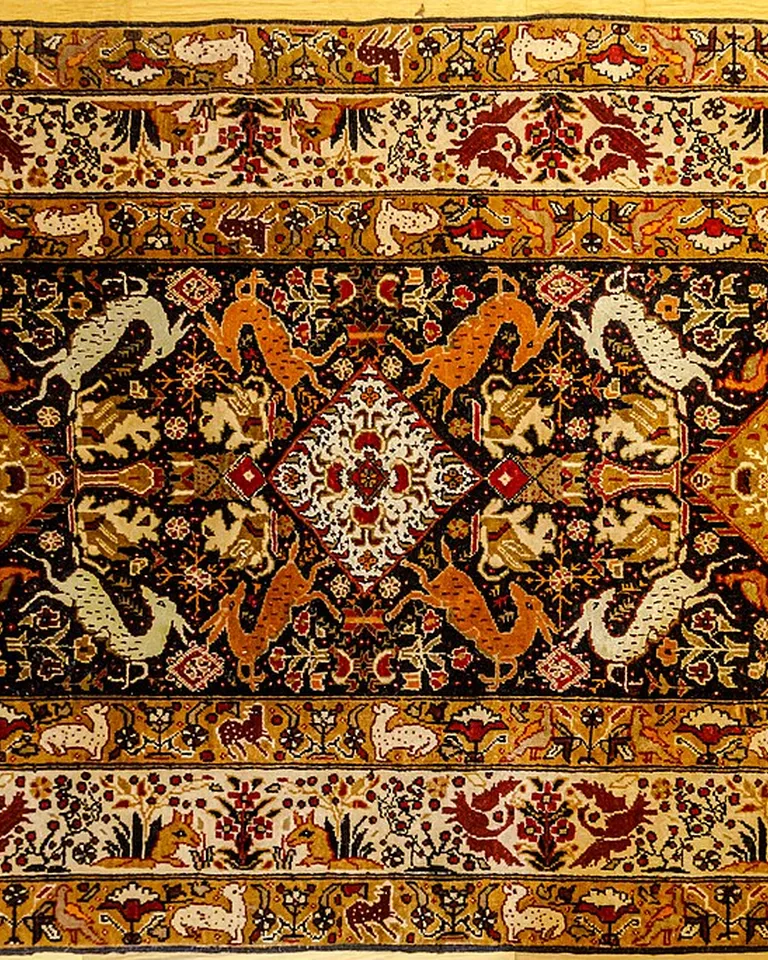
A rug covers the most square footage of any decor item, so it sets the temperature of the whole room. A rust-toned area rug — whether a Persian-style pattern with rust, gold, and cream or a simple flatweave with a terracotta border — pulls the palette down to floor level and ties the seating arrangement together.
Why it works: Floor-level color balances everything happening at sofa height and above. Without it, rust accents can feel like they are floating; with it, the room has a foundation and the smaller accents look intentional.
Tip: Size the rug so the front legs of the sofa and chairs sit on it. A rug that is too small makes even a well-decorated room look scattered, while one that is large enough visually joins the furniture into a single zone.
4. Drape a Chunky Rust Throw Over the Sofa Arm

A throw blanket is the lowest-commitment way to add rust to a living room, and it adds something color alone cannot: texture. A chunky knit or woven throw in burnt orange or cinnamon softens the hard lines of a sofa and makes the room feel lived-in rather than staged.
Why it works: Texture reads as warmth. A flat rust pillow and a nubby rust throw are technically the same color, but the throw will always feel cozier because its surface catches light and shadow. Layering the two gives you depth without adding another hue.
Tip: Drape it casually — folded once over the arm or tossed across one corner of the sofa. A throw that looks too perfectly arranged reads as decoration; one that looks inviting reads as home.
5. Cluster Terracotta Vases Together
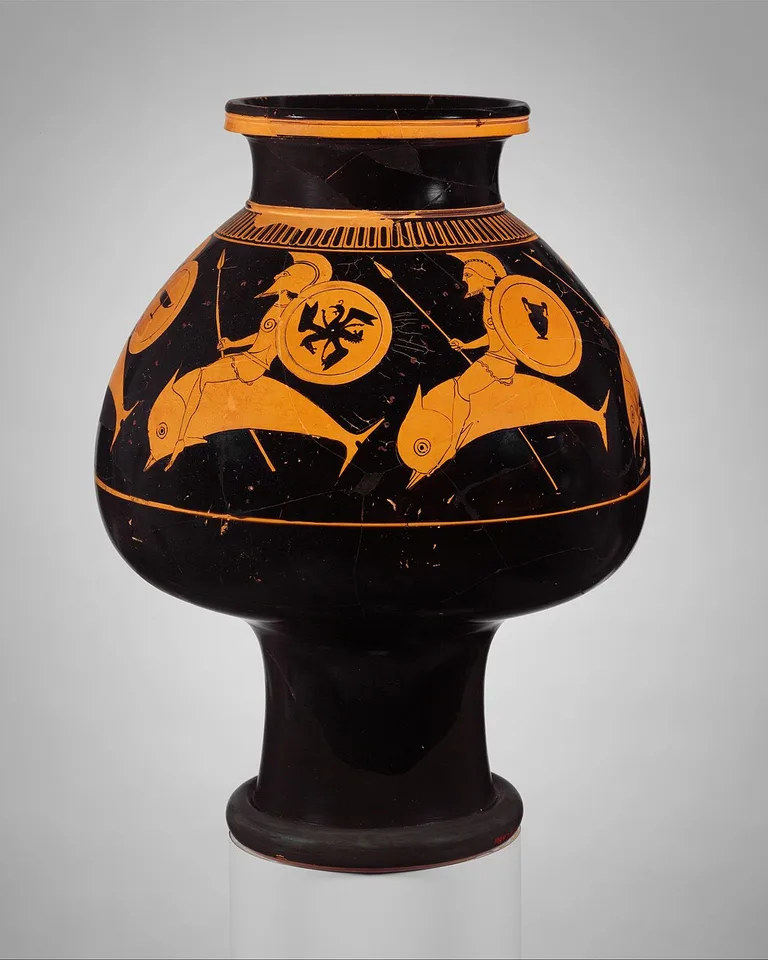
Terracotta is rust’s earthier cousin, and a small cluster of terracotta vases is one of the most forgiving ways to use it. Group three vessels of different heights on a console, mantel, or sideboard, and leave some empty while others hold dried branches, pampas grass, or eucalyptus stems.
Why it works: Odd-numbered groupings feel natural to the eye, and the matte, porous surface of fired clay contrasts beautifully with the smooth fabrics and polished wood around it. The warm clay tone also picks up golden-hour light better than almost any other material.
Tip: Keep the shapes simple and let the heights vary by a few inches. Dried stems last for months with zero maintenance, which makes this one of the cheapest long-term styling moves on this list.
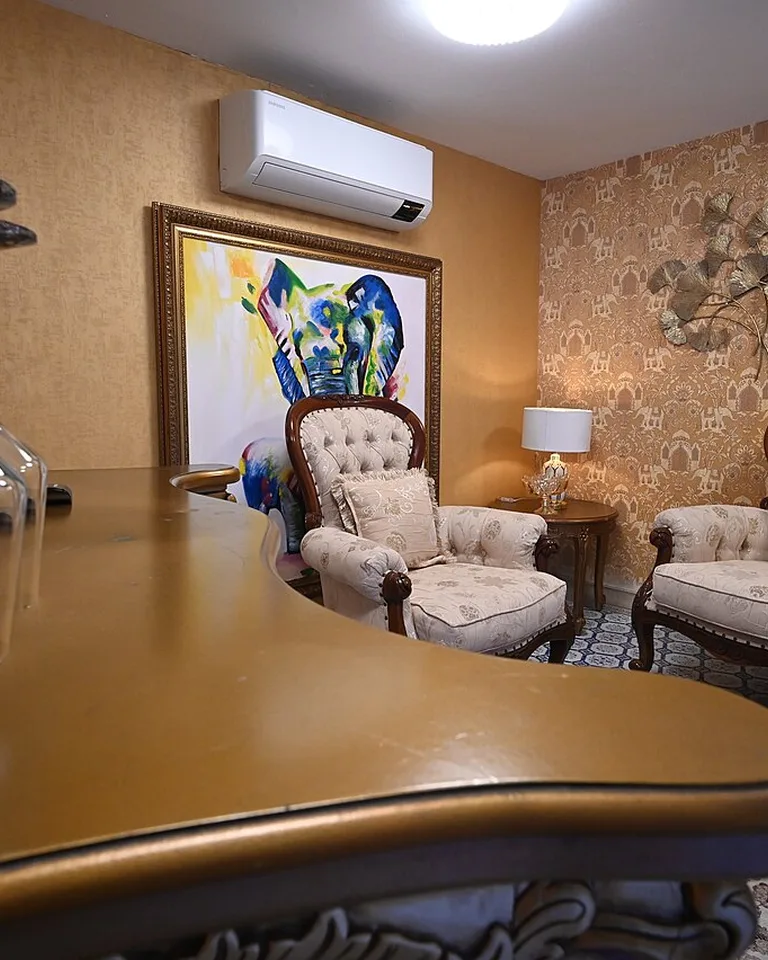
One note on pairing: rust does not have to live in an all-neutral room. It sits opposite blue and teal on the color wheel, which is why those combinations feel so energetic, and it sits beside olive green and mustard in the warm family, which is why those feel so calm. Decide which mood you want, then let rust be the bridge between your neutrals and your one bold partner color.
6. Add a Cognac Leather Ottoman
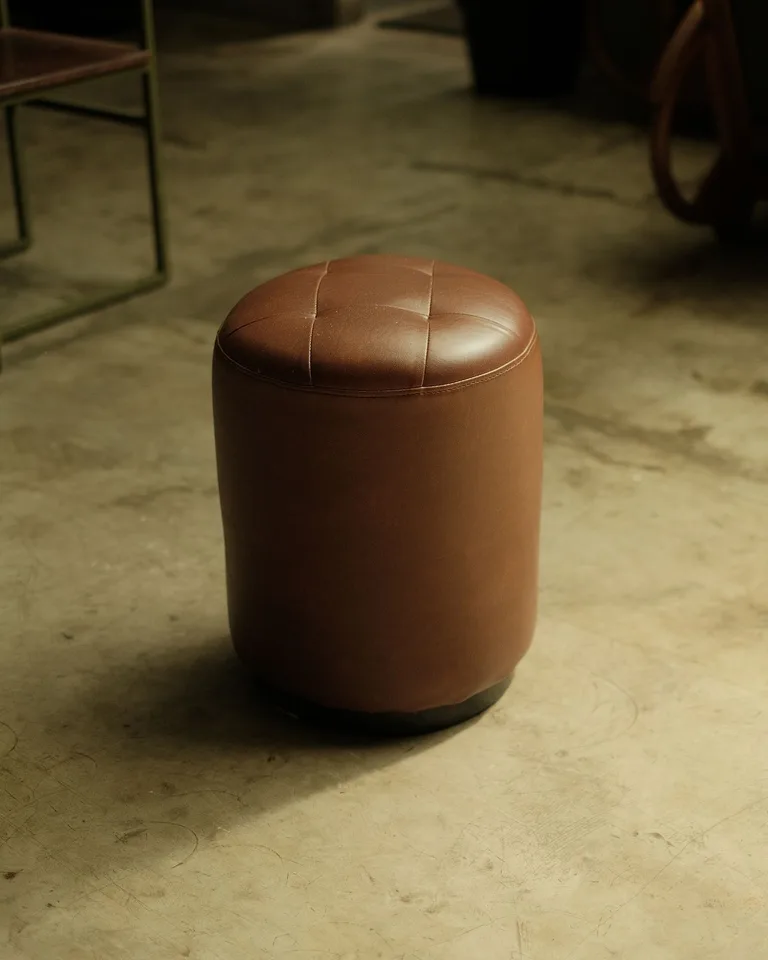
A cognac leather ottoman does triple duty: footrest, extra seat, and a warm brown anchor that deepens the rust palette. Leather reads as warm and slightly masculine, which balances the softness of throws and pillows, and cognac’s orange-brown tone is close enough to rust to belong to the same family without matching it exactly.
Why it works: Rooms built only from soft textiles can feel one-note. Leather introduces a smooth, structured surface that makes the surrounding fabrics look softer by contrast. If you already own brown couch living room ideas with a leather sofa, a cognac ottoman extends that warmth without adding a new color.
Tip: Choose an ottoman with a flat, firm top so it can double as a coffee table with a tray on top. In small living rooms, every piece should earn its footprint twice.
7. Light It With a Clay Ceramic Lamp
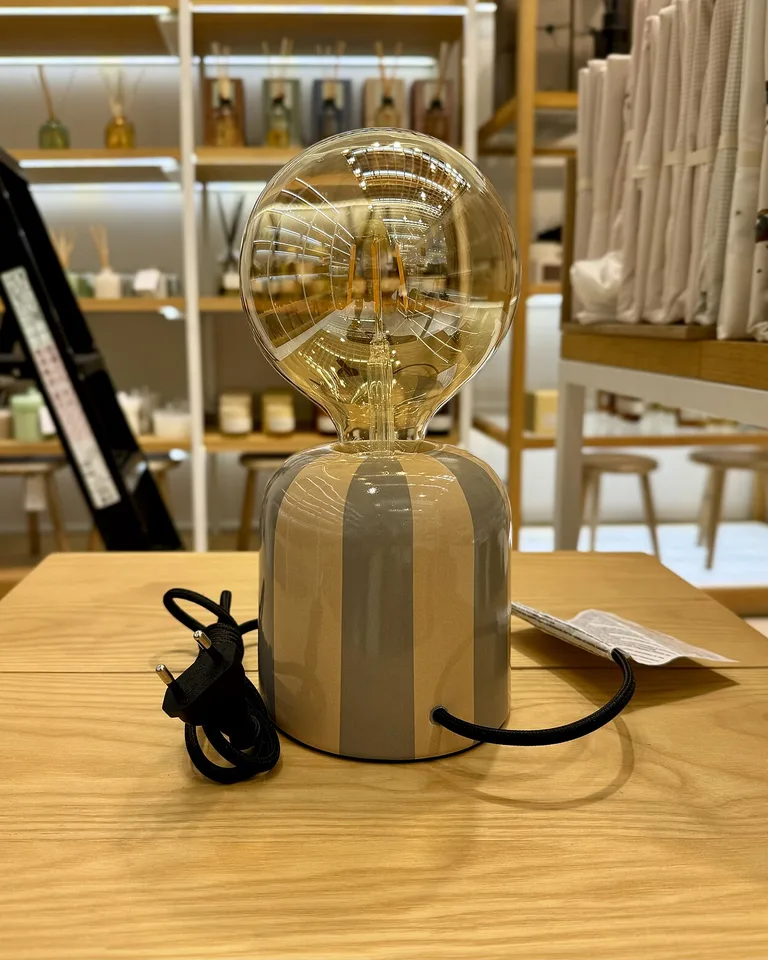
Overhead lighting is the enemy of a cozy rust palette — it flattens warm tones and makes everything look washed out. A table lamp with a clay or terracotta ceramic base adds rust at lamp height while its warm bulb (2700K or lower) makes every other rust accent in the room glow a little richer after dark.
Why it works: Light temperature changes how color reads. Warm bulbs deepen oranges and reds, so your rust pillows and throws literally look better in the evening under the right lamp. For more ways to layer glow around the house, browse these warm, layered lighting ideas — the same principles apply in any room.
Tip: Place the lamp where it washes light across a textured surface — a knit throw, a nubby rug, a clay vase. Side light reveals texture; overhead light erases it.
8. Hang a Copper-Framed Round Mirror
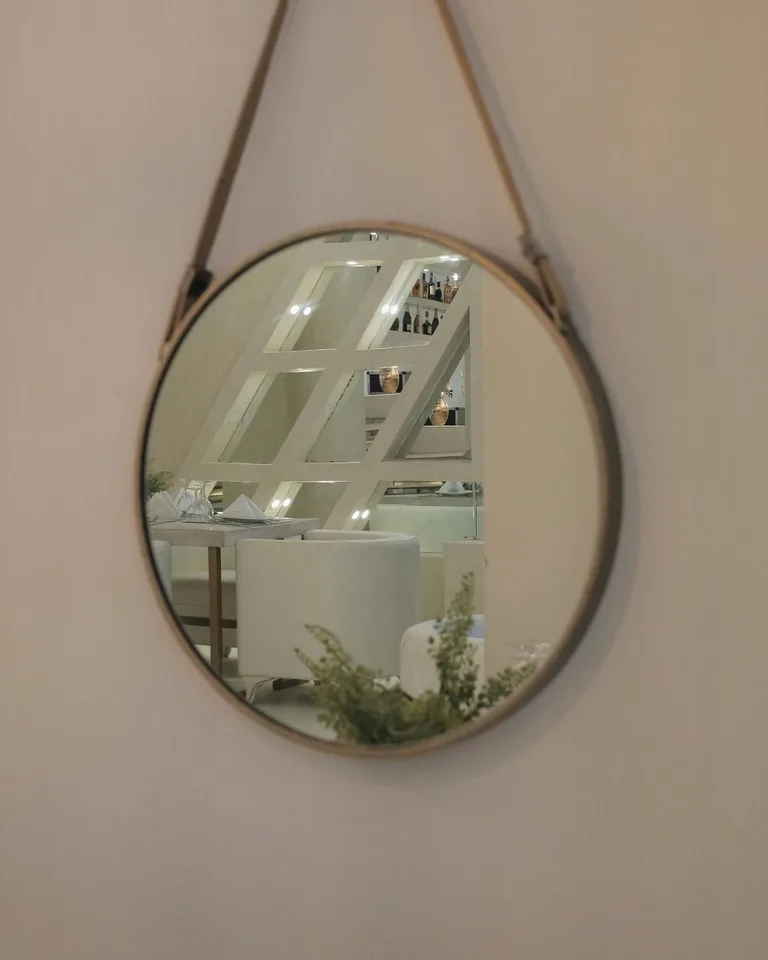
Copper is rust in metallic form, so a copper-framed mirror reinforces your palette while doing something no pillow can: bouncing light around the room. Hang a round mirror above the console or opposite a window, and it will pull daylight deeper into the space while adding a warm metallic glint at eye level.
Why it works: Round shapes soften rooms full of rectangles — sofas, rugs, bookshelves, windows — and the warm metal frame ties the mirror to your terracotta and cognac pieces. These clever mirror placement ideas show how much difference position makes, and the same rules work in a living room.
Tip: Hang the mirror so it reflects something worth seeing — a window, a plant, your art — not a blank wall or the TV. A mirror doubles whatever it faces, so aim it at the prettiest thing in the room.
9. Frame Earthy Botanical Art
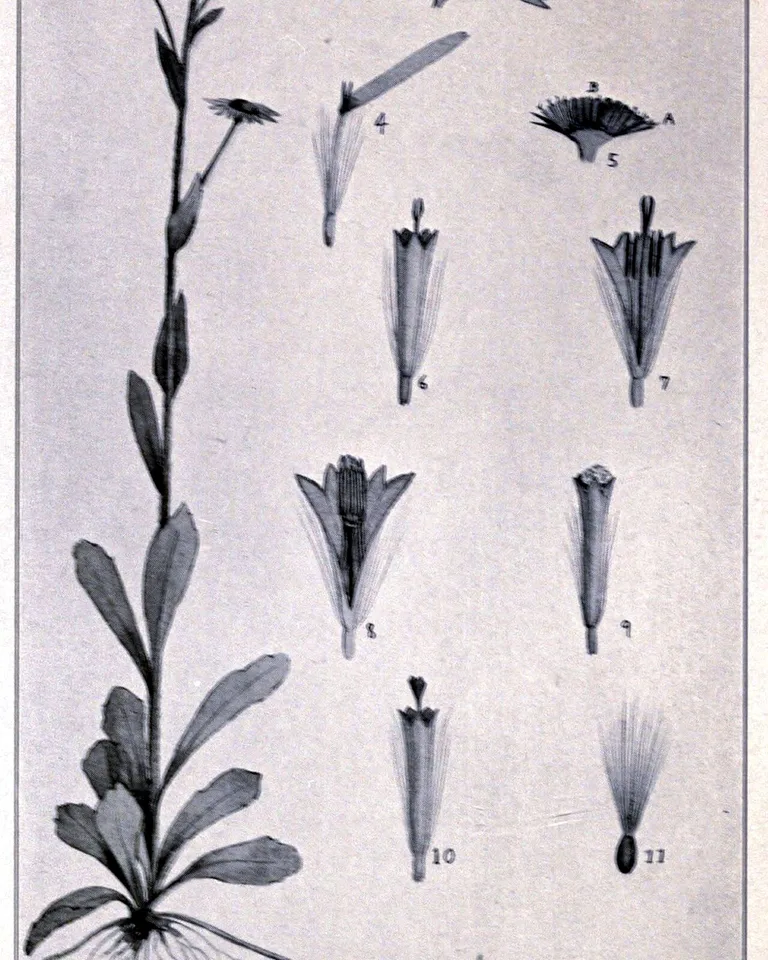
Wall art is your above-eye-level rust moment, and botanical prints are a natural fit. Look for prints that combine rust, sage or olive green, and cream — that trio is one of the most reliable color combinations in decorating, and it keeps the wall from feeling like a single flat block of orange.
Why it works: Art gives you permission to use colors that might feel risky in furniture. A print with rust and olive lets you test that pairing on the wall before committing to an olive throw or a rust chair. If you like the combination, these olive green rooms show how far the pairing can go.
Tip: Go bigger than you think. A small print floating alone on a large wall looks lost; one generous frame — or a tight grid of three — gives the wall the presence it needs to balance the furniture below.
10. Swap In Rust Linen Curtains
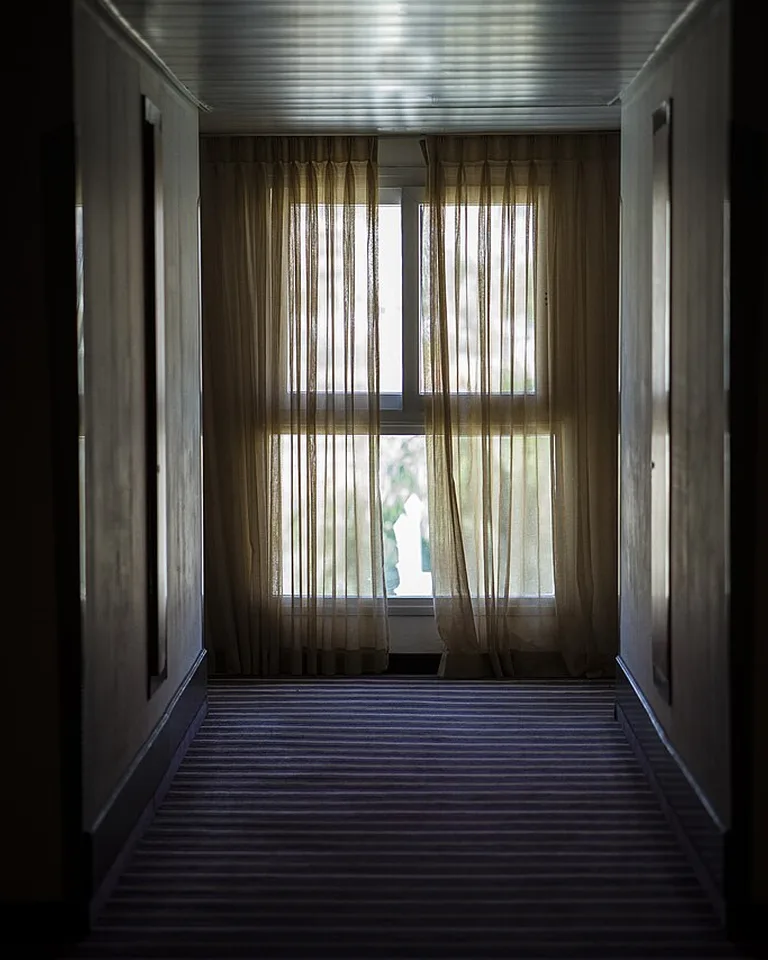
Curtains are one of the most underused ways to shift a room’s palette. Swapping neutral drapes for rust or terracotta linen changes the color temperature of the entire wall, and because linen filters light softly, the fabric seems to glow from within on sunny days.
Why it works: Windows are natural focal points, so coloring them colors the room. Rust curtains frame the view instead of disappearing into the wall, and they connect visually to rust at seating height — your pillows and throws — creating a vertical thread of color.
Tip: Hang the rod four to six inches above the window frame and let the panels fall to the floor. High-and-wide mounting makes windows look larger, which matters even more when the fabric is a saturated color.
11. Finish With Terracotta Candleholders
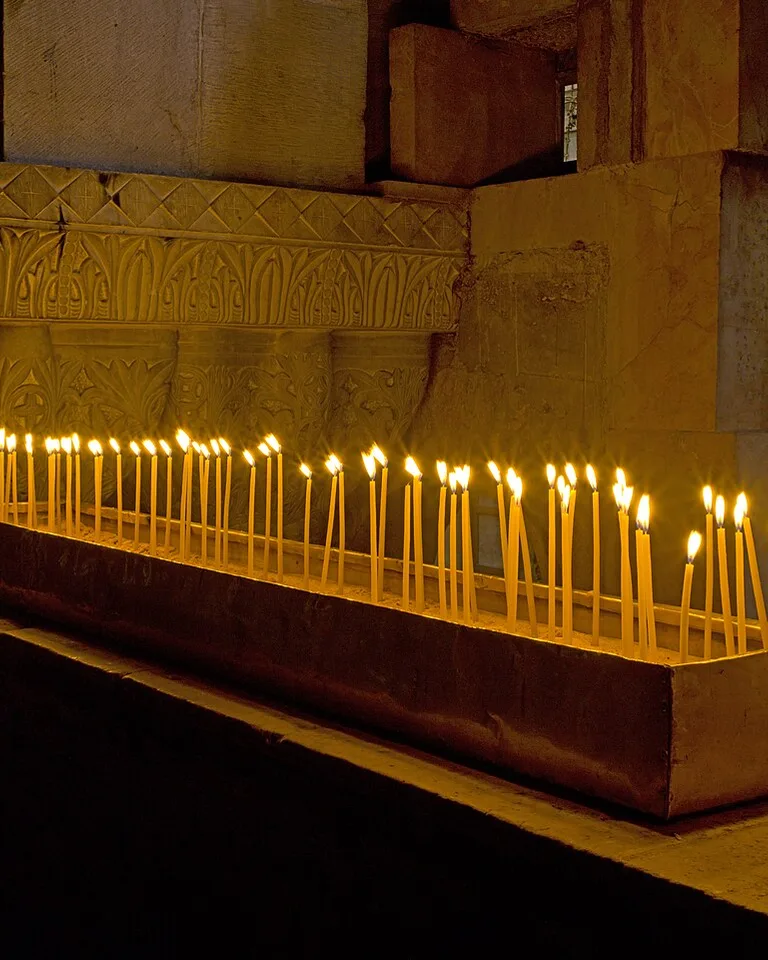
Every rust living room needs one small, flickering finishing touch. Terracotta taper candleholders on the coffee table or mantel add the final warm accent at the lowest light level in the room, and candlelight makes every rust tone around it look deeper and richer.
Why it works: This is the smallest idea on the list, but it completes the vertical rhythm: rug at the floor, pillows and throws at seating height, art and curtains above, candlelight flickering in the middle. When rust appears at every level, the palette feels complete rather than sprinkled on.
Tip: Group candleholders in odd numbers and vary their heights by a few inches, just like the vase cluster. Unscented ivory or beeswax tapers keep the focus on the terracotta holders instead of competing with them.
Rust Accent Living Room FAQs
What colors go with rust in a living room?
Rust pairs beautifully with warm neutrals like cream, beige, and taupe, which keep the room feeling calm. For more energy, pair it with its color-wheel opposites — navy blue or teal. For an earthy, relaxed feel, combine it with olive green, sage, mustard, or warm browns. Black and charcoal also work in small doses for contrast, especially in modern or industrial-style rooms.
How can I add rust to my living room without overwhelming the space?
Start with small, swappable accents — throw pillows, a throw blanket, or a vase — and live with them for a week before adding more. Keep your large pieces (sofa, walls, rug) neutral so rust stays an accent rather than the main event. Repeating it in three places at different heights makes it look intentional without taking over.
Is rust the same color as burnt orange?
They are close but not identical. Rust is a reddish-brown that resembles oxidized iron, while burnt orange leans more orange and brighter. In decorating, the two are often used interchangeably because they sit next to each other in the warm family and pair with the same neutrals — cream, beige, olive, and brown.
What color goes with a rust rug?
Cream, beige, and soft white keep a rust rug feeling airy; olive green or sage adds an earthy contrast; navy or teal creates a bold complementary pairing. If your rug has a busy pattern, keep the surrounding upholstery mostly solid so the rug stays the star.
The Takeaway
Rust accent living room decor works best as a thread, not a blanket. Pick three to five of these ideas, repeat the color at floor, seating, and eye level, and let warm neutrals do the heavy lifting around them. And if you are refreshing for the season, these curated fall decorating ideas pair naturally with a rust palette — the color was practically made for autumn, but it earns its place year-round.