
11 Olive Green Bedroom Ideas That Feel Cozy, Never Muddy
Olive green is one of the warmest, most livable greens you can put in a bedroom — earthy, calming, and far more forgiving than sage or emerald. But it has a reputation problem: done wrong, it goes muddy and flat. These 11 olive green bedroom ideas show how to get the cozy, collected look instead — the right pairings, the right textures, and the lighting trick that keeps olive rich instead of murky.
1. Paint One Accent Wall Behind the Bed

The highest-impact, lowest-risk move: paint just the wall behind the bed olive and keep the other three warm white or beige. You get all the cocooning depth of the color with none of the cave feeling, and the bed becomes an instant focal point. In small bedrooms, one olive wall adds drama without shrinking the space.
Tip: choose a mid-tone olive with a yellow-brown base (not a gray one) and use a matte or eggshell finish — flat paint absorbs light evenly and keeps the color velvety instead of shiny.
2. Try the Split-Wall Trick

Paint olive on the lower half of the wall and warm white above, divided by a chair rail or a crisp painted line. The white upper half bounces light and makes ceilings feel taller, while the olive below grounds the furniture. It’s a classic designer move that makes olive feel intentional and architectural rather than just “a green room.”
Tip: run the dividing line at 36–42 inches — roughly chair-rail height. Lower than that looks like wainscoting gone wrong; higher starts to close the room in.
3. Dress the Bed in Olive Linen

Not ready to paint? An olive linen duvet with cream or oatmeal sheets gives you the whole mood with zero commitment. Washed linen has a relaxed, rumpled texture that keeps olive from ever looking flat, and it gets softer with every wash. This is also the easiest way to test whether you love living with the color before you buy paint.
Tip: keep the sheets light and let the olive live on the duvet and shams. If the whole bed goes dark green, the room loses its contrast — and contrast is what makes olive look rich. For a paler take on the same idea, see these sage green bedroom ideas.
4. Add One Olive Velvet Piece

Velvet is olive’s best friend. The pile catches light and shifts between deep green and soft gold as you move around the room, which gives a single color incredible dimension. One velvet piece — an accent chair, an ottoman at the foot of the bed, or even just two lumbar pillows — is enough to make the whole scheme feel luxurious.
Tip: velvet shows every crease, so style it with a quick steam rather than ironing. And keep velvet away from direct daily sun, which fades the pile unevenly over time.
5. Swap Shiny Gold for Aged Brass
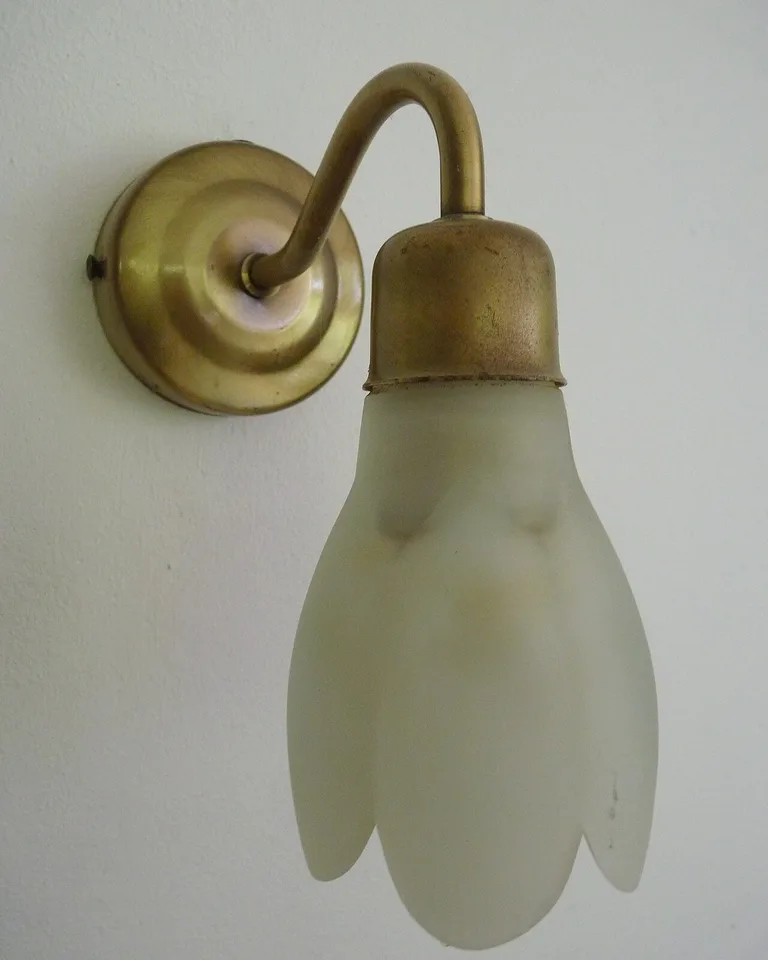
Here’s the metal rule most people get wrong: olive is an earthy, muted color, and bright polished gold next to it looks cheap. Aged or antique brass — slightly darkened, slightly warm — looks like it has always belonged with olive. Try a brass table lamp, a brass-framed mirror, or brushed-brass drawer pulls.
Tip: repeat the brass in three places minimum (lamp, mirror frame, hardware) so it reads as a scheme rather than a single random shiny object.

6. Ground It With Wood and Jute
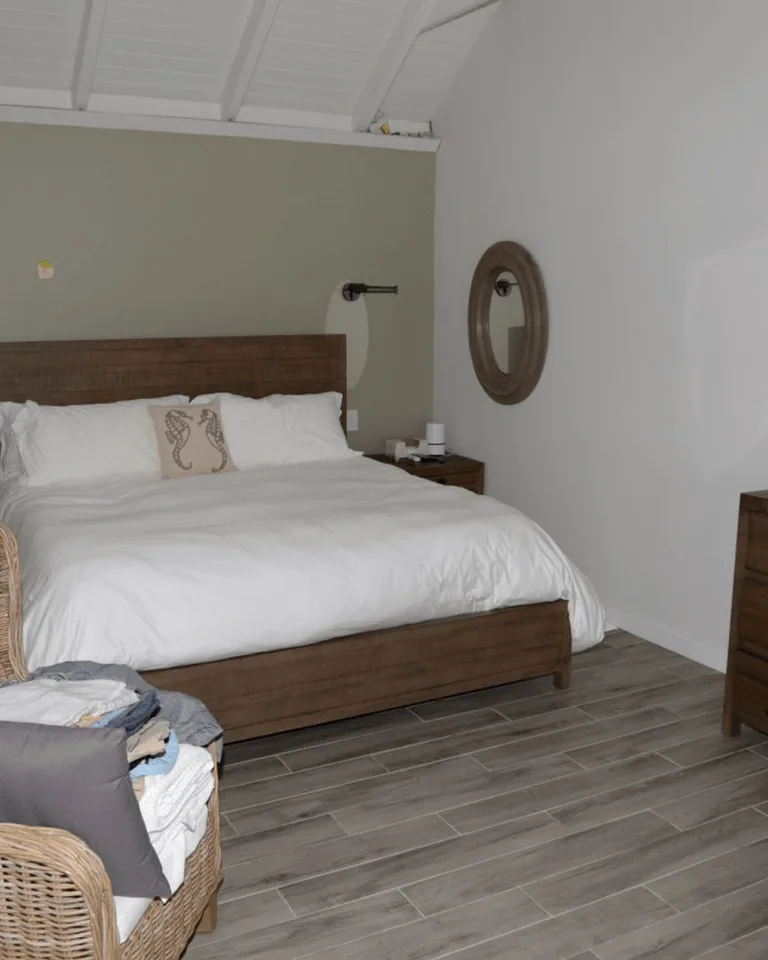
Olive plus natural wood plus jute is the forest-cabin formula — grounded, organic, and almost impossible to get wrong. Walnut and oak both flatter olive’s warmth; add a jute or wool-jute rug and woven baskets, and the room gets that calm, collected-over-time feeling. This pairing suits rustic, Japandi, and mid-century rooms equally well.
Tip: if you love the modern farmhouse take on natural materials, this is your olive entry point — the wood does half the styling work for you.
7. Hang Botanical Prints With White Mats

Dark walls swallow art with dark frames and no breathing room. The fix: botanical leaf prints or pressed ferns in frames with wide, crisp white mats. The white “punches holes of light” into the olive wall, the botanical subject echoes the color story, and the whole arrangement keeps a moody room feeling airy.
Tip: one large print beats a scattered gallery on olive walls — a single strong piece holds its own against a saturated color, while small frames get visually lost.
8. Soften the Window With Cream Curtains
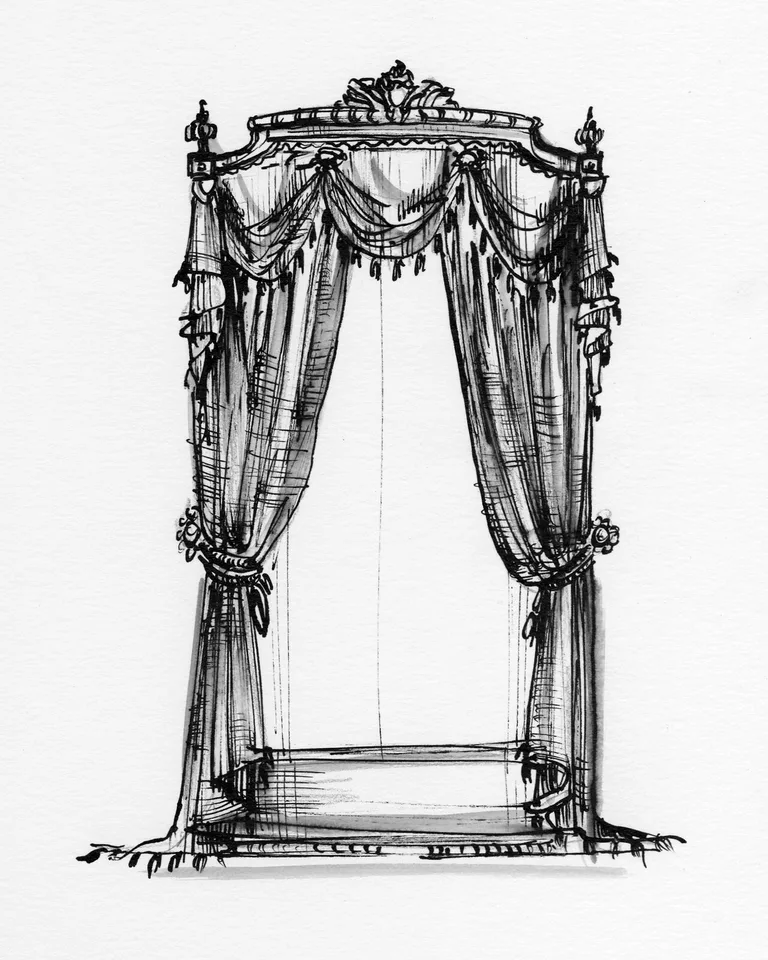
Floor-length curtains in cream or warm white do triple duty with olive walls: they frame the view, soften the room’s edges, and add the light contrast that keeps olive from feeling heavy. Warm beige linen panels are the safest choice; sheer olive voile is the bolder one, filtering daylight into a soft green glow.
Tip: hang the rod 4–6 inches above the window frame and let the panels kiss the floor. Short curtains chop the wall and make olive rooms feel squat.
9. Bring In Real Plants

Green-on-green shouldn’t work, but it does — a room already in olive tones makes houseplants look spectacular, like a conservatory that happens to have a bed. The varied leaf tones (deep monstera, silvery eucalyptus, bright pothos) add the tonal layering that keeps a single-color scheme interesting. Use neutral pots so the plants, not the planters, star.
Tip: one large plant beats five tiny ones in a bedroom — a 4-foot palm or fiddle-leaf fig in the corner gives you sculpture-level impact with almost no styling effort.
10. Go Moody With Black Accents
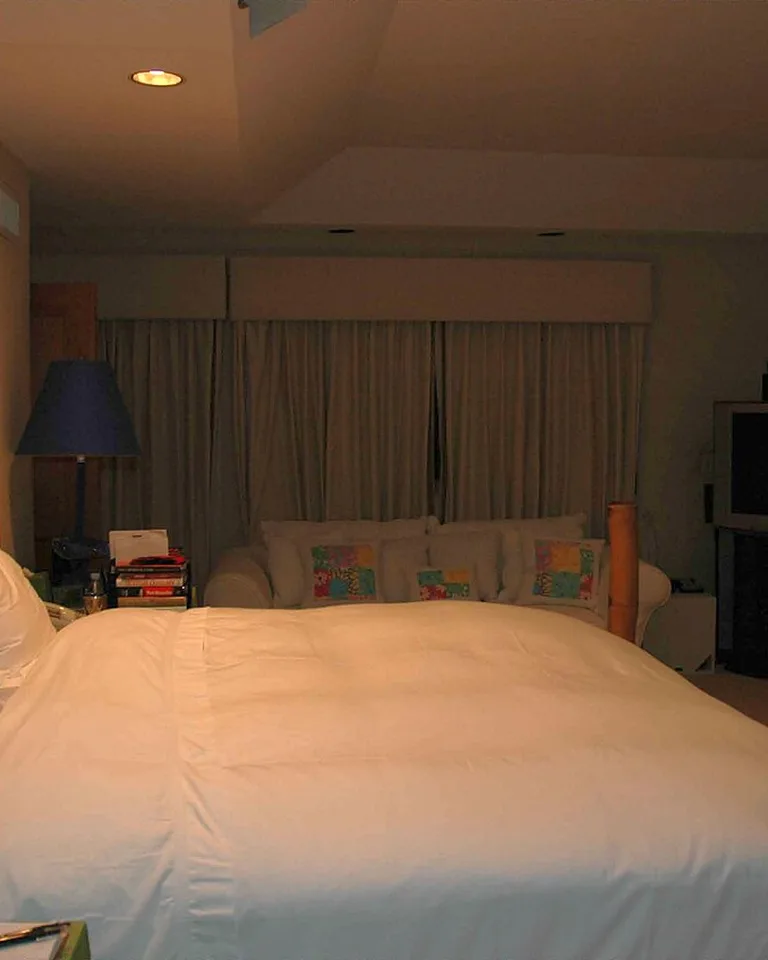
For a bolder, more modern take, pair olive with black metal: a black bed frame, black picture frames, matte-black lamp bases. The high contrast stops olive from ever reading “safe” and gives the room a tailored, slightly industrial edge. The non-negotiable part: keep the bedding light (cream, oatmeal, white) so the dark-on-dark doesn’t collapse into gloom.
Tip: this is the same contrast logic behind black and white bedrooms that don’t fall flat — the light elements are doing as much work as the dark ones.
11. Light It Warm: 2700K–3000K in Layers
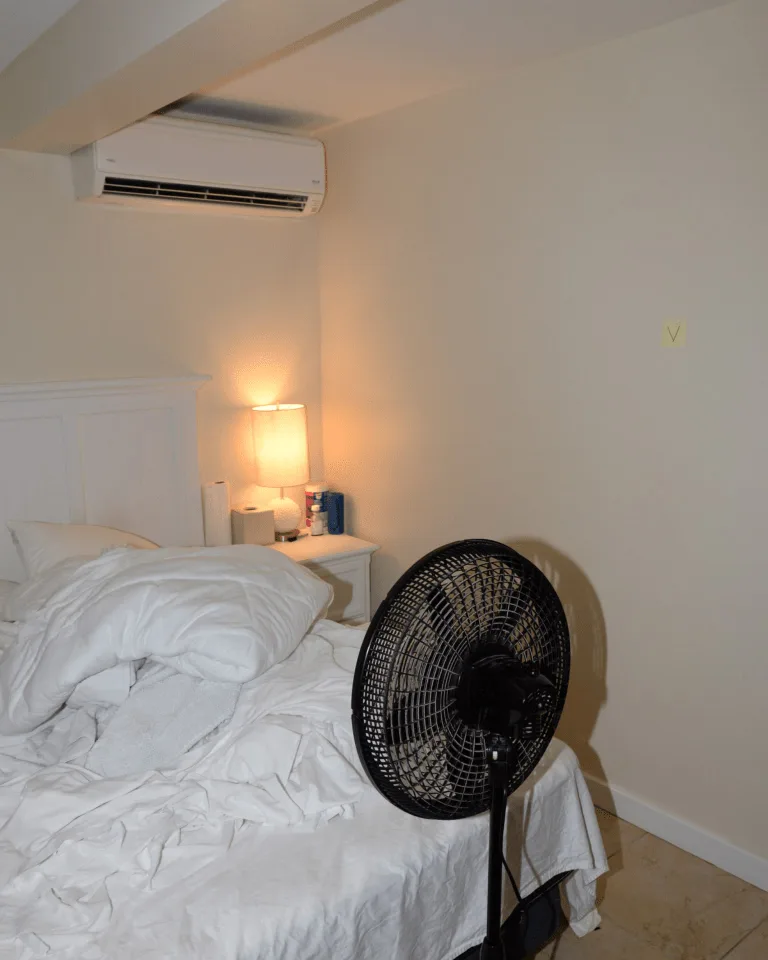
This is the idea that saves the other ten: olive green needs warm light or it turns muddy. Layer it — a floor lamp in the dark corner, sconces or table lamps by the bed, and ditch the single harsh overhead. Bulbs at 2700K–3000K mimic warm daylight and let olive’s golden undertones glow instead of going gray-green.
Tip: always test paint swatches in your room’s actual light, morning and evening, before committing. And if your room is north-facing or dim, keep olive to textiles and let warm buttery tones carry the walls instead.
Olive Green Bedroom FAQs
Can olive green work in a small bedroom?
Yes — just don’t paint all four walls. Use olive on one accent wall (ideally behind the bed) or keep it to textiles like bedding and curtains, and pair it with light neutrals for the remaining surfaces. A mirror opposite the window amplifies daylight and stops the color from closing the room in.
What colors go best with olive green in a bedroom?
Olive’s yellow-brown base pairs most easily with warm colors: cream, beige, and oatmeal for calm; terracotta, rust, and mustard for earthy energy; aged brass for warmth. Avoid icy blues and stark pure white — cool tones fight olive’s warmth and make it look muddy.
How do I keep olive green from looking dated?
Pair it with clean-lined furniture, matte or satin paint finishes, and organic textures like rattan and washed linen. Skip 1970s signifiers — shag rugs, heavy wood paneling, high-gloss finishes — and use contemporary lighting like sculptural ceramic lamps to keep the scheme current.
Does olive green need a lot of natural light?
It looks its best in warm, natural light, which brings out its depth. In dim or north-facing rooms it can read muddy, so limit olive to bedding and accents there and use 2700K–3000K bulbs to mimic daylight warmth. Always test swatches under your room’s real lighting before painting.