
Sage Green Bedroom Ideas: 14 Ways to Decorate a Calm, Cozy Retreat
Sage green is the bedroom color that never argues with anything. It’s gray enough to act like a neutral, green enough to feel alive, and calm in a way that actually helps you sleep. Decorating with sage green isn’t about drowning the room in one shade — it’s about choosing where the green goes (walls, bedding, or furniture) and then warming it up with wood, cream, and one metallic.
The short answer: sage green works best paired with warm whites, natural wood like oak or walnut, cream or oatmeal bedding, and brushed brass. Avoid cool grays and stark white textiles, which push sage cold and clinical. These 14 sage green bedroom ideas cover paint, bedding, furniture, and small swaps, so there’s a version for homeowners and renters alike.
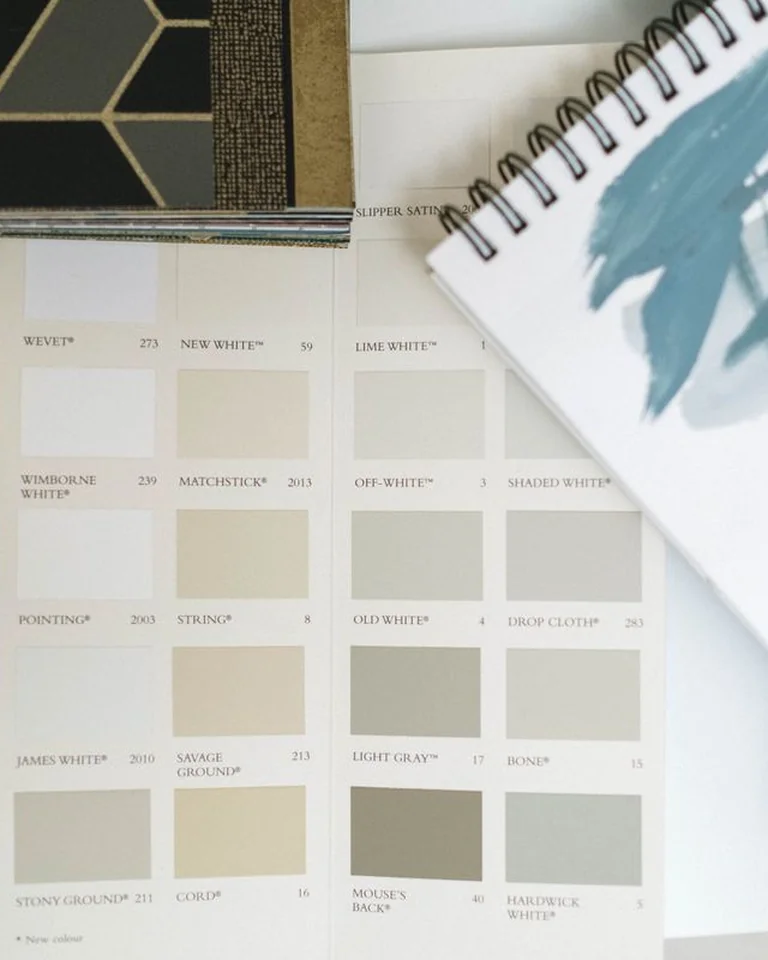
Paint All Four Walls in Light Sage
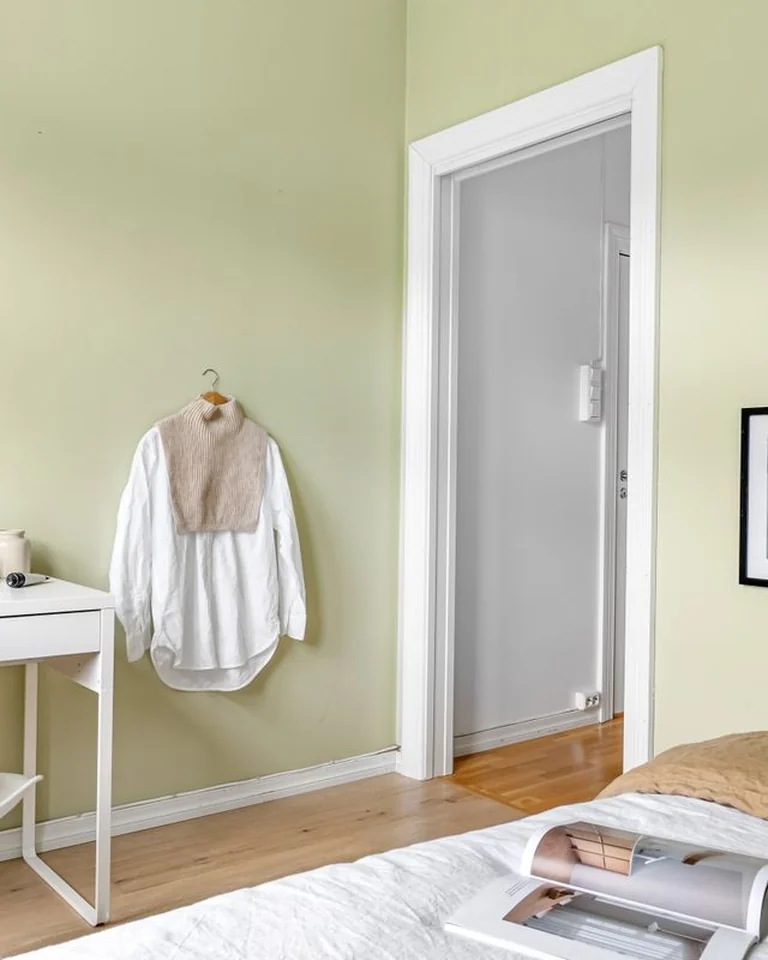
Full-room sage wraps the bedroom in one calm color and erases the visual noise of contrasting walls. It works best in light, muted sage shades — the kind that look almost gray in the morning and warmer by lamplight. Keep the ceiling and trim warm white so the room doesn’t feel like a sealed box.
Before you buy gallons, test a large sample board in your room’s actual light for a full day. Sage shifts dramatically between morning and evening, and a shade that looks perfect at noon can go muddy under cool evening bulbs. Warm 2700K bulbs keep it cozy after dark.
Paint One Sage Accent Wall Behind the Bed
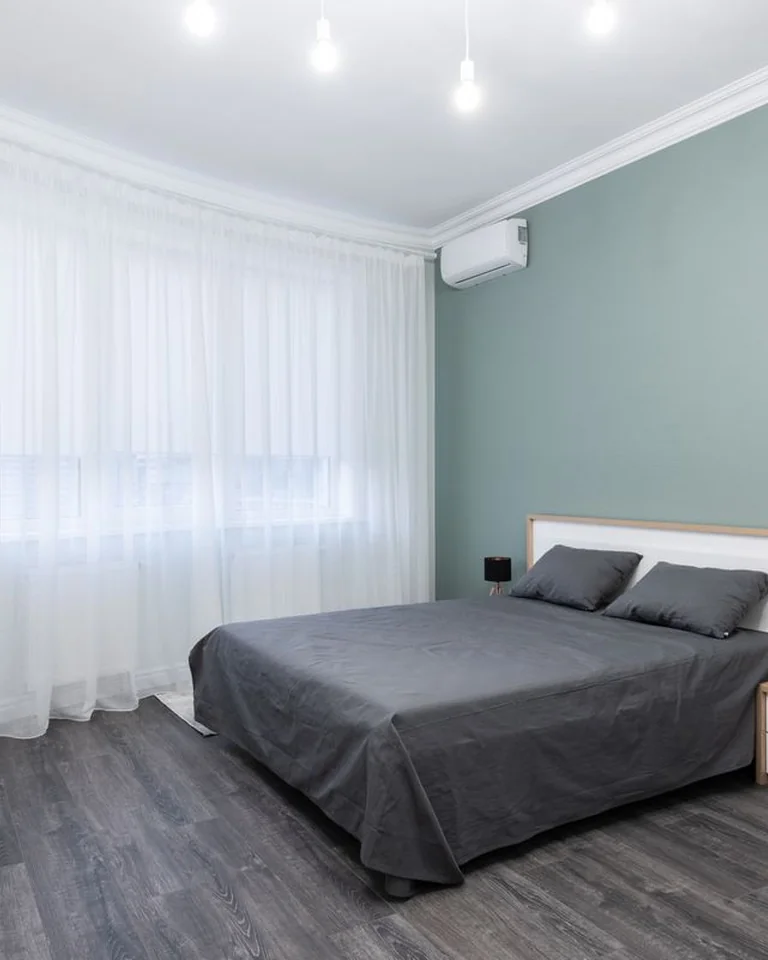
If painting all four walls feels like a lot, one sage wall behind the bed gives you 80 percent of the effect. It frames the headboard like a backdrop, makes the bed the unmistakable focal point, and keeps the rest of the room bright. This is also the smartest version for a room you might repaint in a few years.
Take the paint to the ceiling line with no white border — a full-height wall of color looks intentional, while a band of white above it looks unfinished. Our black and white bedroom guide uses the same rule in reverse: commit to the color or don’t, because half-measures read as mistakes.
Add a Sage Board-and-Batten Feature Wall
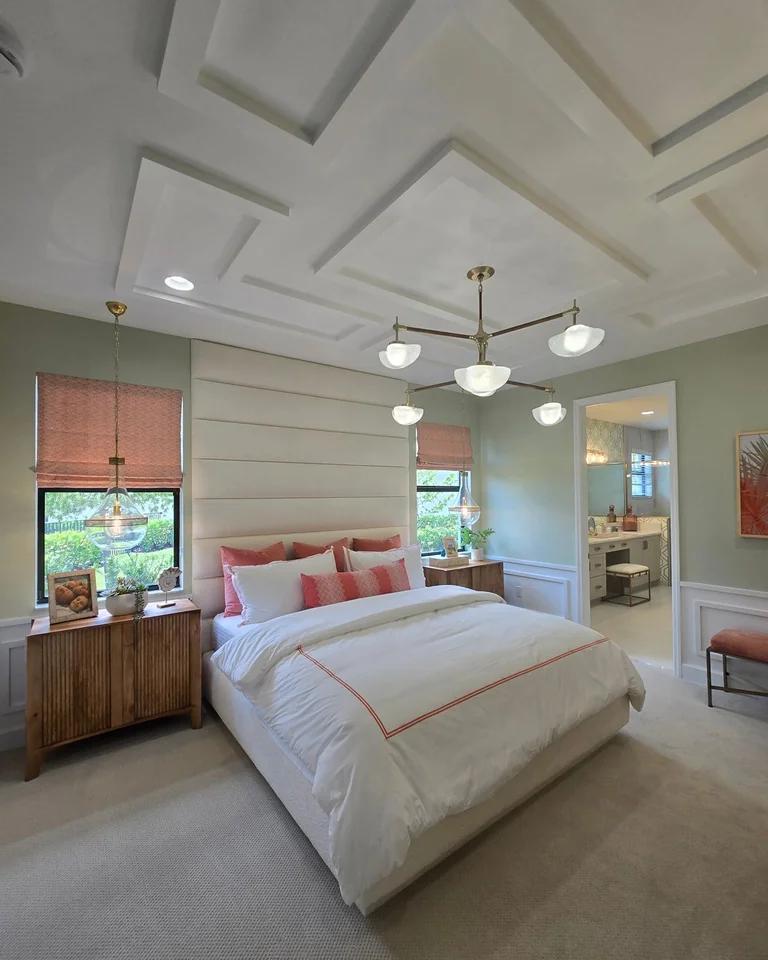
Board and batten gives sage walls a third dimension: shadow lines. Painted the same sage as the wall, the battens catch light and create depth without adding any new color, which keeps the room calm. It’s a weekend project — primed MDF strips, a nail gun, and two coats of paint.
Keep the battens simple and evenly spaced (16 to 24 inches apart); fussy patterns fight the serenity you’re after. This treatment pairs beautifully with the layered, collected look of a modern farmhouse bedroom makeover, where texture does more work than color.
Keep the Walls White and Go Sage in the Bedding
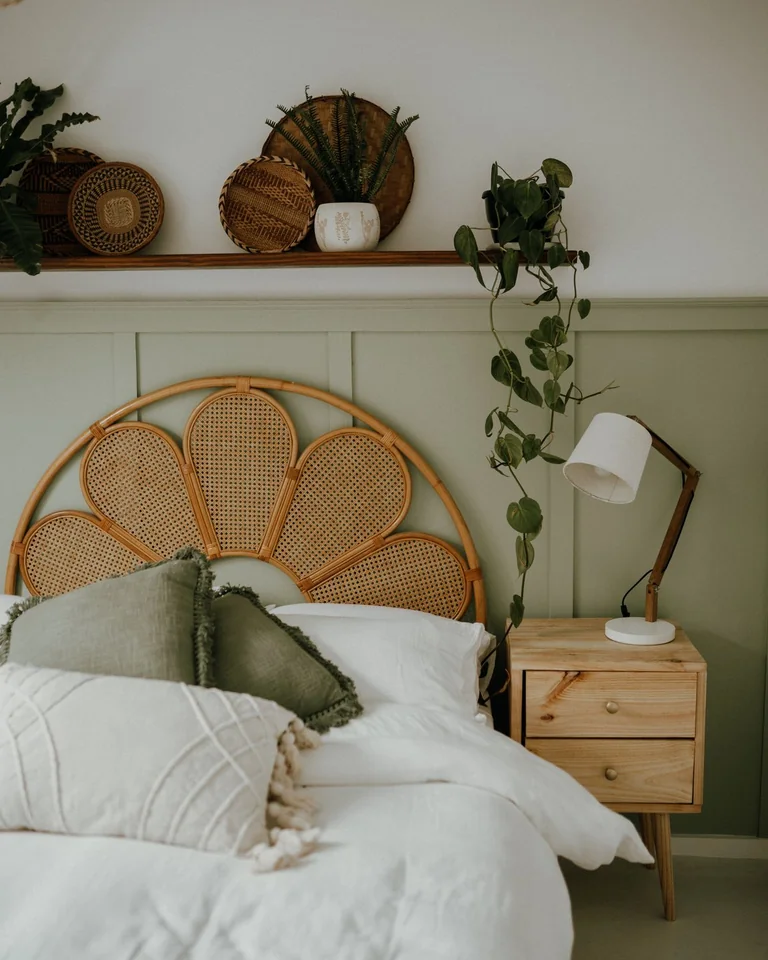
The renter’s sage bedroom: white walls, sage bedding. A sage duvet cover or quilt, two sage shams, and one textured throw give you the full palette with zero paint, and it all washes. Layer two tones — a deeper sage duvet with paler sage pillows — so the bed looks styled rather than flat.
Linen and washed cotton are the right fabrics here; their natural wrinkles and matte finish keep sage looking relaxed instead of formal. One cream or oatmeal throw across the foot of the bed breaks up the green and ties into the warm neutrals elsewhere in the room.
Choose a Sage Upholstered Headboard
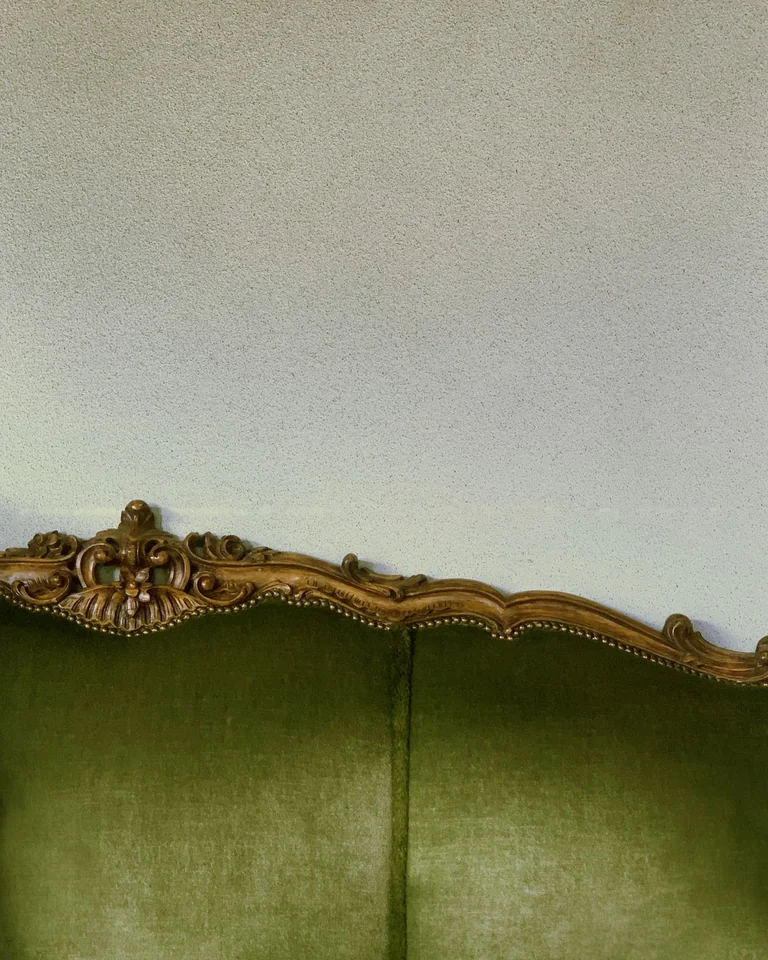
An upholstered headboard in sage puts the color exactly where your eye rests — behind the pillows — without touching the walls. Velvet reads luxurious and deepens the color; performance linen or bouclé reads casual and lightens it. Either way, you get a big block of sage from one furniture decision.
Size it generously: a headboard that extends a few inches beyond the mattress on each side looks custom, while a too-narrow one looks like an afterthought. Wall-mount it or choose tall legs so you can see the floor underneath — visible floor makes any bedroom feel larger.
Layer Three Tones of Sage for Depth

One sage can read flat; three sages read designed. Build the layers from the wall outward: pale sage walls (or white walls with a pale sage throw), a mid-sage duvet, and a deeper sage accent in pillows or a bench cushion. The rule is simple — same undertone family, different depths.
The anchor that keeps all the green from floating away is warm wood: an oak nightstand, a walnut frame, a rattan basket. Green plus wood is the combination nature already approved, and it’s why sage bedrooms rarely look trendy or dated. See how warm neutrals do the same job in our beige bedroom color pairings.
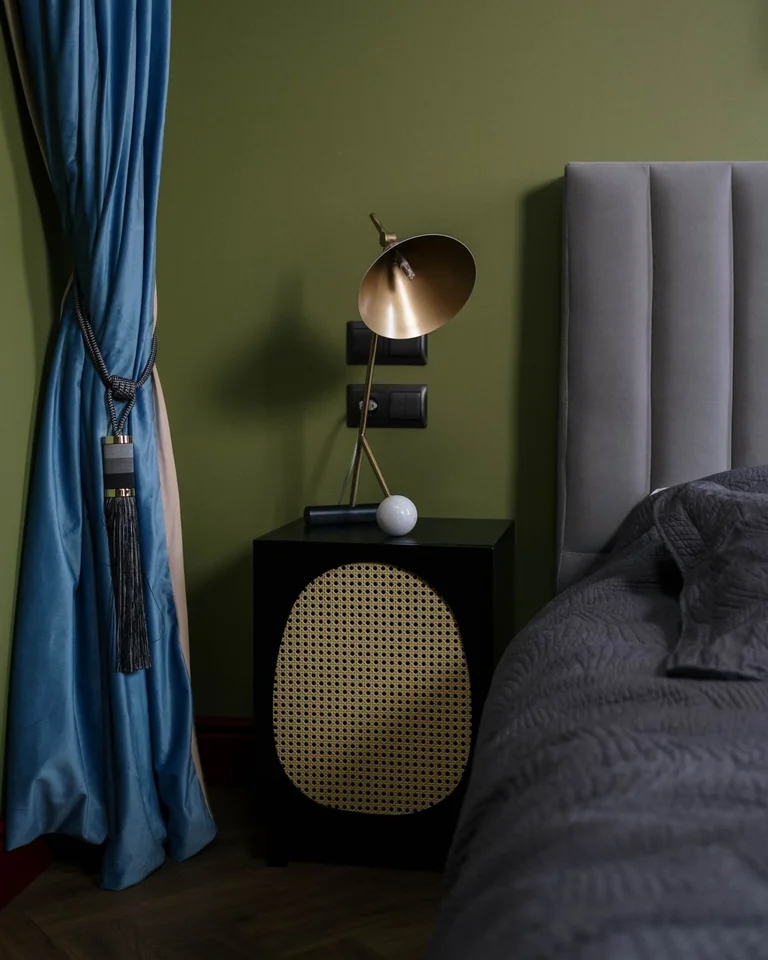
Warm It Up with Natural Wood Furniture
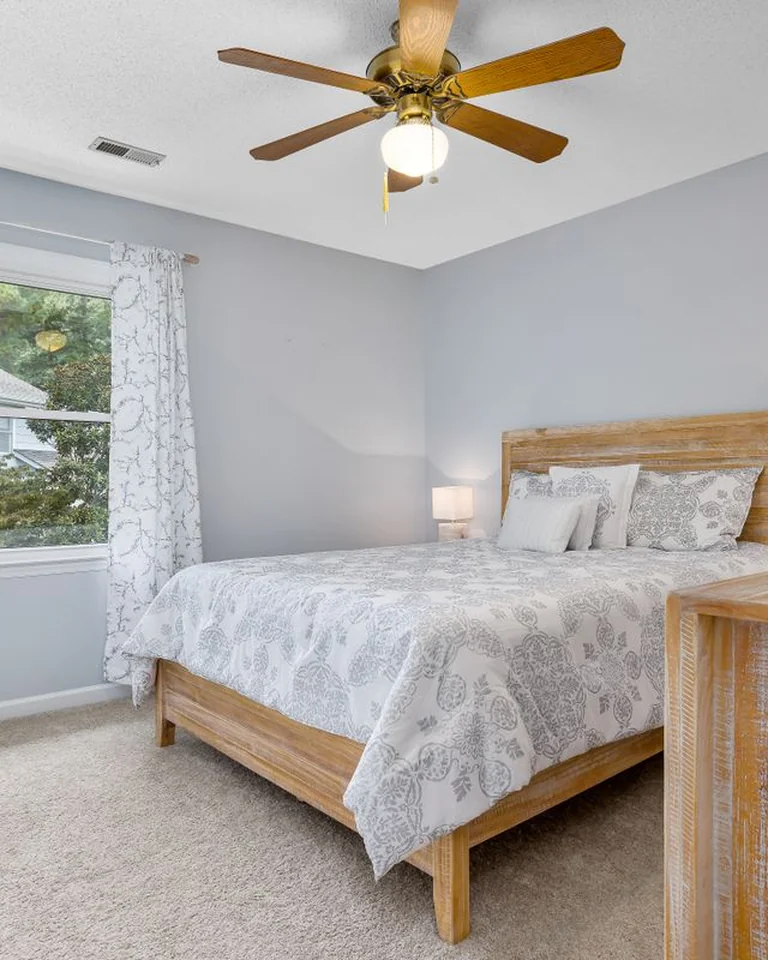
Sage without wood can feel cool and unfinished; sage with wood feels like a cabin morning. Light oak keeps the room airy and modern, walnut pushes it richer and more traditional. You don’t need a full matching set — one wood bed frame or one oak dresser is enough to warm the whole palette.
Mix wood tones if you like, but keep one dominant. A walnut bed with oak nightstands works; three competing wood species starts to look like a furniture showroom floor. Reclaimed or secondhand wood pieces are the budget route — sage is forgiving, and it makes mixed-era furniture look intentional.
Light It with Brushed Brass
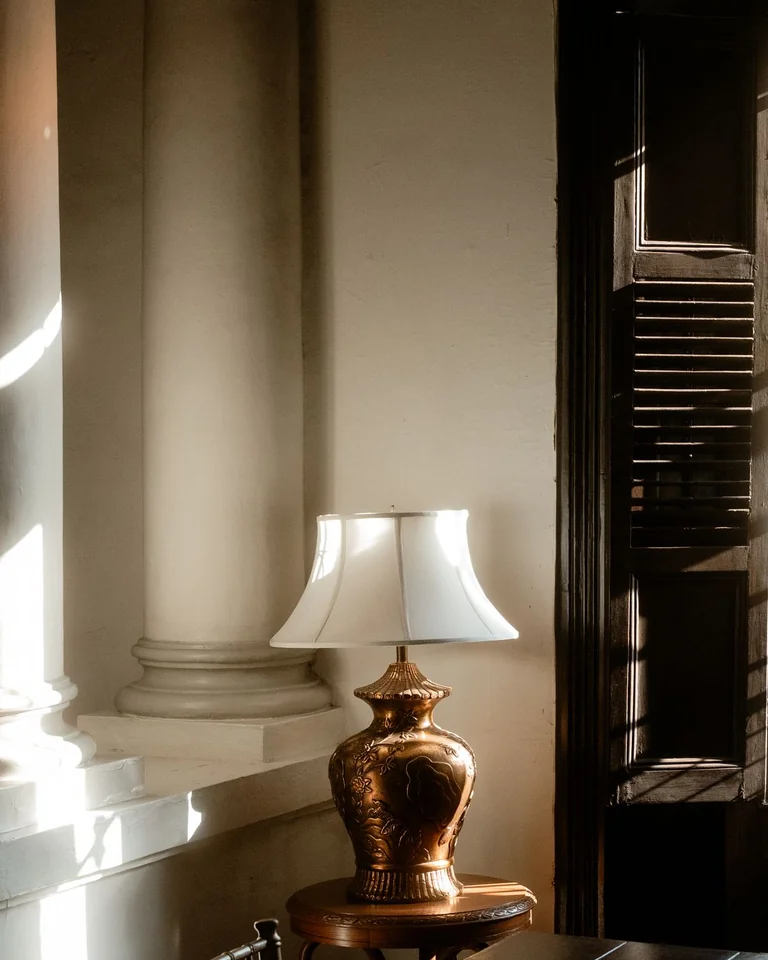
Brass is sage’s best friend. The warm metal picks up the yellow undertone hiding in sage and makes the whole room glow, especially at night. Two matching brass table lamps, a pair of brass sconces, or even brass picture frames deliver the effect — you don’t need a chandelier.
Choose brushed or aged brass over polished; the softer finish suits sage’s muted character, and it doesn’t show fingerprints. Keep it to one metal family in the room — brass plus chrome plus black hardware is one metal too many for a calm bedroom.
Soften It with Blush Pink Accents
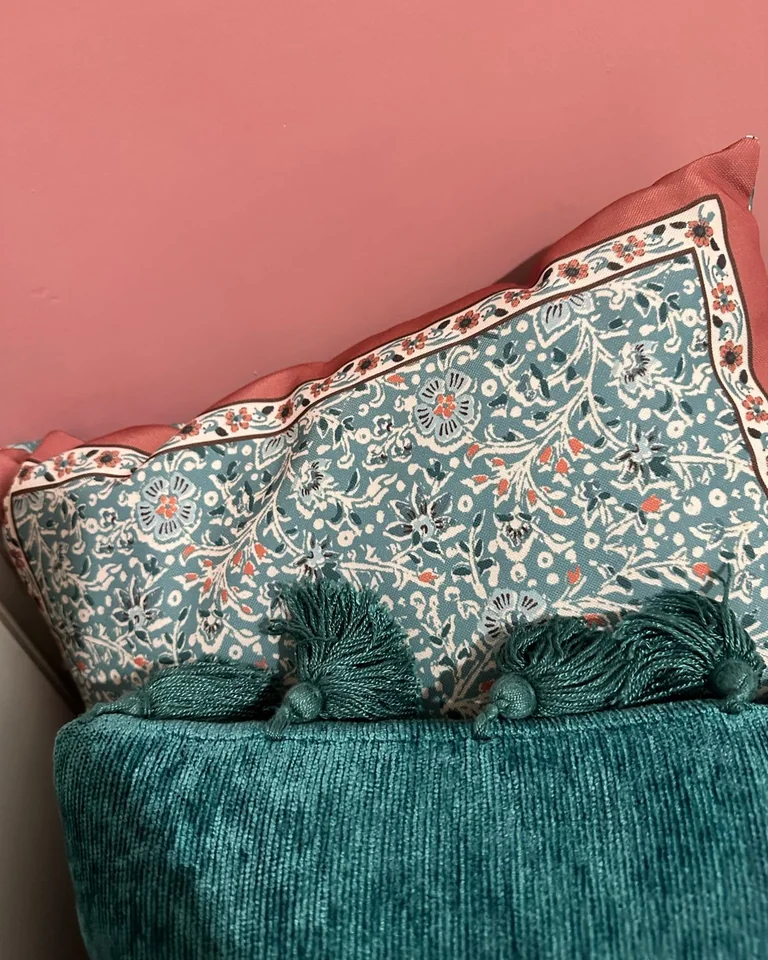
Sage and blush are the pairing that makes a bedroom feel romantic without going saccharine. The muted green steadies the pink; the pink warms the green. Two or three blush accents are the right dose — velvet cushions, a small piece of art, a throw — not a pink overhaul.
This combination photographs beautifully, which is half of why it’s everywhere, but it also works in real life because both colors are desaturated. If pink isn’t your thing, the same role can be played by terracotta or dusty peach — any warm, muted accent against the cool-leaning green.
Ground the Bed with Cream Linen Bedding

Cream linen against sage walls is the bedroom equivalent of a deep breath. The slightly wrinkled texture keeps the room from feeling precious, and cream is warmer than stark white, which matters — pure white sheets against sage can read clinical, while cream reads soft. Wash linen once before you judge it; it softens dramatically.
Layer a sage throw or two sage Euro shams on top so the green repeats on the bed, not just the walls. The 60-30-10 version: 60 percent warm white/cream, 30 percent sage, 10 percent wood and brass.
Add Warmth with Terracotta or Rust Accents

If blush feels too soft, terracotta is its earthier sibling. A rust-colored throw, a clay vase on the dresser, or terracotta-toned art pulls sage toward a warm, Mediterranean mood. Because both colors come from nature, the pairing never looks forced — it looks collected.
Keep terracotta to accents, not walls; a little goes a long way against sage. And if autumn is your season, these warm accents are the easiest thing in the room to swap — trade them for deeper rust and bronze tones and the room shifts seasons without repainting.
Paint a Dresser or Nightstands Sage
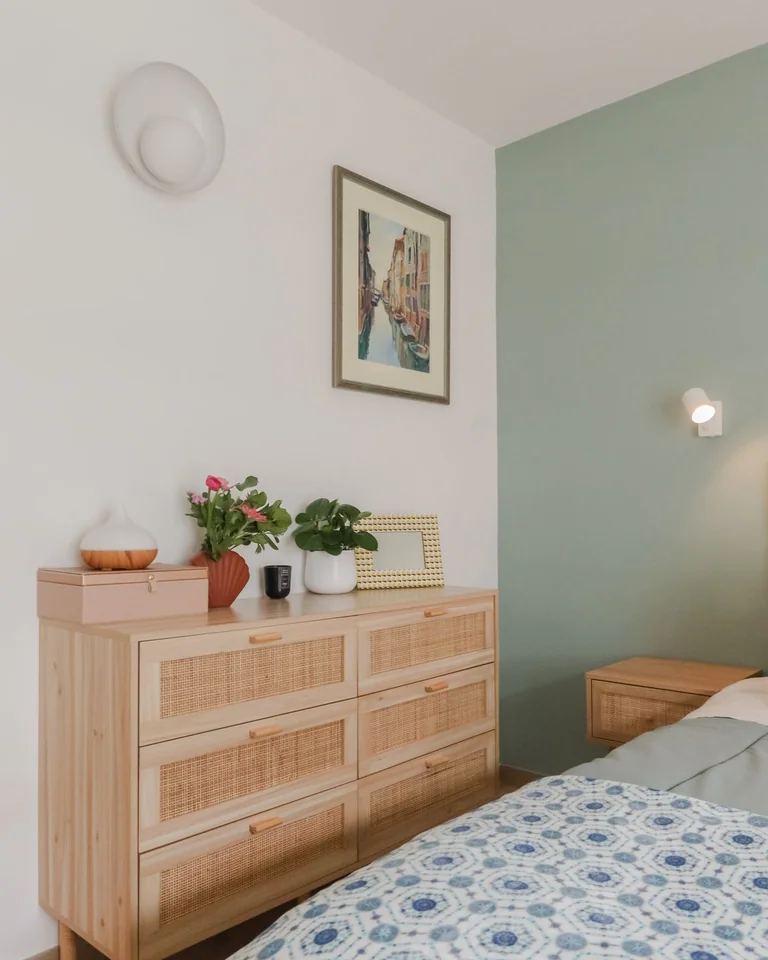
One furniture piece carrying the sage — whether you paint it sage or style a natural-wood piece against sage walls, like the rattan dresser above — introduces the color without the commitment of painting all four walls. Painting is the thriftiest route: a secondhand wood dresser, a quart of paint, and new brass knobs transform a $40 find into the room’s statement piece.
Prep decides the result. Sand lightly, prime with a bonding primer, and use two thin coats of furniture-grade paint rather than one thick coat. Satin finish is the sweet spot — matte shows every touch, gloss shows every brush mark.
Finish with Botanical Art and Real Plants
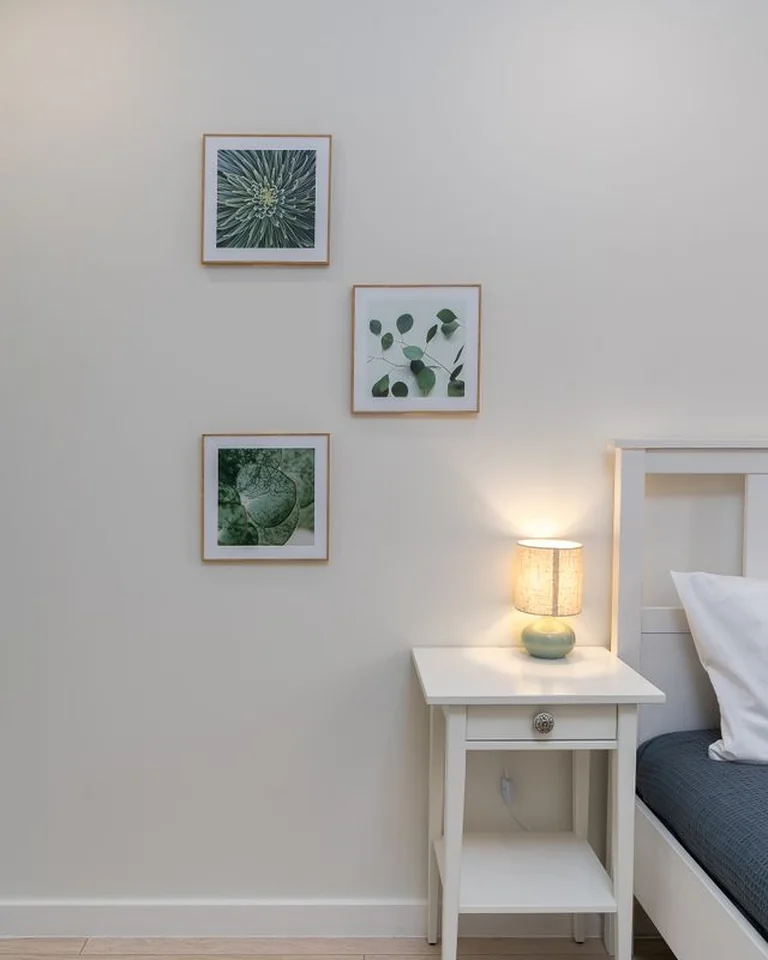
Sage is a botanical color, so botanical decor completes the story: framed leaf prints, a pressed-flower frame, one trailing plant on the dresser. Two or three pieces are enough — the goal is a quiet echo of the walls, not a greenhouse.
Match your frames to the room’s metal (brass frames with brass lamps) and keep art at eye level. A plant on the nightstand also solves the “something’s missing” feeling that empty nightstands create — and a small bedroom vanity tray with a bud vase does the same job on a dresser.
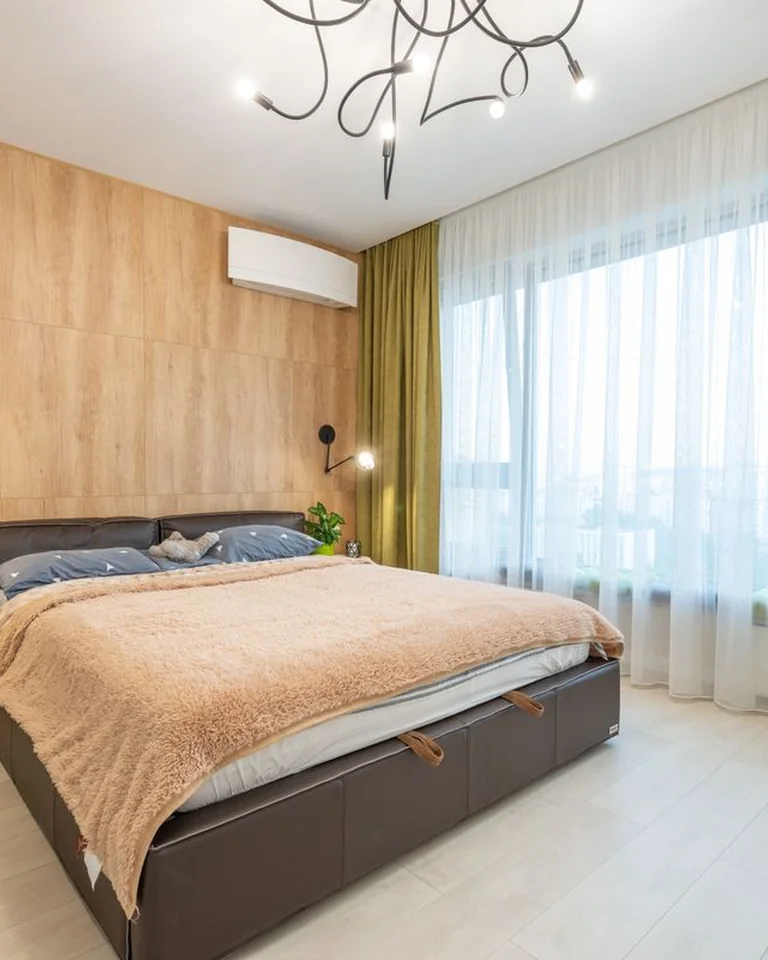
Hang Sage Curtains to Frame the Window
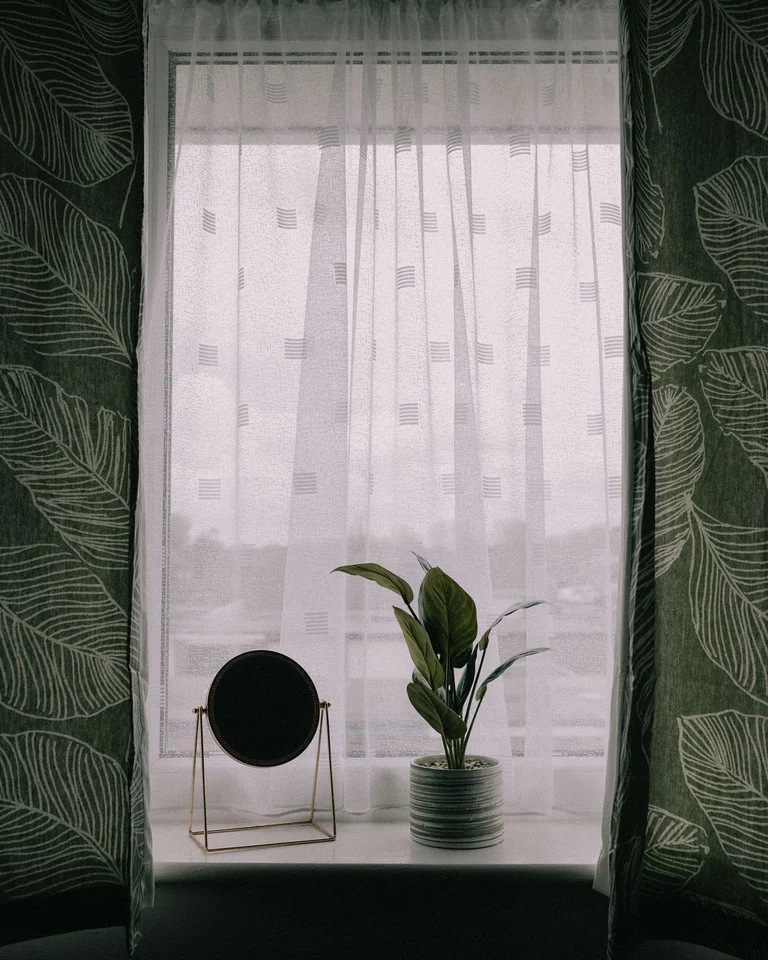
Floor-length sage curtains do three jobs: they add a tall column of color, they soften the window wall, and they make the ceiling look higher when hung close to it. In a bedroom that already has sage walls, choose curtains one shade deeper than the paint so the window reads as a feature, not a matchy-matchy blur.
Hang the rod 4 to 6 inches above the window frame and extend it 3 to 4 inches past each side — the oldest trick in the book, and it works because it borrows wall space for the window. Linen or linen-look curtains filter light softly; blackout lining behind them keeps the room sleep-dark.
FAQs
Is sage green a good color for a bedroom?
Yes — it’s one of the most reliable bedroom colors. Sage reads restful and grounded, which is exactly the mood a sleep space needs, and its muted, gray-green character keeps it feeling calm rather than bold or trendy. It also handles low light well, holding its color from morning daylight to evening lamplight.
What colors go with sage green bedroom walls?
Warm whites, cream, natural wood like oak and walnut, unbleached linen, and brushed brass all flatter sage green. For a softer look, add blush pink or terracotta accents; for contrast, crisp white trim or deep charcoal in small doses. Avoid cool gray textiles and chrome, which push sage cold — warm the room with wood or aged metals instead.
What is the best sage green paint color for a bedroom?
There’s no single best shade — it depends on your light. Widely used options designers return to include softer, airier sages for small or dark rooms and smokier, deeper sages for larger rooms with good natural light. Always test a large sample in your room for a full day before committing, since sage shifts noticeably between morning and evening light.
Can sage green work in a small bedroom?
Yes, with the right shade. Use light sage with plenty of white in it, maximize natural light, and keep the ceiling and trim warm white — avoid dark sage on all four walls in a small room. If paint feels risky, get the color from bedding, curtains, or one piece of painted furniture instead; you can even free up floor space with smart under-bed storage so the small room breathes.
What color bedding goes with sage green walls?
Cream or oatmeal linen is the classic choice — warm, textured, and relaxed. White bedding works too but can read stark; soften it with a sage or cream throw. For more personality, try blush pink accents, a terracotta throw, or bedding in a deeper forest green for tonal layering. If you love high-contrast palettes, our butter yellow bedroom ideas show how a warm accent color can lift a muted base.
Image credits: all photography sourced from Pexels under the Pexels License (free to use, no attribution required).