
12 Small Bedroom Storage Ideas That Hide Clutter (and Keep the Room Calm)
The fastest way to make a small bedroom feel bigger is not to buy more storage — it is to hide the storage you already need. Small bedrooms feel messy for one simple reason: too many visible things. When clothes, bags, chargers, and boxes stay in sight, the room reads as crowded no matter how tidy you are. Hide the clutter and the whole space calms down instantly.
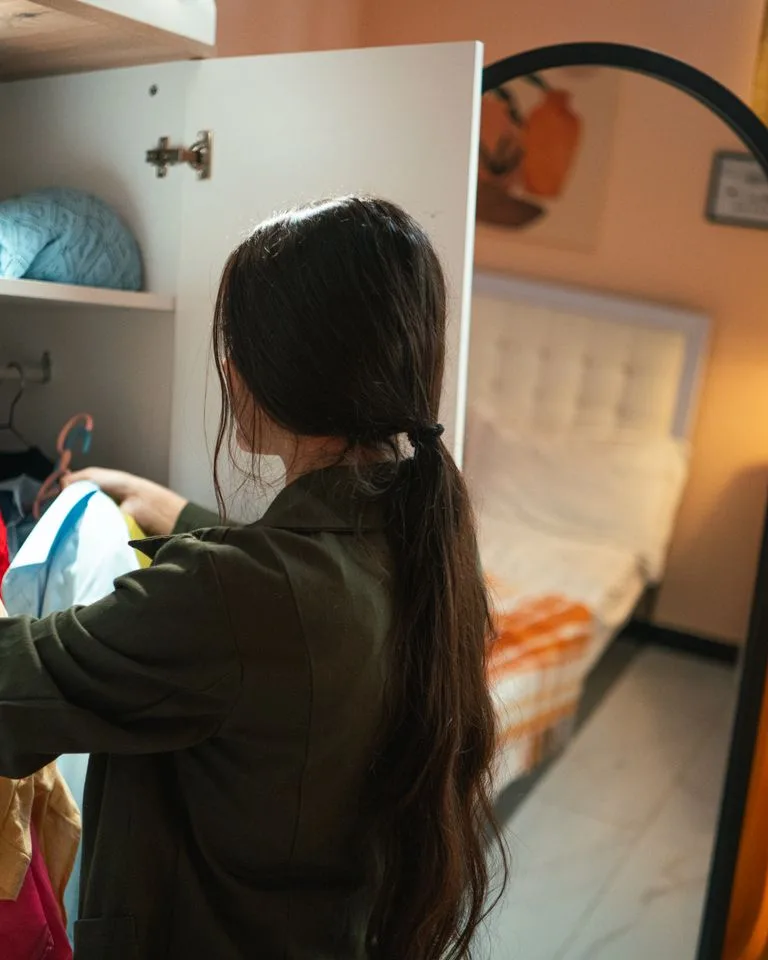
The rule is simple. In a small bedroom, every storage idea should follow three tests: it stays out of sight or behind a closed front, it matches the room’s one or two container colors, and it keeps the floor as clear as possible. A clear floor is what makes a room feel spacious, even when you own the same amount of stuff. The twelve ideas below all pass those tests, and none of them needs a renovation.
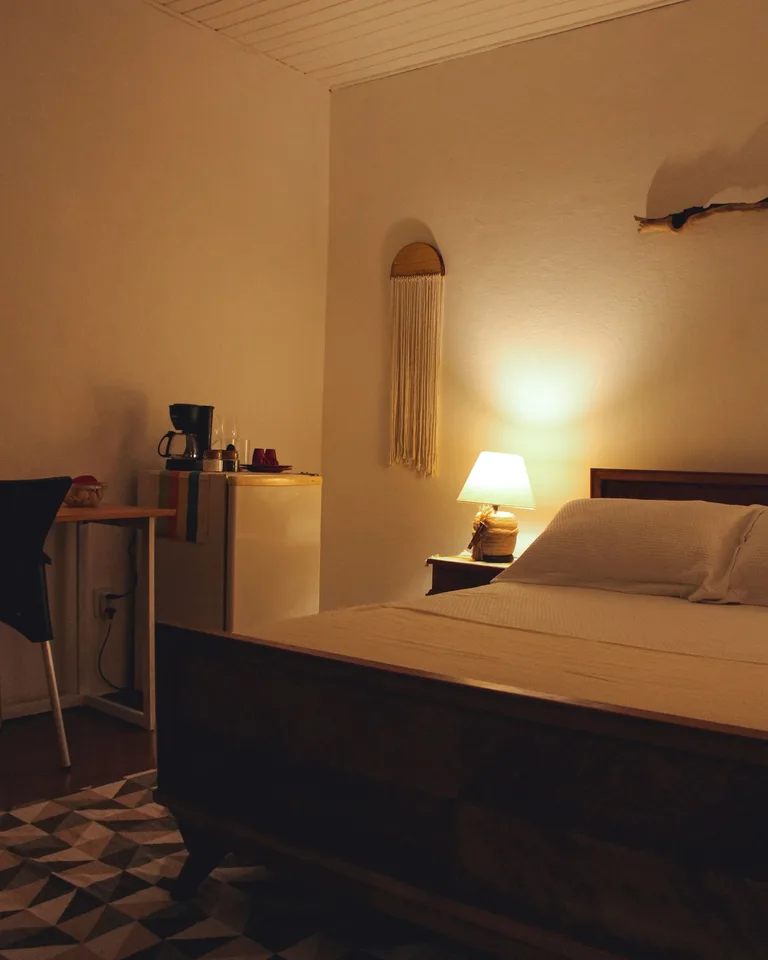
One more decision before you start: store by frequency. Things you touch daily (phone, glasses, today’s clothes) earn the easiest-to-reach spots, like the nightstand and closet-front hooks. Things you touch seasonally (heavy blankets, winter coats) go under the bed or up high. Things you almost never touch go behind labels and stay there. If your current layout fights this rule — the bed blocks the only usable wall, say — these small bedroom ideas that make every square foot work can fix the layout first, then storage slots right in.

Slide Low Bins Under the Bed
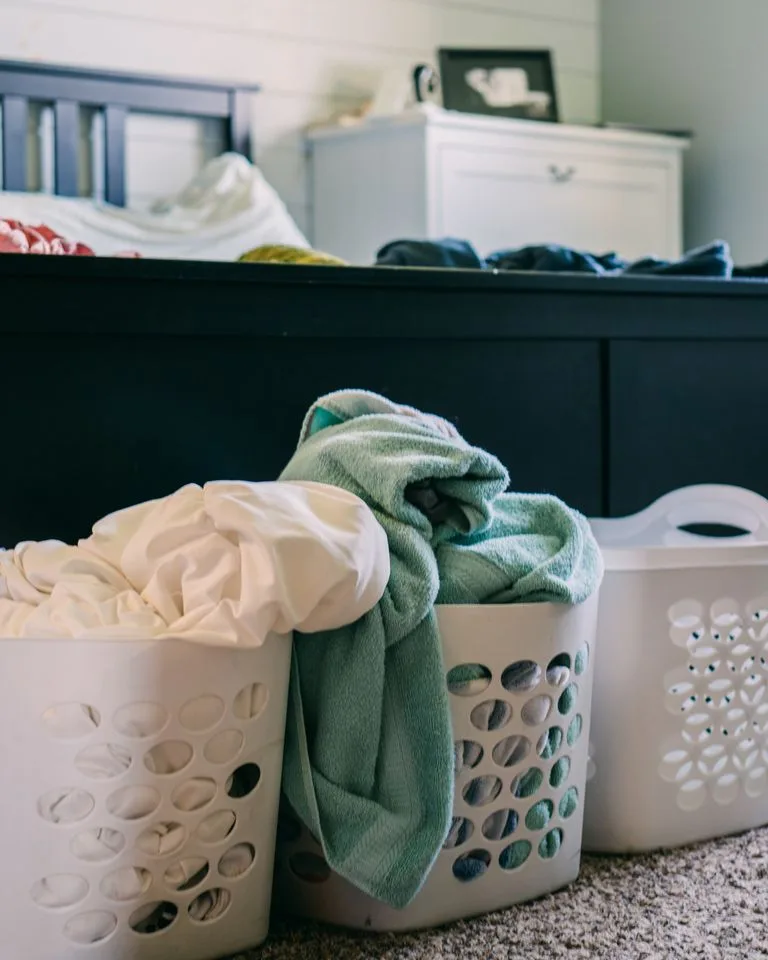
The space under your bed is the largest storage area your bedroom already owns, and it costs zero floor space. Low, flat bins on wheels slide out with one hand and disappear completely when pushed back. Choose bins with lids to keep dust off clothes and to hide the contents, because clear bins under the bed can still read as visual clutter from across the room.
Match what you buy to what you store. Vacuum-seal bags beat bins for bulky winter bedding, slim rolling drawers beat bins for shoes, and woven baskets beat plastic when the bed sits high enough that the sides peek out — baskets look like furniture, not storage. Before buying anything, measure the clearance at the bed’s lowest point, then buy containers at least an inch shorter. If you want to go deeper on setups, containers, and what to keep under there versus in the closet, see this full guide to under-bed storage ideas.
File-Fold Clothes Instead of Stacking Them
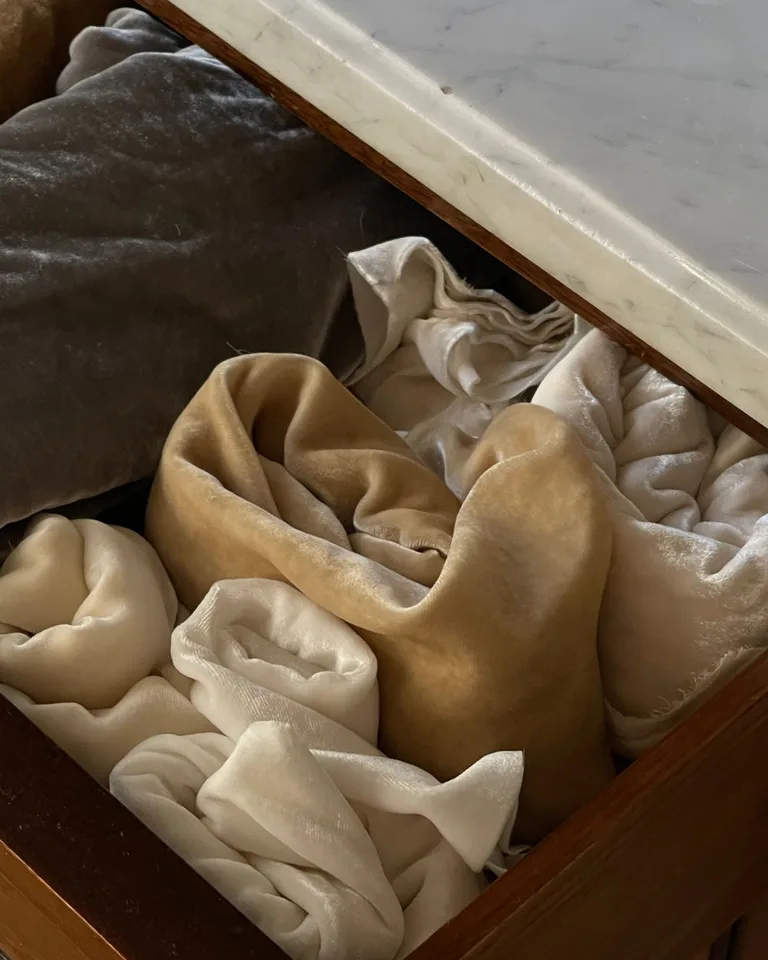
Drawers do not fail because they are too small — they fail because folding and stacking lets everything collapse into one chaotic pile. File-folding changes the game: each item is folded into a rectangle and stored upright like files in a folder, so you can see every t-shirt, pair of socks, or scarf at a glance. One drawer suddenly holds what two stacked drawers used to.
This trick is free and it is the single highest-impact change for bedrooms with small dressers or nightstands. Add cheap spring-loaded drawer dividers or slim open-top boxes so the “files” stay upright when the drawer is half empty. The bonus is discipline: when every item has a visible slot, you notice when something is missing — and you notice when you own twelve identical t-shirts.
Raise the Bed for Instant Extra Clearance
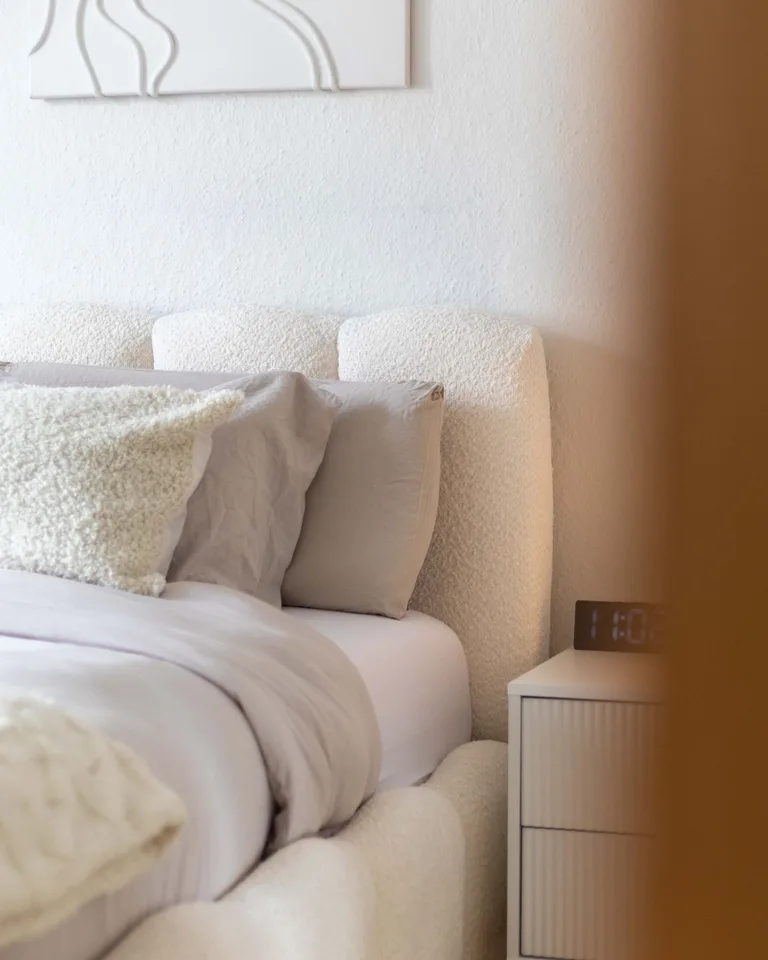
If your bed sits low, you are wasting the easiest hidden storage in the room. Sturdy bed risers lift a frame by three to eight inches, turning a four-inch dust gap into a real storage bay that fits proper rolling bins. It is a fifteen-minute upgrade, renter-friendly, and it costs less than one dinner out.
Measure the clearance at the lowest point of your frame before you shop — bed legs are not always uniform. Choose risers rated for your bed’s weight (a queen with two people and a heavy mattress needs far more than the minimum), and put the largest riser blocks at the center legs if your frame has them. Once raised, keep a slim LED light strip or even a tap light under the bed so you can actually find what you store there instead of fumbling in the dark.
Go Tall and Narrow With Closed Baskets
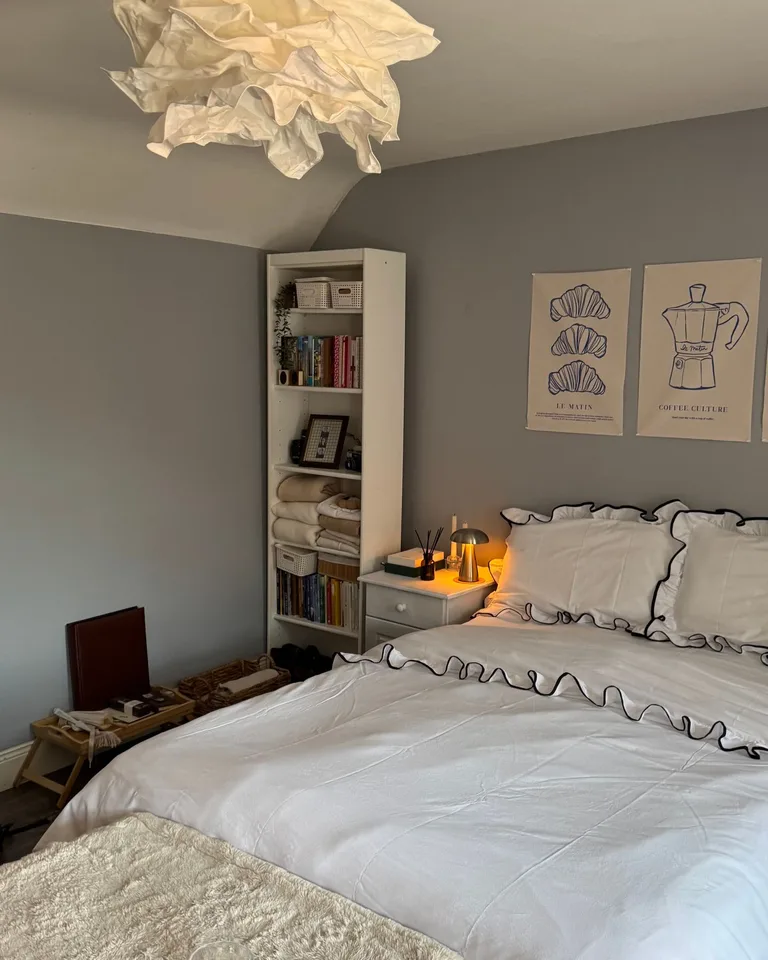
When the floor is full, the only direction left is up. A tall, narrow bookcase uses barely any floor footprint and gives you an entire wall of storage — but the difference between calm and chaos is what goes on the shelves. Reserve the shelves for closed baskets and lidded boxes, not open piles, and your wall of storage reads as architecture instead of overflow.
Pick a bookcase no deeper than about twelve inches so it does not swallow the room, and keep every basket in the same one or two colors (natural seagrass and white, for example). That uniform look is doing half the hiding work: matching containers make a full shelf feel intentional while mismatched ones make it feel temporary.
Keep Furniture Low and Leggy So Floors Stay Visible
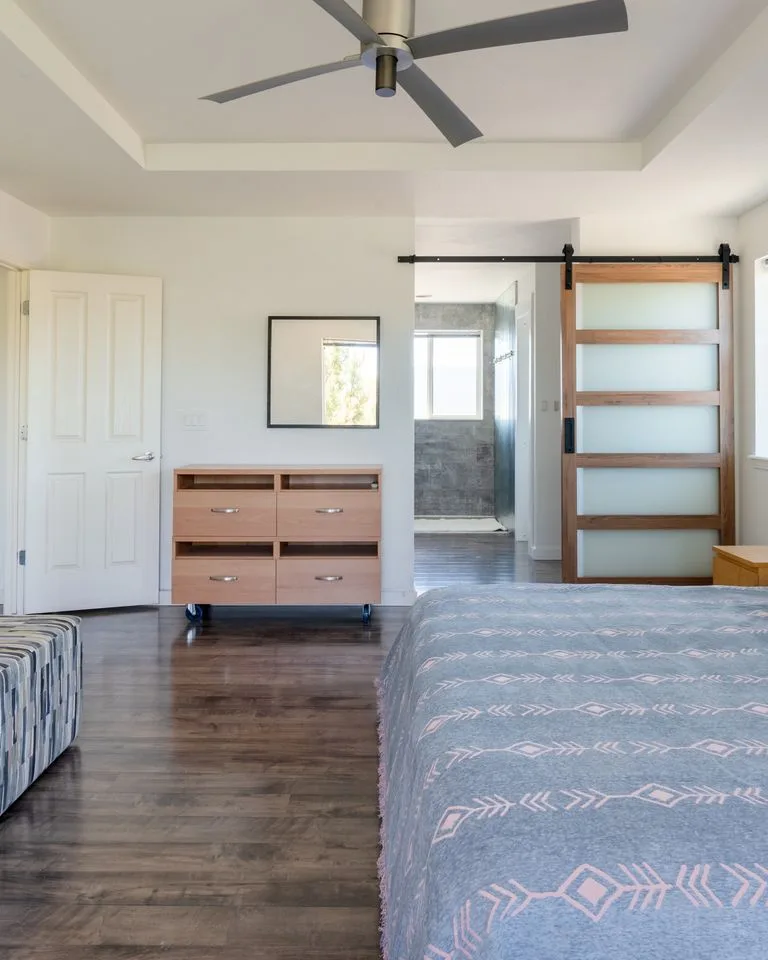
A dresser that hugs the floor looks like a wall of wood, while the same dresser on slim legs or casters shows a strip of floor underneath and the whole room breathes. Visible floor is the cheat code for small bedrooms: it is what tells your eye the room is larger than it is. Prefer furniture that shows legs, wheels, or at least a shadow gap under it.
This also solves the “furniture soup” problem. A long, low console on wheels can replace both a bulky dresser and a separate mirror stand, and you can roll it aside for cleaning or when you need floor space for a yoga mat. This rule matters most in skinny rooms, where one wrong chunky piece blocks the only walkway — measure the walkway first, then choose the slimmest piece that still holds your things.
Choose a Nightstand With Real Drawers
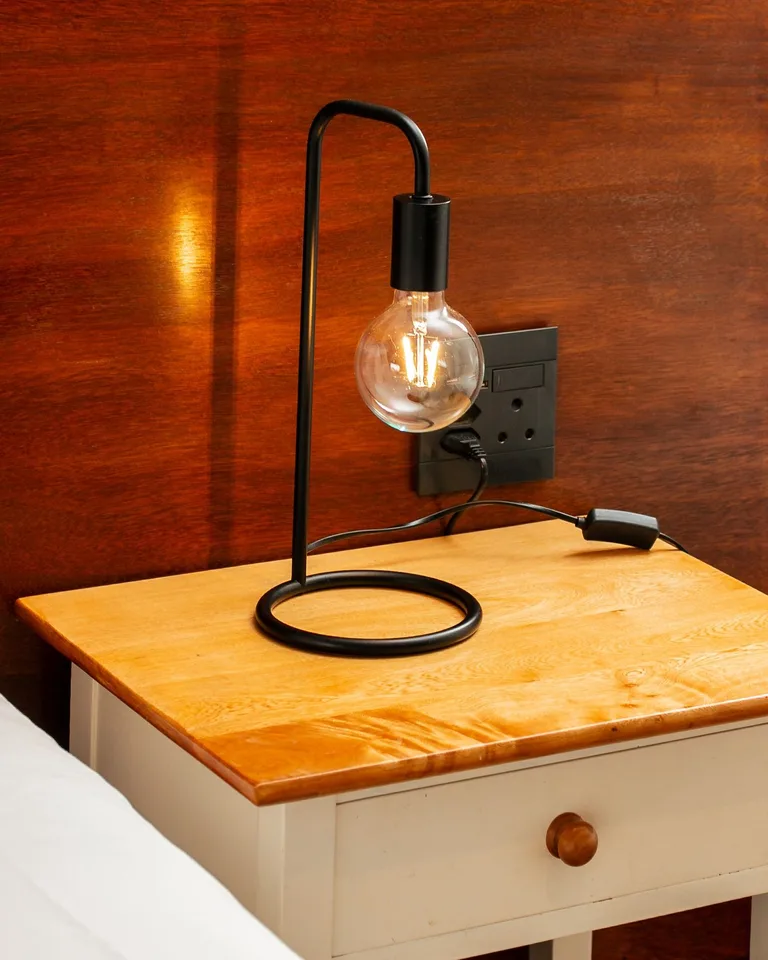
The bedside area is where clutter is born: chargers, books, glasses, medication, lip balm, a water bottle, and whatever you read on your phone last. An open nightstand shelf turns all of that into a permanent display. A nightstand with at least one real, deep drawer swallows the whole mess and leaves the surface for a lamp and one book.
If a full-size nightstand does not fit, the drawer principle still applies in miniature. A wall-mounted cubby with a single small drawer, or even a sturdy basket that hangs from a bed hook, keeps the floor clear and the mess contained. And if your bedside table also serves as your getting-ready spot, let it borrow tricks from these bedroom vanity ideas — a small mirror, one tray for daily essentials, and everything else behind a drawer front.
Turn the Wall Beside the Door Into a Catch-All
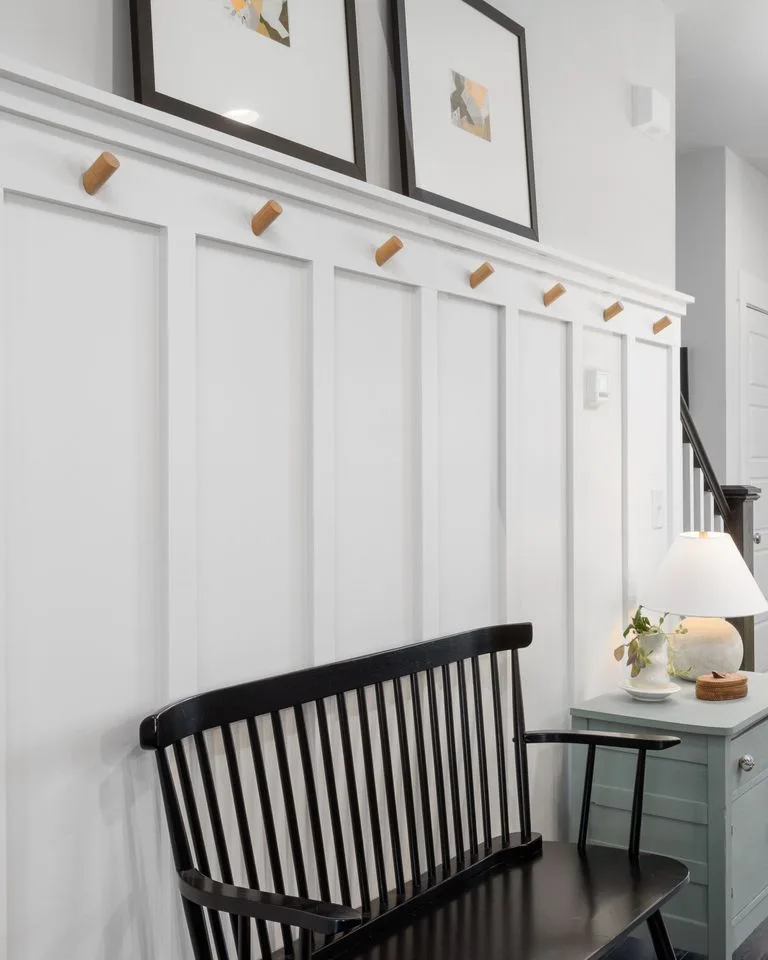
The stretch of wall right next to your bedroom door is almost always dead space, yet it is perfectly placed for the things that migrate onto your bed: tomorrow’s outfit, your bag, a jacket. A short row of sturdy peg hooks handles bags, hats, and robes, and a slim chest or lidded bench underneath catches shoes and anything you drop when you walk in.
Keep this zone tight and intentional: three to five hooks is plenty, and the hooks should hold only what you actually wear this week. Overflow goes to the closet, not to a sixth hook. The slim chest underneath doubles as hidden storage — inside it can live the shoes, gym bag, or laundry hamper that otherwise end up in a corner pile by Friday.
Double Your Closet With a Second Hanging Rod
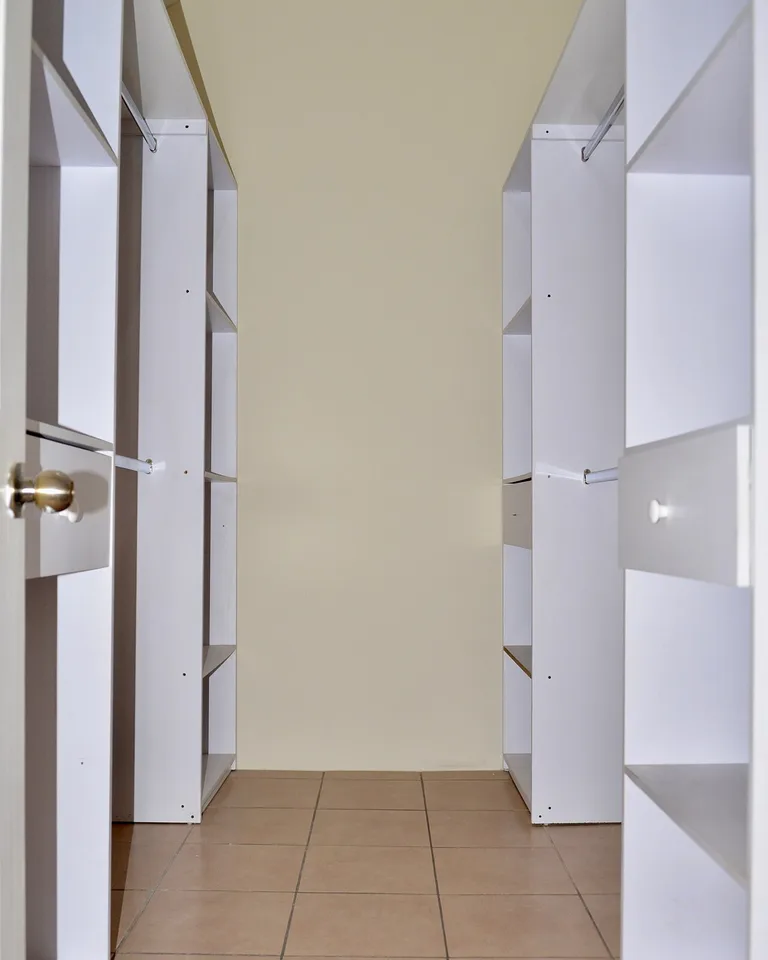
Most closets waste the entire bottom half below the hanging rod. A tension-rod second rail, hung at about half height, instantly doubles hanging space for shirts, blouses, and folded-over pants. It costs very little, needs no drilling, and comes out cleanly when you move — the perfect renter upgrade.
Pair the second rod with slim velvet hangers, which can cut the horizontal space each garment needs by roughly a third compared to chunky plastic ones. Then add one hanging shelf organizer in the remaining gap for folded knits and bags. In a shared bedroom this trick earns its keep twice over: give each person one rod and one shelf column, and the closet stops being a battleground.
Corral Small Stuff in Matching Lidded Boxes
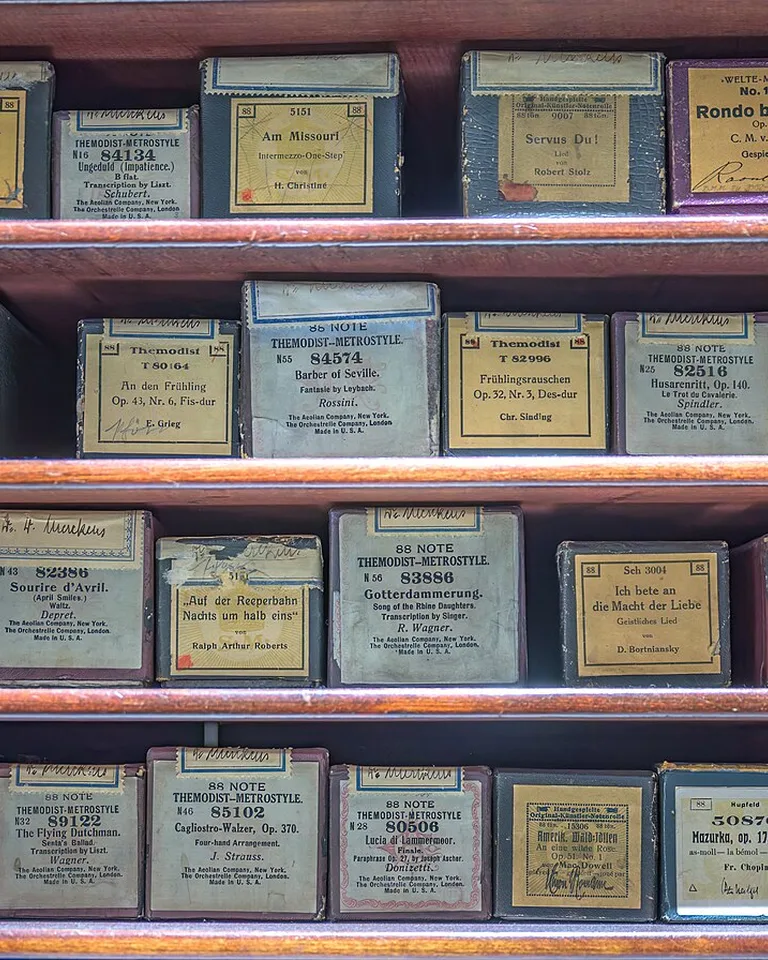
Small items create more visual noise than furniture does. Cables, spare batteries, jewelry, reading glasses, and sewing kits scattered across shelves and dressers make the whole bedroom look cluttered even when the big pieces are perfect. The fix is grouping: sort by category, put each group in its own lidded box, and label the box so “hidden” never becomes “lost.”
Stick to one material story — linen boxes in cream and white, say, or frosted acrylic — so the boxes read as decor rather than as organization tools trying too hard. A label maker is the secret finish: clear labels mean you will actually put things back, and putting things back is the entire point. This one habit quietly does more for a calm bedroom than any single furniture purchase.
Hide an Open Wardrobe Behind a Curtain
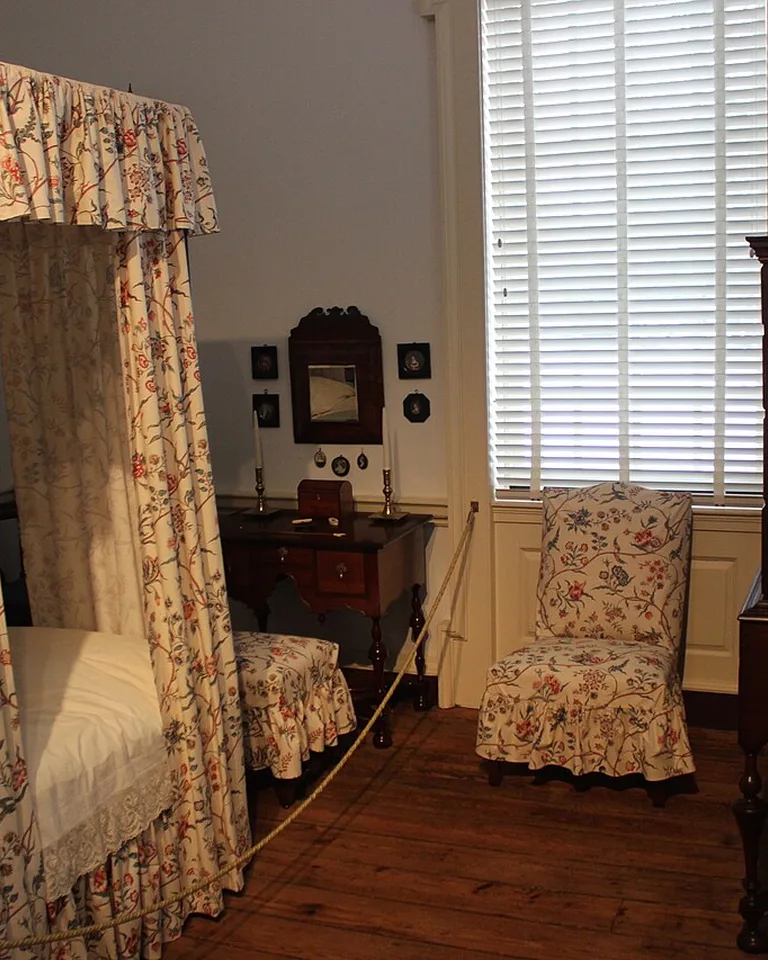
No closet, or an open wardrobe you cannot stand looking at? A simple tension rod and a full-length curtain panel turn an alcove or an open shelving unit into a “wardrobe” that vanishes at night. Choose a soft, neutral fabric and let the panels fall all the way to the floor — the long line actually makes the wall look taller.
This trick works beautifully for odd architecture too: alcoves, slanted ceilings, and the awkward corner by the window all become storage you can close with one tug. Keep the curtain color close to your wall color for the calmest effect, and skip fussy patterns that call attention to exactly what you are trying to hide. When the fabric itself is quiet, the room stays quiet.
Style the Windowsill as a Second Nightstand

If your bed sits against the window wall, a wide windowsill can replace one nightstand entirely — no floor space, no furniture purchase. A small lamp, an alarm clock, and one book fit neatly, and morning light does the rest. It is one of the oldest small-bedroom tricks, and it still works because it borrows space the room already had.
Keep the sill edited like a shelf, not a junk drawer: group items in odd numbers and leave breathing room between them. A tray under the lamp and candle keeps everything visually contained, and a small plant softens the hard edge of the sill. To double the effect, hang a mirror on the adjacent wall — it bounces the window light deeper into the room, a trick these full-length mirror ideas put to work on the whole-bedroom level.
Move Rarely-Used Items to High Shelves
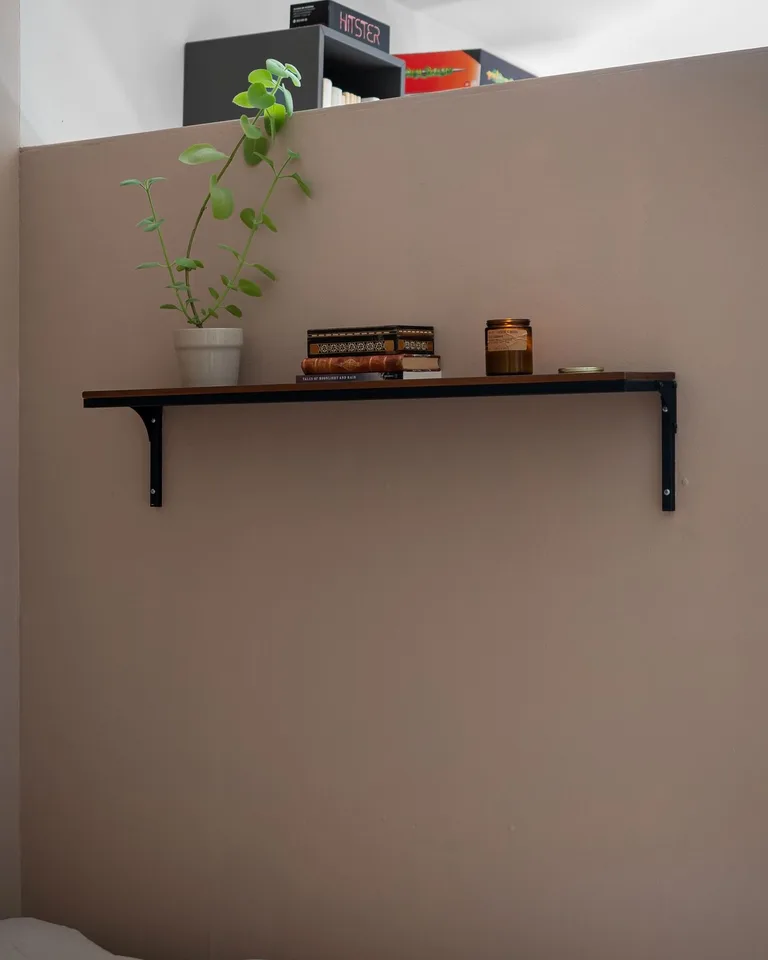
Not every shelf needs to be reachable. The strip of wall above the door frame, above the headboard, or high in the closet is perfect for the things you need twice a year: luggage, guest bedding, off-season decor, archived paperwork. High shelves store them without stealing a single inch of daily-living space.
The rule that keeps this from turning into clutter: if you need a step stool to reach it, it must live in a closed box with a label on the side you can read from below. Reserve the pretty open shelf for the rare item that earns display — one plant, a couple of books, a candle. Everything else goes up, gets labeled, and gets out of your sightline for the other 363 days of the year.
Frequently Asked Questions
How can I add storage to a small bedroom without making it feel crowded?
Choose furniture that hides storage inside itself — a bed frame with drawers, a lidded bench, a nightstand with real drawers — so you gain capacity without adding pieces to the room. Keep every storage container in one or two matching colors, and leave as much floor visible as possible with wall shelves and slim-legged furniture. A clear floor does more for spaciousness than any decluttering marathon.
What are the best under-bed storage solutions for a small bedroom?
Rolling bins with lids are the best all-round choice because they slide in and out easily, keep dust off your things, and disappear completely under the bed. Vacuum-seal bags are better for bulky seasonal items like comforters and winter coats because they compress flat. If your bed sits low, bed risers create the clearance you need — just measure at the lowest point of the frame before buying.
How can I make a small bedroom feel bigger?
Hide the clutter first, because visible stuff is what shrinks a room. Use a tone-on-tone palette, keep furniture low and leggy so floor shows underneath, add one mirror to bounce window light, and move rarely-used items to high closed shelves. Consistent container colors and closed fronts keep the eye gliding instead of stopping on every pile.
Any tips for storage without clutter?
Think vertical and hidden: wall hooks beside the door, a second hanging rod in the closet, high shelves for seasonal items, and the back of the door for slim organizers. Group small items into labeled lidded boxes so nothing drifts. And follow the frequency rule — daily items at arm’s reach, seasonal items under the bed or up high, rare items labeled and out of sight.
How do I arrange furniture in a tiny bedroom?
Place the bed first with clear door swing and at least two feet of walkway on the sides you use, then build storage along the longest uninterrupted wall. Keep deep pieces off the wall opposite the entry so the room opens up when you walk in. Tall, narrow storage beats wide, deep storage every time — it gives you capacity without eating the floor plan.
A small bedroom never needs to feel like a storage unit. Start with one idea — under-bed bins, a second closet rod, or labeled boxes — and let the calm spread from there. Every hidden item is one less thing your eyes have to process, and in a small room, that quiet is the whole point.