
12 Pegboard Ideas That Organize Every Room in Your Home
A pegboard is one of the cheapest, most adaptable organizers you can put on a wall. It’s a simple panel with evenly spaced holes that accepts hooks, baskets, shelves, and dowels — so you can hang almost anything and rearrange it whenever you want. The best pegboard ideas go far beyond the garage: they work in kitchens, home offices, craft rooms, entryways, bedrooms, and laundry rooms.
Below are 12 practical pegboard ideas for every room in the house. Each one tells you what to hang, which accessories to buy, and how to mount it safely so it actually holds the weight.

Before you drill anything, know the basics. Pegboard comes in wood hardboard, metal, and plastic. Hardboard is cheapest and easiest to paint; metal panels hold heavy tools and resist sagging; plastic works in damp rooms like laundry rooms and bathrooms. Always mount the board on spacers or furring strips so there’s a gap between the board and the wall — hook ends need that space to slide in. And anchor into wall studs whenever you’ll hang anything heavier than scissors and notebooks.
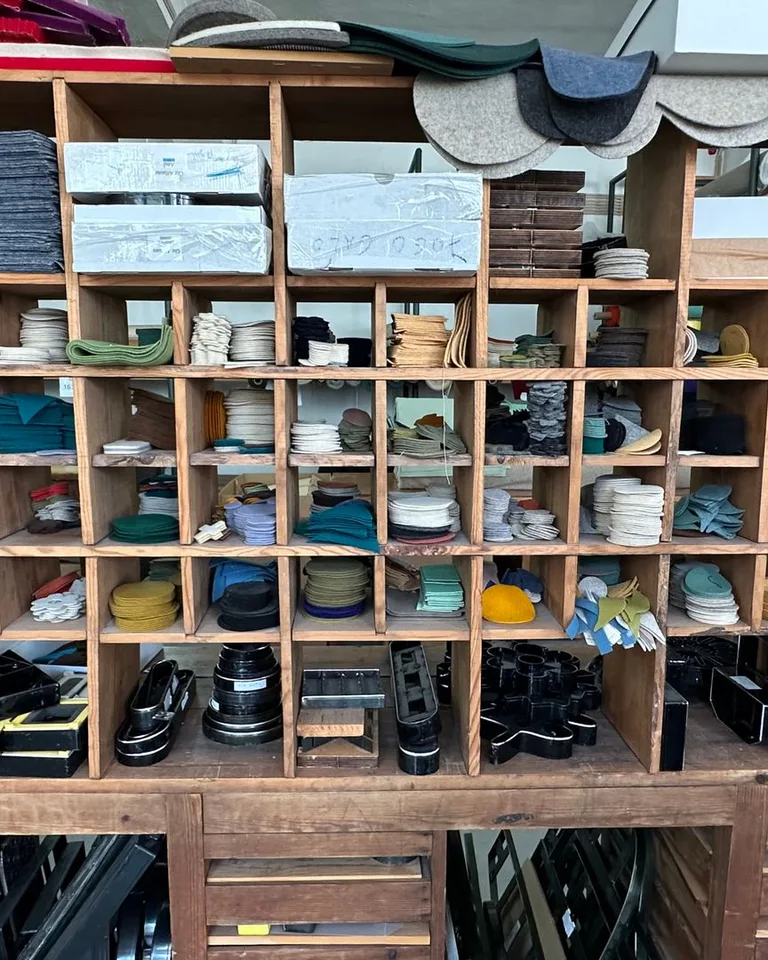
You can also make a pegboard look genuinely good, not like a hardware store display. Paint it a soft neutral or a bold accent color (use thin coats so you don’t clog the holes), frame it with simple trim for a built-in feel, and stick to one hook style in a single finish — black metal, brass, or natural wood. That one styling habit is what separates a curated wall from a cluttered one.
Kitchen Utensil Wall

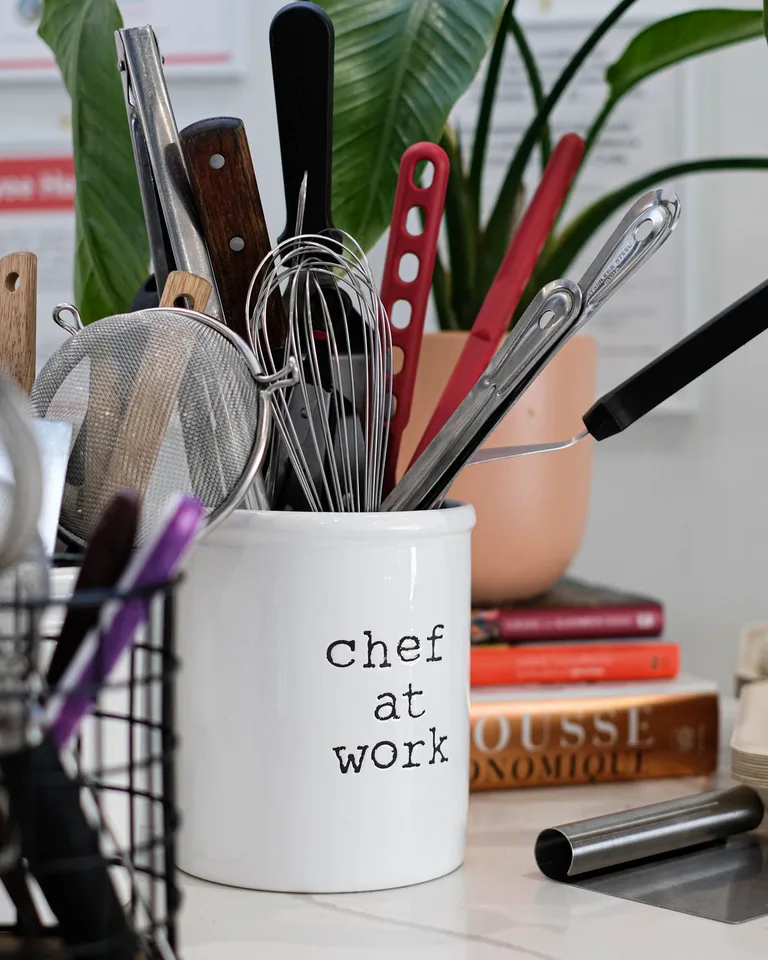
Hang your everyday cooking tools on S-hooks and stop digging through a packed utensil drawer. Spatulas, ladles, whisks, tongs, and slotted spoons hang perfectly from standard pegboard hooks — arrange them in order of how often you use them, with the daily tools at arm’s reach near the stove (but not directly above a heat source). This is the trick behind many open, workable kitchens, and it pairs beautifully with wood tones like the ones in these natural wood kitchen cabinet ideas.
For heavier items, upgrade to metal pegboard panels and heavy-duty hooks, and mount the whole board into wall studs. A standard 1/4-inch hardboard panel holds light-to-medium utensils fine, but cast-iron skillets and stacked pans belong on metal or on short, wide hook spans anchored into studs. Add a small basket for measuring spoons and clip a shopping list to a binder clip on a hook.
Craft Room Supply Wall
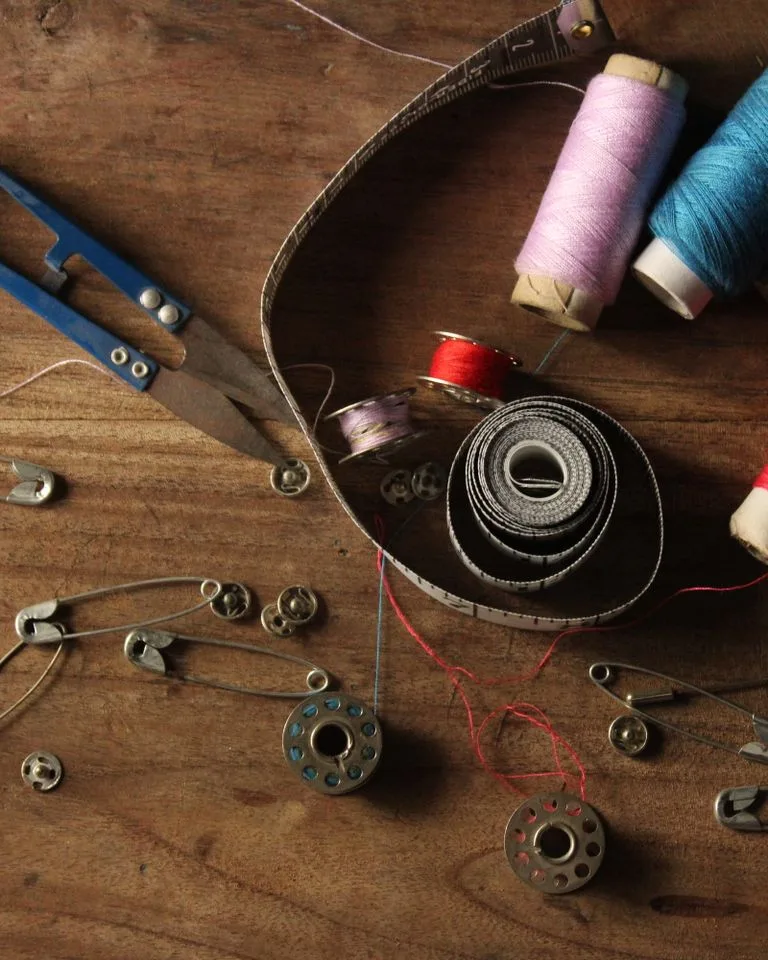
A craft pegboard turns the “where did I put the good scissors?” problem into a glance-and-grab system. Use a mix of accessories: mesh baskets for markers and paintbrushes, dowel rods for ribbon spools and washi tape (thread the rods through the dowels so ribbons feed off the wall), small hooks for scissors and rulers, and tiny shelves for glue bottles and ink pads. Group supplies by the project you’re working on, not by type — keep your current project’s tools at eye level and rotate seasonally.
This is also where pegboard beats drawers: you can see everything at once, which matters when a color or a spool triggers the idea. Outline tool shapes on the board with painter’s tape or a paint marker so every item has a home and missing pieces are obvious at a glance.
Home Office Desk Command Center
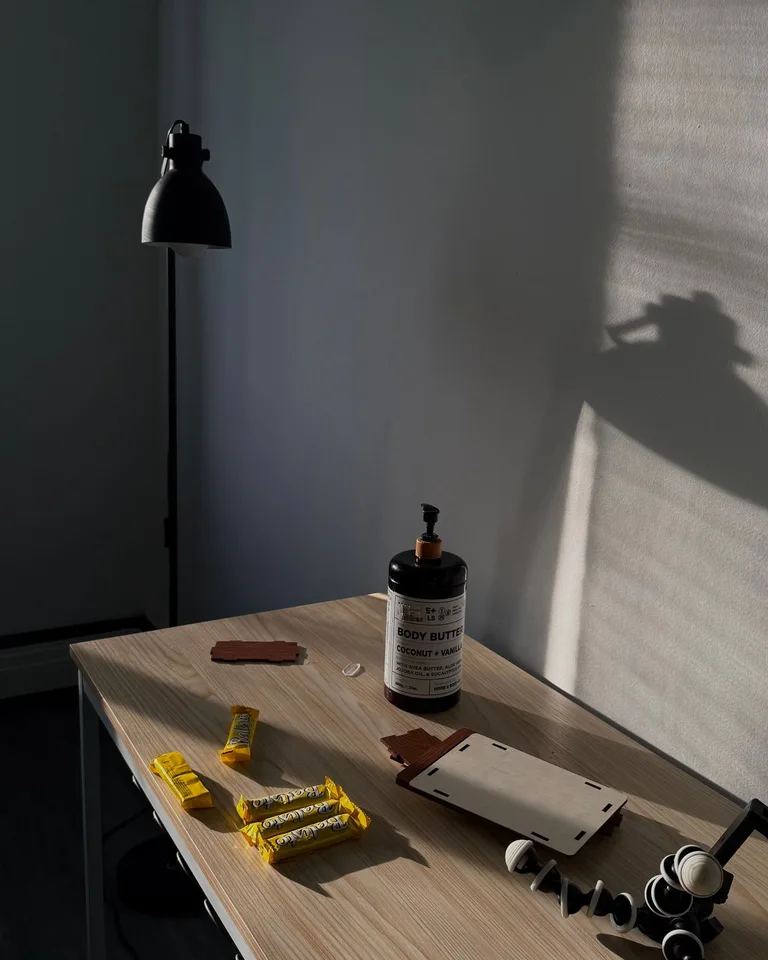
Move desk clutter to the wall above your desk. A pegboard panel with baskets for pens and chargers, a file holder for mail and notebooks, clipboards for to-do lists, and one deep hook for your headphones clears the entire desk surface. Add a tiny shelf for a small plant and a vision board made of binder clips holding inspiration prints. The result: your desk holds only your laptop, keyboard, and coffee.
Mount a small panel (about 2×3 feet) with wall anchors or adhesive strips rated for the load — a desk command center carries light items, so rental-friendly mounting works well here. Keep cords in one basket with a small power strip clipped beside the board, and you’ll never untangle a cable again.
Garage Tool Wall
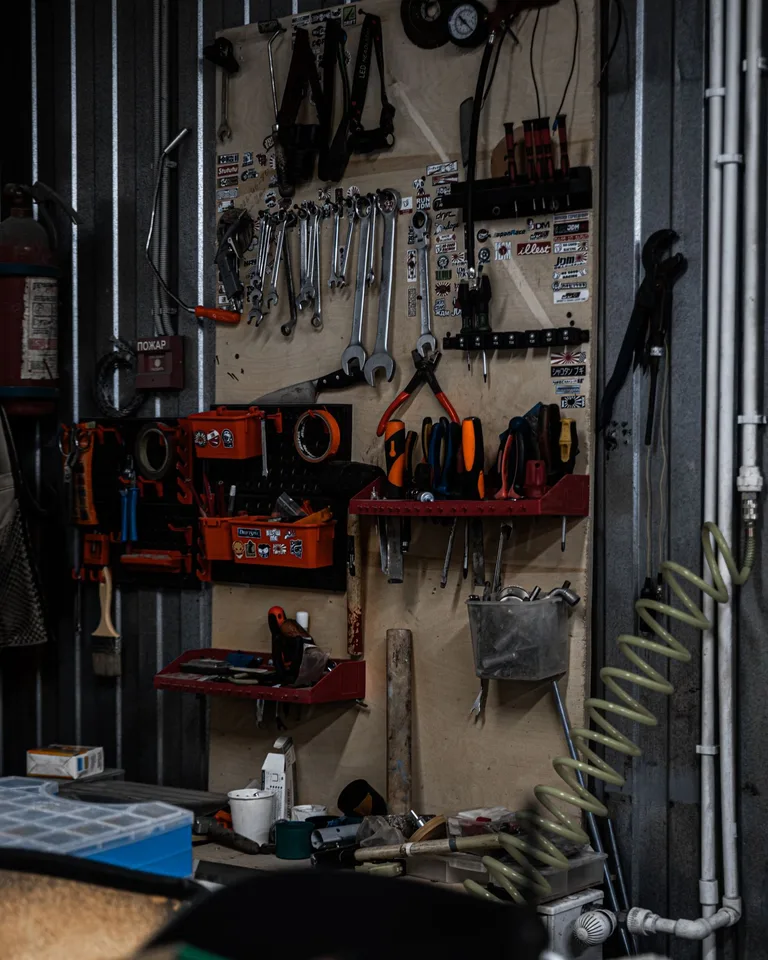
This is the classic for a reason. Line a garage or workshop wall with pegboard and hang hand tools where you can see and grab them: hammers, screwdrivers, pliers, tape measures, levels. Use heavy-duty hooks for power tools and add short PVC pipe segments slipped over hooks as cubbies for files, hacksaw blades, zip ties, and pencils. It frees up floor and workbench space, which is the whole point of organizing a garage — see these garage and mudroom ideas for more ways to keep the space working hard.
For the garage, metal pegboard panels are worth the upgrade — they hold significantly more weight without bowing. Screw the panels directly into wall studs, and keep heavy items low (heavy up high is a falling hazard). Label tool outlines on the board so everyone in the household puts things back where they belong.
Entryway Drop Zone

A narrow pegboard panel near the front door handles everything an entryway catches: coats, keys, the dog leash, sunglasses, reusable bags. Use double hooks for jackets and bags, a small basket for keys and mail, and a narrow shelf for sunglasses and wallet. Paint the board the same color as the wall so it reads as a built-in rather than a bolt-on organizer.
This is one of the smartest small-entry solutions because it’s completely reconfigurable — move hooks as seasons change (coats in winter, hats and sunglasses in summer). For more ideas to make a tight entrance work harder, browse these apartment entryway ideas. If you rent, choose a smaller panel and mount it with heavy-duty removable strips rated for at least double the expected load, and recheck them every few months.
Bedroom Jewelry and Accessory Display
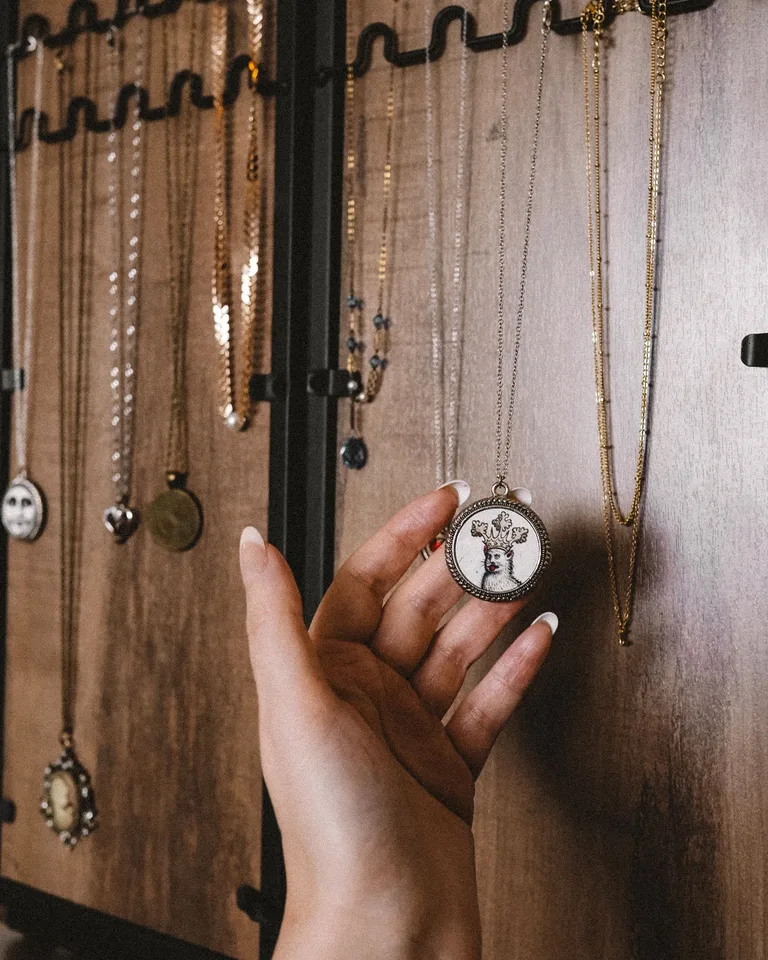
Necklaces tangle in drawers; on a pegboard they stay separated and become decor. Use short hooks or small knobs for necklaces and bracelets, add a few bars for dangling earrings, and tuck a tiny mirrored tray onto a shelf for rings. A fabric-covered or painted board mounted near your dresser or vanity doubles as wall art and a functional organizer — pair it with ideas from these bedroom vanity ideas to complete the getting-ready zone.
Keep the layout airy: leave generous negative space between pieces so it looks curated, not crowded. Small plastic pegboard panels work well inside closet doors for hidden jewelry storage — same tangle-free benefit, zero visual clutter in the bedroom itself.
Spice and Pantry Pegboard
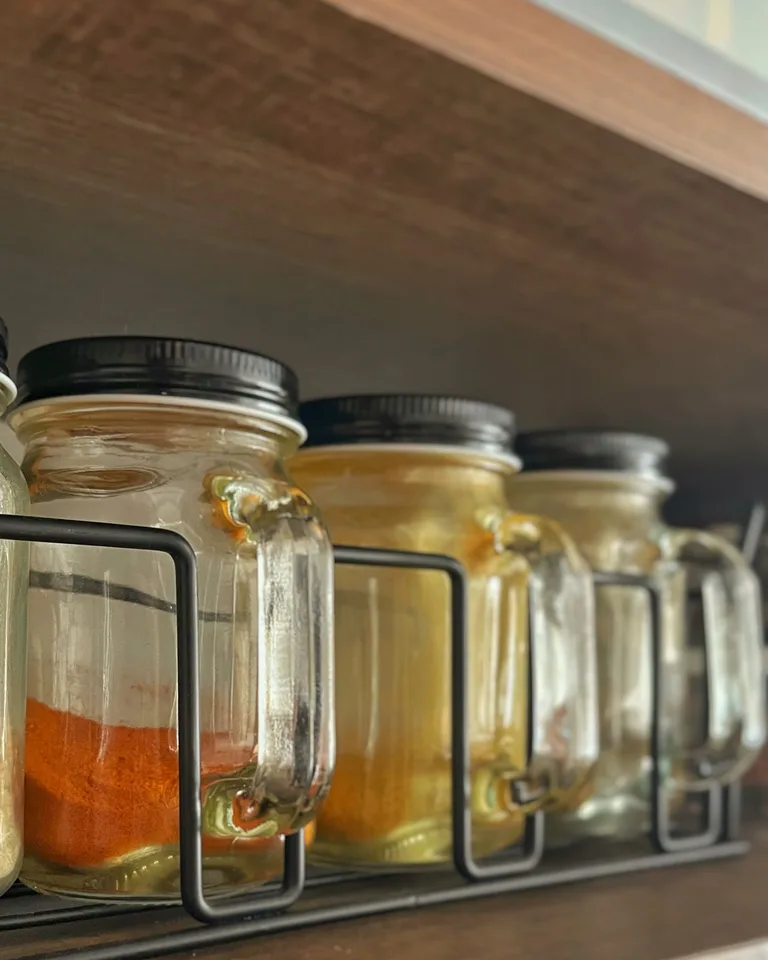
Transfer spices to matching jars and hang them in small wire baskets or on shallow pegboard shelves, arranged alphabetically or by how often you cook with them. A pegboard panel on a blank kitchen or pantry wall becomes a full spice station that frees up cabinet shelves for bigger items. Add dowel rods to hold paper towel rolls or wrap, and clip a meal-planning notepad to a hook.
This works best away from the stove — heat and steam shorten spice life and loosen adhesives, so pick a wall with good air circulation. A metal board wipes clean with a damp cloth, which matters in a kitchen; keep a small step stool nearby if you mount shelves above shoulder height.
Plant Wall and Propagation Station

Small hanging planters, wall-mounted pots, and test-tube propagation vases all fit standard pegboard hooks and shelves. Build a living wall in a bright spot: trailing pothos and philodendron in hanging baskets up top, small pots on mini shelves in the middle, and glass propagation tubes with cuttings rooting in water at the front. It’s a vertical garden that takes up zero floor space.
Water lightly and check drip trays — a plastic pegboard or a metal panel handles humidity better than raw hardboard, which can warp in damp air. Mount near a window but out of harsh direct sun for most houseplants, and keep the whole arrangement within reach of your watering can so maintenance actually happens.
Sewing and Needlework Station
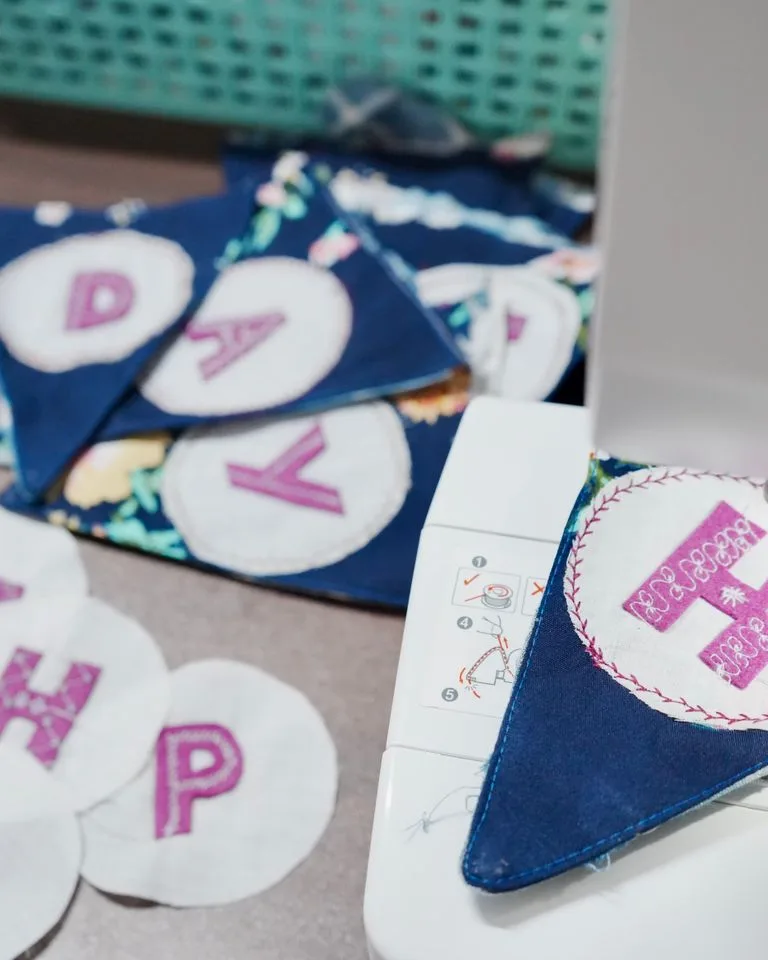
Thread spools, bobbins, rotary cutters, rulers, and measuring tapes are exactly the small, easy-to-lose items a pegboard was made for. Mount dowel rods horizontally to hold thread spools so thread feeds straight off the wall, use clear jars on pegboard shelves for buttons and notions, and hang scissors, seam rippers, and rulers on hooks in cutting order. A pegboard beside your sewing table puts the top five tools within one arm’s reach.
This is another spot where the tape-outline trick pays off: sewing tools migrate to other rooms, and an outlined empty spot tells you instantly what hasn’t come back. Keep the board at seated eye level and leave the bottom third open for in-progress fabric pieces hung on clips.
Kids’ Art Supply Station

Mount a low pegboard in a play area or kids’ room and load it with art supplies in washable, lightweight baskets: crayons, markers, watercolor sets, sticker sheets, and coloring books. Hooks hold smocks and aprons, and a small shelf displays finished artwork with binder clips — rotating the gallery keeps kids proud and engaged. Everything has a visible spot, which genuinely makes cleanup faster because there’s no guessing where things go.
Hang the board low enough that kids can reach it independently (about their shoulder height), and skip glass or heavy containers — go plastic or fabric bins only. Bright paint on the board itself makes the station feel like theirs, and washable paint on the wall behind it saves you from masterpiece-related regrets.
Laundry Room Organizer
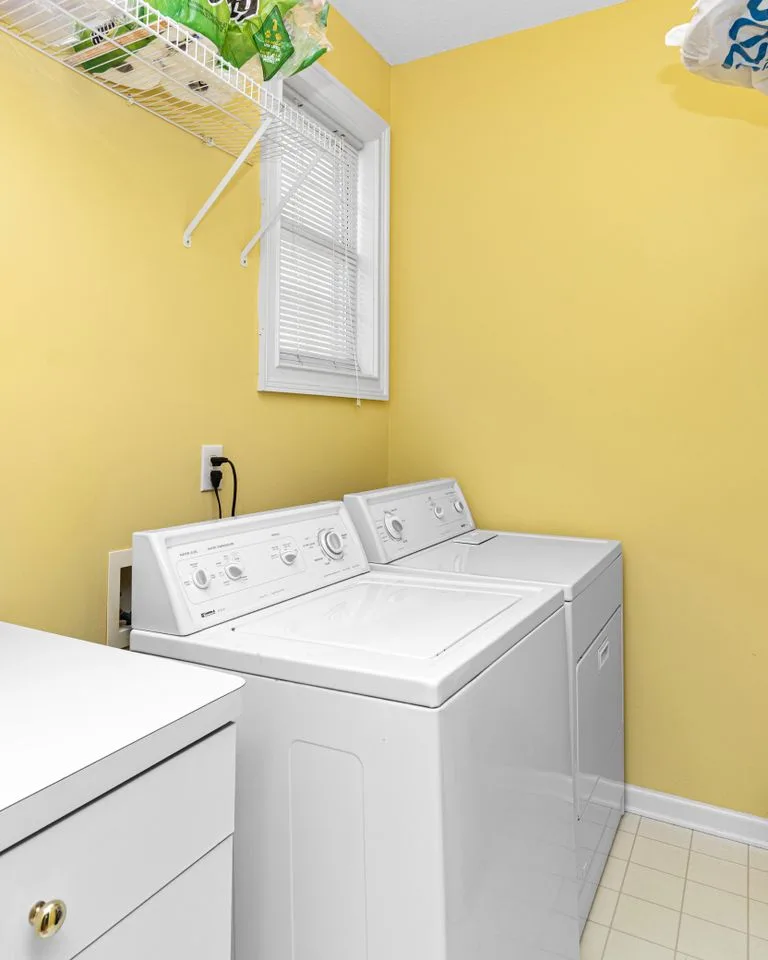
Laundry rooms are small and hardworking, which makes them perfect pegboard territory. Hang lint rollers, stain sticks, and mesh laundry bags on hooks; add wire baskets for dryer sheets and clothespins; mount a folding drying rack on the board’s lower hooks; and use a shallow shelf for detergent bottles you grab every load. One board can absorb almost all the loose clutter around the washer and dryer — and these renter-friendly laundry room upgrades have more ideas in the same spirit.
Choose plastic pegboard here if the room runs humid, or seal hardboard with paint on all sides and edges. Keep detergent bottles on the shelf (not hanging), since they’re heavy and awkward, and leave the area directly above the dryer vent clear so heat doesn’t warp the board.
Coffee Station Pegboard
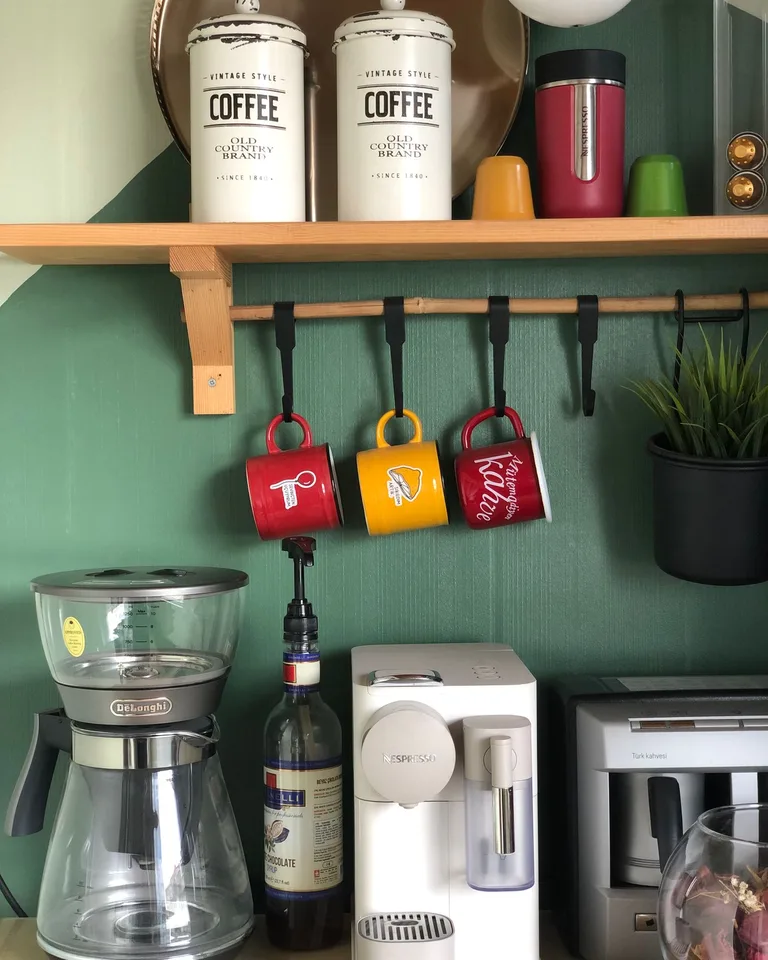
Turn a blank kitchen wall or breakfast-bar corner into a coffee station: mugs hang on hooks, filters and scoops sit in a small basket, and a narrow shelf holds beans, syrups, and the French press. It’s one of the cheapest ways to give a kitchen a defined coffee corner without buying new furniture — a genuinely budget-friendly kitchen upgrade that takes an afternoon.
Keep mugs on sturdy, wide hooks — ceramic is heavier than it looks, and a narrow hook under a big mug is how chips happen. If your coffee maker lives on the counter below the board, leave clearance for steam, and wipe the board down monthly since coffee corners collect dust and grounds.
Frequently Asked Questions
What can you put on a pegboard?
Almost anything light to medium weight: kitchen utensils and spice jars, craft and sewing supplies, hand tools, office supplies, jewelry, plants, laundry accessories, and mugs. Use hooks for hanging items, baskets and jars for small loose things, and shelves or dowel rods for jars, books, and ribbon spools. The limit is the board’s material and how it’s mounted — not the holes.
What is the best material for a pegboard?
Hardboard (pressed wood fiber) is the cheapest and easiest to cut and paint, and it’s fine for light-to-medium loads in dry rooms. Metal pegboard panels hold much more weight and suit garages and workshops. Plastic pegboard resists moisture and works in laundry rooms and bathrooms. Match the material to the room and the load.
How do you hang a pegboard?
Mount the board on spacers or furring strips so there’s about a half-inch gap between the board and the wall — hook ends need that space to slide into the holes. Secure it into wall studs with screws for heavy loads, or use wall anchors (or heavy-duty removable strips for small, light panels in rentals). Paint or seal the board before hanging, and use thin coats so paint doesn’t clog the holes.
How much weight can a pegboard hold?
It depends on the material, hook type, and mounting. A standard 1/4-inch hardboard panel properly mounted into studs handles light-to-medium items like utensils, supplies, and small tools. Heavy items — power tools, cast-iron pans, full paint cans — need metal pegboard panels mounted directly into studs with heavy-duty hooks. When in doubt, keep heavy items low on the board and never exceed what your anchors are rated for.
Can you use a pegboard in a rental?
Yes. Use a small, light panel and mount it with heavy-duty removable adhesive strips rated for well above your expected load, or hang the board over an existing door with over-door hooks. Avoid heavy items on adhesive-mounted boards, recheck the strips every few months, and follow the strip manufacturer’s removal instructions to protect the paint.
A pegboard earns its wall space because it adapts. Start with one room — the kitchen utensil wall or the desk command center are the quickest wins — and once you feel how easy it is to rearrange hooks as your needs change, you’ll start seeing blank walls everywhere as missed storage. One panel, a bag of hooks, and an afternoon is all it takes.