
12 Small Apartment Decor Ideas That Make a Tiny Space Feel Like Home
Small apartment decor ideas work best when they stop chasing square footage and start changing how the space reads. The apartments that feel biggest are not the ones with the most furniture — they are the ones where every piece earns its place, light is treated like a material, and the walls do the storage work the floor can’t. You don’t need new furniture or a landlord’s permission for most of what follows; you need fewer, better choices.
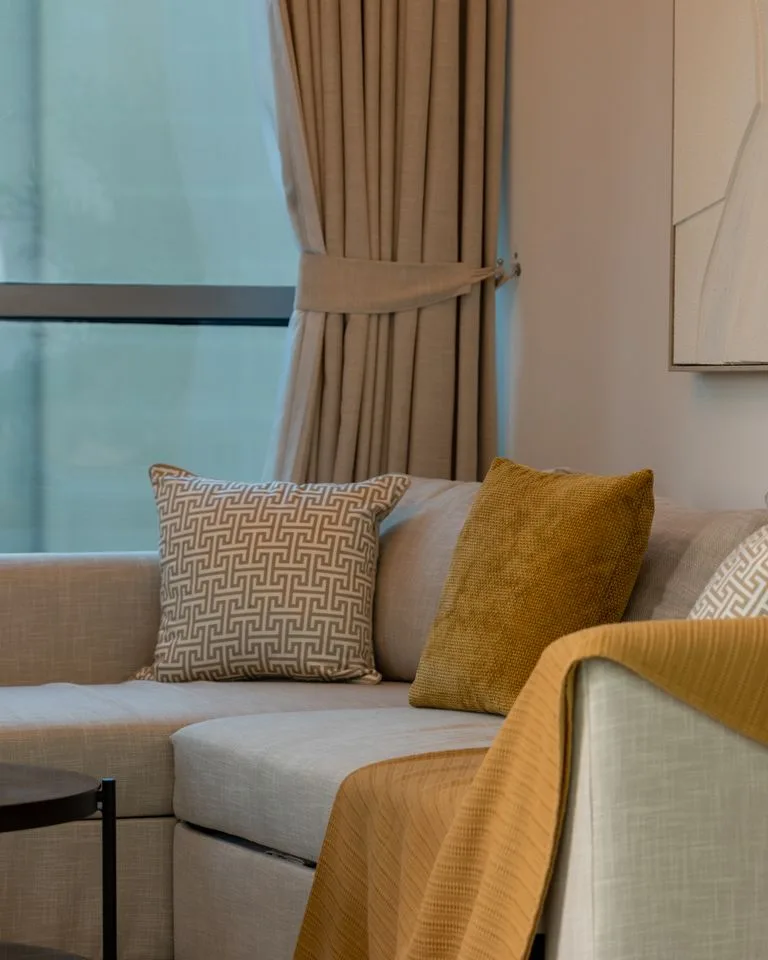
The pattern is consistent across hundreds of real small homes: one anchor piece per room, rugs doing the work of walls, curtains hung higher than the window, and storage climbing upward instead of spreading outward. Converted lofts, carriage houses, and oddly shaped rentals prove it every day — an awkward floor plan styled with intention feels larger than a blank box furnished at random.
Start with the room that bothers you most and apply three ideas at a time. Small spaces reward editing more than buying, so work with what you own before anything goes in the cart. These twelve moves are renter-safe unless noted, and each one is built to pull its weight in under 600 square feet.
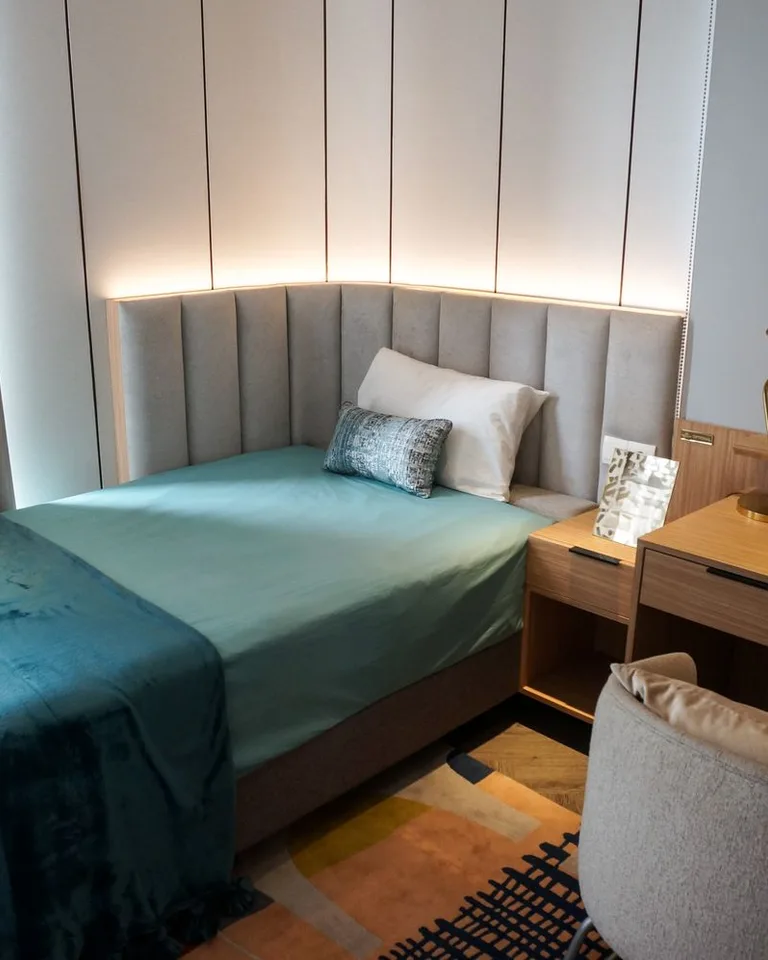
If your bedroom is the tight spot, a small bedroom layout built around one strong idea usually outperforms a room full of compromises. Keep that principle in mind for every room below.
1. Let One Statement Piece Anchor the Room
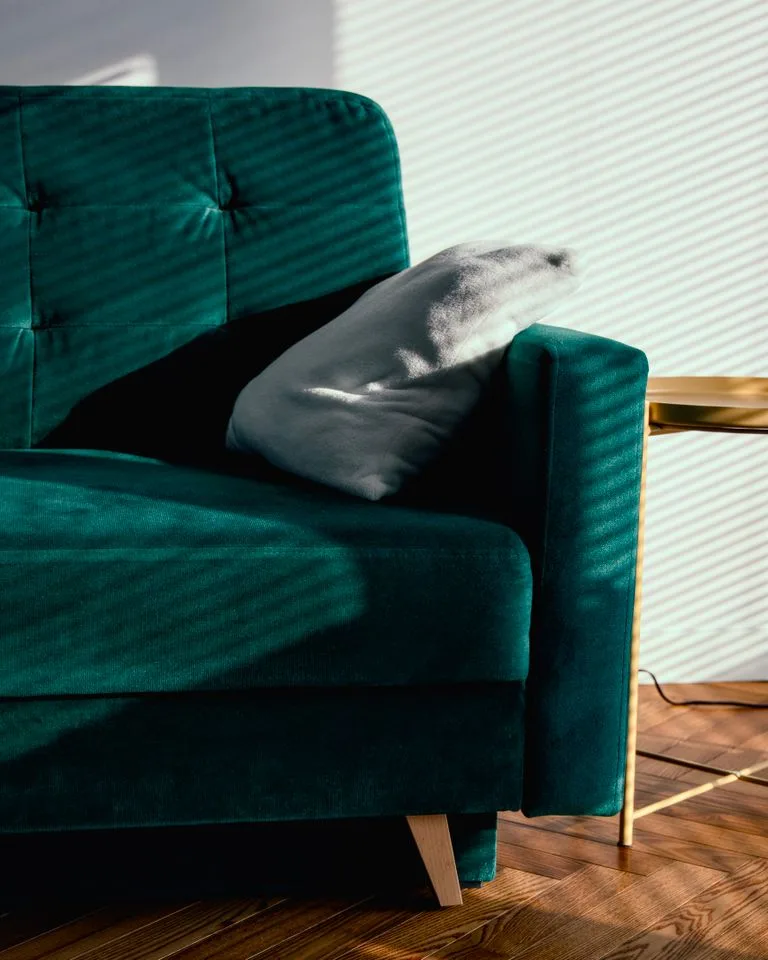
A small apartment looks bigger when the eye has somewhere to land. Without an anchor, a compact living room reads as a collection of small things — a loveseat, two side tables, a rug that floats — and collections feel cluttered even when they aren’t. One confident piece, like a green velvet sofa against quiet walls, gives the room a center and lets everything else be simple.
The trick is proportion, not price. Pick the largest thing the room can genuinely hold and keep the supporting cast modest: one sofa with presence, a slim wood coffee table, a plain jute rug. A brown couch living room built this way feels intentional at any budget. Thrift stores and secondhand listings are full of sofas with good bones and terrible upholstery — a reupholstered or slipcovered find does the same job for a fraction of retail.
2. Zone an Open Layout with Rugs, Not Walls
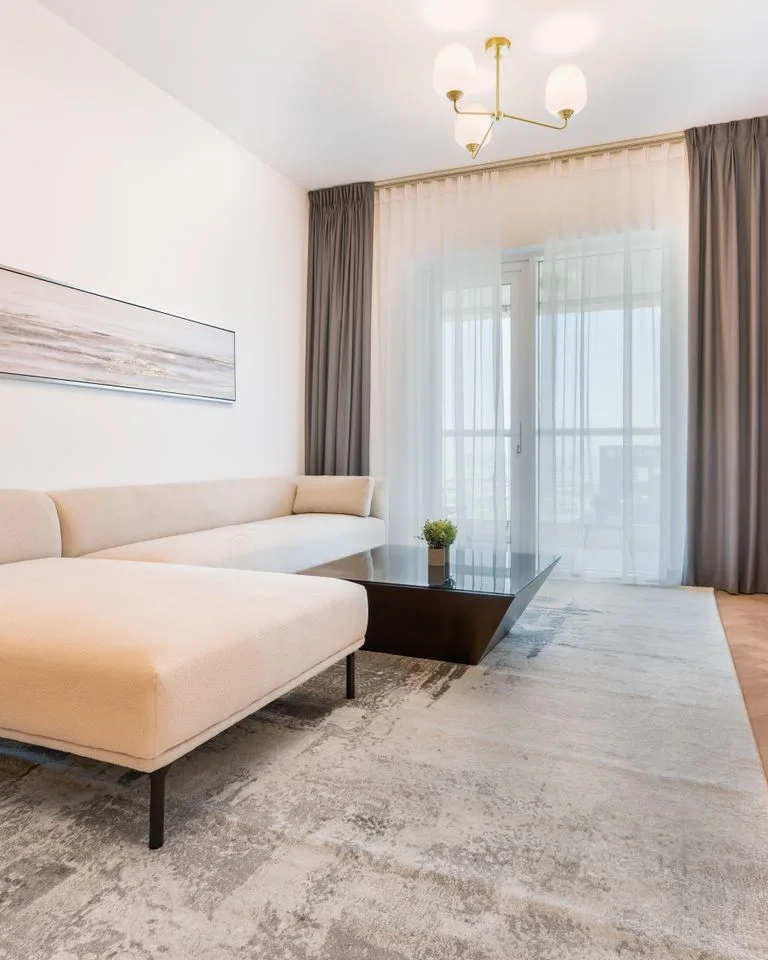
Studios and open-plan apartments fail when they try to be one big room. The fix costs nothing structural: let rugs draw the floor plan. A patterned rug under the seating area, a runner at the kitchen pass, a small mat at the door — suddenly one rectangle contains a living room, a kitchen edge, and a foyer, and each one feels complete.
Rugs work because they define without dividing. A bookshelf wall or curtain divider physically splits the space and blocks light; a rug changes the floor under your feet and leaves the sightlines intact. Keep at least the front legs of your seating on the rug so the zone reads as deliberate. If your apartment opens straight into the living area, treat the first three feet as an entry — a runner, a wall hook, and a small stool create an apartment entryway where the plan left none.
3. Go Vertical with Floor-to-Ceiling Storage

Floor space in a small apartment is finite; wall space is not. A single tall bookcase holds roughly what three low cabinets hold, on the same footprint, while drawing the eye upward and making ceilings feel taller. This is the highest-return storage move you can make in a compact home.
Use the full height, but style it like a display rather than a warehouse. Heavy books low, lighter objects and plants high, and leave about a third of each shelf’s width empty so the wall can breathe. Floating shelves above a desk, beside a bed, or over a door squeeze storage into dead zones. For renters, tall freestanding bookcases need no drilling — anchor tall units to the wall with tension brackets or furniture straps, which leave no marks and satisfy most leases.
4. Use Big Mirrors to Borrow Light

A mirror is the only decor item that adds visual square footage. Placed opposite or beside a window, a large mirror doubles your daylight and pushes the wall it hangs on visually backward. Small decorative mirrors don’t do this — scale is what creates the illusion, so one oversized mirror beats three small ones every time.
Leaning a full-length mirror against the wall costs nothing to hang and moves with you at lease end. If you want bedroom-specific placement, these full-length mirror ideas for bedrooms cover angles that bounce morning light without blinding you. Avoid mirror walls or mirrored furniture clusters — one well-placed mirror reads as design, a hall of them reads as a waiting room.
5. Pick Furniture with Visible Legs

Blocky, skirted furniture sits on the floor like a solid mass and reads as heavier than it is. Furniture with raised legs — sofas, consoles, beds — lets the floor continue underneath, and the eye registers more open space. It’s a small visual difference with a real perceptual payoff.
This is one of the few rules where style lines up with the advice: mid-century and Scandinavian pieces tend to have slim raised legs, which is why they look so at home in small apartments. When shopping secondhand, check leg height before falling in love — three inches of clearance is the practical minimum for the effect (and for the robot vacuum, if you have one).
6. Hang Curtains High and Wide
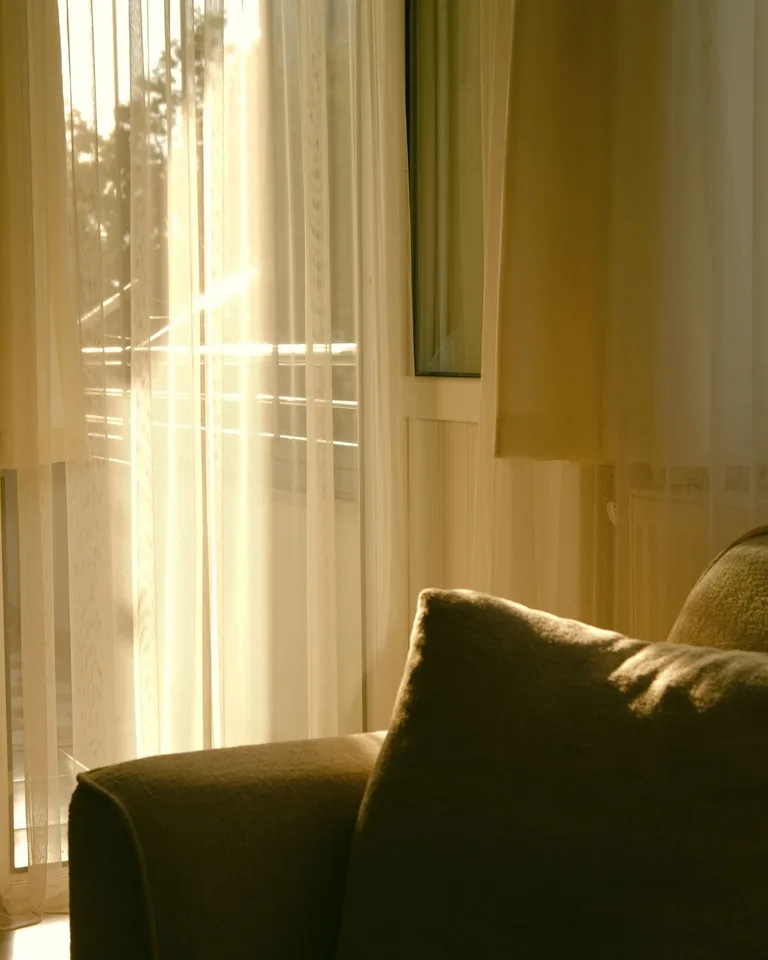
Curtains hung at the window frame’s edge make the window look small; curtains hung six inches above the frame and a foot wider on each side make the same window look grand. The eye reads the curtain, not the glass, so the whole wall feels taller and wider. It is the cheapest architectural change available to renters.
Mount the rod four to six inches below the ceiling, extend it so the panels stack on the wall rather than the glass, and choose a length that just kisses the floor — puddling collects dust and shortens the line. Sheer or light linen lets daylight through while softening the view; reserve blackout linings for the bedroom only, since heavy curtains in a living room kill the airy effect you’re buying.
7. Make Awkward Corners Earn Their Keep
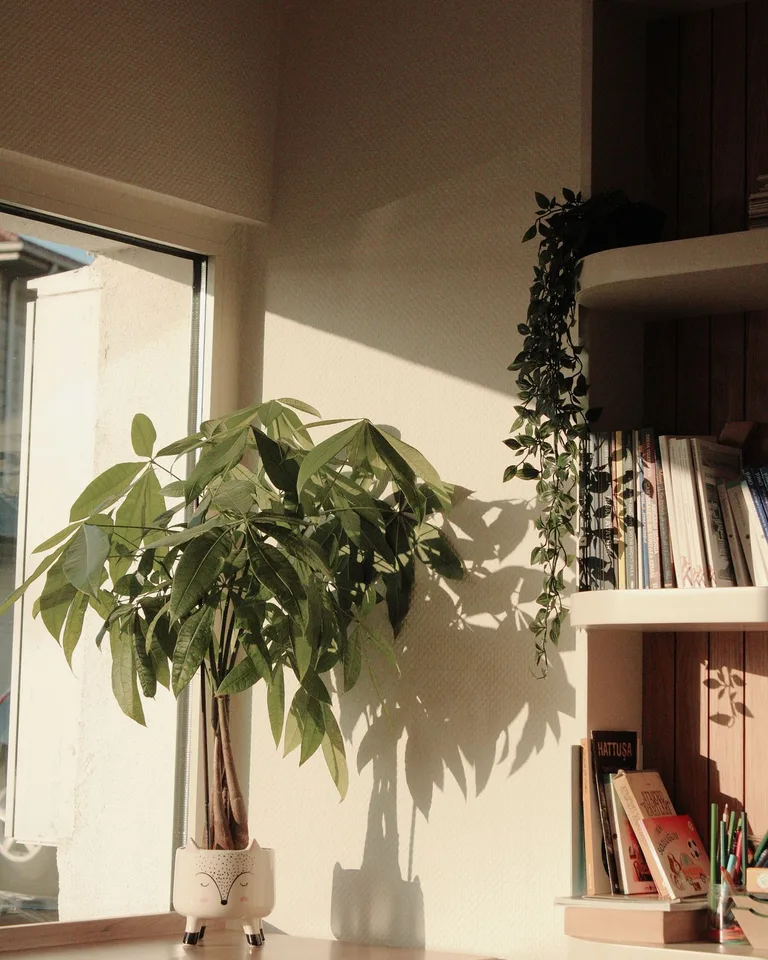
Every small apartment has a spot that seems unusable: an alcove beside the fireplace, the dead corner by a column, the wedge under a staircase. Treated as leftover space it collects clutter; given one clear job it becomes the room’s most charming feature. A reading chair with a floor lamp turns an alcove into a library; a slim desk in a nook becomes an office that disappears behind a curtain.
Long, narrow rooms deserve the same treatment instead of a single file of furniture along the walls. These narrow bedroom ideas show how breaking a skinny space into two zones — sleep at one end, dress or work at the other — makes it feel wider than one long corridor ever will. Odd floor plans are a feature when you design around them instead of against them.
8. Give Every Piece a Second Job
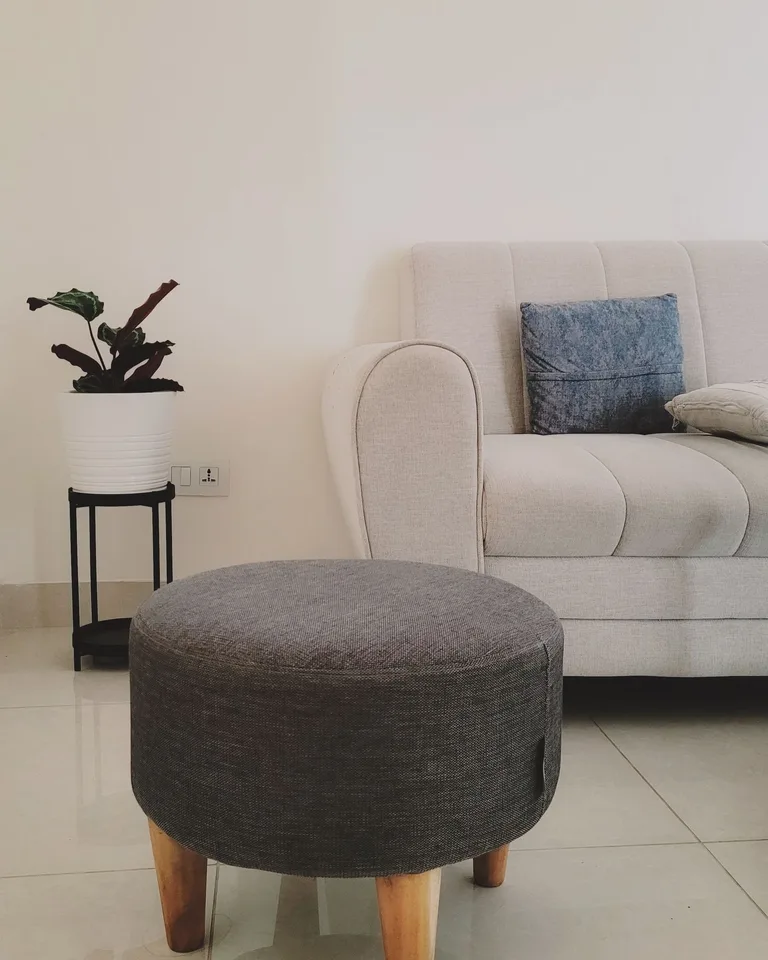
In a small apartment, a piece of furniture that does one thing is a luxury you can’t afford. Storage ottomans are seating, footrests, coffee tables, and linen closets in one. A drop-leaf table is a console on weekdays and a dinner table on weekends. A bed with drawers underneath replaces an entire dresser.
Start with the biggest footprint items, because they save the most space: the bed, the sofa, the dining surface. A bed with built-in drawers pairs well with under-bed storage ideas that keep off-season clothes and luggage invisible. Then work down to small wins — nesting side tables, a tray that turns an ottoman into a coffee table, hooks on the backs of doors. Two jobs is the minimum; three is the sweet spot.
9. Layer Warm Lighting and Skip the Overhead Glare
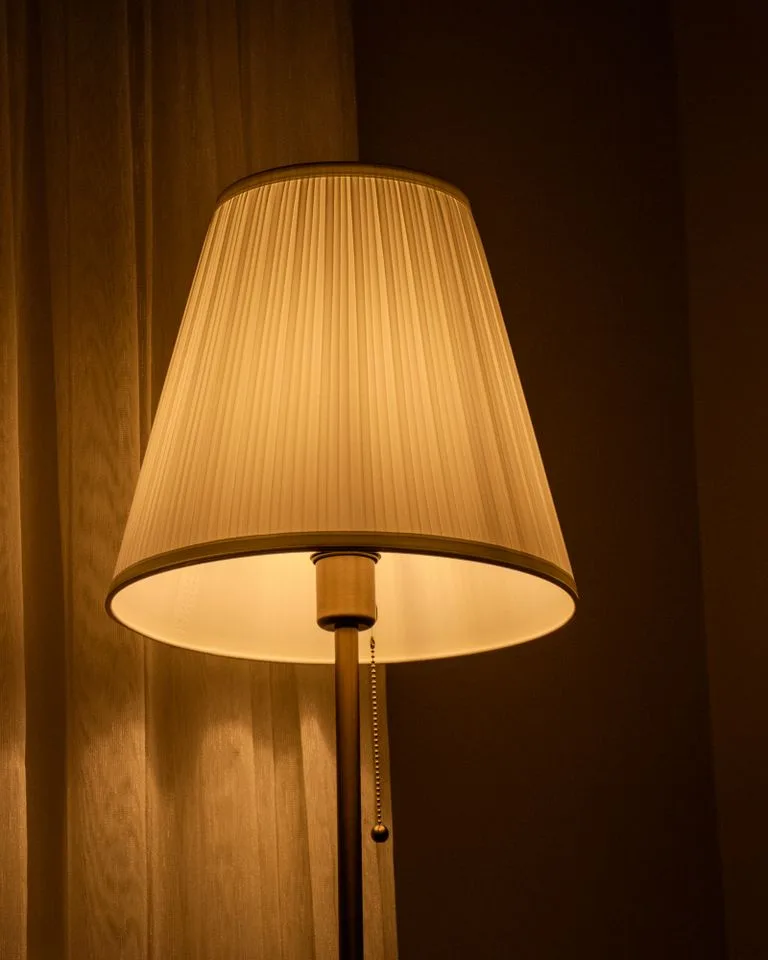
Most apartments come with one harsh ceiling light per room, and it flatters nothing. Small spaces feel bigger and calmer under three small warm light sources — a table lamp, a floor lamp, a candle or string light — than under one bright overhead. Layered light creates depth, and depth reads as space.
Put lamps at different heights: one low (table), one mid (floor arc or wall), one ambient (candles, fairy lights). Swap any daylight-temperature bulbs for 2700K warm white; cool light makes a small room feel clinical. Renters can’t always hardwire sconces, but plug-in wall lights with cord covers and battery-operated picture lights deliver the same layered effect with zero electrician visits.
10. Keep Colors Light, Then Add Texture

Light colors bounce light around and push walls back — that much every small-space guide gets right. What most skip is that an all-white room without texture feels flat and sterile, which is why some people bounce off the advice. The fix is a light palette with heavy texture: linen curtains, a nubby wool rug, woven baskets, a knit throw, matte ceramics.
Stay in one warm-neutral family — ivory, oatmeal, soft beige, pale wood — and let texture create the contrast that color would normally provide. One darker accent (charcoal pillows, a walnut frame) keeps it from feeling washed out. If painting is off the table, the palette lives in textiles and art instead; walls matter far less than people think once the furnishings carry the color story.
11. Style Open Shelves Like a Display
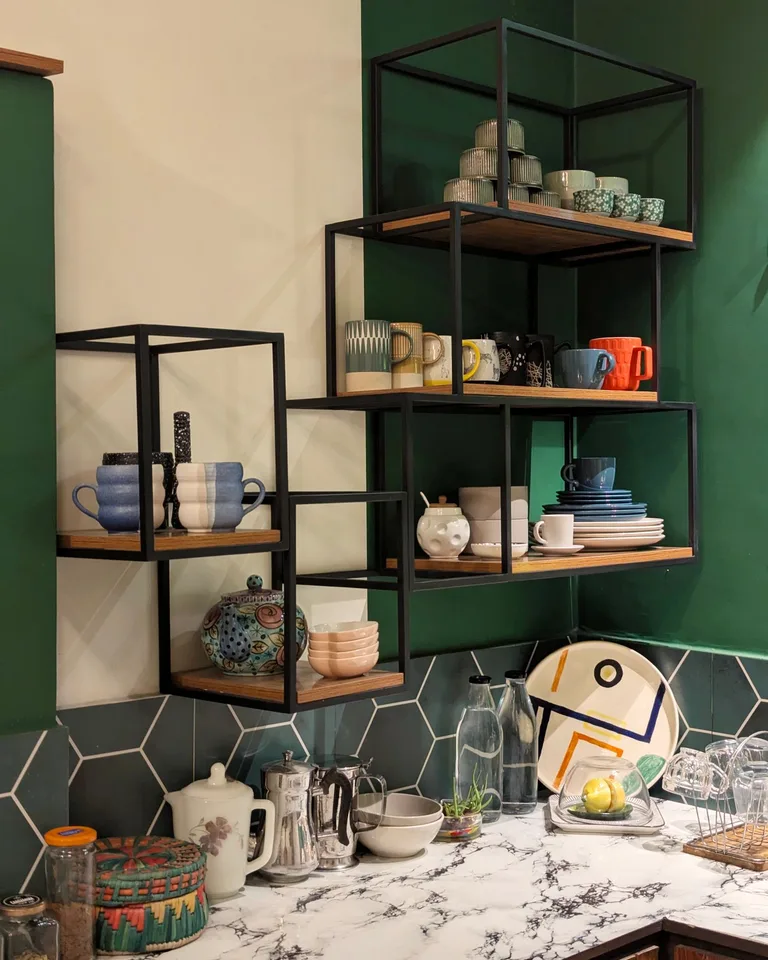
Open shelving is the renter’s answer to a kitchen or living room with no storage — but only if it reads as styled, not as overflow. The difference is curation: group dishes by color, stack bowls in twos, and leave breathing room between clusters. A shelf that is 70 percent functional and 30 percent decorative looks intentional; one crammed edge to edge looks like a stockroom.
Use the rule of three — three items, three heights, three textures per cluster — and repeat one material (wood, white ceramic, brass) across shelves to tie them together. Put daily-use items at arm’s reach and pretty-but-rarely-touched pieces higher, so the shelf stays practical. And be honest with yourself: if a shelf becomes a dumping ground within a month, it needed doors, not styling — swap it for a small cabinet and move the display shelves somewhere they’ll stay curated.
12. Add Greenery That Never Touches the Floor

Plants make a small apartment feel alive in a way no object can, but floor planters eat the square footage you’re trying to protect. Hanging planters, wall-mounted pots, and trailing pothos on high shelves put greenery at eye level where it softens the room without touching the plan.
Macrame hangers in a window corner, a trailing plant on top of the tall bookcase from idea three, a small herb trio on the kitchen shelf — each one adds life for the cost of a hook or a spare six inches of shelf. Stick to forgiving varieties: pothos, philodendron, and snake plants tolerate the inconsistent light of apartment life. Group plants in odd numbers near light sources and water on a schedule, because the only thing that makes a small apartment feel sadder than no plants is dead ones.
Frequently Asked Questions
What are the best small apartment ideas on a budget? The moves that cost the least and change the most: hang curtains high and wide, swap cool bulbs for warm 2700K ones, rearrange furniture into zones with rugs, and give your largest piece a clear starring role. Secondhand statement furniture and thrifted mirrors deliver the biggest visual return per dollar.
How do you make a small apartment feel more spacious? Maximize light (mirrors opposite windows, sheers instead of heavy drapes), emphasize height (tall storage, high curtain rods), keep furniture on visible legs so the floor reads continuous, and clear flat surfaces ruthlessly. Visual flow matters more than actual square footage.
What furniture works best in a small apartment? Multifunctional pieces that earn their footprint: storage ottomans, beds with drawers, nesting tables, drop-leaf dining tables, and sofas with hidden compartments. Slim profiles and raised legs keep everything feeling light; avoid oversized sectionals and skirted, blocky pieces.
How do you decorate a small apartment without it feeling cluttered? Give every room one focal piece instead of scattering small accessories, use closed storage for the everyday mess, and keep open shelves curated to about two-thirds full. If an object doesn’t have a home, it reads as clutter — so every decorative item needs a deliberate spot.
None of these ideas requires a renovation, a big budget, or a landlord’s signature — just decisions made on purpose instead of by default. Start with the three that address your biggest frustration, live with them for a week, and you’ll see the rest of the apartment differently. Small spaces don’t need more stuff; they need the right stuff in the right place.