
How to Keep Your Home Feeling Intentional With a Pet: 10 Systems That Work
An intentional home with a pet isn’t about cleaning more — it’s about building small systems that keep the pet’s footprint contained. The short answer: give every pet item a fixed home, contain the mess to washable zones, and run two-minute daily habits instead of weekend marathons. Here’s how to make that real.
1. Give Every Pet Item a Fixed Home

Clutter is just items without a home. Decide exactly where the leash, harness, brush, treat bag, and food live — one hook row by the door for walk gear, one shelf or bin for food and supplies — and return each item there every single time. This single habit removes most of the “pet clutter” people complain about, because a leash on its hook reads as organized while a leash on the floor reads as mess. An entryway hook setup handles the daily walk gear; a single cabinet or under-bed bin holds the rest.
2. Contain Feeding to One Washable Zone

Food and water wander when bowls sit loose on bare floors. Pick one spot — a kitchen corner, a laundry nook — and define it with a washable, waterproof mat that extends past the bowls. Spills and splash-out land on the mat, which rinses or wipes clean in under a minute, instead of soaking into grout or wood. Feed on a schedule so bowls come up between meals; a dog that grazes all day drags crumbs everywhere. The kitchen drop zone concept applies perfectly here: one zone, one job.
3. Create a Dedicated Rest Zone Your Pet Actually Uses

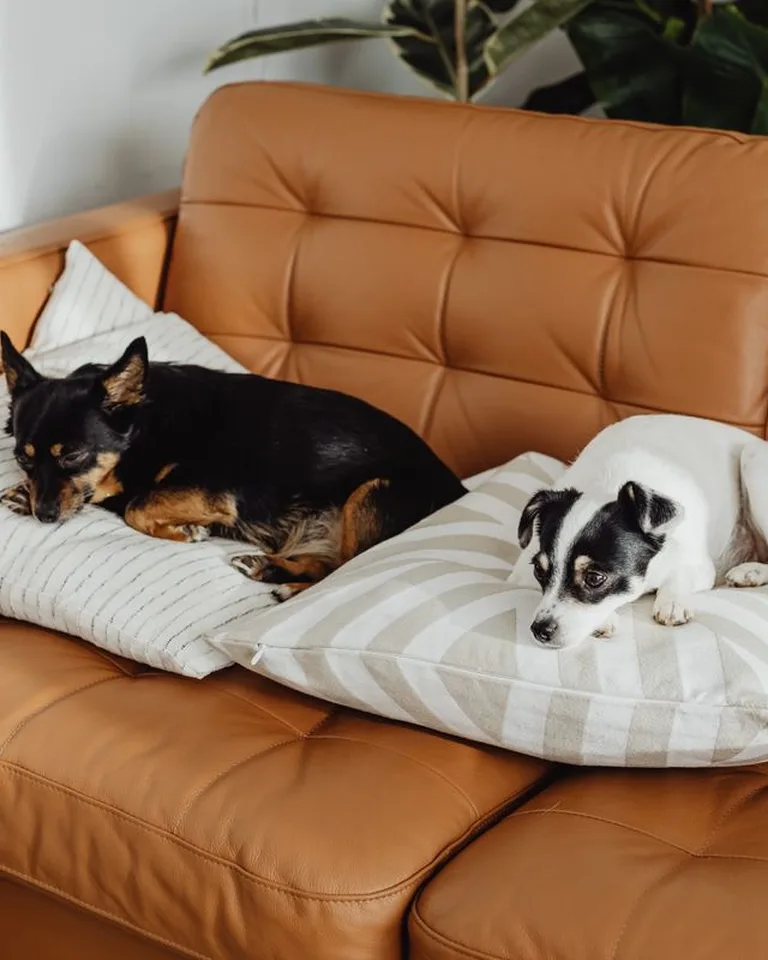
Pets sprawl on your sofa because they don’t have a better spot of their own. Place a comfortable bed in a low-traffic corner — near you but out of the main path — and make it the most appealing seat in the house: a soft blanket, a chew toy, maybe a shirt that smells like you. Reward your pet for using it and the couch stops being the default nap spot. When your pet has a zone, their hair and toys concentrate there instead of distributing across every surface.
4. Build a Paw-Wiping Station at the Door

Muddy paw prints across the hall are a door problem, not a floor problem. Set up a tiny station right inside the entrance: a tray or basket with a folded towel and a pack of pet wipes, plus a washable mat underfoot. Every time you come back inside, paws get wiped before the pet crosses the threshold — thirty seconds that saves a full floor mopping. This is the heart of any good mudroom routine, and it works in a hallway corner too, no dedicated mudroom required.
5. Run a Two-Minute Evening Reset

Pet clutter accumulates during the day and feels overwhelming by Friday. Steal the nightly-reset habit from professional organizers: two minutes before bed, toss every toy into its basket, return the leash to its hook, and shake the mat. That’s it. The room wakes up clean, and you never face a weekend pile. Keep only a few toys out at a time and stash the rest in hidden storage; rotating the selection weekly keeps your pet engaged while cutting the nightly mess in half.
6. Groom at the Source to Cut Hair Before It Lands

The most effective hair control happens on the pet, not the furniture. Brush short-haired pets weekly and long-haired ones two to three times a week — outside or over a towel if possible — and loose fur goes into the bin instead of onto the rug. It takes five minutes and does more than any vacuum setting. Keep the brush in your pet’s supply spot so the habit survives busy weeks. If shedding spikes suddenly outside normal seasonal patterns, check with your vet; nutrition and skin issues show up in the coat first.
7. Make Fabrics Washable Wherever the Pet Goes

You can’t keep fur off fabric, so make the fabric washable. Slipcovers or throw blankets on the pet’s favorite furniture, removable covers on every pet bed, washable rugs in high-traffic spots — everything the pet touches should survive a laundry cycle. Wash pet bedding and throws weekly; that’s what keeps the house smelling fresh rather than “like a pet owner lives here.” A laundry setup built for pet washables makes the weekly load painless.

8. Maintain the Litter or Potty Zone Daily

For cats: scoop daily, no exceptions — it takes ninety seconds and prevents the smell that makes whole rooms feel dirty. Dump, wash, and refill the box completely once a week. For dogs on indoor pads or a balcony patch: change pads promptly and wipe the surrounding area. Park a sealed, lidded waste bin right at the zone so cleanup is one motion. A litter-trapping mat under the box catches stray granules before they migrate down the hall. Daily beats deep-cleaning every time.
9. Set Pet-Free Zones for the Rooms That Matter

You don’t have to share every room equally. Pick one or two spaces — often the kitchen and the bedrooms — and keep them pet-free with a gate or a closed door. It instantly cuts hair, dirt, and dander in the places where hygiene matters most, and it makes the rest of the house’s mess feel contained rather than everywhere. Give your pet a great alternative spot in the living room so the boundary doesn’t feel like punishment.
10. Control Odor With Air, Not Fragrance
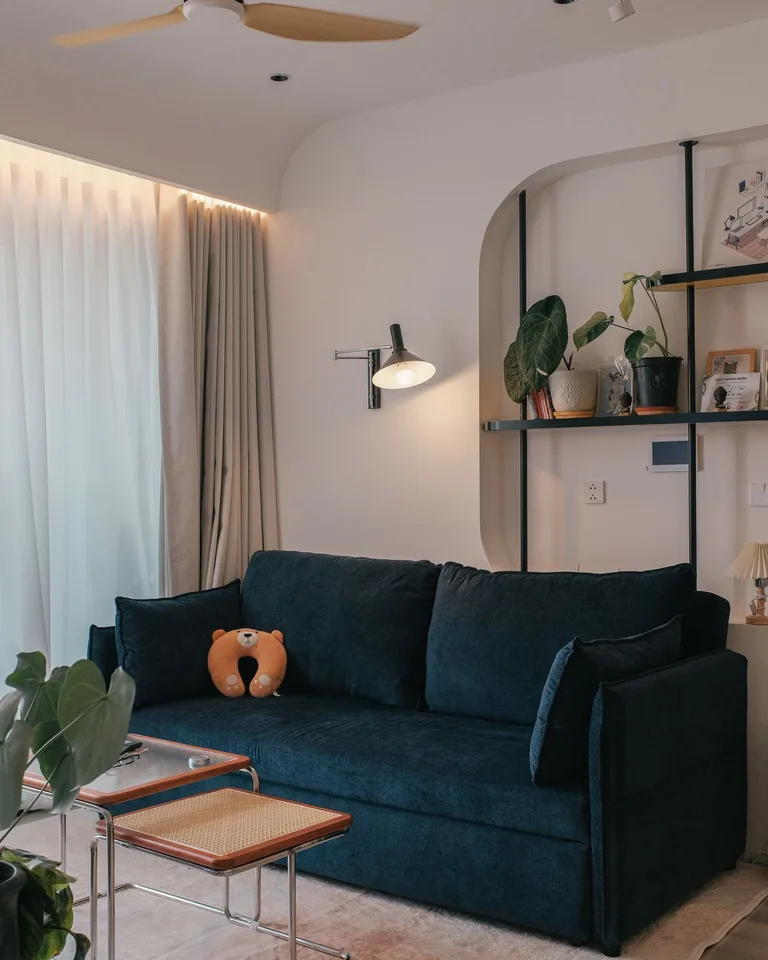
Masking sprays layer perfume over pet smell; ventilation and clean textiles actually remove it. Run the exhaust fan or crack a window for ten minutes daily, wash throws and bedding on a weekly rhythm, and change HVAC filters on schedule so fur doesn’t recirculate. For accidents, clean immediately with an enzyme cleaner — it breaks down the odor compounds instead of covering them, and it’s the only thing that stops repeat marking in the same spot. A house that smells like nothing is the real mark of an intentional pet home.

FAQs
How do I keep my floors clean when pets run in and out?
Wipe paws at the door every time with a towel or pet wipe kept in an entryway tray, use a washable mat underfoot, and vacuum high-traffic areas daily or every other day. Stopping dirt at the door does more than any mop.
Can I create a special zone just for my pet in a small home?
Yes — a zone can be a corner, not a room. A bed, a toy basket, and a washable rug in one low-traffic corner give your pet a defined place. Pet gates or furniture placement can mark the boundary without taking up floor space.
How often should I vacuum if I have a shedding pet?
High-traffic areas and rugs: daily or every other day. The rest of the house: two to three times a week. A robot vacuum on a schedule handles the daily pass hands-free, and a HEPA filter keeps dander from recirculating.
How do I keep pet toys from taking over the house?
Keep a few toys out and store the rest away, rotating them weekly. Give the active toys one basket as their only home, and run a two-minute nightly toss-back so the room resets before bed.