
12 Neutral Bathroom Tile Ideas That Add Texture (Not Color)
Neutral tile can look flat, busy, or forgettable — the difference is almost always texture, not color. When every surface stays in the beige, greige, ivory, and soft-grey family, the shape of the tile, the finish of the glaze, and the way light moves across the surface do all the design work. A glossy handmade zellige wall catches daylight in a way flat ceramic never will; a honed travertine floor feels warm underfoot even though it is technically a cool material. Below are 12 neutral bathroom tile ideas that prove a restrained palette is not a boring one. If you want to push the same idea to the darker end of the spectrum, our moody half bathroom ideas show how it works with deep tones.
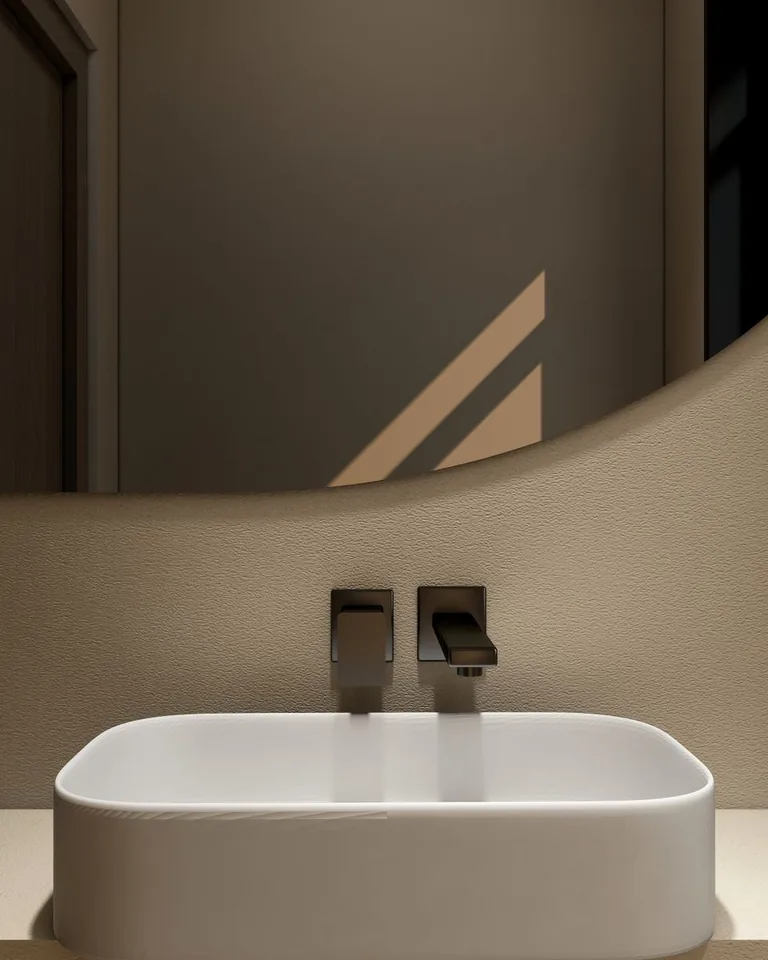
Try Handmade-Look Zellige in Warm White
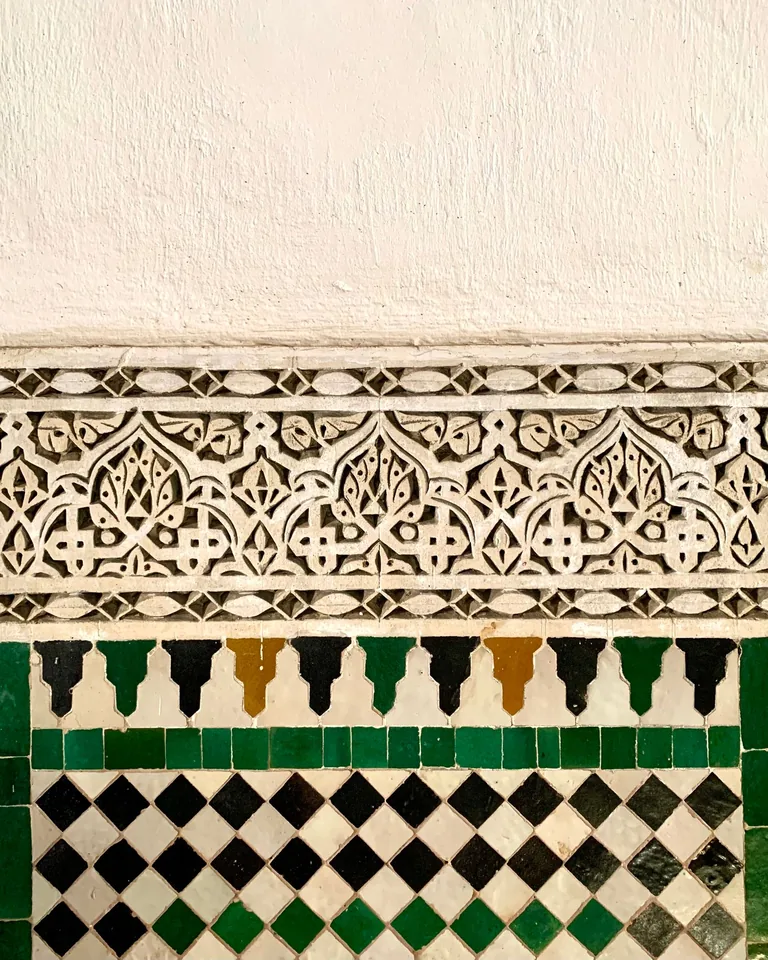
Zellige is a hand-cut glazed tile from Morocco, and every piece varies slightly in thickness, tone, and gloss. Installed in a warm white, those tiny imperfections read as texture rather than flaws — the wall shimmers softly instead of looking sterile. It is the fastest way to make a plain neutral bathroom feel layered.
Use it on one full wall or as a shower surround rather than the entire room; zellige is handmade and priced accordingly. Pair it with a matte floor tile so the shine stays the hero. Tip: choose a grout color close to the tile itself so the variation in the glaze, not the grid lines, is what your eye follows.
Add Fluted Stone Panels Behind the Vanity
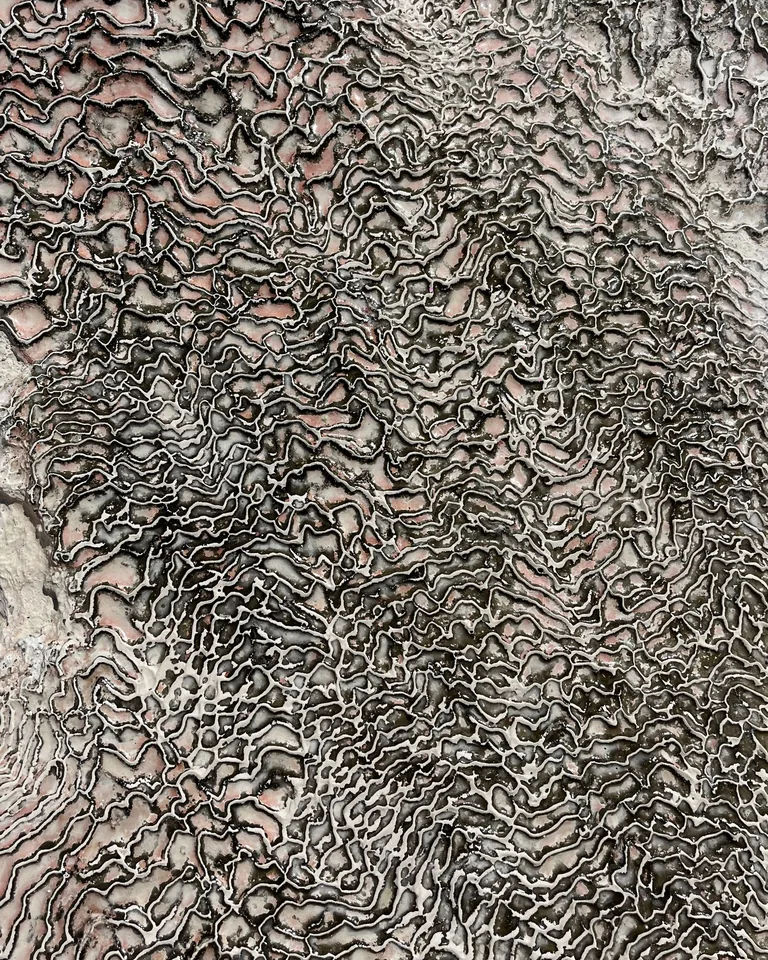
Fluted panels — thin vertical channels carved or molded into stone — turn a flat vanity wall into a sculptural backdrop. In limestone or travertine tones, they cast gentle shadow lines that change through the day, giving a neutral bathroom genuine depth without a single patterned tile.
This works best as a single feature wall behind the vanity or freestanding tub. Seal natural stone panels before they meet daily splashes, and keep the rest of the room quiet so the fluting stays the focal point. Tip: a backlit mirror doubles the effect; see how our bedroom vanity ideas use lighting to make texture stand out.
Lay Tumbled Travertine Mosaics on the Floor
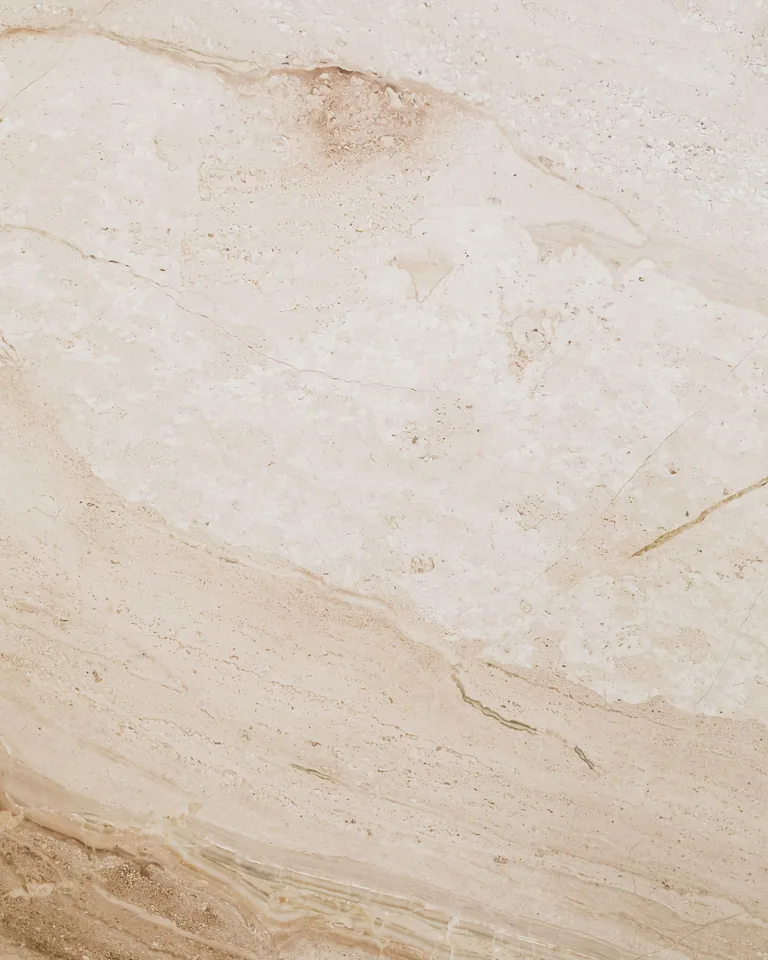
Tumbled travertine arrives with softly rounded edges and small natural pits — a finish that feels aged and calm underfoot. In beige and honey tones, mosaic sheets of tumbled travertine give a bathroom floor quiet movement without the polish of marble or the flatness of plain porcelain.
Tumbled stone is porous, so sealing is non-negotiable, especially near the shower. The rustic finish pairs naturally with warm wood vanities and brushed brass, and the palette flows easily into the rest of the house — see how our beige bedroom color pairings carry the same warmth through a whole home.
Set Honed Marble in a Herringbone Shower Wall
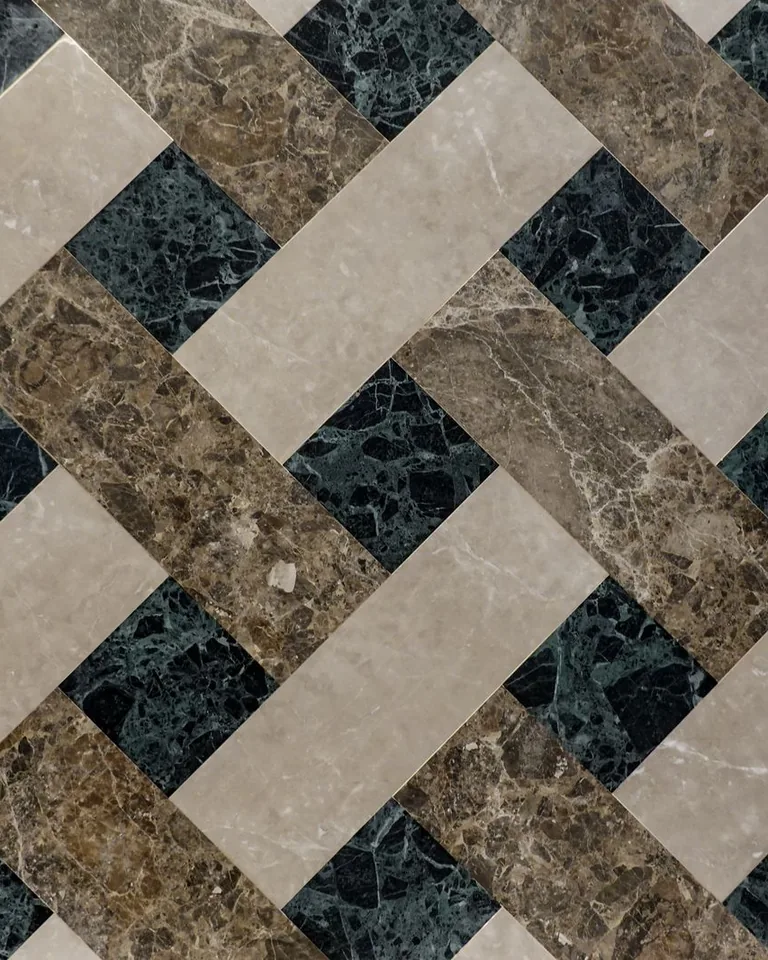
Herringbone turns even plain marble tile into a design statement. The zigzag layout pulls the eye across the wall and adds rhythm that straight-stacked tile never achieves. A honed (matte) finish keeps it soft and spa-like rather than flashy, and in white or grey marble the neutral palette stays intact.
Herringbone cuts waste more tile than a straight layout, so order 15 percent extra. Keep the pattern to one wall — typically the shower back wall — and run simple large-format tile elsewhere. Tip: a honed finish hides water spots far better than polished marble, which matters on a daily-use shower wall.
Warm Up the Floor with Wood-Look Porcelain
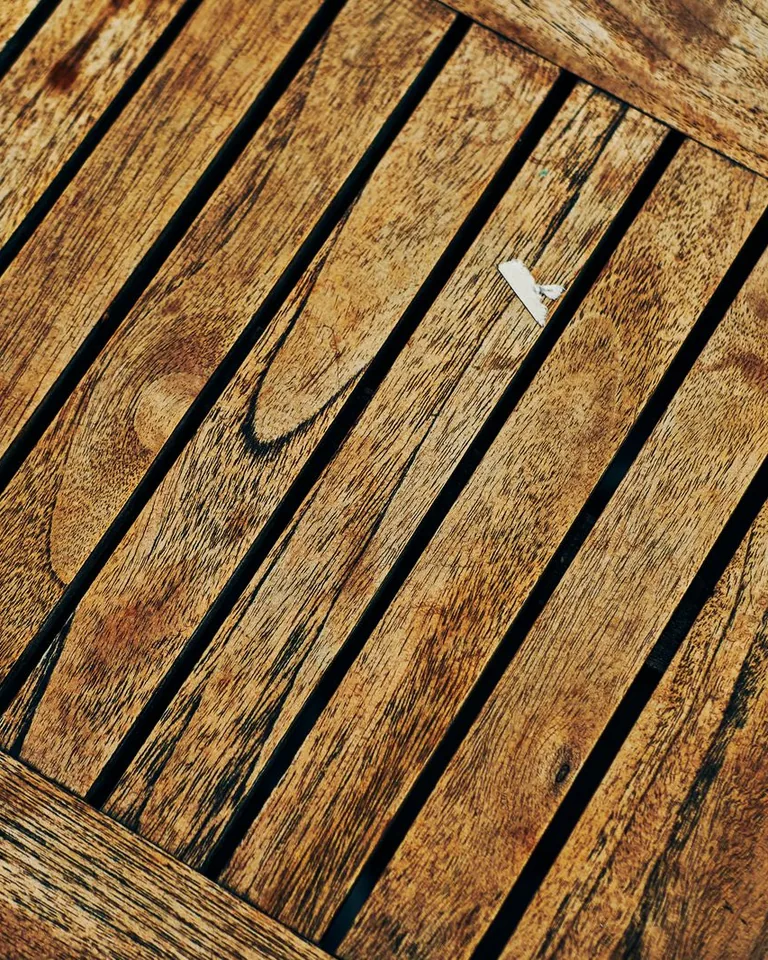
Real wood and bathrooms are a maintenance headache, but porcelain planks that mimic oak or walnut give you the warmth without the worry. In pale, greige-washed finishes, wood-look tile adds organic grain texture to an otherwise stone-and-ceramic room.
Lay the planks in a staggered or herringbone pattern and choose a grout color that disappears into the wood tone. Porcelain is fully waterproof and far more forgiving than natural timber. Tip: run the same tile into an adjacent hallway or bedroom for a seamless, larger-feeling floor plan.
Run Ribbed Ceramic Subway Tile Vertically
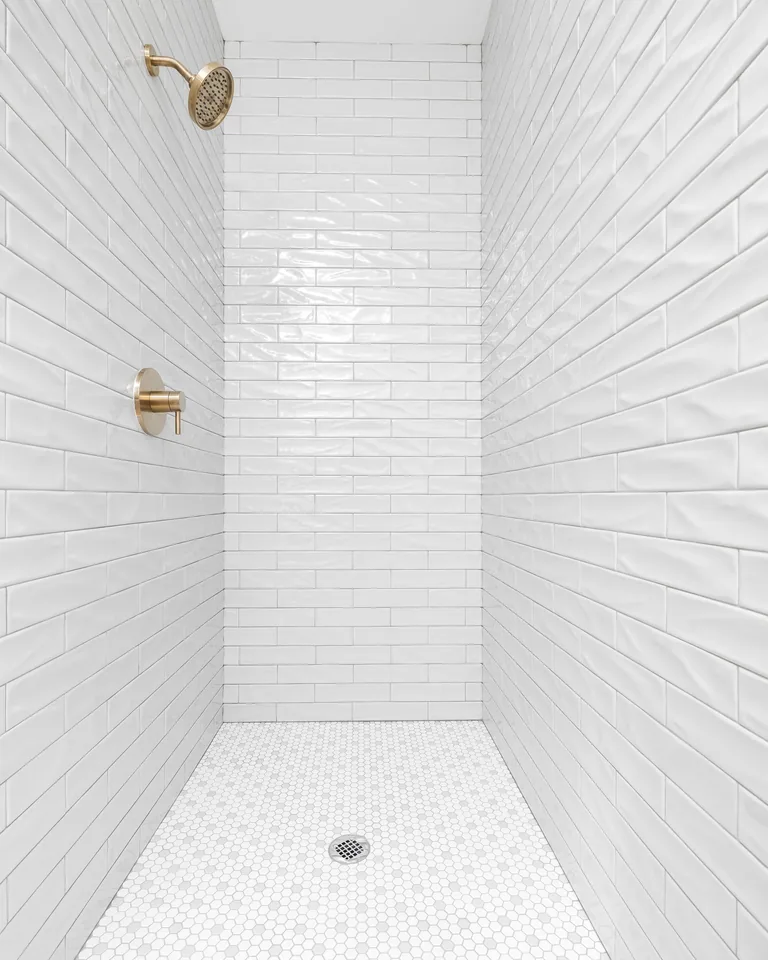
A ribbed or reeded surface on a classic subway tile is a small twist with a big payoff: the vertical ribs catch light and create soft stripes of highlight and shadow. Stacked vertically instead of horizontally, the tile draws the eye upward and makes low ceilings feel taller.
This is a budget-friendly move — ribbed ceramic costs far less than carved stone and installs like ordinary subway tile. Keep grout lines thin and color-matched so the ribs, not the grid, dominate. Tip: vertical stacking works especially well on the narrow wall behind a toilet, where horizontal lines would chop the space up.
Go Soft with Riven Slate in Pale Grey
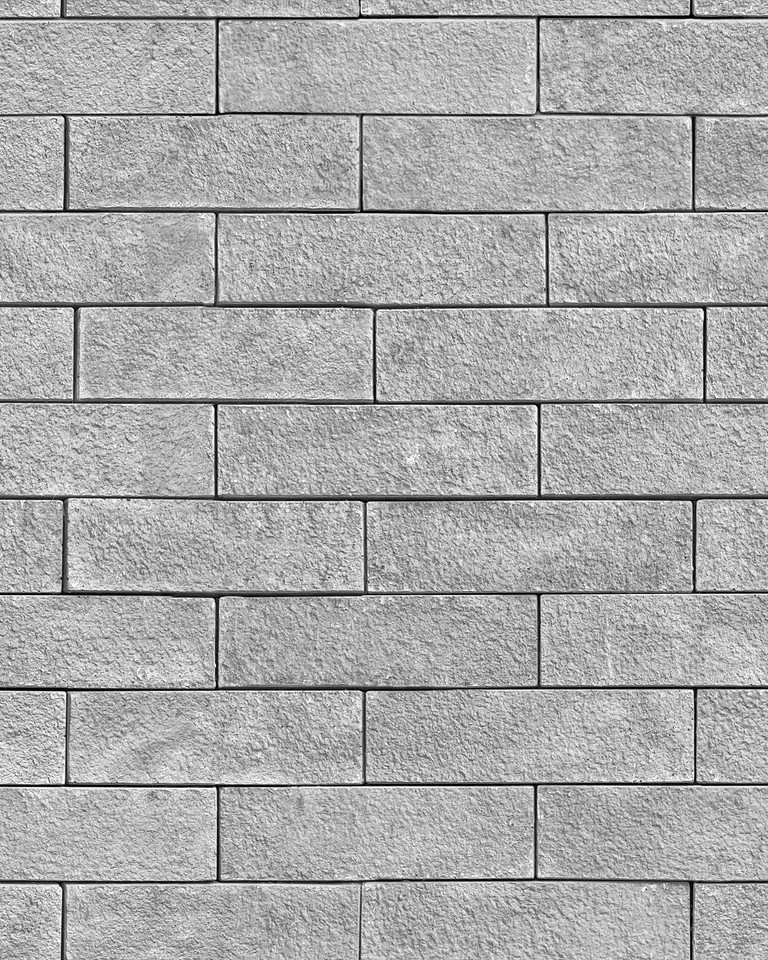
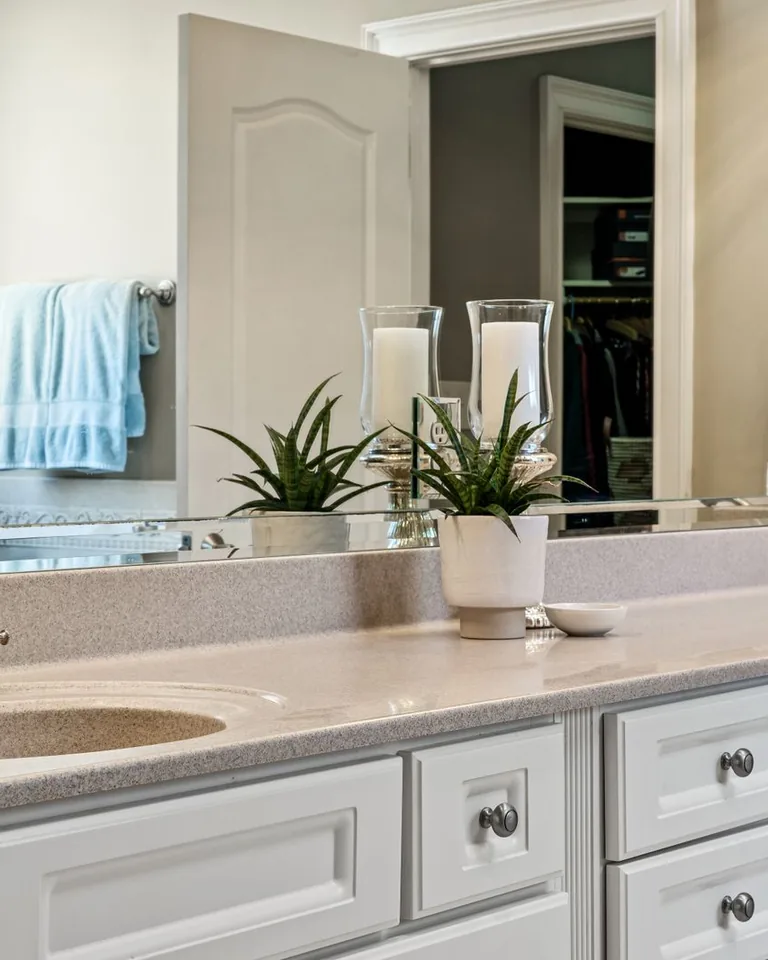
Riven slate splits naturally along its grain, leaving a softly layered surface that feels almost fabric-like. In pale grey, it reads as a true neutral — cool but not cold — and the cleft texture gives both floors and shower walls a quiet, organic grip.
Use riven slate where you want slip resistance, since the textured surface outperforms polished tile underfoot. Seal it to deepen the grey slightly and protect against hard-water marks. Tip: mix slate on the floor with smooth ceramic on the walls; the contrast in texture matters more than a contrast in color.
Choose Terrazzo with Tonal Chips
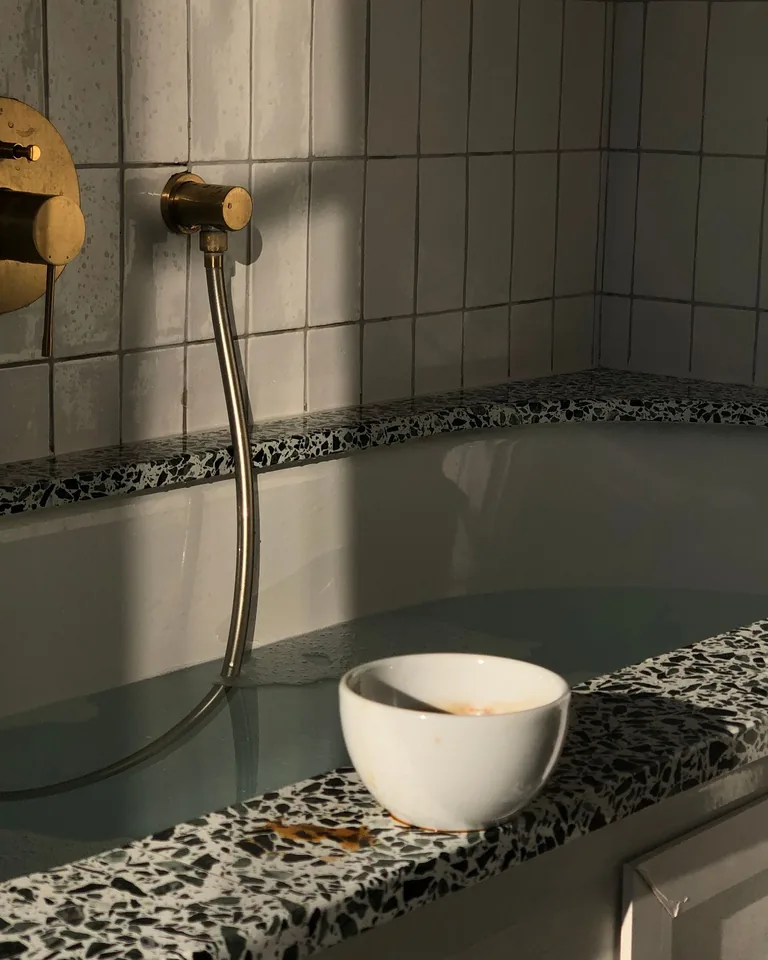
Terrazzo is marble, quartz, and stone chips set in cement or resin — and the tonal versions, where every chip sits within one color family, are the sweet spot for neutral bathrooms. From a distance it reads as a calm beige or grey surface; up close, the speckled chips give it endless fine-grained interest.
Large-format terrazzo slabs mean fewer grout lines and a seamless modern look, while smaller terrazzo tiles suit traditional bathrooms. Tip: pick a terrazzo whose chip colors echo your grout and fixtures — a beige terrazzo with brass taps and warm-white grout feels entirely intentional.
Add Scalloped Fish Scale Tiles as an Accent
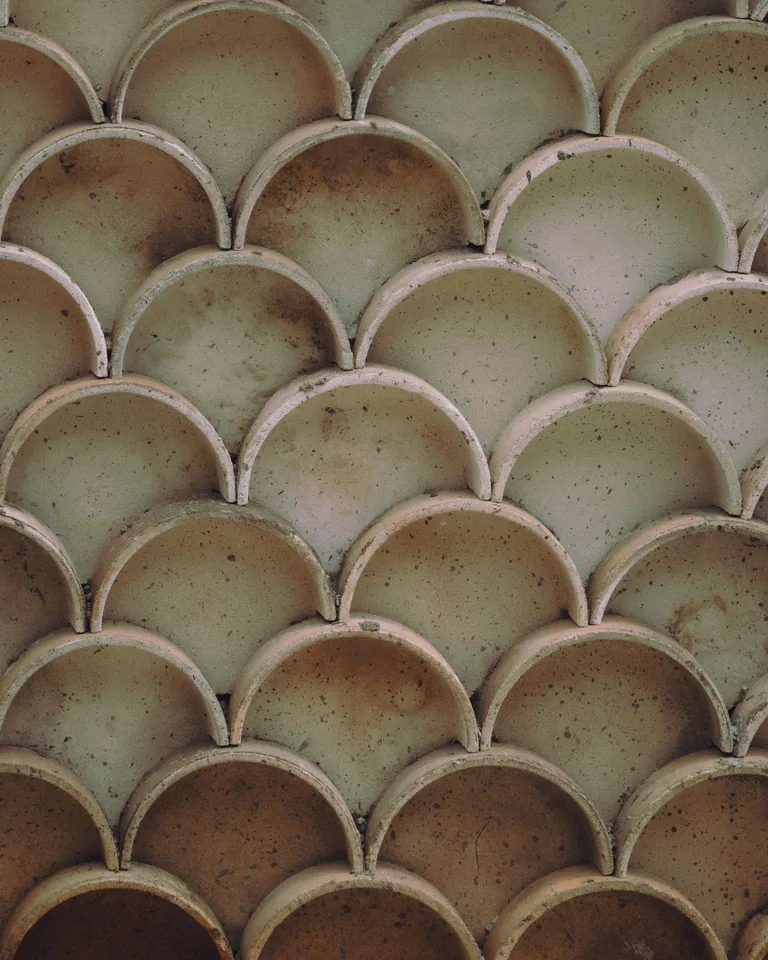
Fish scale, or scallop, tile turns a neutral shower wall into something sculptural. The overlapping curves catch light on every edge, so even a plain cream glaze looks rich. It is one of the few shapes that adds pattern through silhouette alone, without any printed design.
Confine fish scale to an accent — a shower niche, a half-wall behind the vanity, or the tub surround. Full-room coverage gets visually noisy and expensive. Tip: a slightly glossy glaze amplifies the curves; matte fish scale looks softer and more contemporary.
Use Chiseled-Edge Subway Tile for Old-World Character
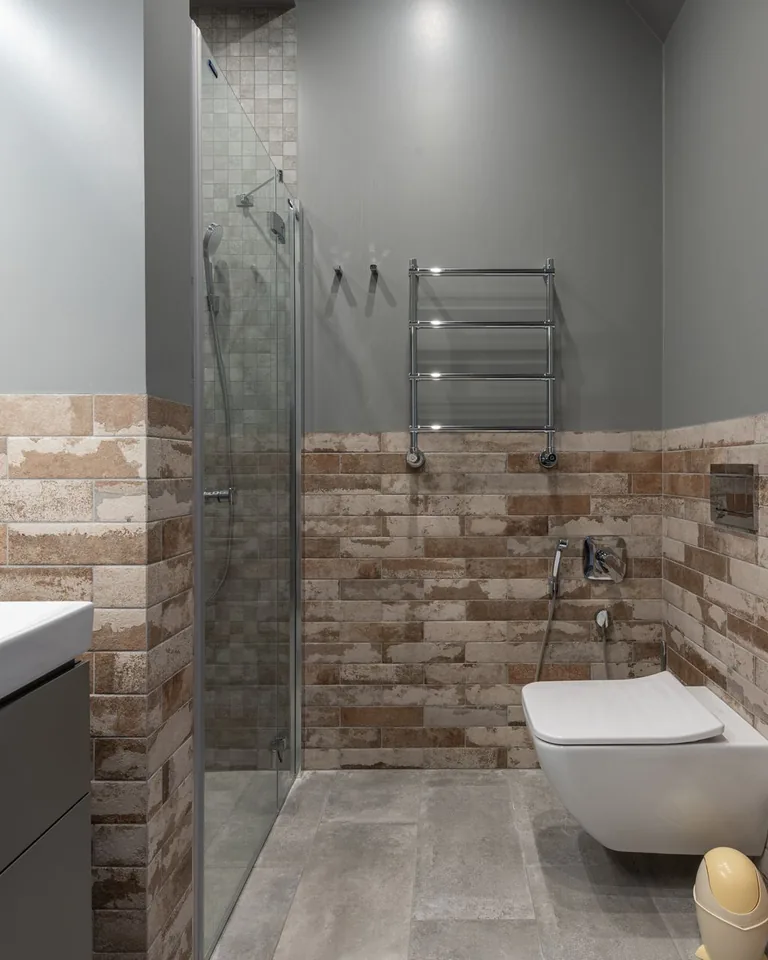
Chiseled-edge subway tile takes the familiar rectangle and softens every edge, giving it a hand-cut, old-world feel. In warm ivory or putty tones, it suits farmhouse and traditional bathrooms that want texture with a bit of history — the same way the high-contrast restraint in our black and white bedroom ideas proves that simple shapes carry a room when the details are right.
The uneven edges create slightly irregular grout joints, which is part of the charm — just make sure your installer embraces the handmade look rather than fighting it. Pair with aged brass fixtures to complete the vintage feel. Tip: use a grout one shade darker than the tile to make the chiseled edges pop.
Try Micro-Ribbed Penny Rounds on the Shower Floor
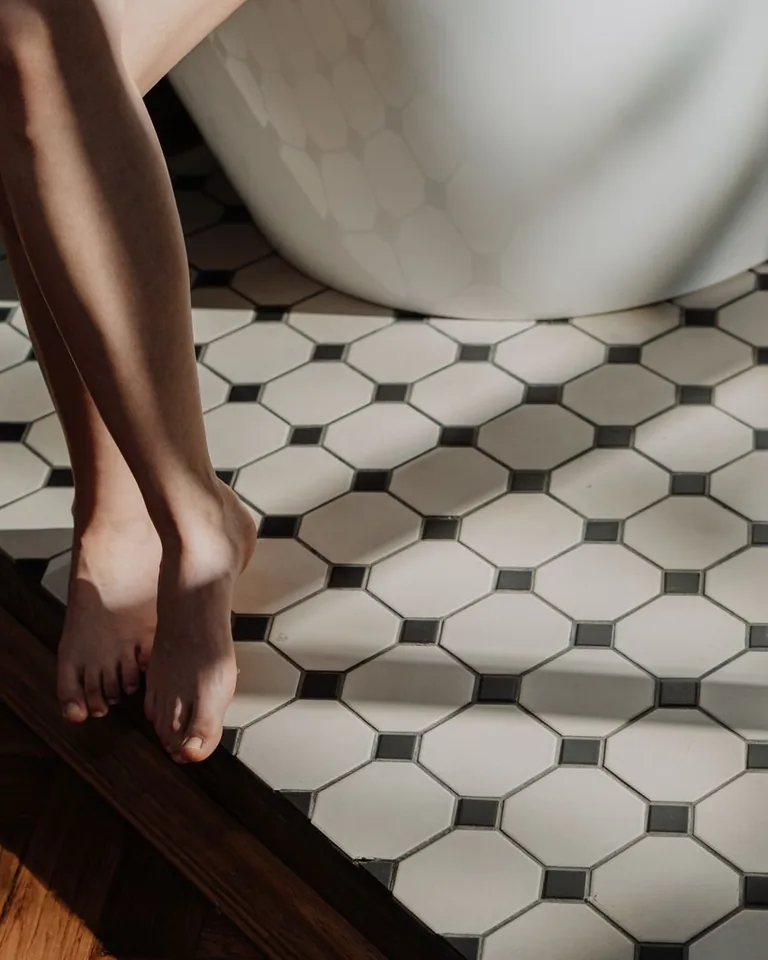
Penny rounds are the hardest-working small tile in the bathroom: the tiny circles conform to sloped shower floors, and the dense grout grid gives excellent grip. A micro-ribbed or textured glaze adds one more layer of interest, turning a purely practical choice into a design detail.
Stick to one neutral tone — soft white, warm grey, or sand — and let the round pattern do the talking. Seal the grout well, since a penny-round floor has far more grout than large-format tile. Tip: carry the same penny rounds up one shower wall to the niche for a tailored, custom look.
Keep It Calm with Matte Stacked Brick Tile
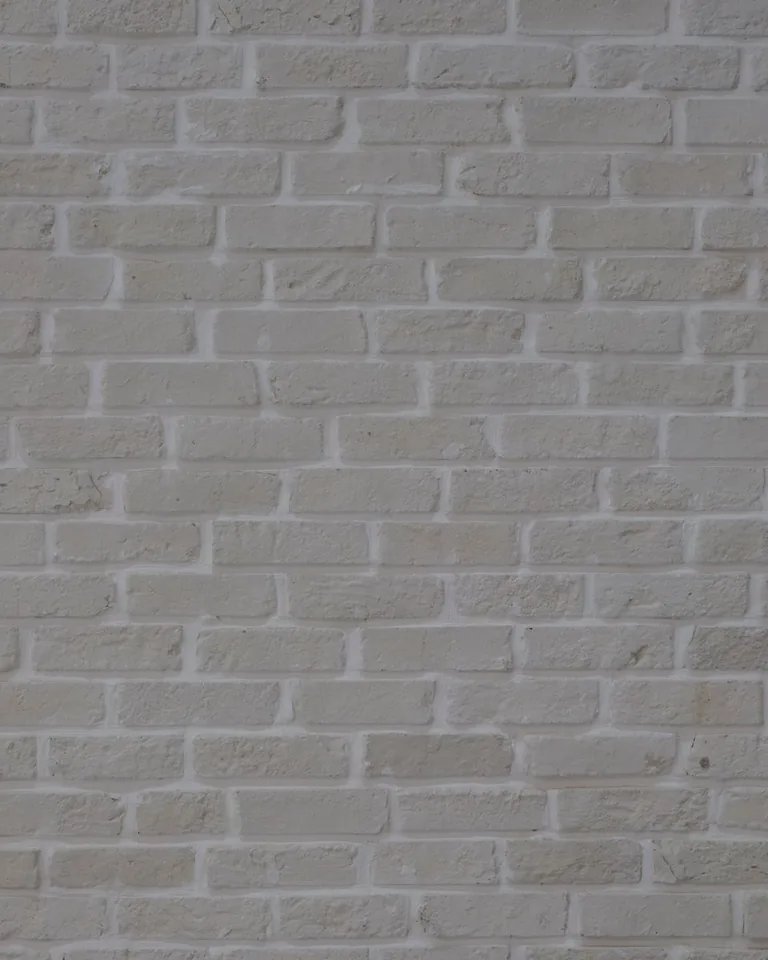
Thin brick-look tile, stacked in straight vertical columns with a matte glaze, is the quietest way to add texture on this list. The slim proportions create fine vertical lines that elongate the wall, and the matte finish absorbs light for a soft, plaster-like effect.
This is a good choice for bathrooms where you want the tile to recede — powder rooms, or bathrooms with a statement vanity or dramatic mirror. Run it floor to ceiling behind the vanity for a full feature wall. Tip: stack the tiles vertically rather than in running bond; the vertical lines read as modern, the horizontal as rustic.
Frequently Asked Questions
Should I use matte or glossy tile in a neutral bathroom?
Use both, in different zones. Matte or honed tiles suit floors and large wall areas — they hide water spots, resist slipping, and keep a neutral palette calm. Save gloss for accents like a zellige feature wall or fish scale niche, where shine becomes a texture rather than a glare problem.
What grout color works best with neutral bathroom tile?
Match the grout closely to the tile for a seamless, calm look — this lets texture and shape stand out. A grout one shade darker than the tile adds gentle definition and hides staining better over time. Avoid bright white grout with beige tile; the contrast can look unintentional.
What size tile makes a small bathroom look bigger?
Large-format tiles with fewer grout lines generally make a small bathroom feel more expansive, especially when the same tile runs from floor to wall. Texture matters more than size, though — a large flat tile can still look dull, while a textured tile in a modest size keeps the room interesting. Our small bedroom ideas use the same small-space tricks: continuous surfaces, vertical lines, and restrained color.
How do I keep a neutral bathroom from looking flat?
Layer at least three different textures: for example, a ribbed wall tile, a tumbled stone floor, and a woven or wood accent like a teak bench or rattan basket. Add one warm metal finish — brass or bronze — and soft textiles like waffle-weave towels. Texture does the visual work that color normally would.
A neutral bathroom does not have to be a plain one. Pick two or three of the tile ideas above that fit your space and budget, keep the palette tight, and let the surfaces — the ribs, the pits, the chips, the glaze — carry the design. If you are drawn to deeper tones, our moody half bathroom ideas take the same textural thinking into darker territory.