
Blush Pink Bedroom Ideas: 15 Ways to Get the Color Right
Blush pink bedrooms go wrong for one fixable reason: the undertone fights the room’s light. A peach-leaning blush turns muddy under cool bulbs, and a lavender-leaning blush goes icy in a north-facing room. Match the undertone to your light, anchor the pink with one grounding partner — charcoal, oak, navy, or brass — and blush reads as sophisticated, never sugary. These 15 ideas show you how to get the color right, whether you’re painting walls or just layering textiles.
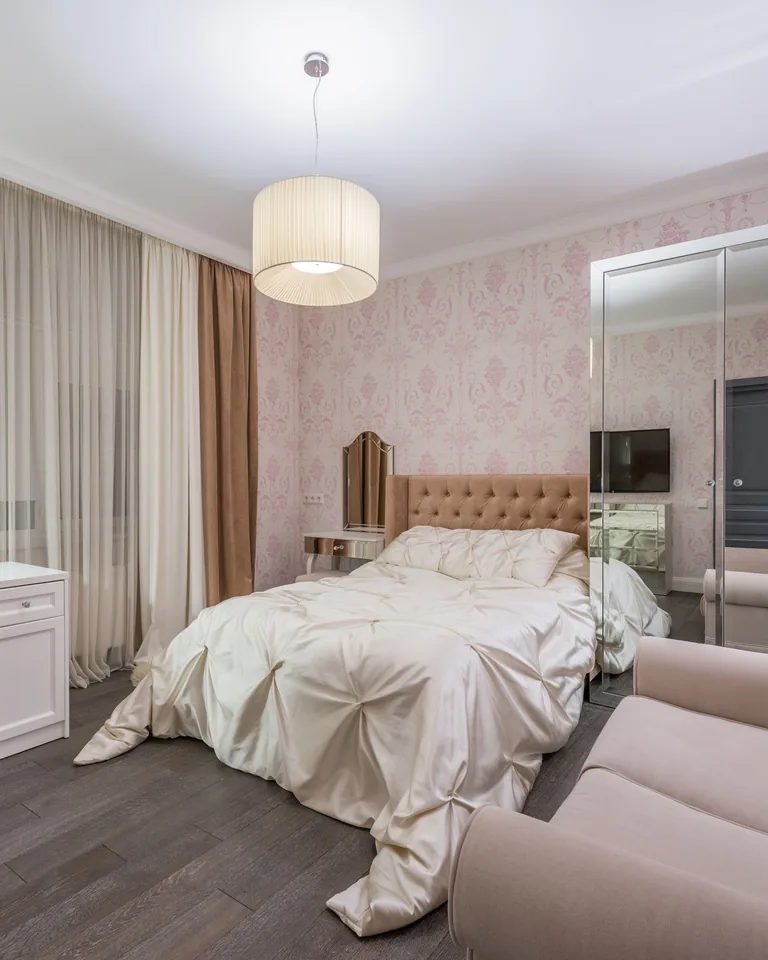
Start With the Undertone, Not the Paint Chip

Every blush pink leans somewhere: warm blushes carry peach or apricot, cool blushes carry lavender or gray. That lean decides whether the room feels cozy or cold, because your light amplifies it. Warm undertones glow under warm bulbs and in south-facing rooms; cool undertones stay crisp in bright daylight but can feel chilly at night.
Tip: hold the paint chip next to a true white sheet of paper. The undertone you see in that comparison is the one that will dominate on four walls, so choose the lean that matches the mood you want.
Test Big Swatches in Your Own Light Before Committing

Blush is one of the most light-sensitive colors you can put on a wall. A shade that looks like dusty rose in the store can read as bubblegum pink in your bedroom at 4 p.m. Paint large swatches — at least two feet square — on two different walls, then live with them for two full days before deciding.
Tip: check the swatch in morning daylight, afternoon sun, and under your evening lamps. If it stays pleasant in all three, it is a keeper. This single step prevents more pink regret than any other.
Pair Blush Walls With Crisp White Trim
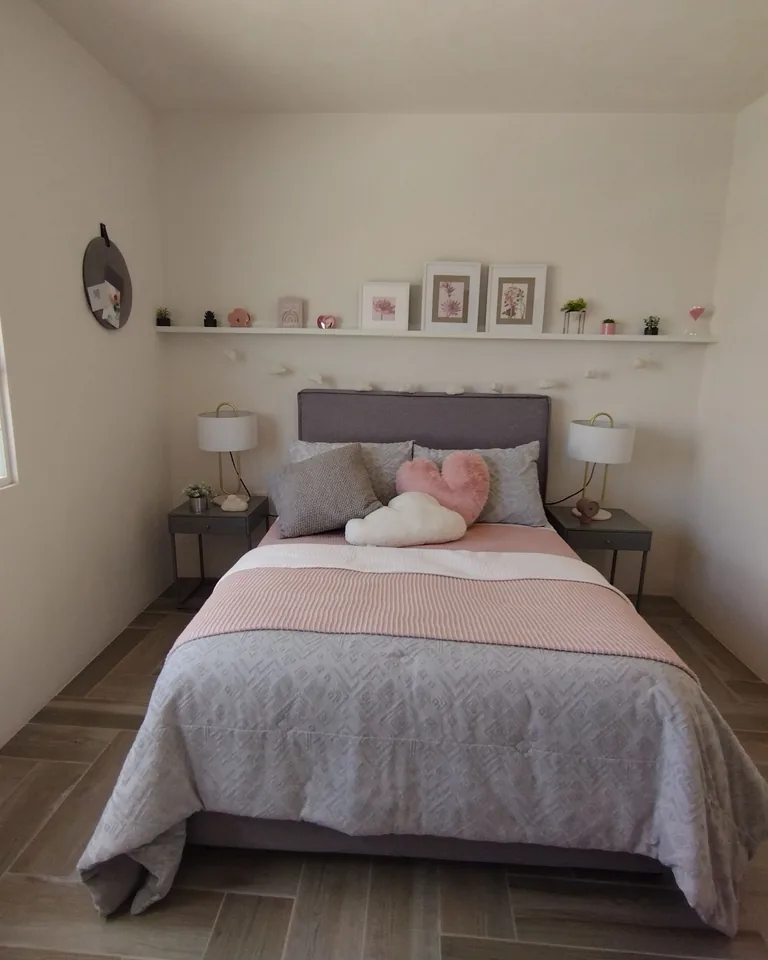
Blush pink looks its best against a hard edge. Crisp white baseboards, door frames, and crown molding give the eye a clean boundary, which stops the pink from bleeding into a formless wash. The contrast makes both colors look intentional — the pink looks pinker, and the white looks fresher.
Tip: use a true bright white with no yellow in it for the trim. Creamy whites blend into blush and dull the contrast you are trying to create.
Layer Dusty Rose Over Ivory Bedding
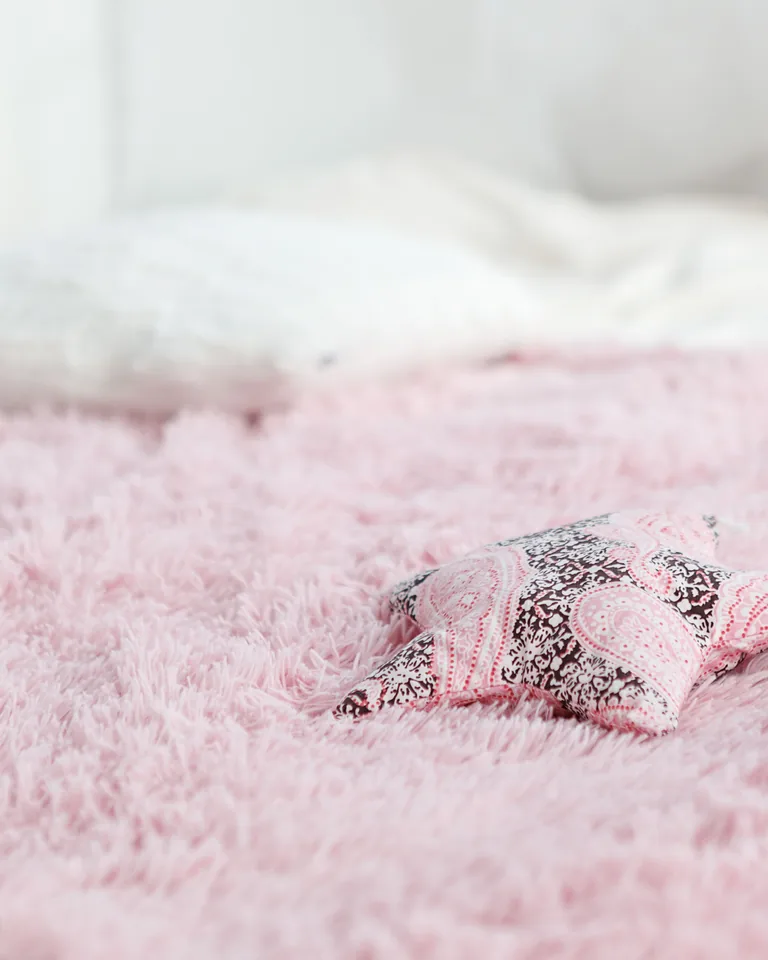
Renters and commitment-phobes can skip the paint entirely. Make the bed the pink moment: dusty rose throw pillows and a textured throw layered over ivory or warm-white sheets and duvet. The ivory keeps the pink from going sweet, and you can strip it all off in ten minutes.
Tip: mix at least two textures — say, a knit throw with smooth cotton shams. Texture is what keeps a pink bed looking designed rather than decorated.
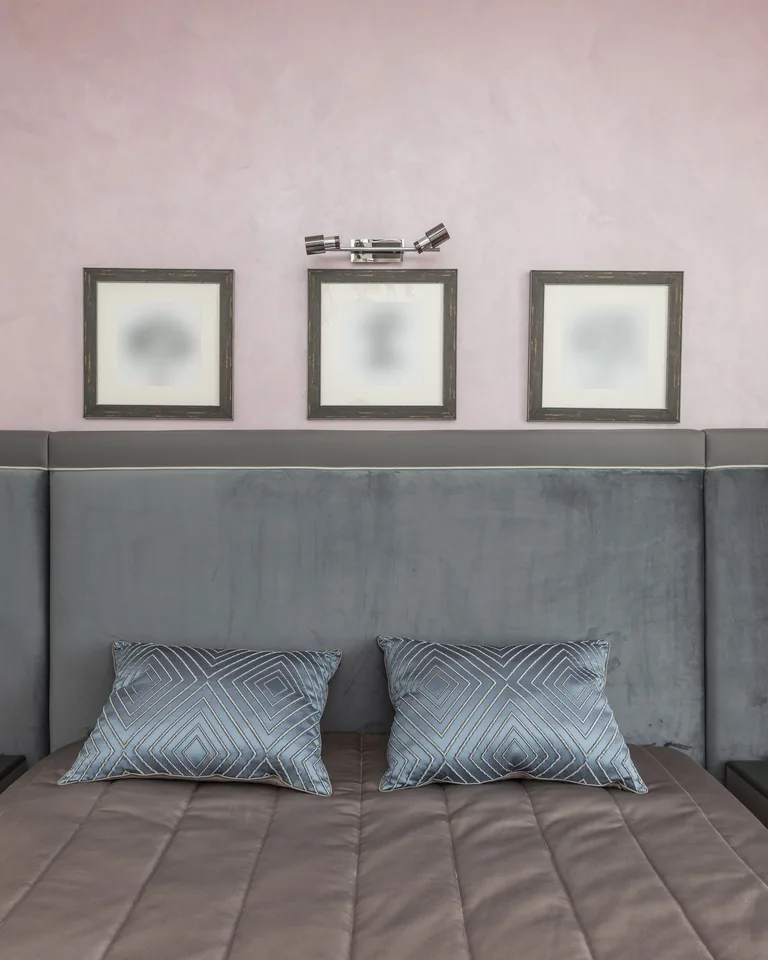
Set Muted Blush Against Charcoal Gray

Charcoal is blush pink’s most sophisticated partner. A charcoal upholstered headboard against a muted blush wall — or charcoal throw pillows on pink bedding — adds the visual weight that keeps pink from floating away. The pairing reads grown-up and calm, and it works in gender-neutral rooms too.
Tip: keep the charcoal to about a fifth of the room’s visual weight. One headboard plus a throw is enough; more than that and the charcoal starts bossing the pink around.
Ground Blush With Light Oak Furniture
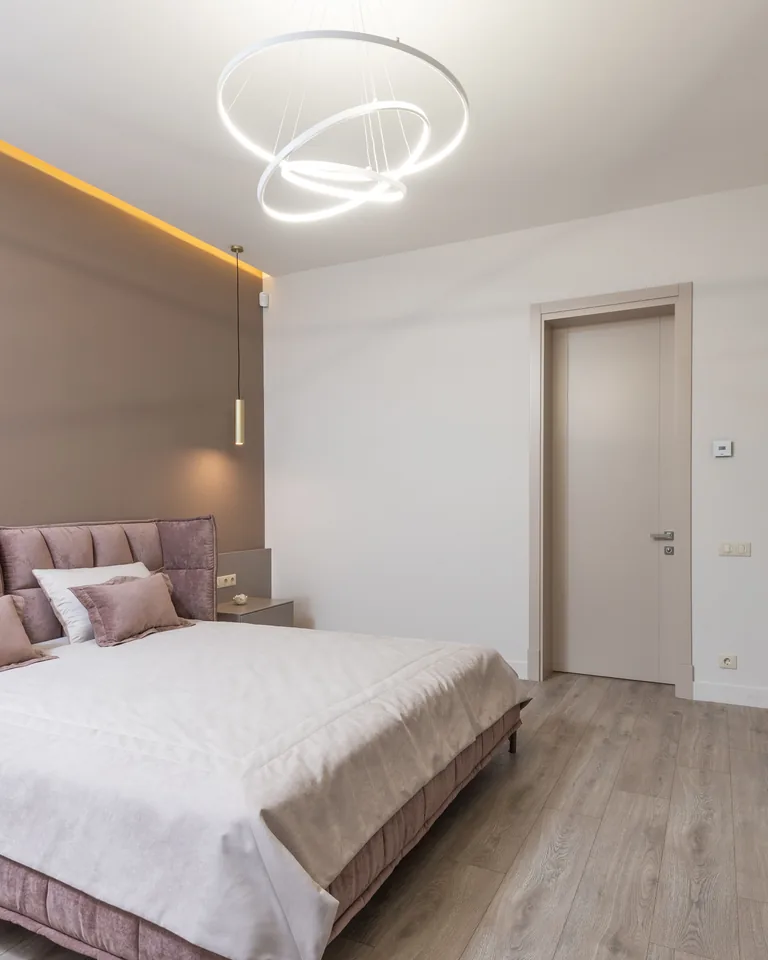
Light oak and blush pink share the same airy, organic register, which is why they sit together so naturally. A light oak bed frame, nightstands, or dresser warms up pink walls without adding any visual heaviness. The wood grain also gives the eye somewhere to rest between soft surfaces. If you like this natural-wood direction, a modern farmhouse bedroom makeover leans on the same light-wood foundation.
Tip: choose oak with a matte or natural finish rather than high gloss. Shiny varnish fights the softness that makes this pairing work.
Add Terracotta Accents for Earthy Depth
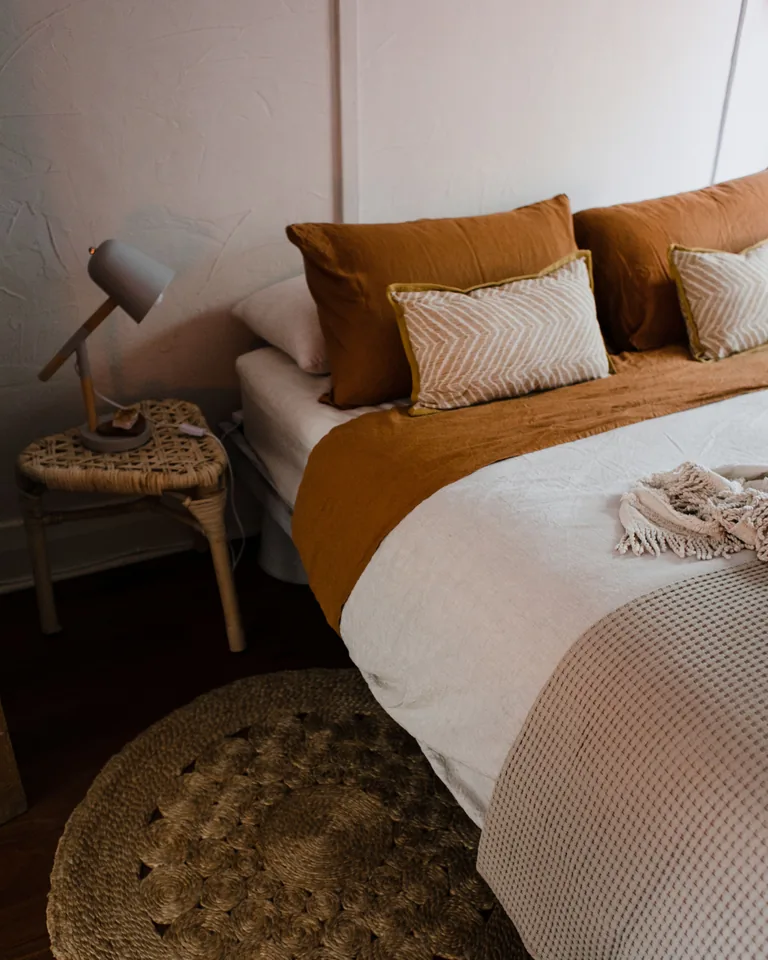
Terracotta is pink’s earthier cousin, and a little of it gives blush real depth. Rust-colored throw pillows, a terracotta planter, or handmade pottery on the nightstand pull the pink toward autumn warmth. This is the fastest way to make a pink room feel collected instead of precious.
Tip: keep terracotta to small accents — pillows, a vase, a folded throw. Large terracotta pieces compete with the pink instead of supporting it.
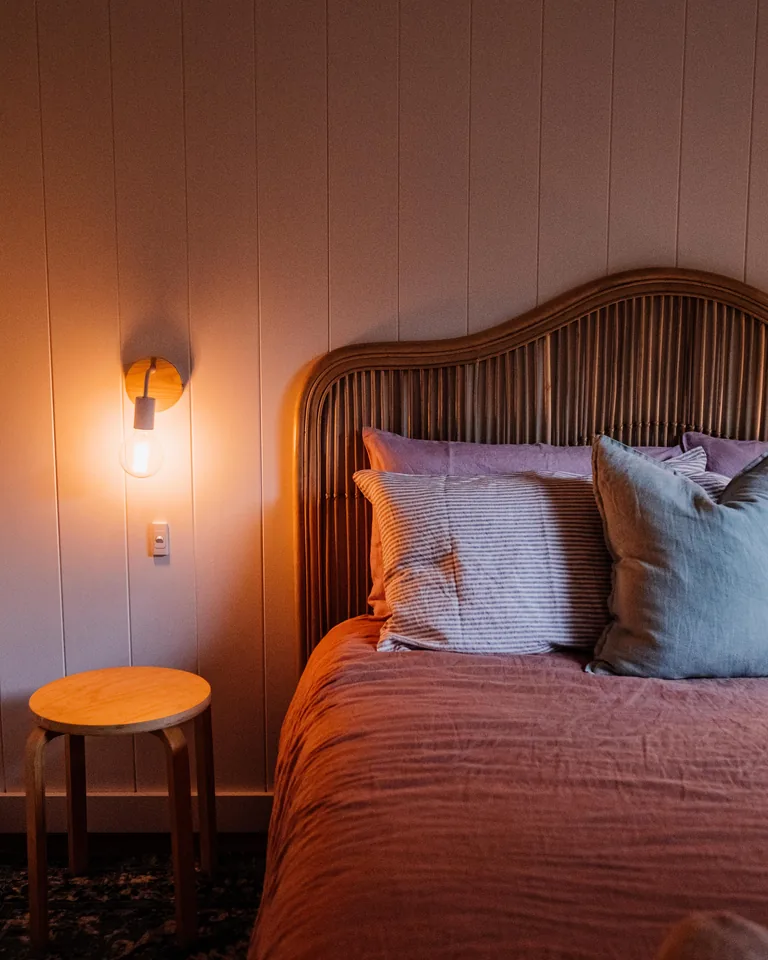
Pair Blush With Soft Sage Green
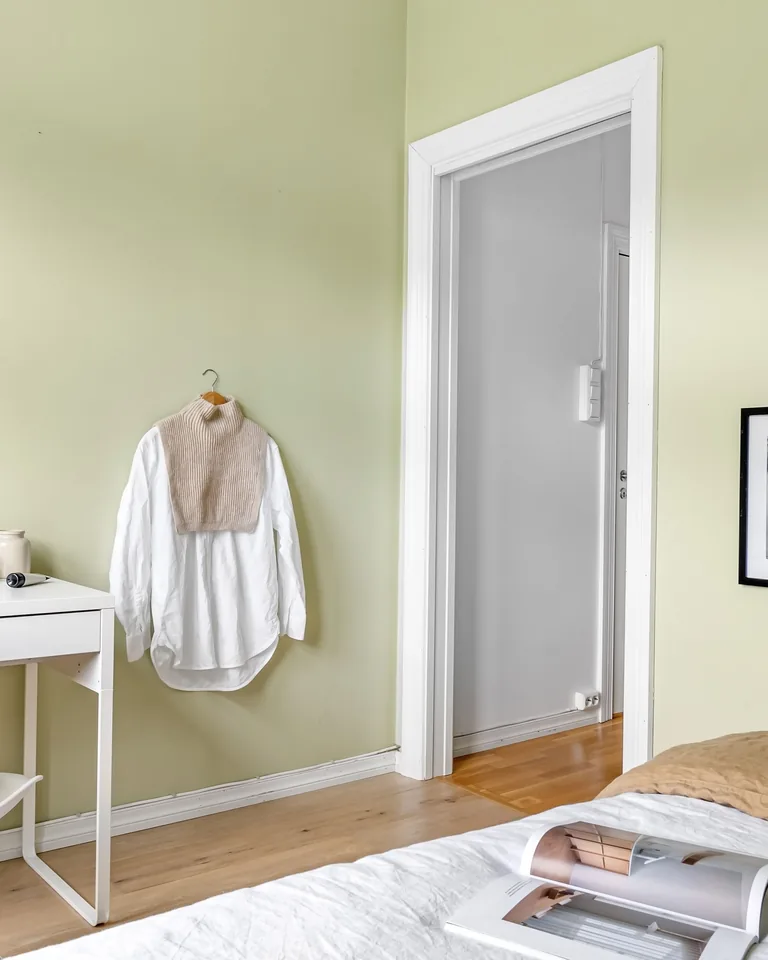
Pink and green sit opposite each other on the color wheel, so muted versions of both balance beautifully. Soft sage bedding, a sage throw, or even just a few leafy plants keep blush from feeling one-note. The green reads as calm and natural, which grounds the romance of the pink.
Tip: keep both colors muted. Bright kelly green against blush looks festive in a way you probably do not want in a bedroom.
Use Greige Beside Cool Blush Paint
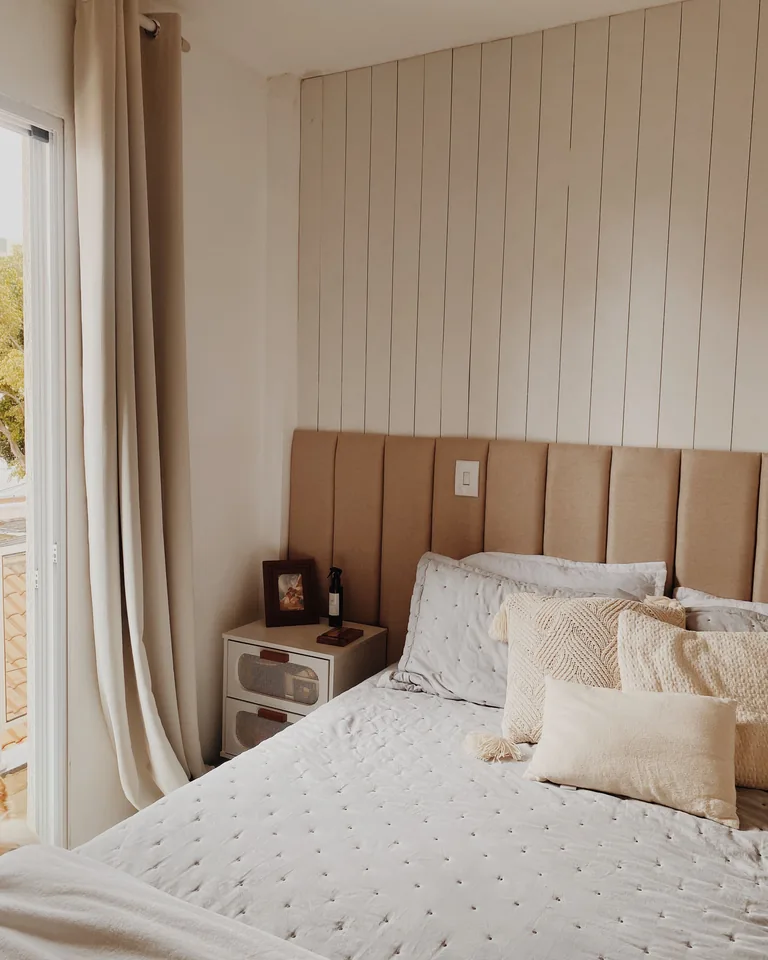
If your blush leans cool — lavender or gray in the undertone — greige is the perfect bridge. A greige rug, curtains, or upholstered bench sits halfway between the pink and a true neutral, so the transition feels seamless. This is the combination that makes cool blush look expensive. For more ideas on building a room around warm neutrals, see these beige bedroom color pairings.
Tip: pick a greige with visible warmth rather than a cold gray-beige. The warm version harmonizes with pink; the cold version can make it look washed out.
Create Contrast With Navy Blue Textiles
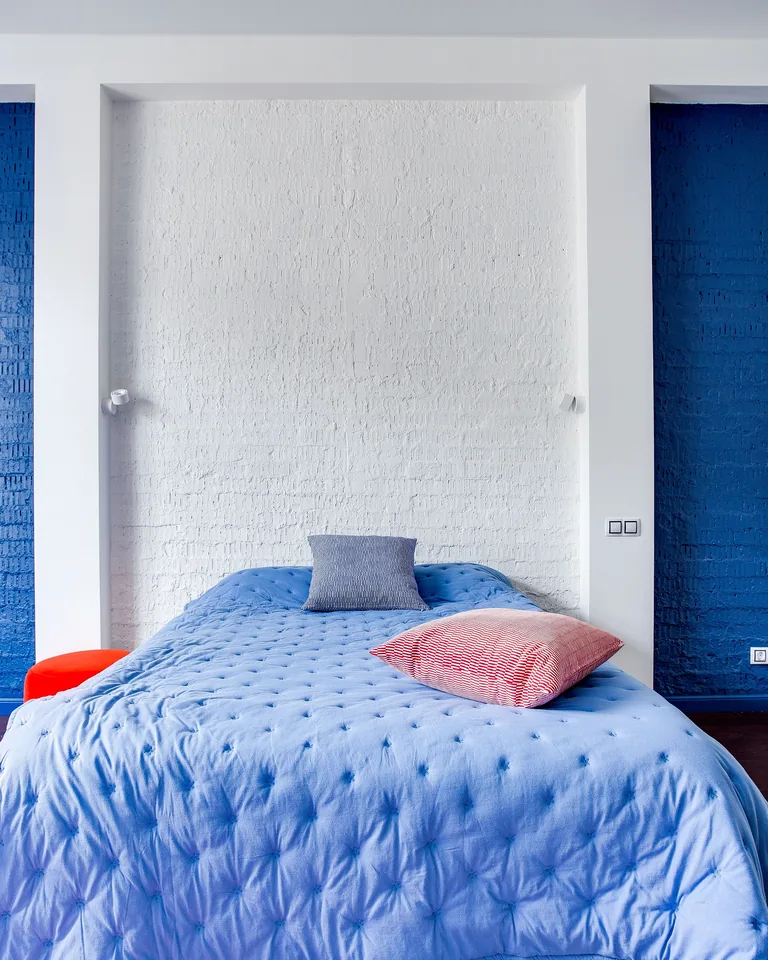
Navy does for blush what charcoal does, but with more drama. Navy throw pillows, a navy bench at the foot of the bed, or navy curtains against blush walls create a high-contrast pairing that feels luxurious rather than girly. The darkness of navy makes the pink look luminous by comparison.
Tip: navy works best as bedding or upholstery rather than wall paint in this scheme. A navy wall plus pink walls can feel like two rooms arguing.
Warm It Up With Brass Lighting and Hardware
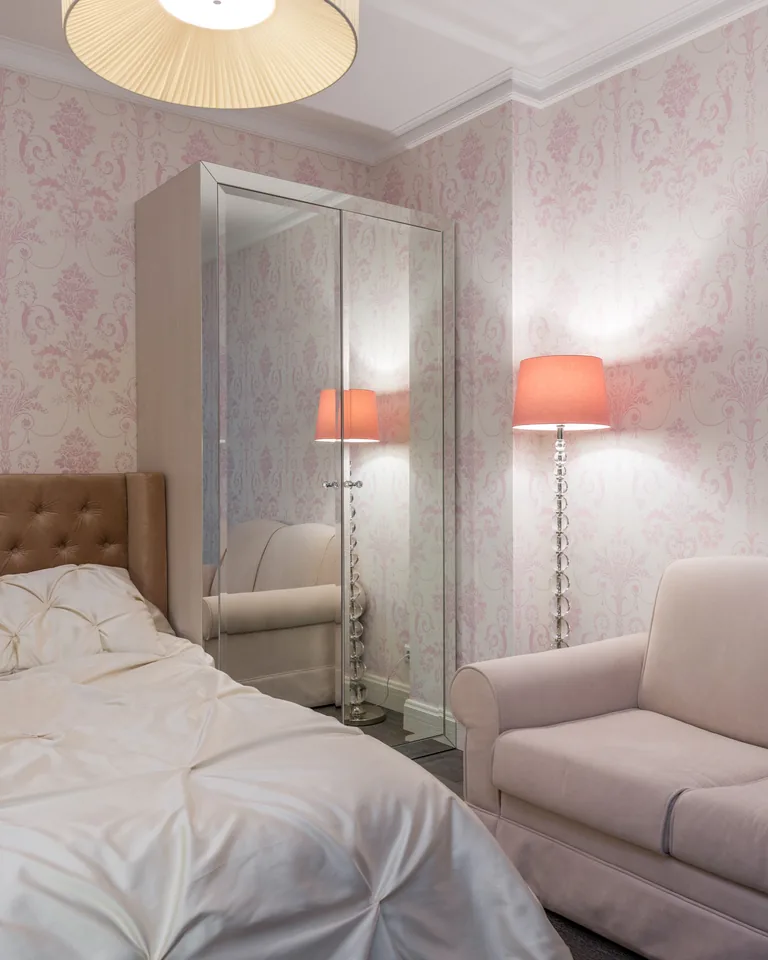
Antique brass, champagne gold, and warm bronze all pick up the golden notes hiding in warm blush. Swap in brass picture-frame moldings, a brass table lamp, or brass drawer pulls, and the whole room glows a little warmer. Metallics also add the reflective sparkle that flat pink walls sometimes lack. A bedroom vanity with a brass-framed mirror is a natural place to work this metal in.
Tip: mix no more than two metal finishes. Brass plus matte black is a classic; brass plus chrome plus nickel is a mess.
Style Blush Bedding in an All-White Room
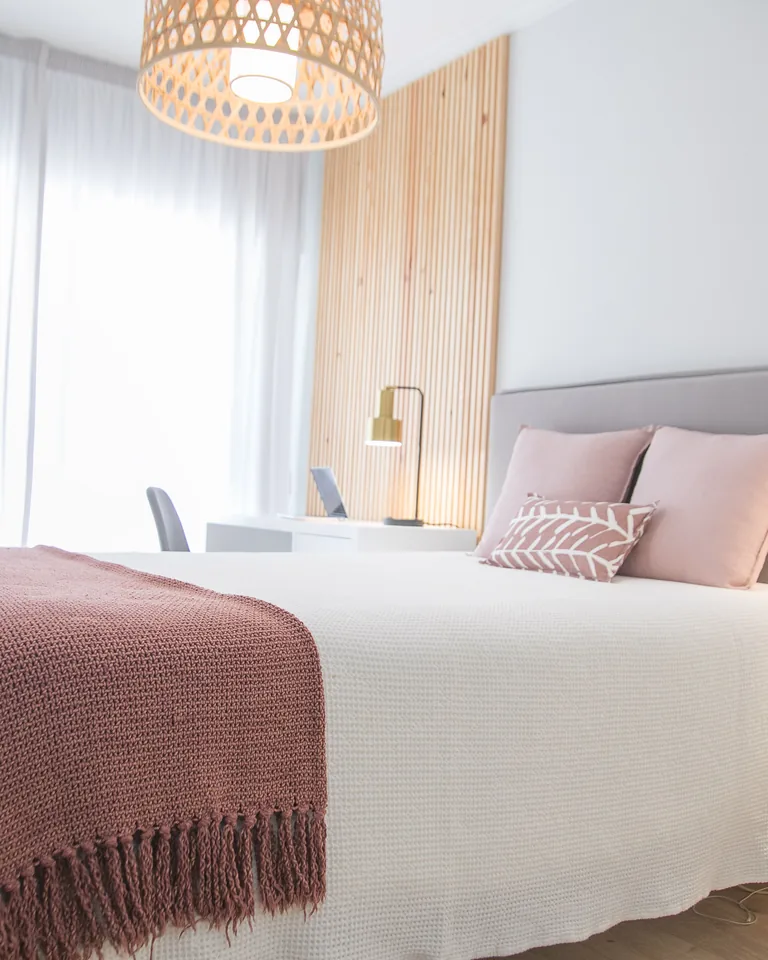
The lowest-risk blush bedroom is a white room with a pink bed. White walls, white curtains, white rug — then go all in on blush bedding: duvet, shams, throw pillows in three depths of pink. The bed becomes the entire color story, and the white surroundings make it look deliberate and gallery-like.
Tip: use three shades of pink on the bed — pale blush, dusty rose, and one deeper rose. One flat pink across the whole bed looks unfinished; the gradient looks styled.
Match Blush Curtains to a Subtle Area Rug
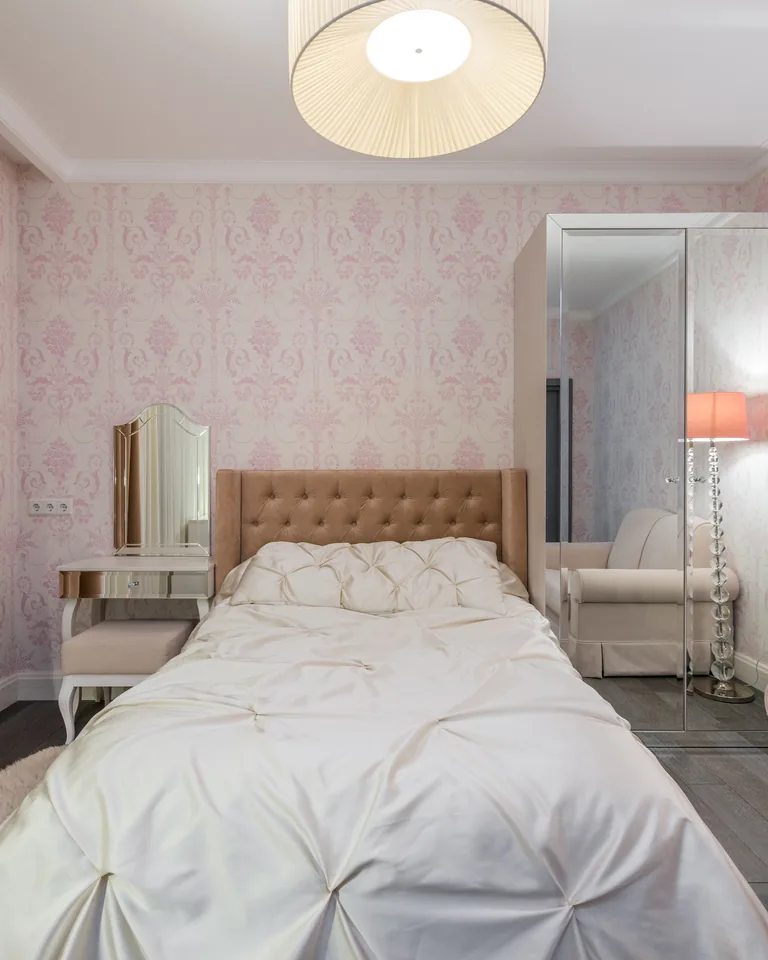
Repeating blush at two heights — curtains at the window, rug on the floor — is what makes a pink room feel cohesive instead of random. The rug does not need to be pink; it just needs a blush motif or border that echoes the curtains. Together they frame the room top and bottom.
Tip: size the rug so it extends at least two feet past each side of the bed. A too-small rug chops the room up, which is the opposite of the flow you want.
Sharpen Blush Walls With Black-Framed Art
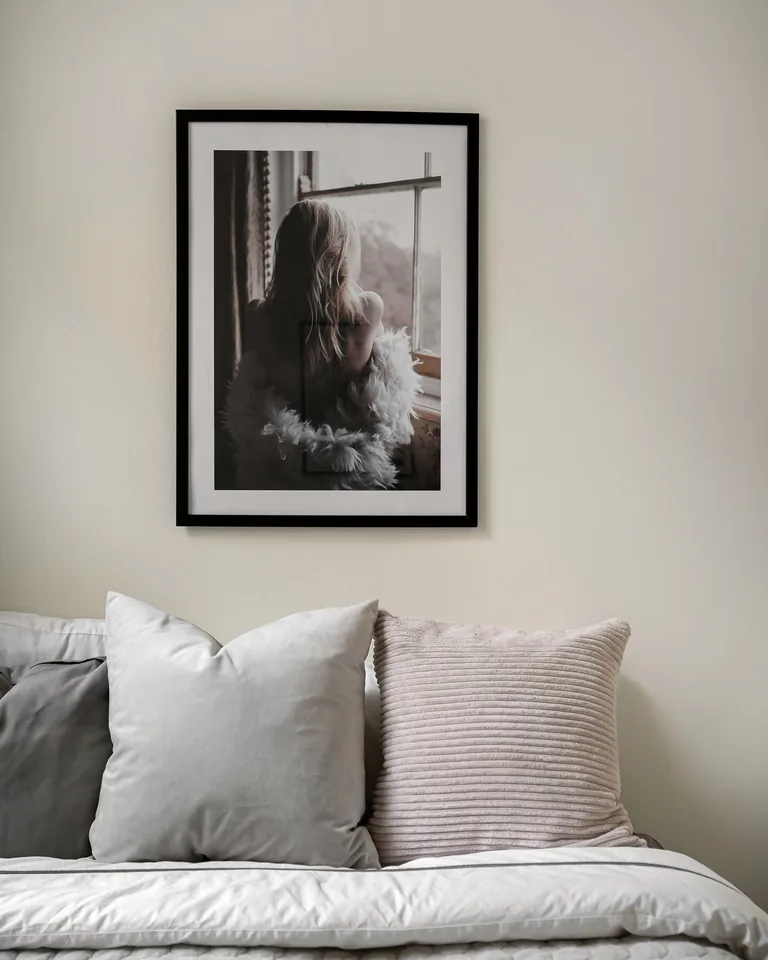
Thin black frames are the quickest way to add definition to a soft pink room. A gallery wall of black-framed prints above the bed — photography, line art, or abstract pieces with black in them — gives the eye crisp lines to follow. The black also echoes the idea behind a black and white bedroom: contrast is what makes soft colors look intentional.
Tip: keep the frames thin and the mats wide and white. Chunky black frames can overwhelm blush; thin frames with generous white matting keep it airy.
Go Tonal: Layer Three Pinks Together
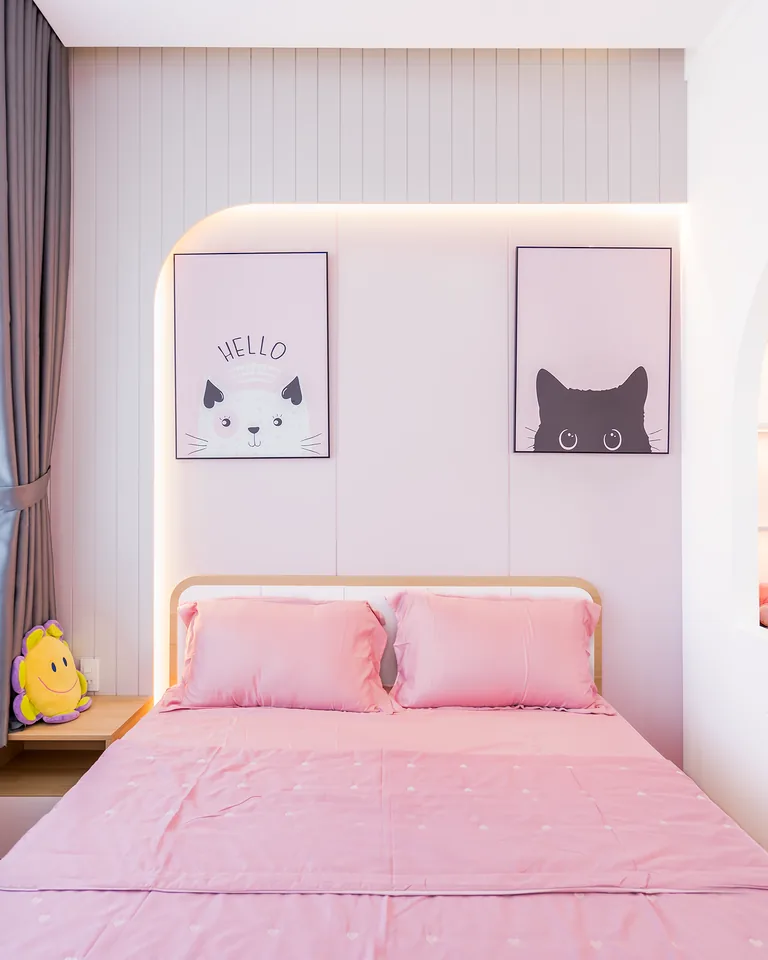
A full tonal pink room — blush walls, dusty rose bedding, deep rose accents — can look remarkably grown-up when the shades are all muted. The trick is varying the finish as well as the color: matte walls, linen bedding, velvet pillows. Same color family, different textures, and the room gains depth instead of flatness.
Tip: break up large pink expanses with white ceilings, natural wood floors, or clear glass lighting. Every tonal room needs a few non-pink surfaces so the eye can reset.
Frequently Asked Questions
What colors go well with blush pink in a bedroom?
Blush pink pairs beautifully with white, warm gray, and greige for a soft look, and with navy, charcoal, forest green, or black for contrast. Warm metallics like brass and gold enhance the romantic feel, while natural wood tones keep it grounded.
How can I incorporate blush pink in a small bedroom?
Use blush in accessories rather than on all four walls: throw pillows, a throw blanket, curtains, or art. A single blush accent wall behind the bed also works — it creates a focal point without closing the room in. For more on making compact rooms feel bigger, see these small bedroom ideas.
Can blush pink work in a masculine or gender-neutral bedroom?
Yes, when it is balanced with grounded materials. Pair dusty, muted blush with charcoal, leather, dark wood, or black metal, and the pink reads as a warm neutral rather than a feminine statement. Avoid candy-bright pinks and keep the overall palette restrained.
How do I choose the right shade of blush pink for my room’s natural light?
In bright, south-facing rooms, a cooler blush with a hint of lavender or gray keeps the space from feeling too warm. In dim, north-facing rooms, choose a blush with peach or apricot undertones to add warmth. Always test large swatches on the wall and observe them at different times of day.
Getting blush pink right is mostly a matter of honesty about your light and discipline about your pairings. Choose the undertone your room wants, test it properly, ground it with one strong partner, and blush pink will do what it does best: make a bedroom feel warm, calm, and quietly luxurious. Store off-season pink textiles in under-bed storage so you can rotate the look with the seasons, and if you love warm color stories, butter yellow bedrooms play by the same undertone rules.