
12 Olive Green Bedroom Decor Ideas for a Calm, Earthy Retreat
Olive green is one of the easiest bedroom colors to get right — and one of the easiest to get wrong. Done well, it feels calm, earthy, and quietly luxurious. Done badly, it reads heavy, muddy, or stuck in another decade. The difference isn’t the exact shade you pick. It’s how you decorate with it.
Here’s the good news: you don’t need to paint a single wall. The most livable olive green bedroom decor builds the color through textiles, one or two furniture pieces, and warm accents — an approach that works in rentals, small rooms, and light-starved spaces alike. The formula that keeps it from feeling heavy: hold olive to about a third of what you see, ground it with warm neutrals like cream and natural wood, and finish with aged brass for warmth.
The 12 ideas below put that formula to work, ordered from the easiest no-commitment starting point to the finishing touches that make the room feel designed rather than decorated.
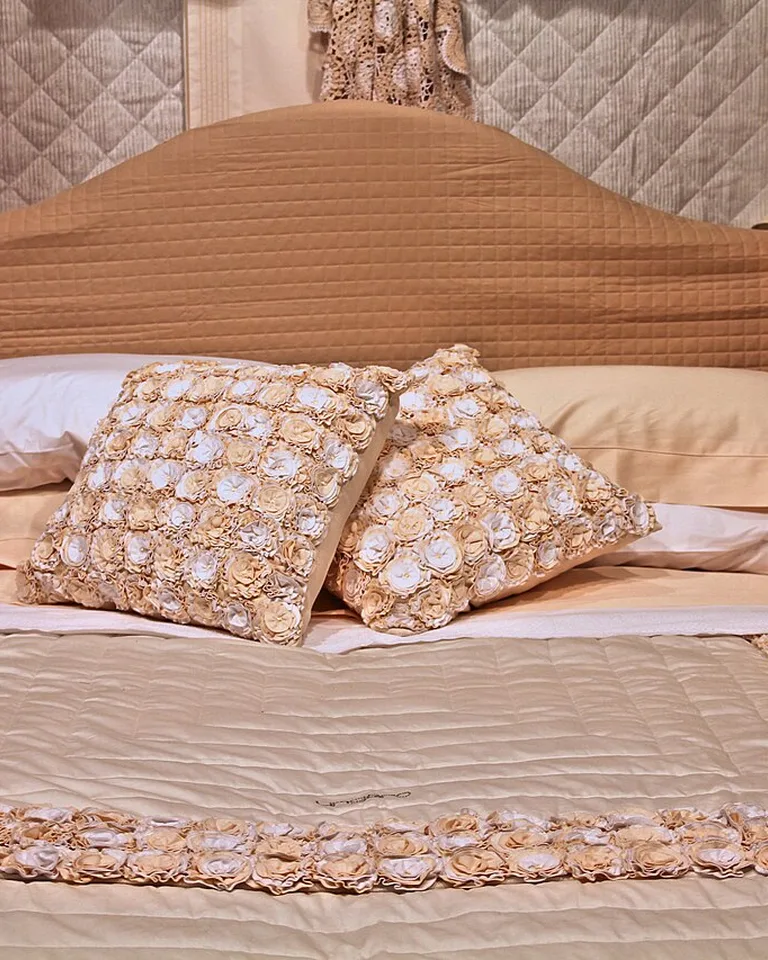
Anchor the Room with Olive Green Bedding
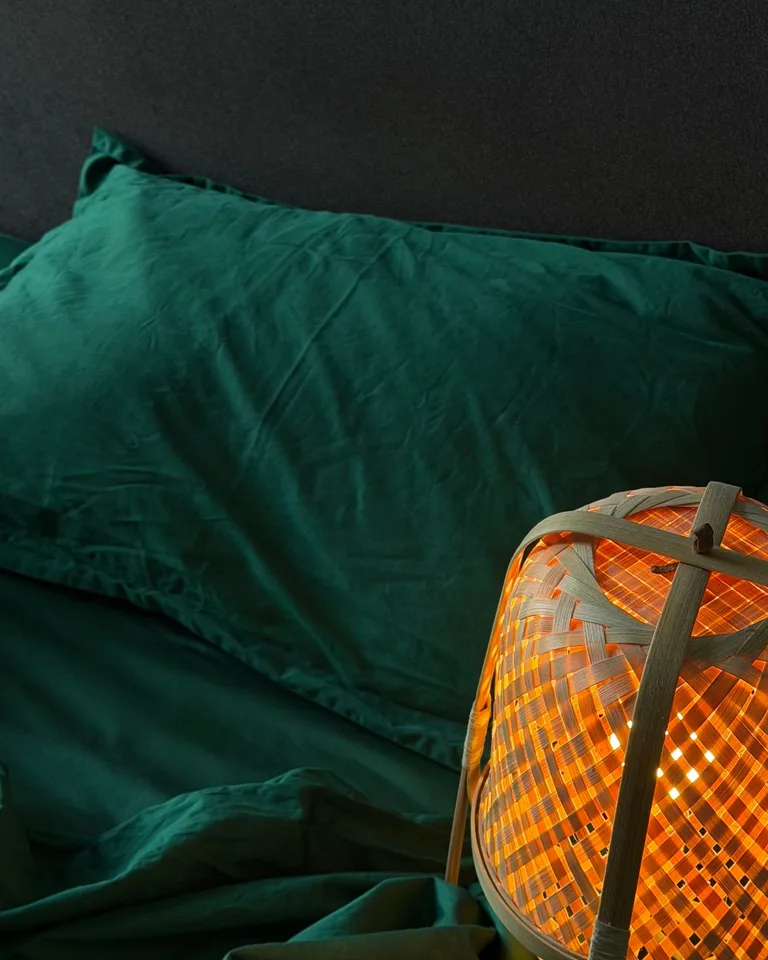
The bed is the largest surface in the room, so it’s the highest-leverage place to introduce olive — no paint, no commitment, and you can change the whole mood in an afternoon. A washed olive duvet or coverlet sets the palette instantly, and because bedding is soft and rumpled by nature, the color reads relaxed rather than flat.
Why it works: the bed fills roughly a third of your visual field, which is exactly the proportion of olive that keeps a room balanced. Pair it with cream or white sheets and the pale layers act as breathing room around the color, keeping the green from going muddy.
Tip: choose washed linen or cotton in a muted, grayish olive, and skip shiny sateen — sheen can push olive into dated territory. If a full olive duvet feels like too much, flip the ratio: a cream duvet with an olive quilt folded across the foot. Cream, ivory, and beige sheets are the classic partners here — see how far neutrals can carry a room in these warm beige bedroom ideas.
Layer Olive Velvet for Instant Richness

If olive linen is the casual route, olive velvet is the dressed-up one. A velvet throw across the foot of the bed, or two velvet cushions layered against your sleeping pillows, adds a depth that flat fabrics can’t match — the pile catches the light and the color shifts between deep green and soft gold as you move around the room.
Why it works: olive is a muted color, and muted colors can fall flat under bedroom lighting. Velvet’s sheen gives it dimension without adding another color to the mix, so the palette stays calm while the room gains richness.
Tip: keep velvet to accents — a throw plus two cushions is plenty. Mix two nearby olive tones instead of matching exactly, and add one cream or oatmeal cushion so the arrangement doesn’t read as a single block of green. Layering one green over another is easier than it looks — these sage green bedroom ideas show how two greens can harmonize instead of clash.
Ground the Palette with a Patterned Rug
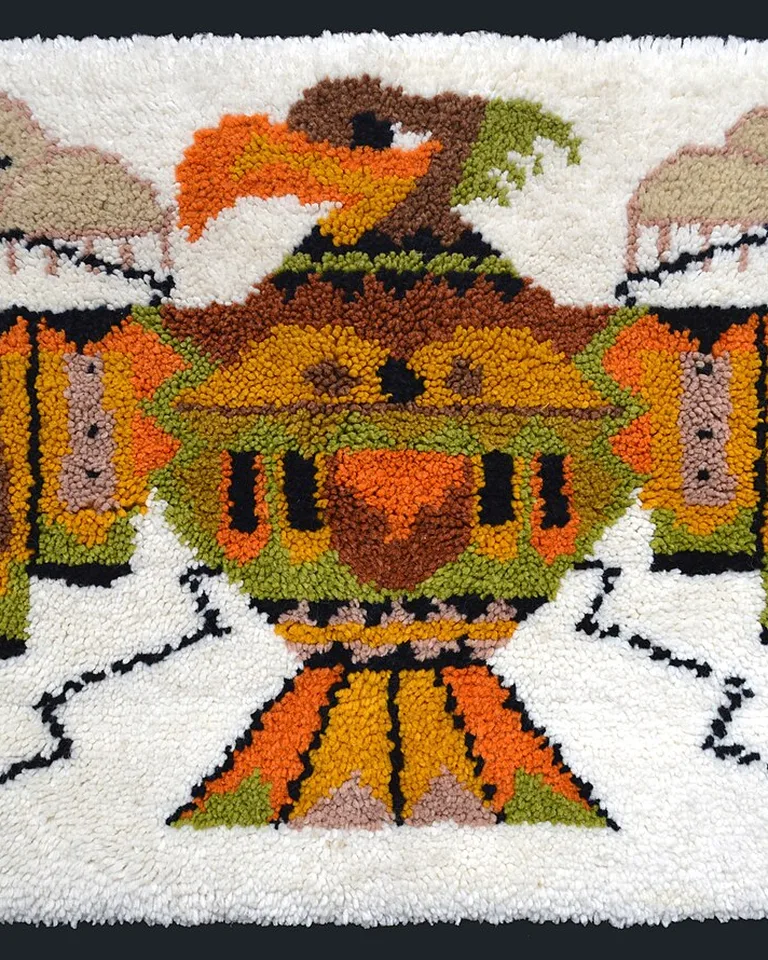
A rug is the fastest way to make olive feel intentional rather than accidental. When the floor repeats the color that’s on the bed, the whole scheme clicks — your eye connects the two levels and reads the room as designed.
Why it works: color repeated at two different heights creates rhythm. A vintage-style or Persian-inspired rug with olive, cream, and a touch of rust does triple duty: it grounds the bed, adds pattern, and introduces your accent color in a single move.
Tip: wool or a wool-jute blend suits olive’s earthy character best, and a low pile is easier to keep clean. Size it so at least the front two-thirds of the bed sits on it — a rug that’s too small makes the room feel choppier, not cozier.
Make One Bold Move with a Tufted Upholstered Headboard
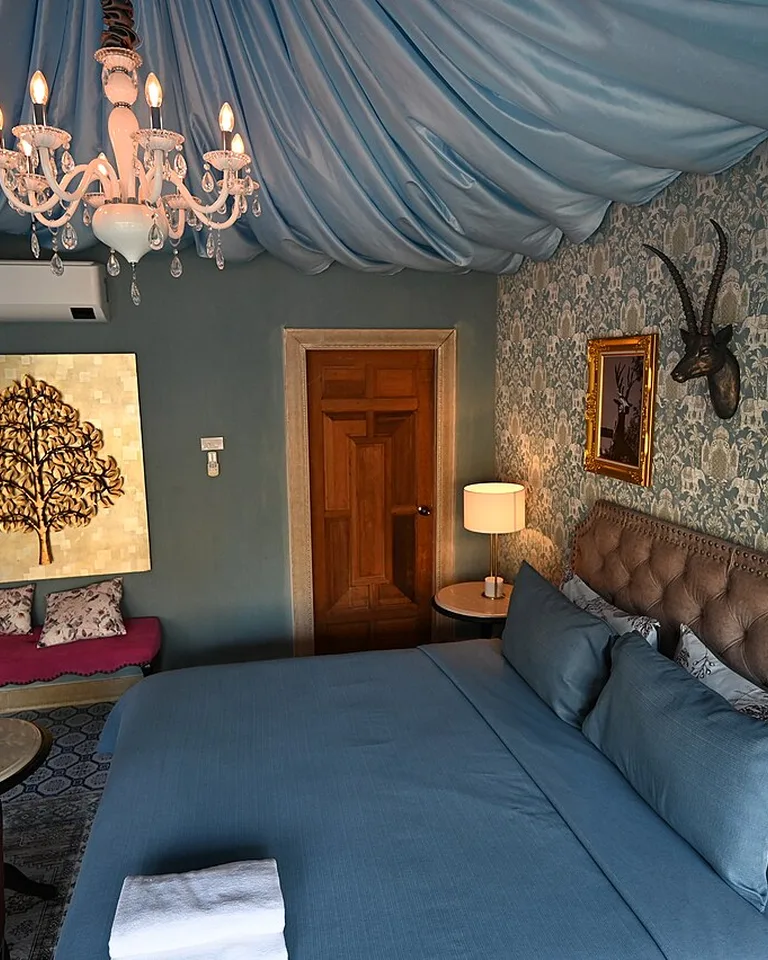
If you’re ready for a single statement piece, make it the headboard. An olive upholstered headboard delivers the drama of an olive accent wall with none of the paint fumes — it becomes the focal point the moment you walk in, and everything else in the room can stay neutral.
Why it works: the wall behind the bed is the room’s natural focal point, and upholstery softens it in a way paint can’t. A tall headboard also gives the bed presence and makes even a simply furnished room feel finished.
Tip: linen-look upholstery reads casual and modern; deep-buttoned velvet reads luxe and cocooning. Either way, keep the surrounding walls light — white, cream, or pale warm gray — so the headboard stays the star. Renters: a freestanding headboard that bolts to the bed frame needs no wall holes.
Repeat the Color with an Olive Accent Chair

One olive moment can look like an accident; two look like a decision. A small accent chair in a corner — or a bench at the foot of the bed — repeats the color in a second zone and gives the room a layered, finished feel. It also buys you a real spot to read, dress, or pile tomorrow’s clothes.
Why it works: repeating a key color at least twice is what makes it feel woven through a space rather than isolated on the bed. A chair does that while adding function, which is more than a purely decorative accent can claim.
Tip: in a small bedroom, swap the chair for a storage bench at the foot of the bed — it repeats the olive, adds seating, and hides clutter in one piece. The same hide-the-clutter logic applies below the mattress; these under-bed storage ideas keep a small bedroom feeling open.
Soften the Windows with Sheer Linen Curtains
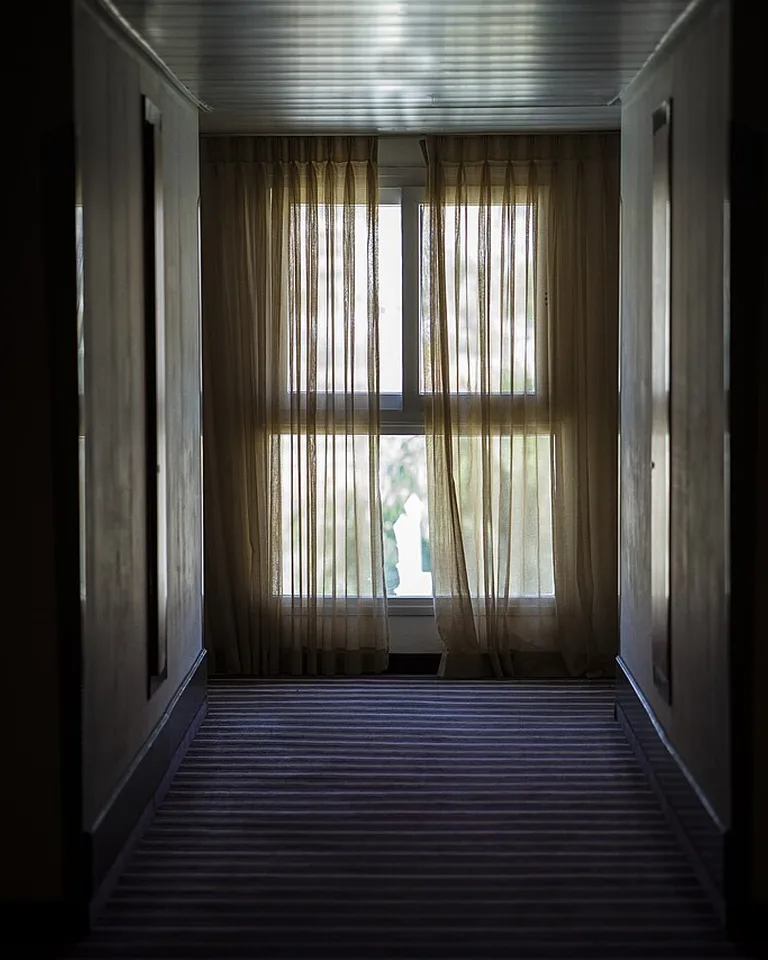
Bare windows make an olive scheme feel stark; the right curtains make it feel finished. Floor-length linen panels — olive if you’re committed, oatmeal or cream if you want to stay light — soften the daylight and frame the entire room.
Why it works: fabric at the windows is the third large textile surface after the bed and the rug. When all three speak the same color language, the room feels cohesive even if the furniture is a mix of eras and finishes.
Tip: hang the rod high and wide — several inches above the frame and beyond each side — so windows look larger and panels don’t block light when open. Choose breathable linen over heavy blackout fabric; olive already brings depth, so let the daylight in. In a light-starved room, add a mirror opposite the window to bounce daylight around — these full-length mirror bedroom ideas show the best placements.

Echo the Shade with a Real Olive Tree

Nothing ties an olive palette together like the plant it’s named after. A small potted olive tree in a bedroom corner is the rare decor move that’s both on-theme and alive — its silvery-green leaves literally contain the color you’re decorating with.
Why it works: live greenery adds a layer of variegated, natural green that keeps a styled olive scheme from feeling flat or over-coordinated. It also softens empty corners and adds height where furniture can’t.
Tip: olive trees want the brightest spot you’ve got — right by the window. Set it in a terracotta pot and the pairing turns quietly Mediterranean. If your room runs dark, a good faux olive tree gives the same silhouette with none of the light requirements.
Hang Artwork That Carries the Olive Tones
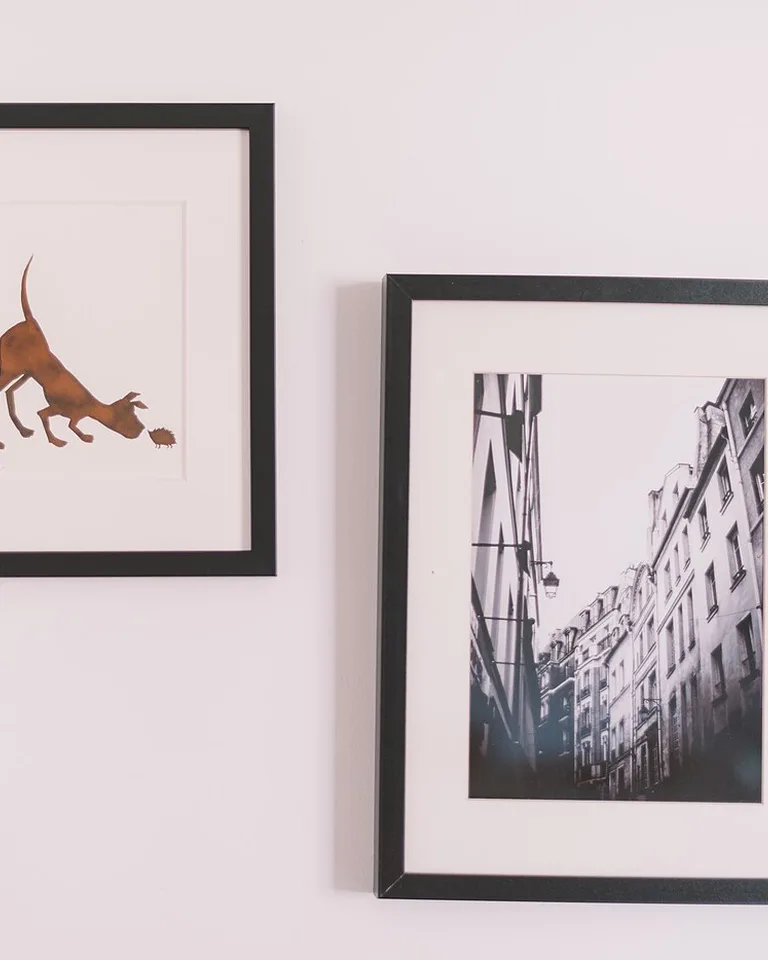
Art is the lowest-risk way to test-drive olive. A large landscape or abstract print with olive, ochre, and cream tones ties the room’s colors together — and unlike a painted wall, you can swap it in an afternoon if your taste changes.
Why it works: one large piece does the color-repeating work of several small accessories at once. Hung over the dresser or centered above the bed, it becomes a second focal point that echoes the bedding without matching it.
Tip: go bigger than you think — one oversized piece beats a scattered gallery wall in a calm bedroom. Frame it in natural wood or aged brass to stay inside the warm, earthy palette.
Warm It Up with Wood and Woven Rattan

Olive is an earthy color, and earthy colors want natural textures beside them. Warm wood nightstands, a rattan bench, a woven pendant light, or even just a couple of seagrass baskets stop olive from feeling flat and give the room the collected-over-time character that makes a bedroom feel personal.
Why it works: texture is what separates a rich olive bedroom from a dull one. Wood grain and woven fibers add visual variation without adding new colors, so the palette stays restful while the room gains depth.
Tip: don’t match your wood tones — a teak nightstand next to an oak frame looks collected, while identical finishes look like a showroom set. Mid-century tones like teak, acacia, and walnut are olive’s natural partners.
Light It with Aged Brass, Not Bright Gold

Here’s a distinction worth knowing: with olive, aged or antique brass beats shiny polished gold every time. Olive is muted and earthy, and bright gold can look harsh beside it — while darkened, warm brass looks like it has always belonged there.
Why it works: warm metal bounces light around a muted palette and adds a jewelry-like finish without introducing a competing color. A brass table lamp, a pair of sconces, or even just brass drawer pulls lift the entire scheme.
Tip: swap your bulbs to 2700K–3000K warm white at the same time — cool daylight bulbs wash olive out and make it look flat. Then layer the light: a bedside lamp for reading, plus one low, warm source across the room.
Add Character with Handmade Clay Pottery

Olive’s best supporting actors are the warm earth tones that share its undertones: terracotta, rust, and ochre. A terracotta vase on the dresser, a rust-colored throw at the foot of the bed, or handmade clay planters bring out olive’s warmth and keep the room feeling grounded.
Why it works: these colors sit near olive on the warm side of the spectrum, so they harmonize instead of competing — while their orange-red base gives the eye just enough contrast to keep the green from going monotonous.
Tip: dose it like seasoning — two or three small pieces is plenty. If rust feels too bold, dusty blush plays the same warming role in a softer register, as these blush pink bedroom ideas show. For more vintage energy, a mustard or ochre throw does the same job — buttery yellow accents are olive’s classic partner.
Keep It Current with Touches of Matte Black
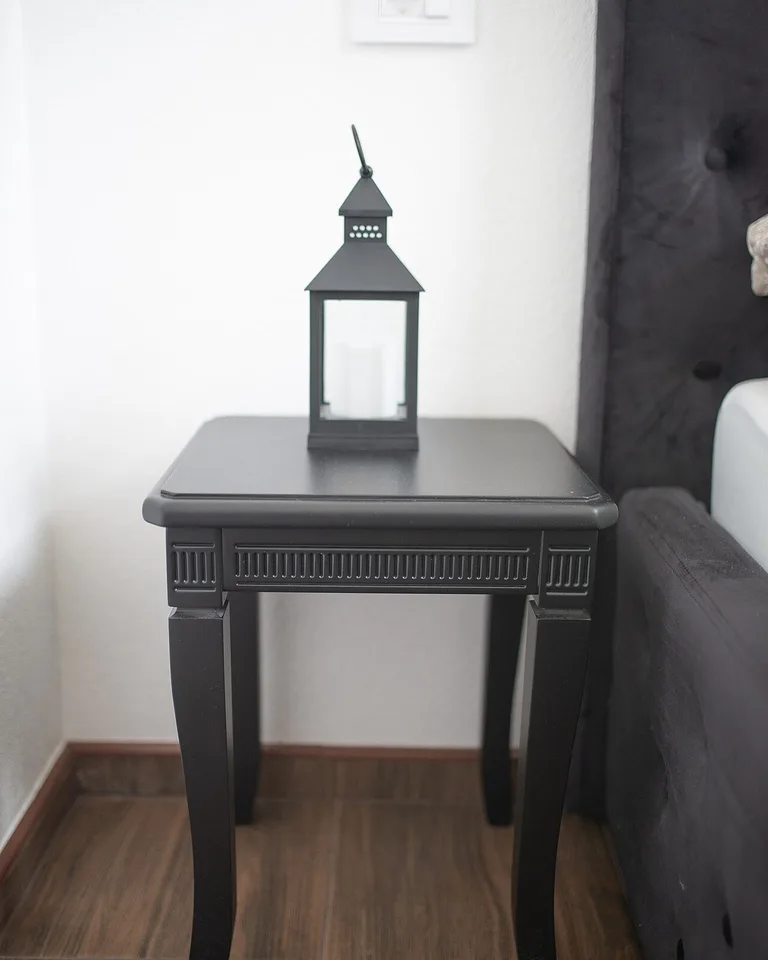
The fastest way to keep olive from drifting into retro territory is a little contrast. Matte black — a metal bed frame, black picture frames, a blackened lamp base, or even just a black curtain rod — gives olive’s softness a crisp edge and makes the whole room feel intentional and modern.
Why it works: every muted palette needs one dark anchor for definition. Black does that job without adding a new color family, and against olive it reads graphic and current rather than heavy.
Tip: keep the bedding light when you go dark on the accents — cream or ivory linens against black frames and an olive throw is the combination that keeps the contrast crisp instead of gloomy.

Olive Green Bedroom Decor FAQs
What colors go best with olive green in a bedroom?
Warm neutrals are the safest partners — cream, beige, warm white, and natural wood let olive be the star. For contrast, try rust, terracotta, mustard, or dusty blush; for edge, matte black or aged brass. Cool, icy tones like bright blue tend to fight olive’s warm undertones, so use them sparingly.
Can olive green work in a small bedroom?
Yes — keep it to textiles and one or two accent pieces rather than all four walls, and let light neutrals cover the remaining surfaces. A mirror opposite the window and warm 2700K lighting keep the olive from closing the room in.
How do I keep an olive green bedroom from looking dated?
Pair it with clean-lined furniture, contemporary lighting, and matte or eggshell finishes — and skip 1970s cues like shag textures and heavy wood paneling. A touch of matte black and aged (not shiny) brass reads current, while natural linen and rattan keep it timeless.
Does olive green go with gray?
Yes, especially warm grays with beige undertones — they create a calm, modern backdrop that lets olive’s warmth come forward. Cool blue-grays can make olive look muddy, so test the pairing in your room’s actual light before committing.
What lighting works best in an olive green bedroom?
Warm and layered: 2700K–3000K bulbs that flatter olive’s yellow undertones, a bedside lamp for tasks, and one low ambient source across the room. Skip cool daylight bulbs, which flatten the color — and let in as much natural daylight as you can.
The Takeaway
You don’t need paint, a renovation, or a big budget to get the olive green bedroom right — you need the formula: olive in about a third of the room, warm neutrals everywhere else, natural texture throughout, and aged brass in the lighting. Start with the bedding, add one piece you love, and let the color earn its place one layer at a time.