
Shadow Boxes for Irregular Vintage Finds: 10 Display Ideas That Actually Work
Some vintage finds refuse to sit neatly on a shelf. A skeleton key is too long for a picture frame, a pocket watch chain tangles in a drawer, and a thimble collection disappears on a bookshelf. That is exactly what shadow boxes are for: a deep frame turns an awkward, three-dimensional object into wall art you can actually see, while the glass keeps dust and curious hands off it.
The trick is matching the box to the object, not the other way around. Measure the thickest point of your find, add at least half an inch of clearance so nothing touches the glass, and choose a backing sturdy enough to hold the weight. Foam board works for paper and pins; heavier pieces need quarter-inch masonite or plywood wrapped in linen or felt. Once you have depth and backing sorted, the fun part starts: deciding what story each box tells.
Below are ten ways to use shadow boxes to display irregular vintage finds, grouped by the kind of object rather than by room, so you can jump straight to whatever is sitting in your junk drawer right now.
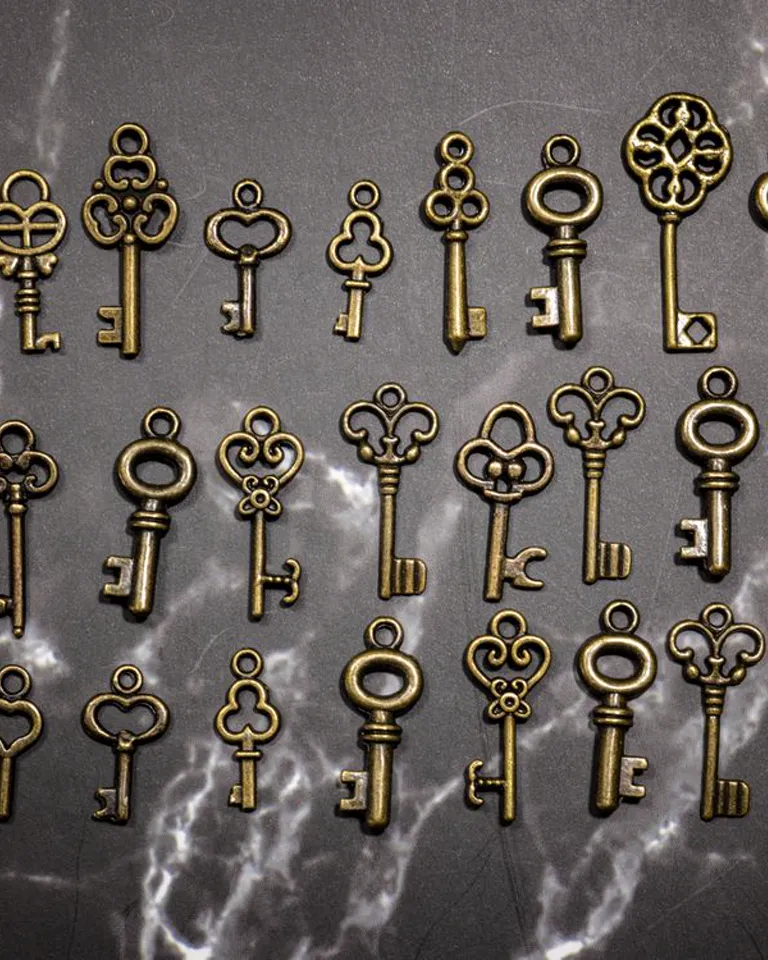
1. Skeleton Keys on Velvet
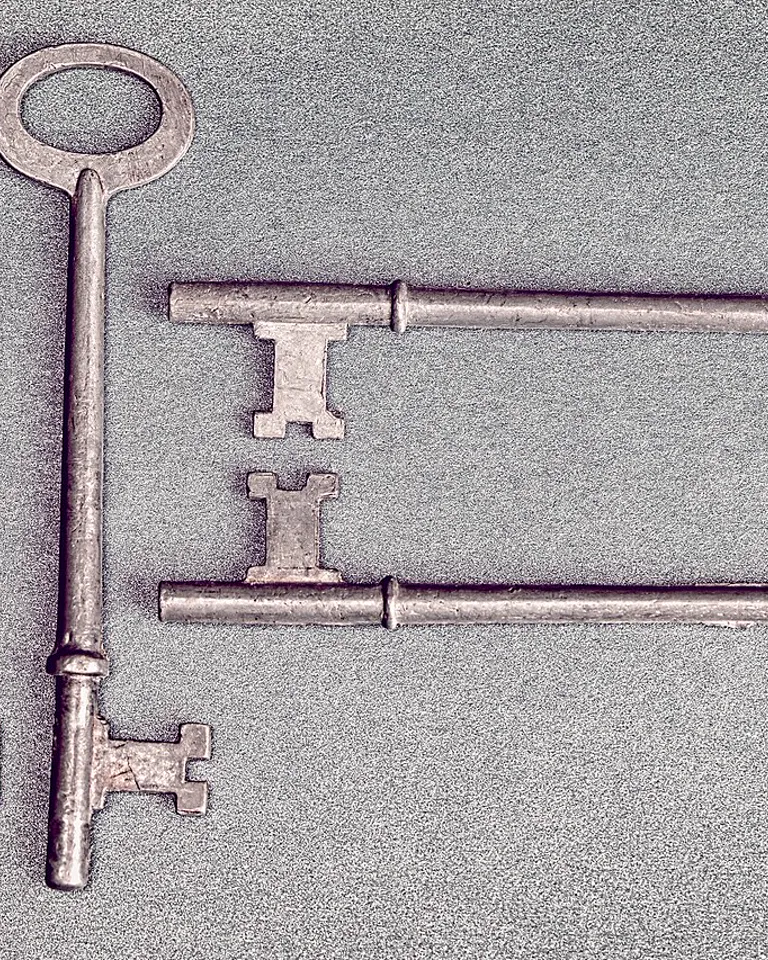
Old keys are the classic shadow box subject because they are flat enough to mount easily and interesting enough to reward a close look. Lay them on a velvet or linen backing in a loose vertical row, longest at the center, and pin each one through its bow with a fine dressmaker’s pin or a dab of museum gel. A dark backing — forest green, navy, or oxblood — makes brass and iron read clearly from across the room.
Why it works: keys have strong silhouettes, so even a small box looks intentional. The trade-off is weight — a box of a dozen iron keys gets heavy fast, so hang it on a stud or use two anchored picture hooks rather than a single nail.
2. Pocket Watches With Their Chains Draped
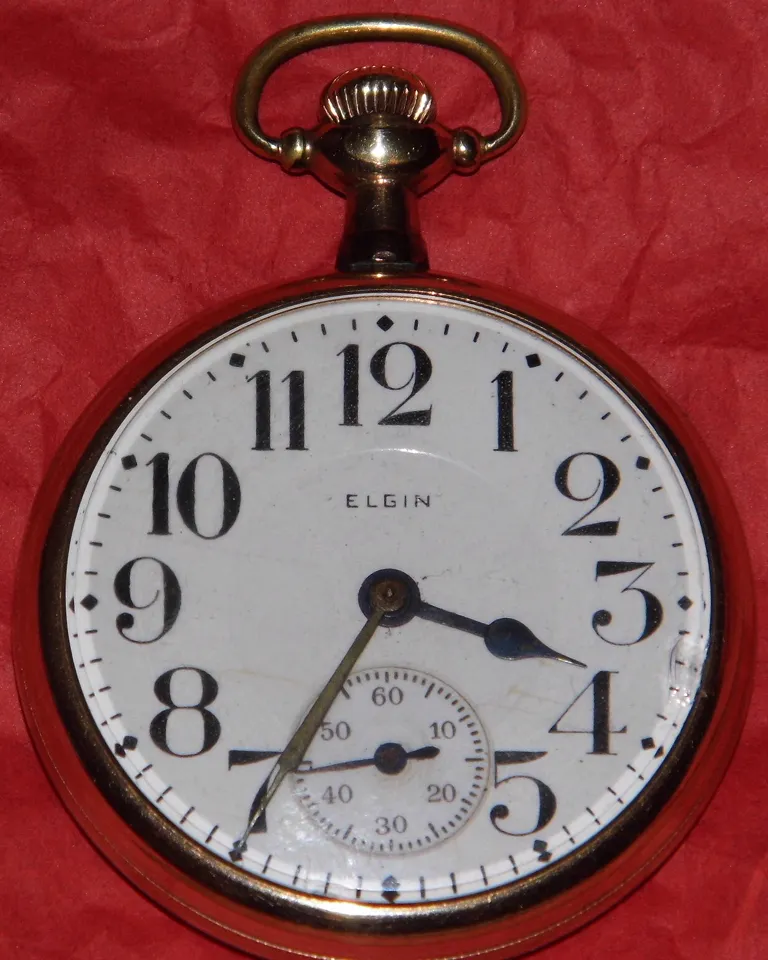
A pocket watch on its own looks lost in a deep box, but draped with its chain it fills the frame beautifully. Pin the watch case to the backing and let the chain fall in a soft S-curve, securing it at two or three points with clear monofilament or tiny stitches. If the watch still runs, wind it occasionally — a stopped watch with a frozen time is charming, but a working one is a conversation piece.
Practical tip: watches are heavier than they look, and glass cases fog if the box hangs in a humid bathroom. Keep watch boxes in dry rooms and mount them to a masonite backer, not foam board, so the weight does not bow the backing over time.
3. A Thimble Collection in a Tight Grid
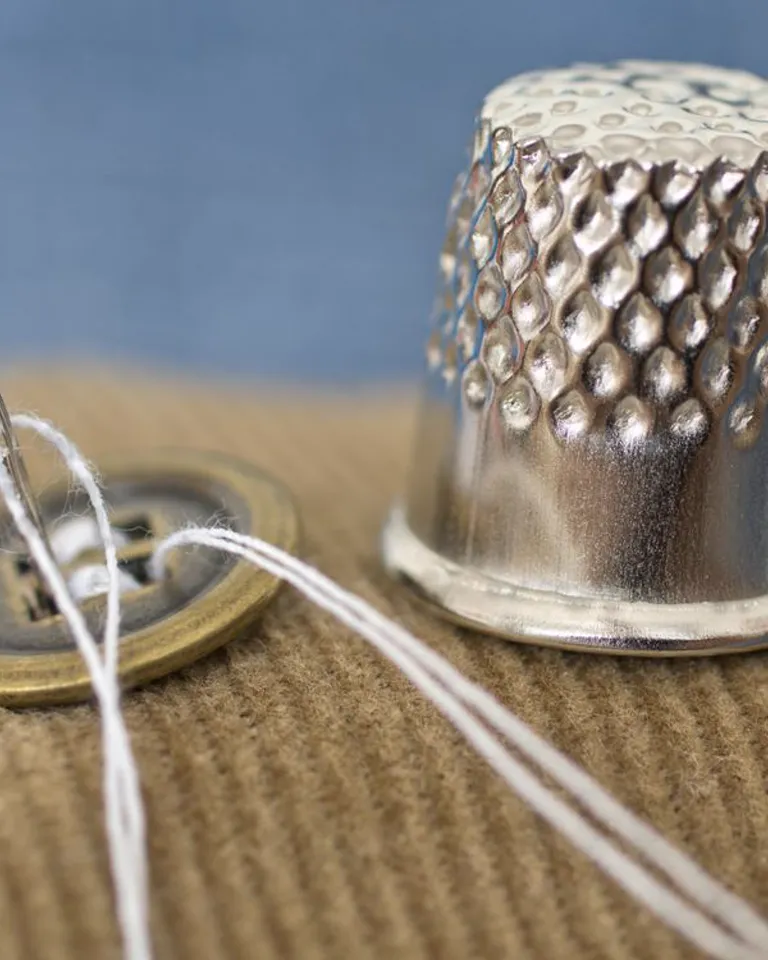
Thimbles are tiny, which is precisely why they fail on open shelves — they vanish. In a shadow box, line them up in a strict grid on a pale linen backing, each one seated on a small fabric-covered riser so the open end faces slightly forward. Group by material — silver, brass, porcelain, enamel — rather than by size, and the grid reads as a deliberate collection instead of clutter.
The trade-off: a grid demands patience. Count your thimbles first and choose a box size that leaves one empty row; a collection that can grow is one you will actually keep adding to.
4. Vintage Pinback Buttons as Pop Art
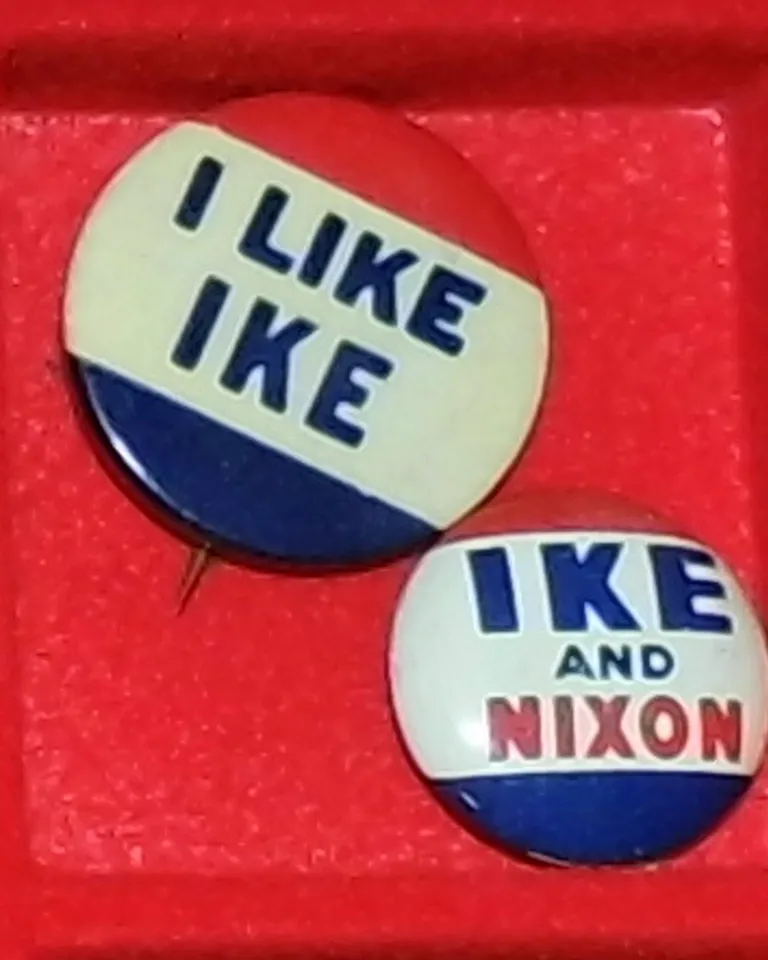
Pinback buttons — campaign buttons, fair souvenirs, old advertising pins — are flat, colorful, and practically made for shadow boxes. Arrange them edge to edge like tiles on a bright backing, or space them out on black felt so each slogan gets its own moment. Because they pin through the backing themselves, mounting is as simple as pushing the pin through the board.
Why it works: the bold graphics read from across the room, giving a hallway or home office an instant focal point. Just keep the box out of direct sunlight — old printed celluloid fades faster than you would expect.
5. Old Cameras in a Deep Box
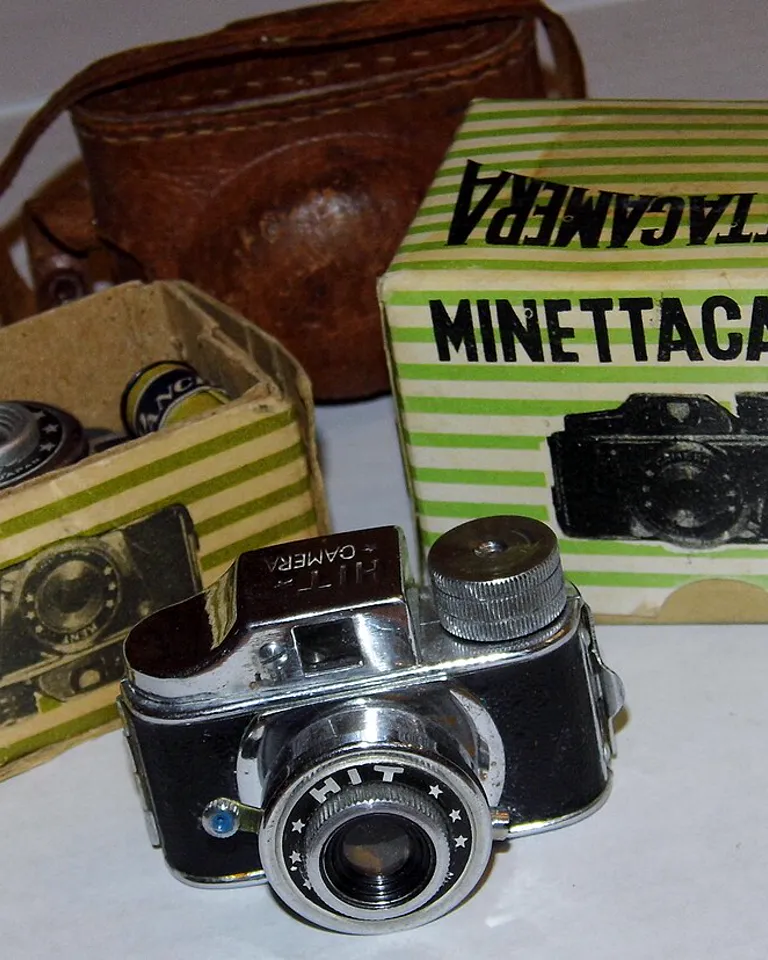
Film cameras are the hardest vintage finds to display because they are bulky, oddly shaped, and heavy. The answer is a box at least three to four inches deep, with the camera resting on a small shelf ledge inside the box rather than hanging from the backing alone. A single camera per box looks like a museum piece; two or three small ones — a Brownie, a miniature novelty camera — make a shelf-like tableau.
Practical tip: measure twice. A camera that fits width-wise but presses against the glass will eventually scratch the lens or the glazing. If your camera is deeper than any ready-made box, a custom frame shop can build one to size for less than a new display cabinet costs.
6. Handwritten Letters and Postcards, Layered
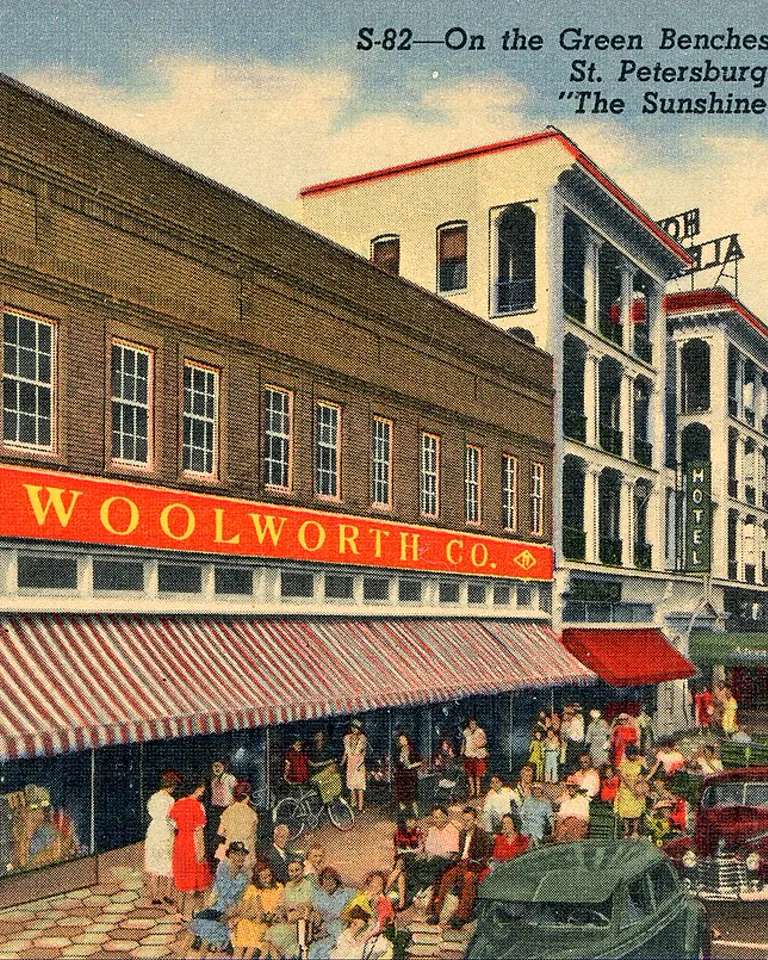
Paper ephemera — letters, postcards, a grandmother’s recipe card — is flat but fragile, and stacking it in a drawer hides it. In a shadow box, layer two or three pieces at different depths: one flat on the backing, one raised on foam spacers, and a small object (a stamp, a wax seal) tucked beside them. Always display a scan or photocopy of anything truly irreplaceable and keep the original in an album.
Why it works: handwriting carries a story that printed art cannot, and the layered depths give flat paper a three-dimensional presence. Use acid-free backing and UV-filtering glass, or the ink and paper will yellow within a few years.
7. Mismatched Silver Spoons on the Diagonal
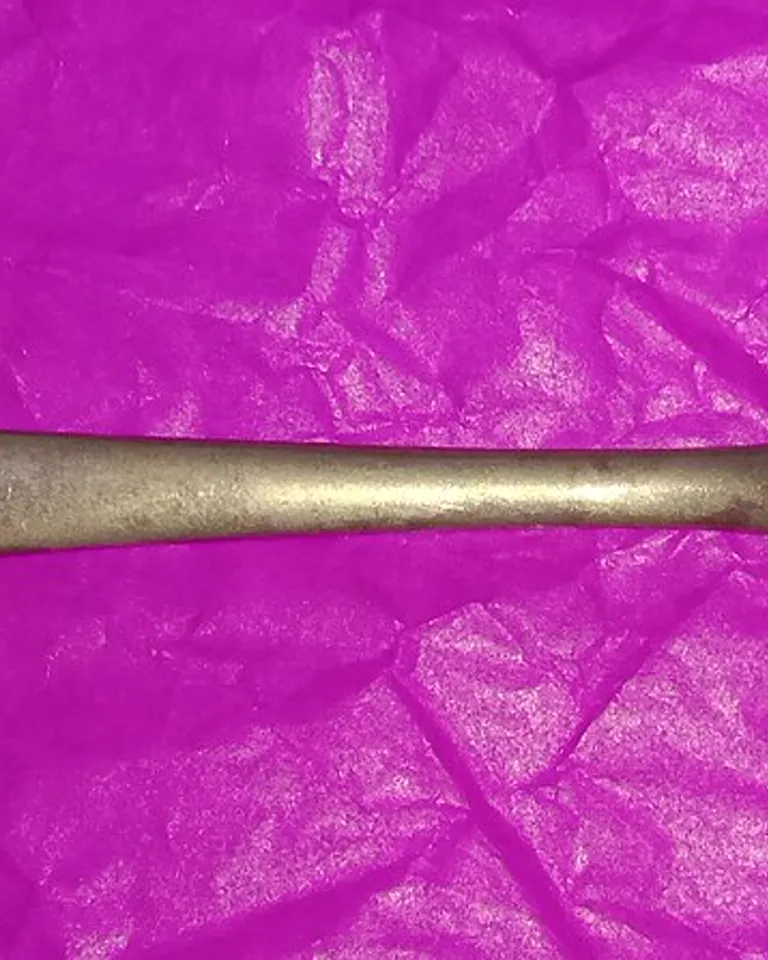
Odd silver spoons — a souvenir spoon here, a sugar spoon there — rarely match a table setting, but they make a striking wall display. Mount them diagonally, handles parallel, bowls alternating up and down, on a charcoal or cream backing. The diagonal line tricks the eye into seeing a pattern where there is none, which is the whole point of displaying irregular finds.
Mounting matters: spoons are heavy for their size. Use two small stitches or a clear acrylic clip per spoon rather than glue, which can stain silver over time and makes the piece impossible to remove for polishing.
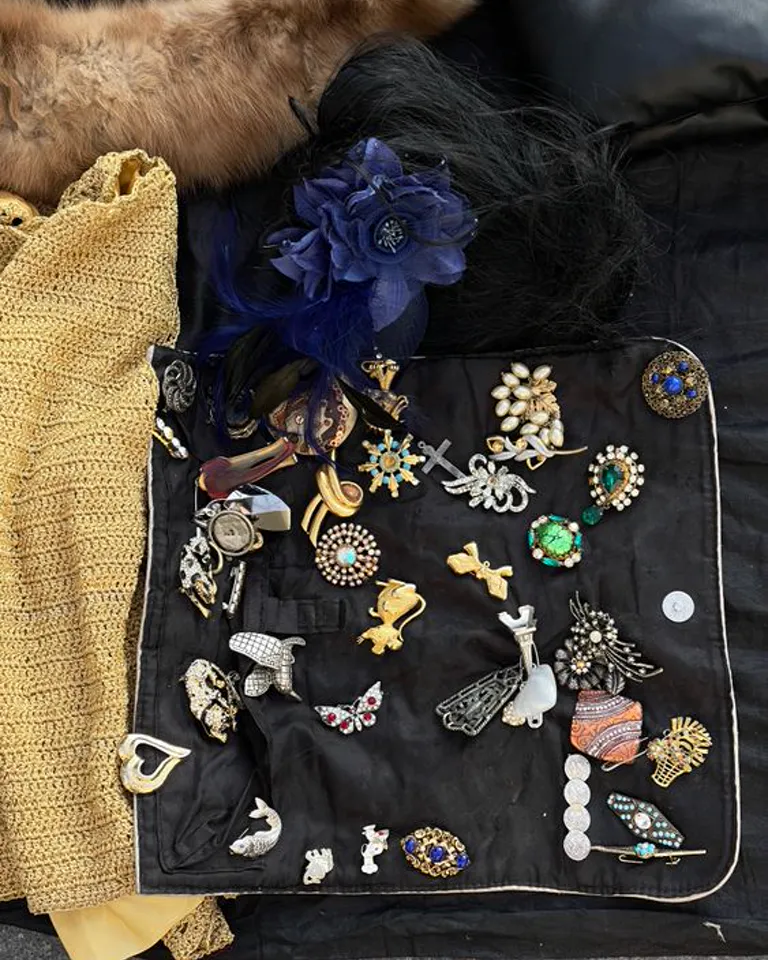
8. Brooches and Cameos on Linen
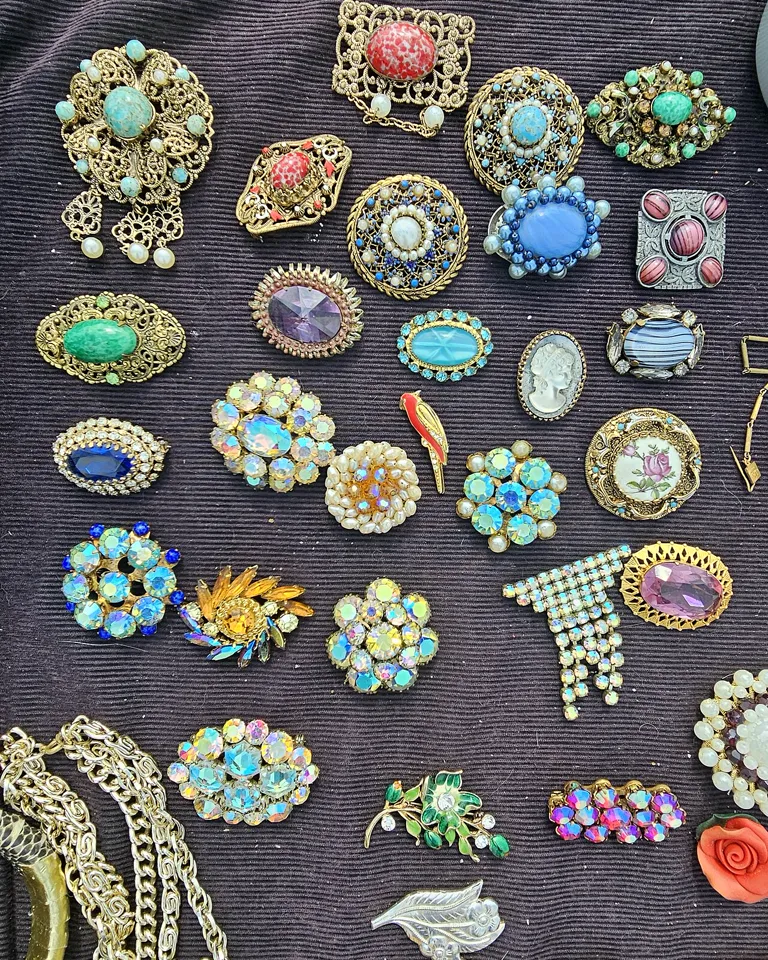
Vintage jewelry that you never wear still deserves to be seen. Pin brooches and cameos to a linen-covered backer in a loose cluster, largest piece at the center, and let the pins themselves disappear into the fabric. A pale backing flatters gold and rhinestones; a deep one flatters silver and cameos.
The trade-off: jewelry boxes are tempting targets for dust and tarnish. A sealed box with a silica gel packet inside slows tarnish considerably, and UV-protective glass keeps rhinestones from clouding. Clean pieces with a soft cloth before mounting — tarnish sealed behind glass is much harder to fix later.
9. Fishing Lures and Tackle, Suspended
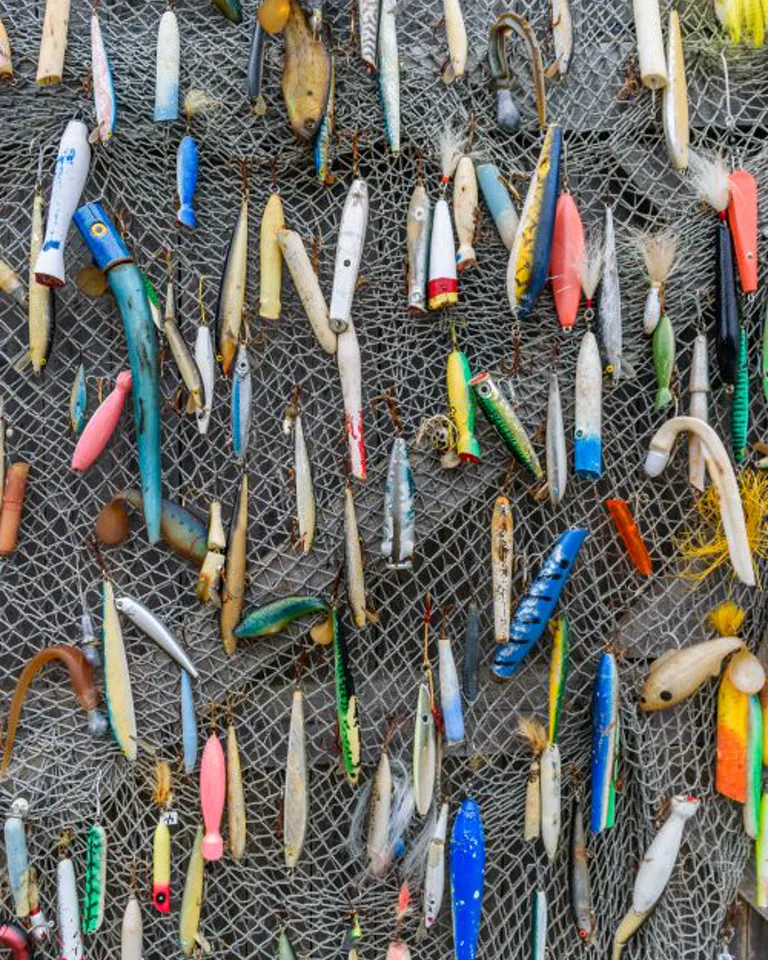
Old fishing lures are spiky, irregular, and impossible to lay flat — which makes them perfect shadow box subjects. Suspend each lure from the top of the box on a short length of clear monofilament so it hangs slightly forward of the backing, like a specimen in a natural history museum. Space them generously; lures crowded together look like a tackle box, while lures with air around them look like art.
Practical tip: check old lures for lead paint or rust before handling, wash your hands after mounting, and keep the box away from children’s rooms — vintage hooks are still sharp.
10. One Hero Object With Breathing Room
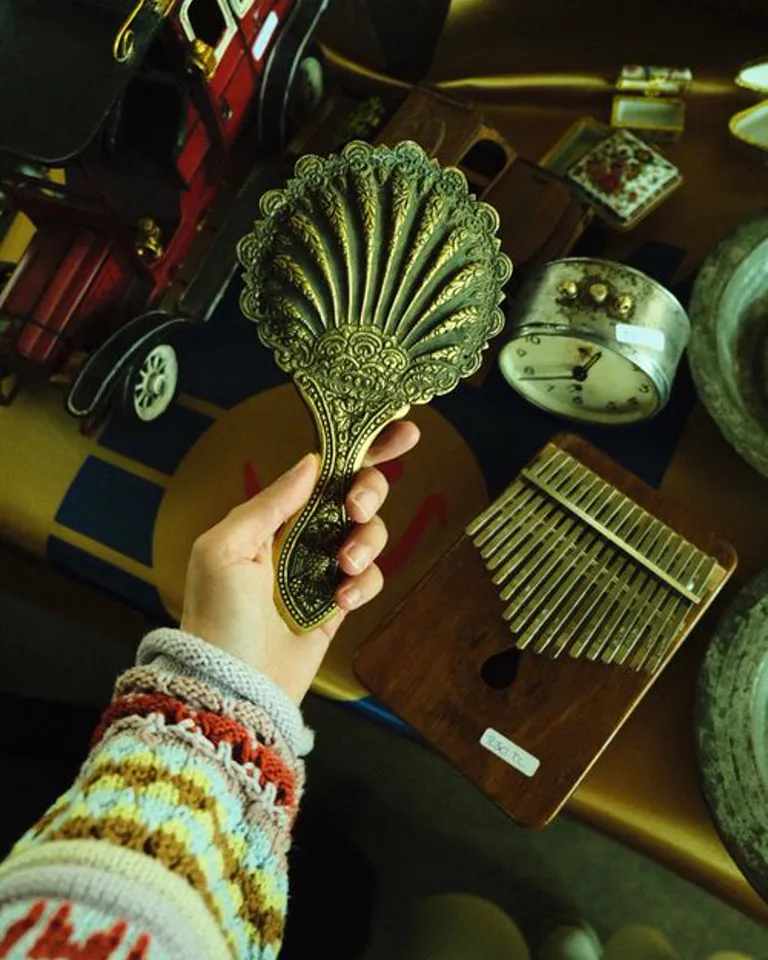
Not every box needs a collection. A single irregular object — an ornate hand mirror, a brass compass, a carved fan — centered on an unadorned backing with wide empty margins can be the most striking display in the house. The empty space is what signals “this matters,” the same way a gallery hangs one painting on a large wall.
Why it works: a hero box solves the hardest display problem of all, the one beautiful thing that matches nothing else you own. The trade-off is discipline — resist adding “just one more” small item, because the moment the margins fill up, the hero effect disappears.
Before you start mounting, remember the three rules that apply to every box on this list: depth first (measure the thickest point plus clearance), backing second (foam board for light pieces, masonite for heavy ones), and placement third (eye level, out of direct sun, anchored into a stud if the finished box weighs more than a few pounds). Get those right and even the oddest flea market find looks like it belongs in a gallery. For more ideas on showing collections around the house, see our pegboard ideas for every room and floating shelf ideas room by room; if space is tight, our small apartment decor ideas cover wall displays that do not eat floor space. A shadow box also pairs well with a warm minimalist living room, a cozy reading nook, and the kind of small details that make a house feel homey.
Frequently Asked Questions
How deep should a shadow box be for vintage items?
Measure the tallest point of your finished arrangement and add at least half an inch so nothing touches the glass. Flat items like buttons and postcards fit in 1–2 inch boxes, while cameras, lures, and bulky keepsakes usually need 3–5 inches of depth.
What is the best way to mount items inside a shadow box?
Use reversible, archival methods whenever possible: fine pins or stitches for fabric and light pieces, clear monofilament for suspended objects, and museum gel or acrylic clips for heavier items. Avoid regular glue and tape, which can stain or permanently damage keepsakes.
Can I hang a shadow box on a regular nail?
Not safely for most finished boxes — they often weigh 5–20 pounds once filled. Use two D-ring hangers on two picture hooks or screws anchored into wall studs, which distributes the weight and keeps the box level.
What types of objects can be framed in a shadow box?
Nearly any three-dimensional item: keys, watches, thimbles, buttons, cameras, letters, silverware, jewelry, lures, and single hero objects. The only real limits are the box’s depth, the backing’s strength, and whether the item can be mounted without damage.
Start with one box and one find you already own — the key, the watch, the thimble jar. Once you see an irregular vintage find on the wall instead of in a drawer, the rest of the collection tends to follow.