
Styling a Dresser With What You Have: 10 Little Decor Moments That Actually Work
Styling a dresser with what you have starts with one honest move: take everything off the top. Most dressers do not look bad because the furniture is wrong or the decor is cheap. They look cluttered because objects have accumulated there one at a time — a candle from last winter, a stack of mail, a perfume bottle, a photo frame turned at an angle — and nobody ever edited the group as a whole. You do not need to buy a new tray, a new lamp, or a new mirror to fix that. You need to shop your own house, pick a small number of things you already own, and arrange them on purpose.
The method below works on a standard six-drawer dresser, a tall chest, or a small bedroom dresser. Clear the surface, choose one tall anchor, build small groups in odd numbers, and leave at least a third of the surface empty. That empty space is not wasted. It is what makes the objects you keep look chosen rather than stored.
Before you start, gather candidates from around your home: books, candles, a small plant, a tray or shallow bowl, framed photos, a vase, and one or two objects with personal meaning. Do not buy anything yet. If, after styling, one clear gap remains — say, you have no tall anchor at all — that is the one thing worth shopping for later. Everything else in this guide uses what is already in the house.
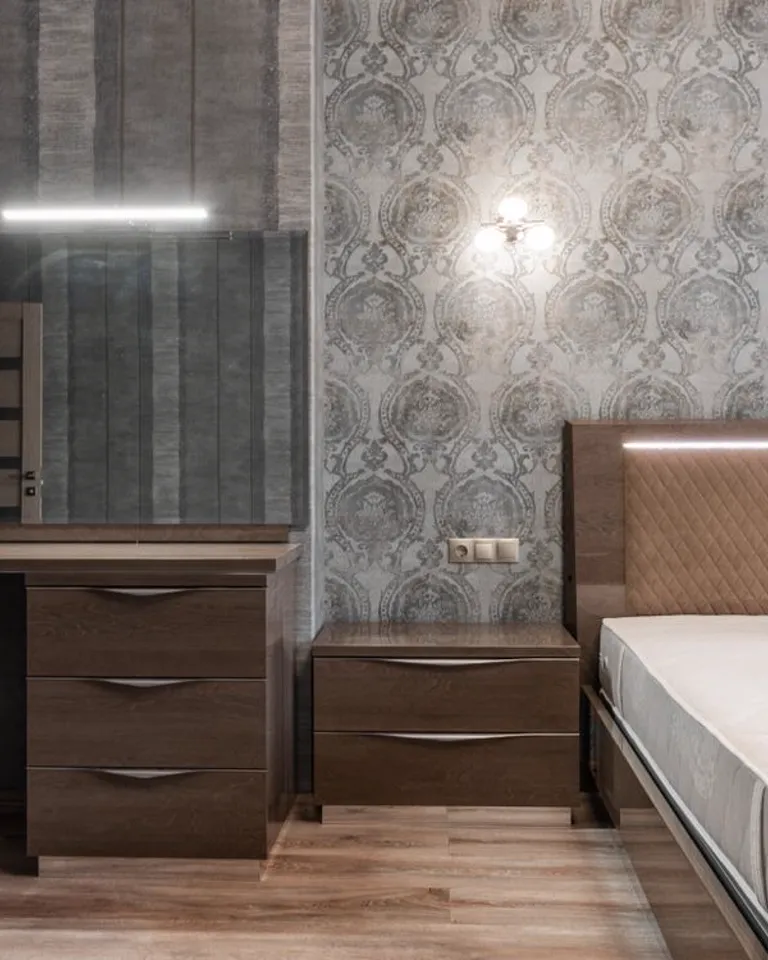
One more rule before the ideas: style the dresser in daylight, then check it again in the evening with the bedroom lamp on. An arrangement that looks balanced at noon can look flat or shadowed at night, and a lamp you already own is often the fastest fix.
1. Start Empty: The 15-Minute Reset
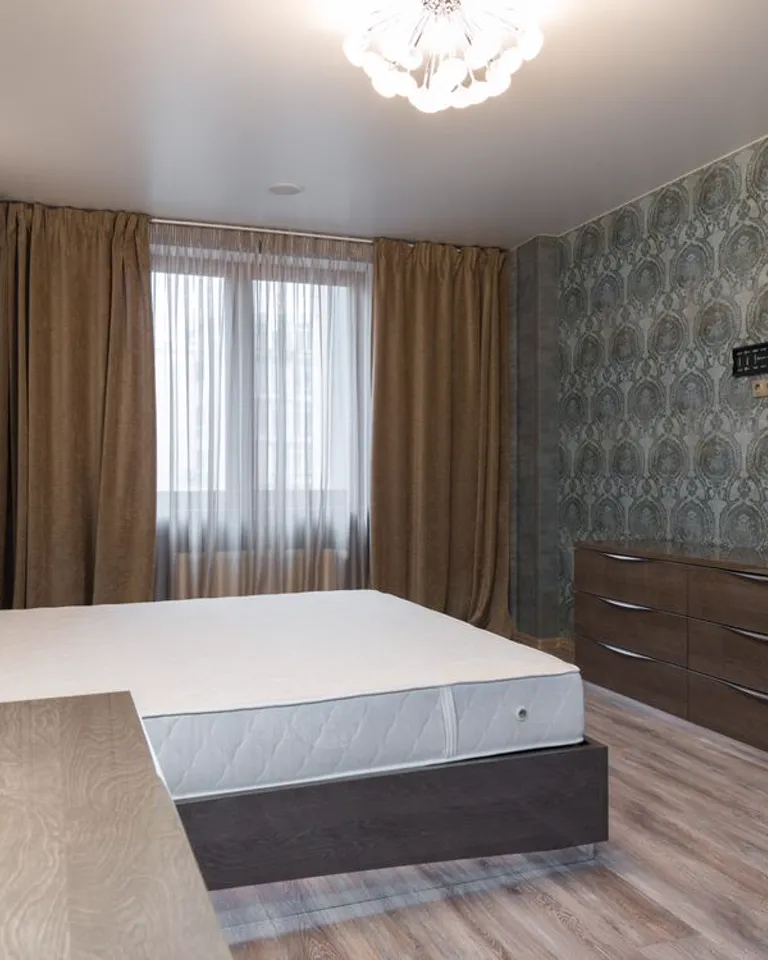
Take every single item off the dresser, wipe the surface, and sort what came off into three piles: keep for display, return to another room, and store out of sight. This is the least glamorous step and the one that matters most, because you cannot judge a grouping while old clutter is still sitting in it. Most people discover they already own twice as much usable decor as they thought — it was just scattered across shelves, nightstands, and closets.
Keep only objects that earn their place for one of three reasons: they are beautiful, they are useful every day, or they mean something to you. A chipped mug that holds pens fails all three and goes back to the kitchen. Practical tip: photograph the empty dresser before you start. It makes it much easier to see whether your finished arrangement actually improved things or just rearranged the same mess. The trade-off is a short burst of mess elsewhere while you sort, but it beats living with a surface you avoid looking at.
2. Anchor the Back With Something Tall

Every styled dresser needs one tall element at the back — a leaning mirror, a framed print, or a lamp — because without height, the eye has nowhere to land and the whole surface reads as a flat line of small things. Lean a mirror or framed art against the wall rather than hanging it at first; leaning is renter-friendly, lets you adjust the angle in seconds, and adds depth that a flat-hung frame does not. Aim for an anchor roughly two-thirds the width of the dresser, so it looks related to the furniture rather than lost above it.
If you already own a table lamp, it can serve as the tall anchor on one side while art anchors the other — just do not use two competing tall pieces of equal height, or the arrangement splits into two halves that fight each other. As with full-length mirror ideas for the bedroom, the mirror also bounces light around the room, which is a genuine bonus in a small or north-facing bedroom. The trade-off: a leaning mirror needs a stable base and must sit clear of anything you reach for daily, so keep the space directly in front of it open.
3. Build in Threes, Not in Rows
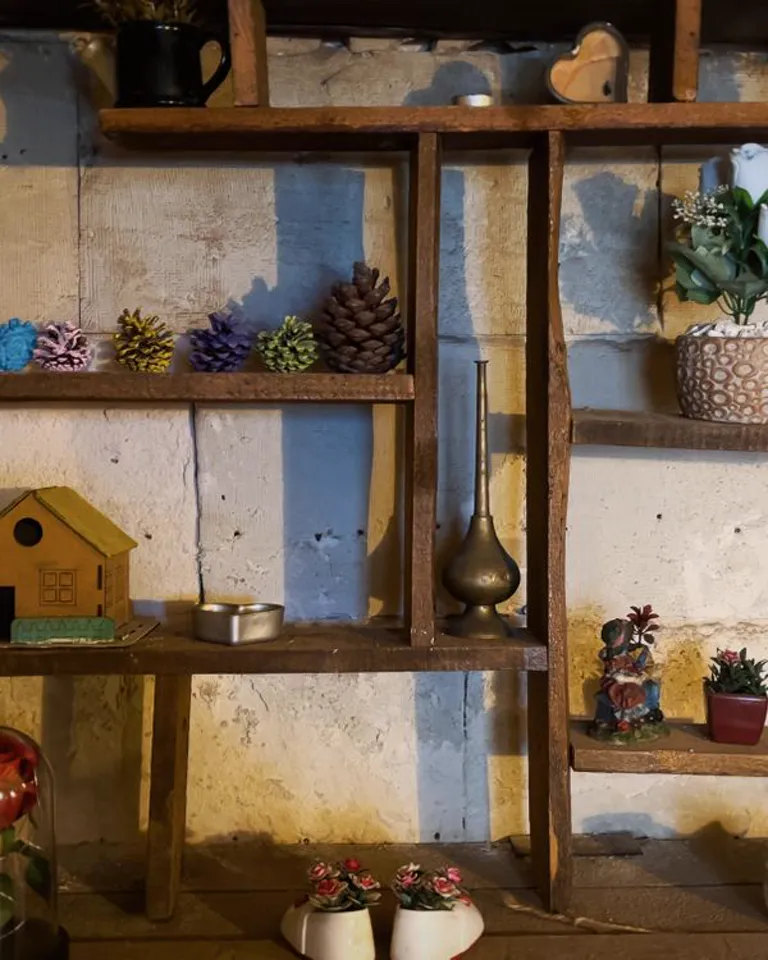
Groups of three — a tall, a medium, and a small object — look intentional in a way that a straight row of five similar items never does. The height change gives the eye a path to follow, and the odd number keeps the group from splitting into matching pairs. Pull three things you already own that share one color or material, such as a brass candle holder, a small brass-framed photo, and a wooden box, and place them close enough to read as one cluster with a little breathing room around it.
Vary the heights by at least a few inches between pieces; three objects of the same height still read as a row even when grouped. If a group looks stiff, nudge one piece slightly forward — a few inches of depth breaks the straight-line effect instantly. The trade-off is that odd groupings can feel unbalanced at first, especially if you are used to symmetry. Step back to the doorway and look again: what feels uneven from two feet away usually reads as relaxed and collected from across the room.
4. Give Small Things a Tray to Live In
A tray is the single most useful styling tool you already own, because it turns five scattered small things into one deliberate object. Perfume bottles, a lip balm, a ring dish, and a candle stop looking like clutter the moment they sit on a shared base with a visible edge. A cutting board, a large book, or a baking tray lined with a cloth napkin works just as well as a bought decorative tray while you test the arrangement.
Keep the tray to about one-third of the dresser surface at most, and leave at least one item out of it — a tray crammed edge to edge is just clutter with a border. This is the same containment trick behind many small details that make a house feel homey: ordinary routines, corralled neatly, read as care rather than mess. The trade-off is maintenance: a tray collects dust and stray items, so give it a 30-second reset when you tidy the bedroom each week.
5. Raise Low Pieces on a Stack of Books

When everything on your dresser sits at the same low height, stack two or three hardcover books and put the smallest object on top. The books act as a riser, a color block, and a display surface all at once, and they cost nothing because you already own them. Choose books whose spines or covers share a color with the room, turn the stack so the spines face out, and keep the top object small — a bud vase, a candle, or a tiny plant — so the stack does not look top-heavy.
Do not stack more than three books high on a dresser you use daily, and avoid placing a book stack where you set down a glass of water or a phone at night. The trade-off is practical: a book you actually want to read will migrate off the stack, so pick books you like looking at rather than ones you are halfway through. If the stack keeps getting raided, swap it for a small wooden box or an upturned storage basket, which gives the same height without tempting readers.
6. Let One Meaningful Object Lead
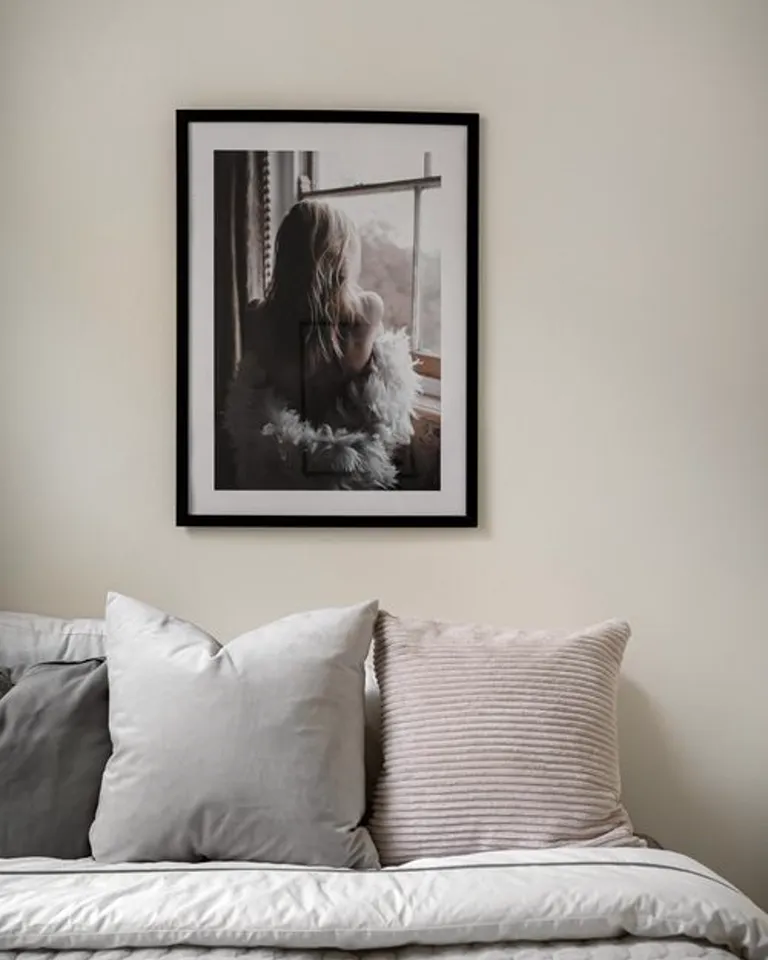
A dresser styled entirely from matching store-bought decor looks like a showroom. One personal object — a framed photo, a souvenir, a handmade piece, a vintage find from a family member — is what makes it look like yours. Choose one, give it the best position in the arrangement (usually just off-center, near the tall anchor), and let the other objects support it rather than compete with it. One strong personal piece beats five small ones fighting for attention.
Resist the urge to display every photo you own. A single larger frame has far more impact than five small ones crowded together, and it is much easier to dust. The trade-off is emotional rather than decorative: choosing one favorite means other keepsakes stay stored, so rotate the featured piece every few months if that feels better than picking a permanent winner. Rotation keeps the dresser feeling current without any new purchase.
7. Add Something Alive From Your Own Home
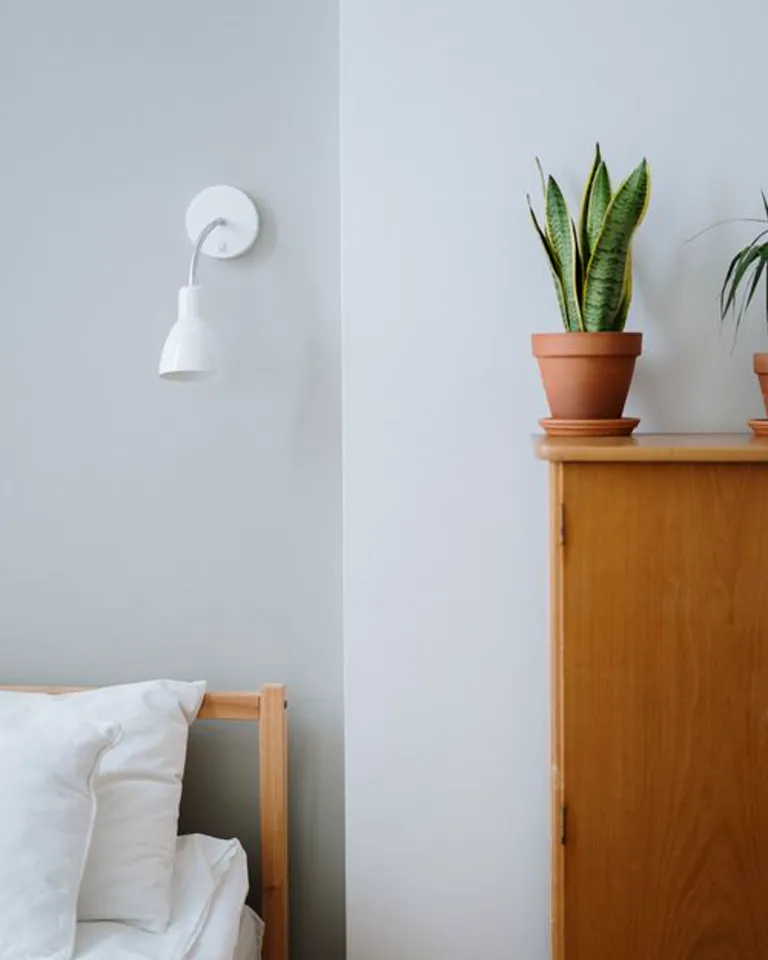
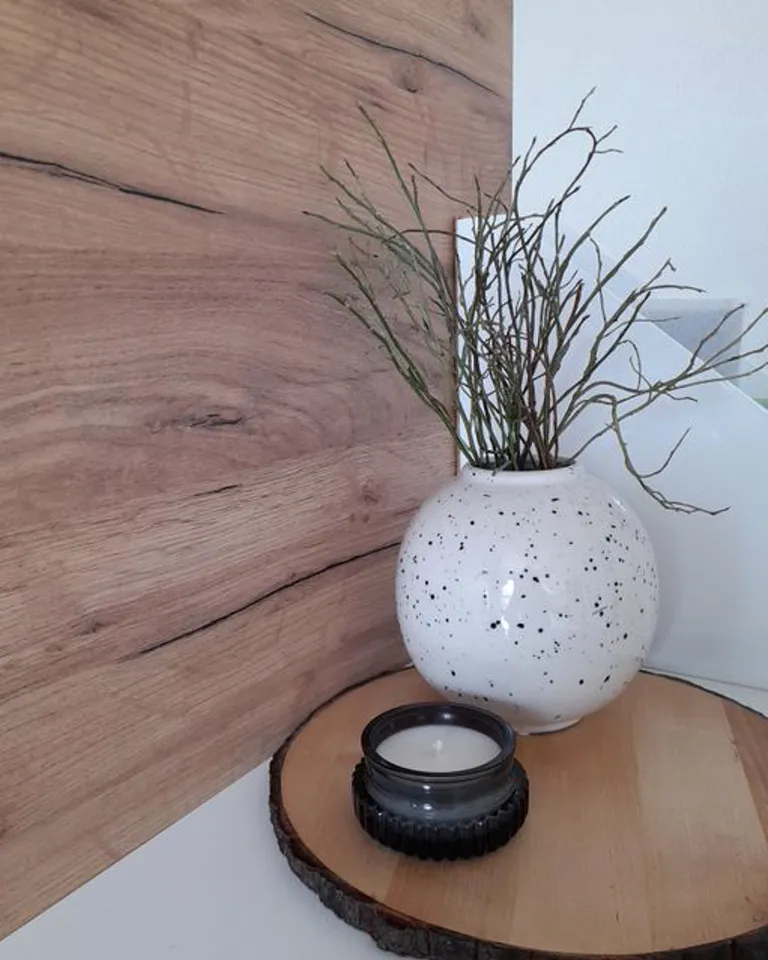
A living element changes a dresser instantly, and you do not need to buy a plant to get one. A pothos cutting in a glass of water, a sprig of eucalyptus from the yard, or a few stems snipped from a houseplant you already own will do. Dried stems and grasses are the lowest-maintenance version: they last for months, need no water near your wooden furniture, and add height without any care routine at all.
Put a coaster or small plate under anything that holds water, and keep live plants away from the edge where they can be knocked while you open drawers. If your dresser sits in a dark corner, dried botanicals are the honest choice — a struggling plant looks worse than no plant. The trade-off with cuttings is that they need a water change weekly or they cloud up, so set that tiny task alongside another weekly habit rather than trusting yourself to remember it.
8. Make Your Everyday Essentials Part of the Display
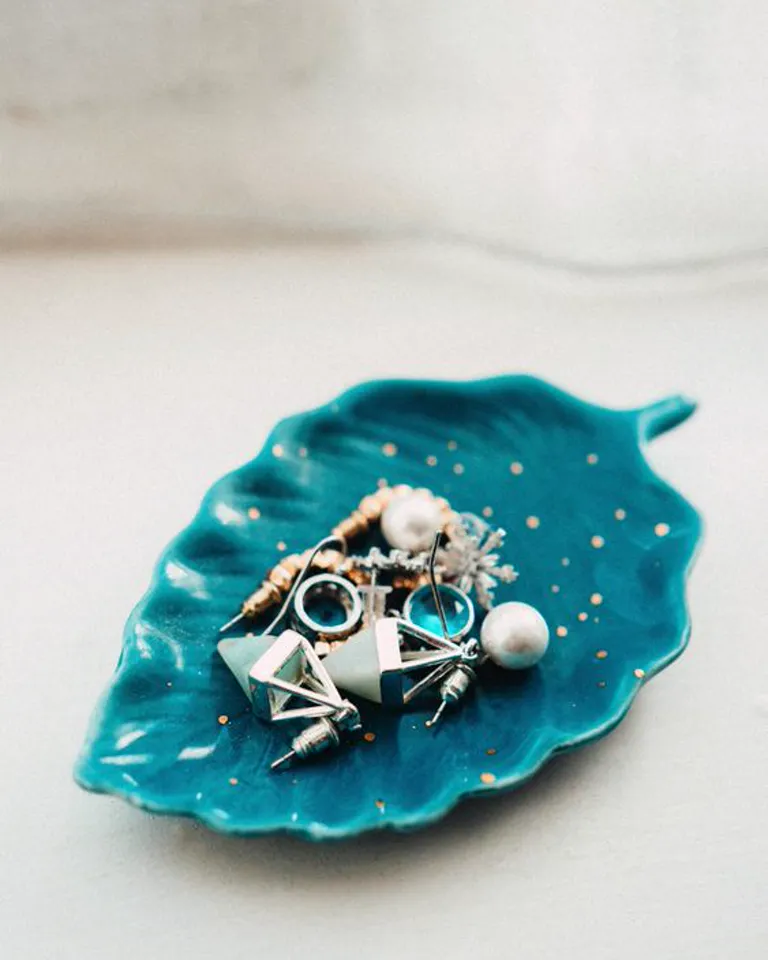
The fastest way to keep a dresser tidy is to stop fighting what actually lives on it. If you reach for the same watch, rings, hand cream, and keys every morning, give those items a beautiful home on the surface instead of shoving them in a drawer you never open. A small ceramic dish, a saucer, or a shallow bowl from the kitchen becomes a catch-all that looks intentional, and it saves the daily hunt for a missing earring.
Limit the catch-all to the handful of things you truly use daily; the moment it holds receipts, hair ties, and loose change, it becomes a junk pile with a nice dish. This is the same edit-before-you-buy thinking behind editing before buying storage — the container only helps if what goes in it is already curated. The trade-off is that a visible catch-all must be reset often, but a ten-second nightly reset beats a weekly deep clean of a cluttered surface.
9. Soften the Surface With Texture You Already Own
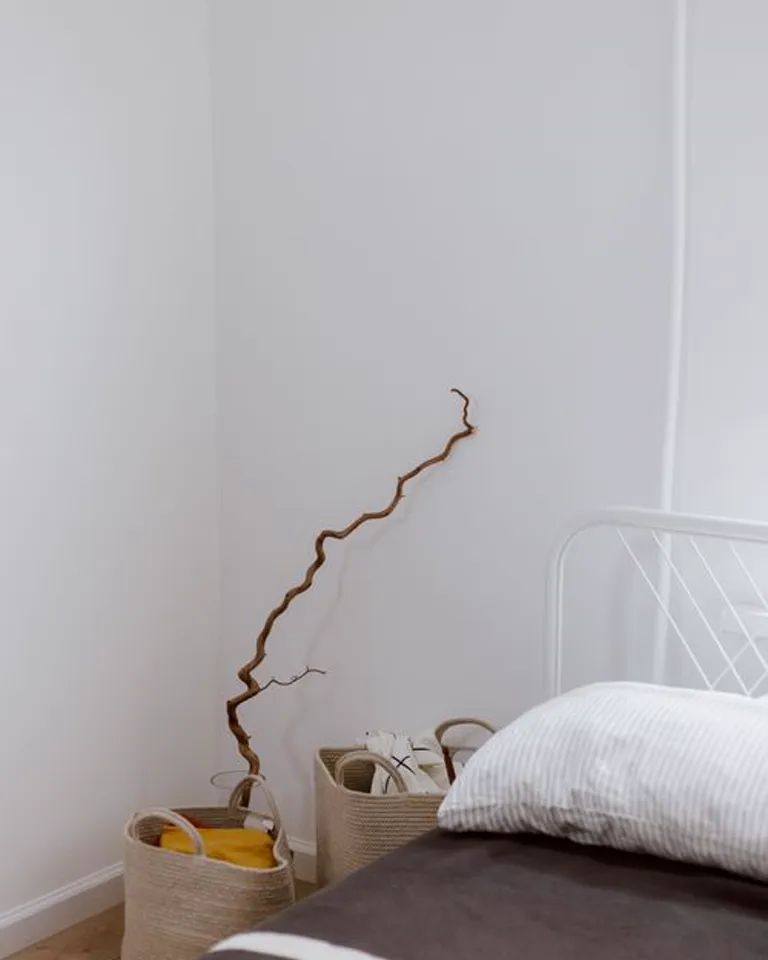
Wood on wood on wood looks flat, even when the individual pieces are nice. Break it up with one textile or woven element you already have: a folded runner or scarf across part of the top, a small woven basket holding rolled scarves or accessories, or a linen cloth under the tray. Texture is what makes a dresser feel finished rather than merely arranged, and it is the easiest layer to change when you want a refresh.
Keep fabric away from candles and keep it to one layer — a runner plus a basket plus a cloth napkin is three textures competing at once. In a small apartment, a basket on the dresser also earns its place by holding real things, not just looking pretty. The trade-off is laundry: fabric on a dresser collects dust and needs a wash every few weeks, so choose something machine-washable rather than a delicate vintage textile you will dread cleaning.
10. Rotate One Thing Each Season, Not the Whole Display
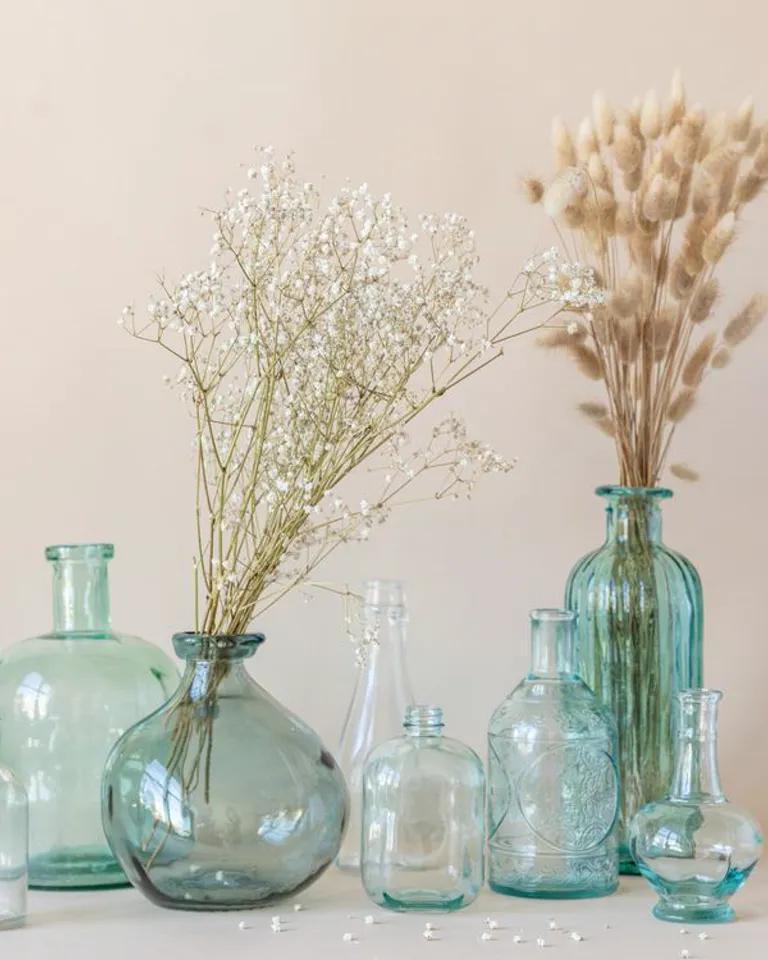
Once your dresser looks good, the temptation is to redo it completely every season. Do not. Swap a single element — fresh stems for dried ones in autumn, a lighter-colored candle in summer, a different framed photo — and leave the anchor, the tray, and the groupings alone. One change refreshes the whole arrangement because the eye notices what is different, and it keeps the dresser from sliding back into a full-day project.
This is also how you use pieces from elsewhere in the house without buying seasonal decor: the vase from the living room, the candle from the bathroom, the small plant from the windowsill. They come back when the season changes, so nothing is wasted. The trade-off is restraint — a single swap can feel too small to count as decorating — but that is exactly why it works long-term. A dresser you can refresh in five minutes is a dresser that stays styled, and a full restyle you dread is one that quietly returns to clutter.
Quick Checklist Before You Call It Done
Step back to the bedroom door and check four things: one tall anchor at the back, groups in odd numbers, at least a third of the surface empty, and nothing fragile sitting at the front edge where drawers swing or elbows pass. If you can set down a book and a glass of water without moving decor, the dresser still works as furniture, not just as a display. If you cannot, remove one more object — the last thing you remove is usually the thing that was making it look crowded.
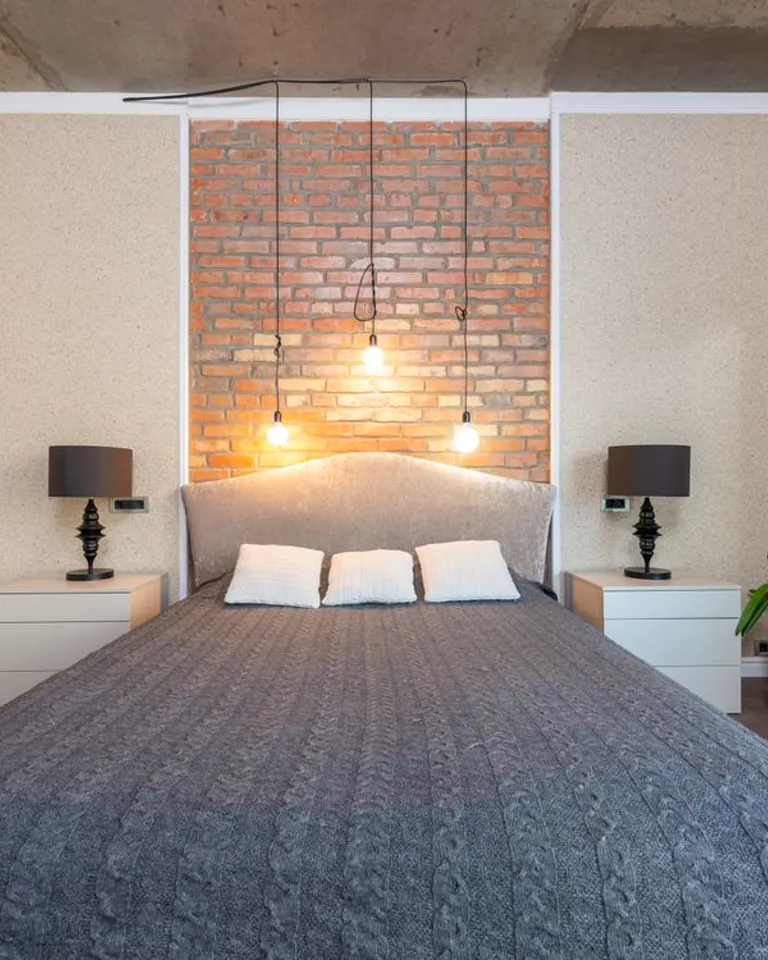
For the wall above the dresser, the same shop-your-home rule applies. A framed print from another room, a small shelf moved from the hallway, or art you already own will anchor the arrangement far better than a blank wall — and if you use a mirror, see how bedroom vanity ideas balance mirrors with lamps and trays, since the same proportions apply. If your dresser sits in a room that doubles as a workspace or guest space, keep the display even simpler, as in floating shelf ideas for every room: fewer, larger pieces read as calm, while many small ones read as busy.
Frequently Asked Questions
Short answers to the questions people actually ask when they start styling a dresser with things they already have.
How do I decorate a dresser without it looking cluttered?
Group items in odd numbers, vary their heights, and leave visible empty space around each grouping instead of filling the surface edge to edge. If it still looks busy, remove one object at a time until it reads as a group rather than a collection.
What should go on top of a dresser?
A tall anchor such as a mirror or art, one tray for small items, a candle or vase, and a single plant cover most bedrooms without overcrowding the surface. Add one personal object, and keep everything else stored.
How many items should be on a dresser top?
Three to five grouped items is the general guide for a standard-width dresser, with fewer pieces for a narrow one. Count groups, not individual objects — a tray holding four small things counts as one group.
Does every dresser need a mirror?
No. Framed art, a leaning print, or a small shelf all work as an anchor if a mirror does not suit the space or the wall behind the dresser is too narrow. What matters is having one tall element, not which one it is.

Styling a dresser with what you have is not a shopping project. It is an editing project: clear the surface, pick a tall anchor, group the rest in threes, and give the small things a tray. Do that once, rotate a single piece when the season changes, and the dresser will keep looking like you meant it — because you did.