
Bed Placement in Awkward Bedroom Layouts: 10 Smart Positions That Actually Work
Bed placement in awkward bedroom layouts comes down to one decision: put the bed where you can sleep comfortably, get in and out easily, and walk around it without squeezing past furniture. Everything else in the room follows the bed, so if the bed is in the wrong spot, no amount of decorating fixes the room.
Start by marking the non-negotiables: door swings, closet doors, the path to the bathroom, and windows you need to open. Then test the bed against the wall that leaves at least 24 inches of clear space on the sides you use, and a clear route from the door to the bed. Tape the outline on the floor before you move anything heavy. The ten placements below each solve a different layout problem, so find the one that matches your room and use it as your starting point.

Before you commit to any of these positions, check three things: can both sleepers get out of bed without climbing over each other (or is one side against the wall a fair trade for the floor space you gain?), does any door hit the bed or a nightstand when it opens, and can you reach the window to open it and clean it? If any answer is no, shift the bed a few inches or try the next placement on this list.
1. Bed Under a Window When No Solid Wall Is Free

The problem: every solid wall is taken by a door, a closet, or a radiator, and the window wall is the only stretch long enough for the bed.
Where the bed goes: centered under the window with a low headboard, or no headboard at all, so the window stays usable and the light is not blocked. Keep the sill clear and leave enough room to reach the window handle and lock.
Why it works: it frees every solid wall for a dresser, wardrobe, or desk, and in a small room that trade is often worth more than a textbook-perfect headboard wall. A low profile keeps the room feeling open instead of boxed in.
Watch out for: drafts, morning light hitting your face, and radiators under the window. Test it for a night before you buy bedding or curtains for this setup.
Practical tip: use a Roman shade or lined curtains that close fully at night, and skip a tall headboard that would block the glass or make the window hard to open.
2. Bed on an Angled or Sloped Wall
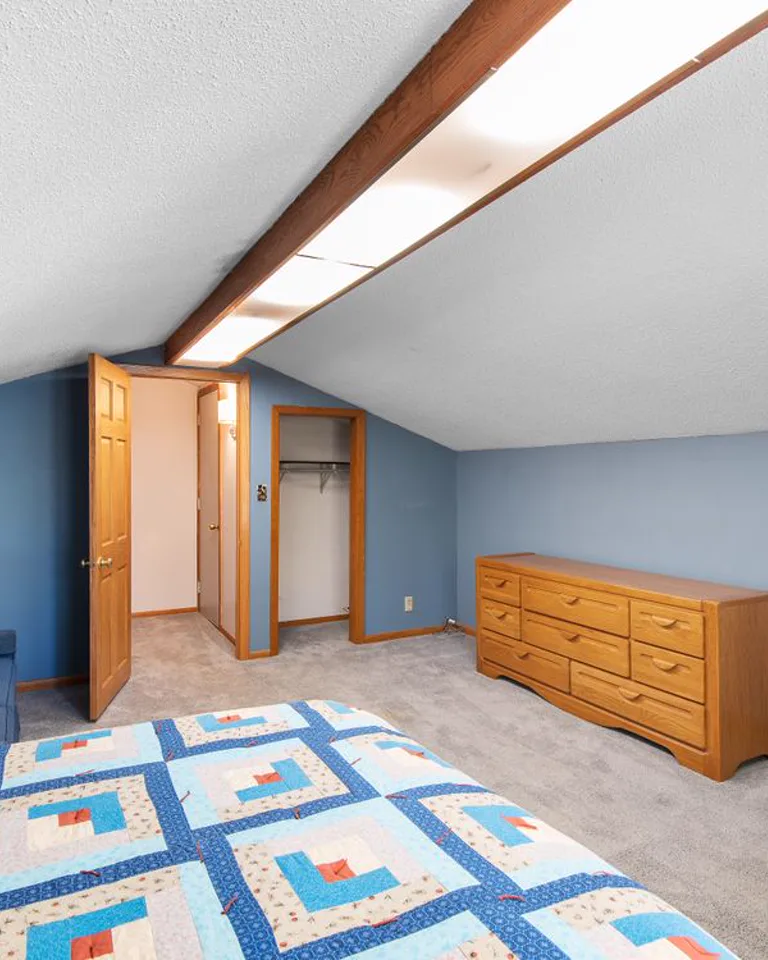
The problem: a sloped ceiling or an angled wall means one side of the room has too little headroom to stand in, and a standard centered bed wastes the only tall stretch of wall.
Where the bed goes: headboard against the tallest vertical wall, or with the slope running along the length of the bed rather than dropping over your head. You sleep where the ceiling is highest, and walk where it is highest too. If you are working with a low ceiling, these low-ceiling bedroom ideas that make a room feel taller pair well with this placement.
Why it works: lying down needs far less headroom than standing, but sitting up in bed still needs clearance. Putting the headboard on the tall wall gives you both.
Watch out for: bumping your head when you sit up or make the bed. Sit on the mattress and check the clearance above your head before you settle on the spot.
Practical tip: choose a low platform bed for a sloped room. It buys you several inches of visual and actual headroom that a tall frame would eat up.
3. Bed Floating in a Large, Open Room
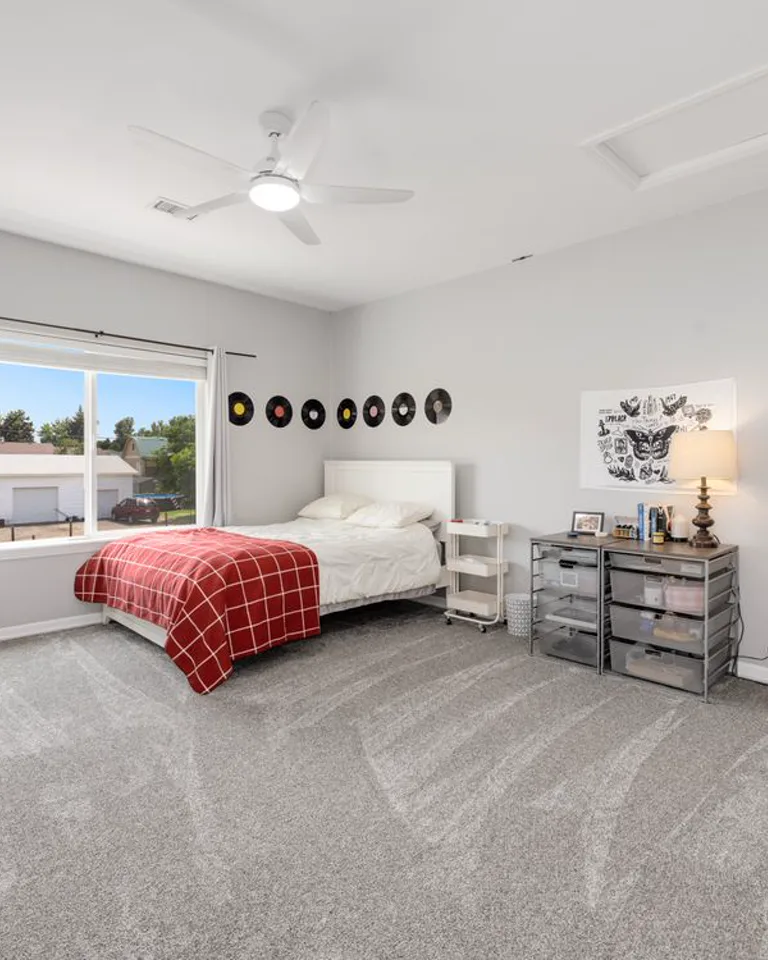
The problem: a big room with no obvious headboard wall, or a bed pushed into a far corner that leaves a dead, empty middle.
Where the bed goes: floating in the room, anchored by a large rug that extends past the foot and both sides, with a solid headboard or a console behind it to give your head something to rest against visually. The space behind the bed becomes a dressing or reading zone.
Why it works: it turns one oversized room into two clear zones, sleeping and everything else, instead of leaving the middle as wasted floor. The rug is what stops it looking like furniture that drifted to the center by accident.
Watch out for: walkways. You still need a comfortable path around all three open sides, and the headboard side needs to be stable, not wobbling on an uneven rug edge.
Practical tip: if the room feels bare, a bench at the foot of the bed closes the sleeping zone and gives you somewhere to sit while dressing.
4. Bed in an L-Shaped Room
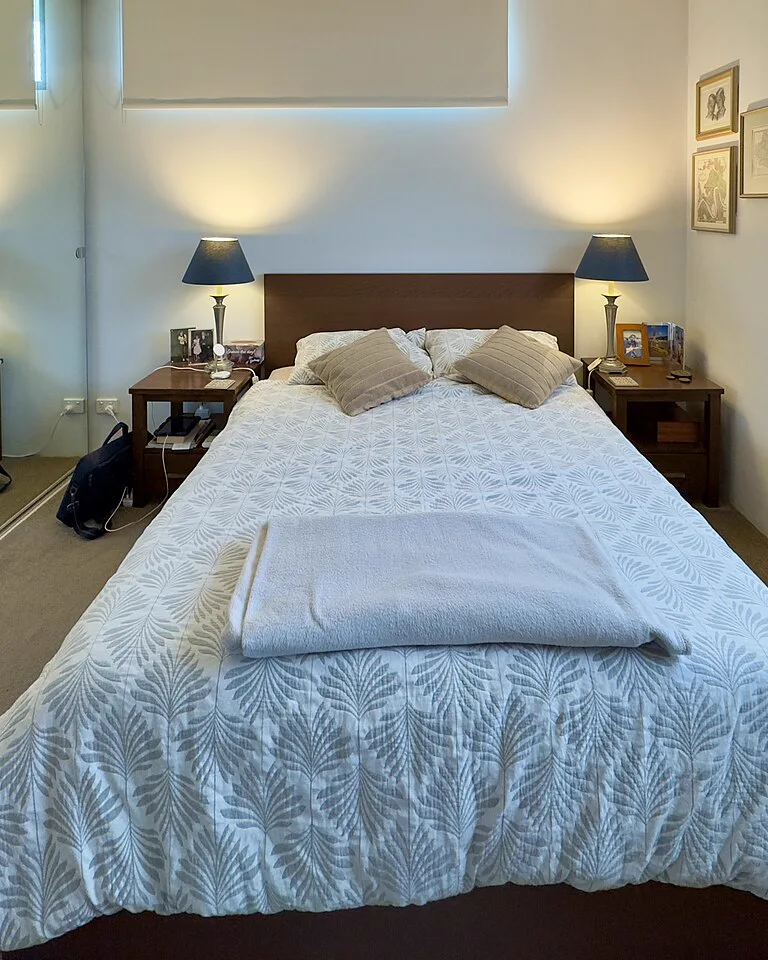
The problem: the L-shape creates a dark inner corner and two competing areas, and a bed parked in the middle of the L blocks both of them.
Where the bed goes: into one leg of the L, headboard on that leg’s end wall, so the sleeping area feels like its own room. The other leg becomes the dressing or desk area, and the inner corner stays open as the path between them.
Why it works: each leg gets one job, so you stop walking through the sleeping area to reach the rest of the room. It also keeps the bed out of the direct line between the door and the far window.
Watch out for: the inner corner of the L. Do not let it become a dark dumping ground. A lamp or a small chair there keeps it part of the room.
Practical tip: a rug under the bed that stops at the edge of its leg marks the sleeping zone without a wall or screen.
5. Bed in a Room With Two Doors
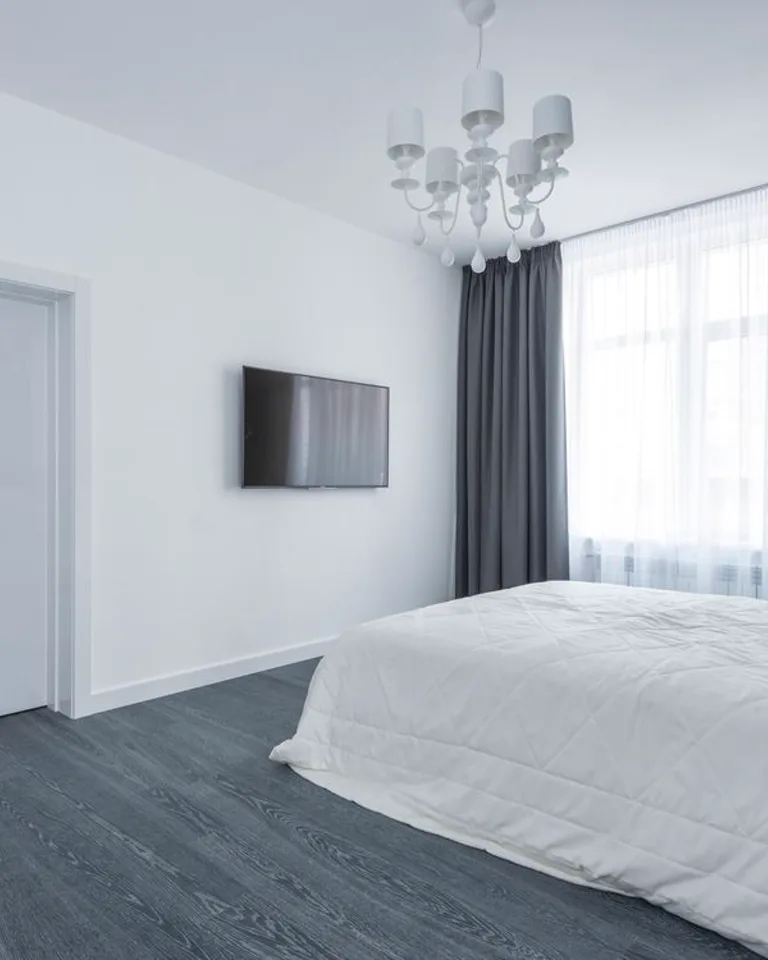
The problem: the bedroom door plus a bathroom or closet door carve the room into walkways, and every wall seems to have a swing crossing it.
Where the bed goes: on the wall that is not crossed by either door swing, even if that wall is not the one you would pick first. Offset the bed so neither doorway points straight at the sleeper, and keep both door paths completely clear. Small rooms with several doors are a common headache, and the same walkway-first thinking behind these small bedroom ideas for square-foot rooms applies here.
Why it works: you stop choosing between a blocked door and a bed you have to climb around. Clear swings also mean nobody wakes you by wrestling a door past the foot of the bed.
Watch out for: closet doors you open daily. If the bed blocks even one closet door, that placement fails in real life no matter how good it looks on a floor plan.
Practical tip: if a swinging closet door is the problem, a curtain or a sliding door on that closet can free up the wall beside it for the bed.
6. Bed in a Long, Narrow Room

The problem: the room feels like a corridor, and a bed along the long wall turns it into a tunnel with a bed blocking the middle.
Where the bed goes: headboard on one of the short end walls, with the length of the bed running with the length of the room. This stops the eye at the headboard instead of letting it run the full length of the tunnel. For more on breaking up a tunnel-shaped room, see these narrow bedroom ideas for skinny rooms and narrow bedrooms designed, not just decorated.
Why it works: the end wall becomes a focal point, the room reads shorter than it is, and the remaining length becomes a clear walkway and dressing area rather than dead space beside a sideways bed.
Watch out for: a centered bed on a short wall can leave only inches on each side. If that is your room, push the bed to one side wall and keep a single generous walkway instead of two useless slivers.
Practical tip: a rug that ends just past the foot of the bed breaks the runway effect and marks where the sleeping zone ends.
7. Bed Sharing a Wall With a Closet Door
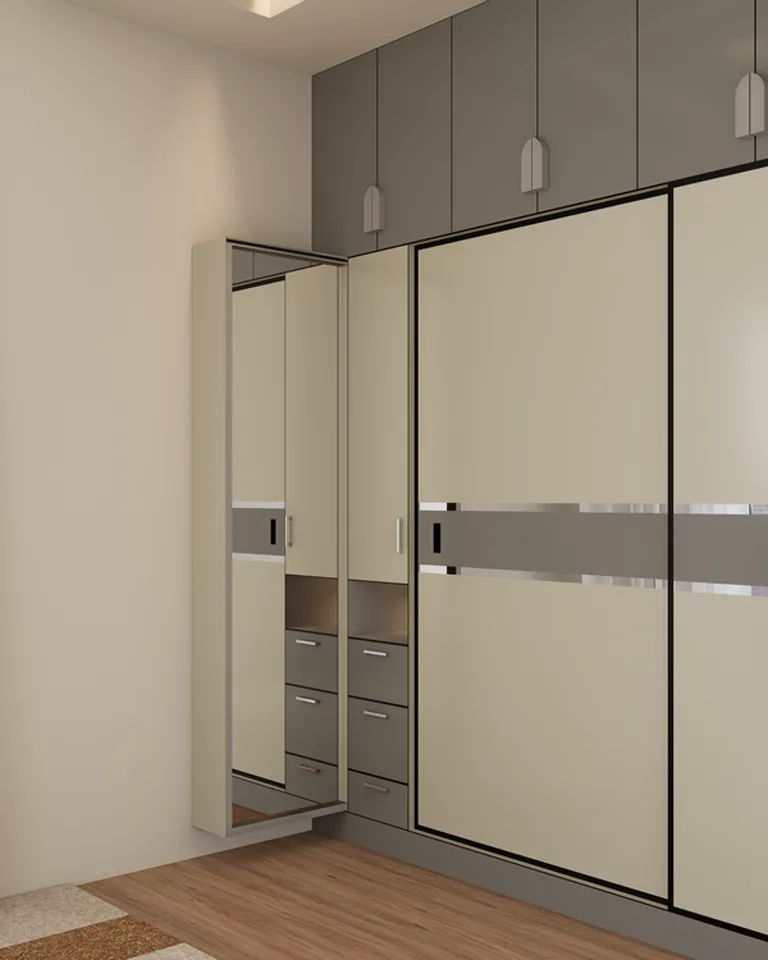
The problem: the only long wall has the closet door in the middle of it, so a centered bed either blocks the closet or gets hit by the door.
Where the bed goes: headboard on the adjacent solid wall if one exists, or shifted to one side of the closet wall so the full door swing stays clear. Never let a nightstand sit in the swing zone.
Why it works: you keep daily closet access without moving anything, and the bed still gets a solid wall behind the headboard.
Watch out for: sliding closet doors that look clear but need the track space, and bifold doors that fold outward into the room. Measure the swing, do not guess it.
Practical tip: wall-mounted lights or a floating shelf on the closet side replace a nightstand that would otherwise crowd the door.
8. Bed Facing the Door: The Command Position
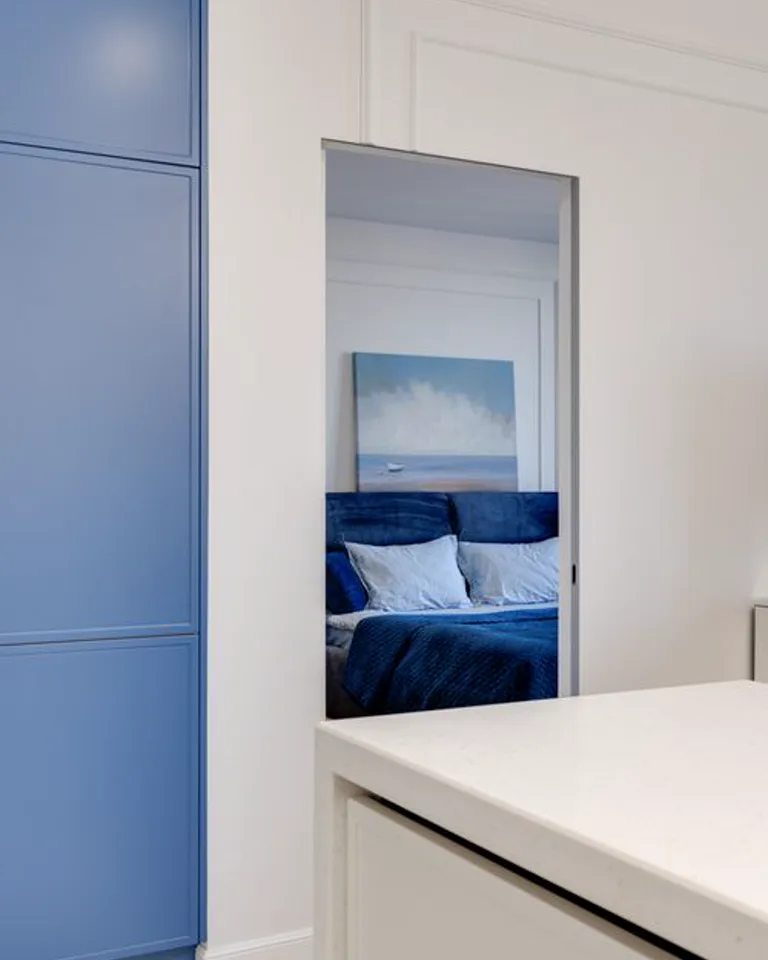
The problem: the bed either faces the door dead-on, so every hallway movement registers from the pillow, or it sits on the same wall as the door, so you cannot see who is coming in.
Where the bed goes: diagonally across from the door, headboard on a solid wall, so you can see the entrance from bed without lying directly in line with it. This is the classic command position: view of the door, solid wall behind you, not in the doorway’s direct path.
Why it works: even if you do not follow feng shui, being able to see the door without being in its path feels calmer, and practically it keeps hallway light and traffic out of your direct line of sight.
Watch out for: overcorrecting. A bed jammed into a far corner just to avoid the door line can leave one sleeper climbing over the other every night.
Practical tip: if no wall gives you the diagonal view, a mirror placed so it reflects the door (never facing the bed) is the standard workaround.
9. Bed Tucked Into a Corner
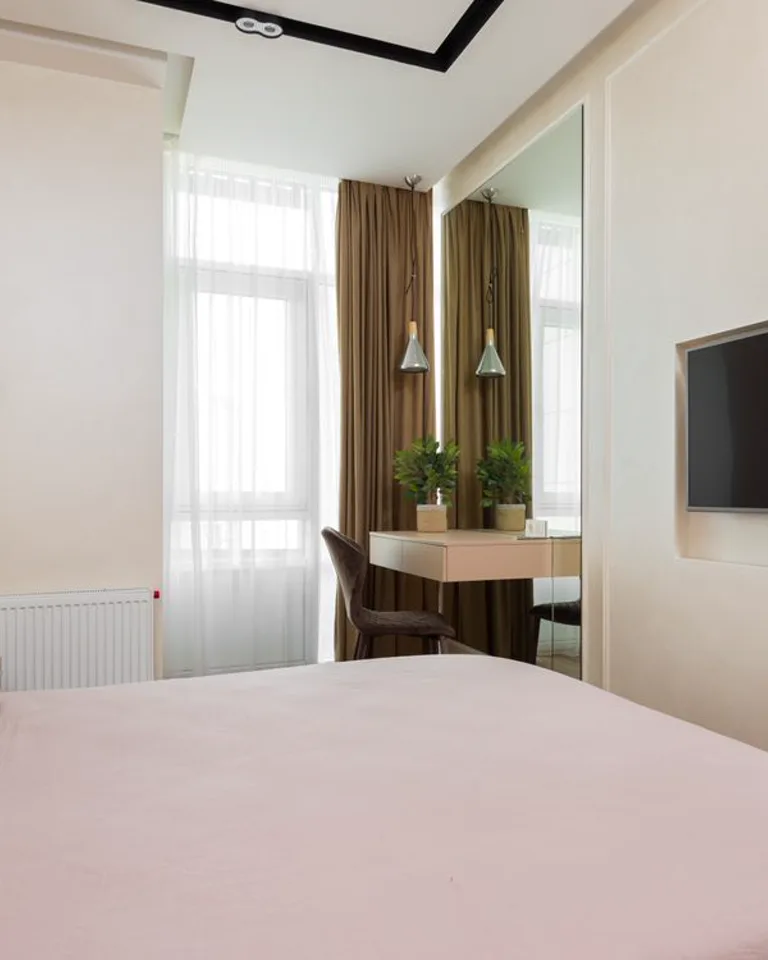
The problem: the room is too small for a centered bed with two nightstands, and centering it leaves no usable floor for anything else.
Where the bed goes: into the corner, against two walls, which frees the rest of the floor for a dresser, desk, or simply room to move. This works best for one sleeper, or for a child or guest room. If you are working with a genuinely tiny room, these small bedroom ideas to make a tiny room feel bigger use the same corner-first logic.
Why it works: two walls of support make the bed feel built in, and the freed floor space is often the difference between a usable room and a room you only sleep in.
Watch out for: making the bed and changing sheets against two walls is awkward, and the person on the wall side has to climb over to get out.
Practical tip: wall-mounted lights on both walls and a slim shelf on the open side replace the second nightstand you gave up.
10. Bed in a Room With a Fireplace or Radiator Wall
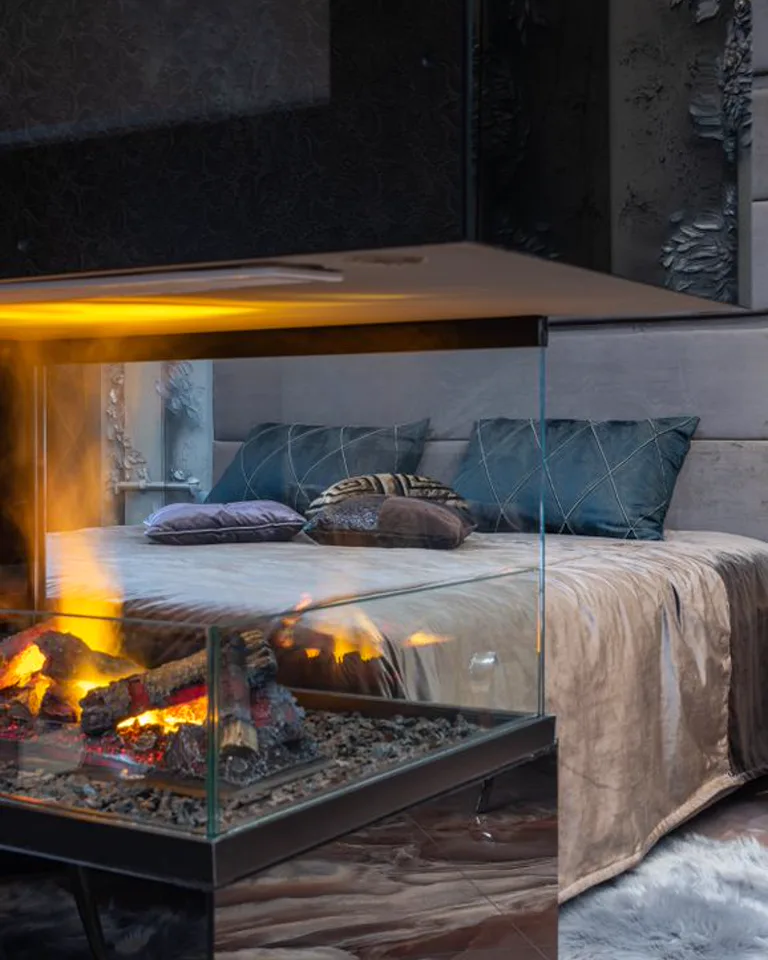
The problem: the fireplace or a chimney breast sits in the middle of the best bed wall, or radiators hug every usable wall.
Where the bed goes: on the wall opposite the fireplace, so you wake facing it, or beside the chimney breast in one of the alcoves if the breast is wide enough to leave bedside room. Keep the bed fully clear of any radiator: blocked radiators heat badly and can damage a frame over time. Rooms built around a fireplace often suit a more traditional arrangement, and these French country bedroom layouts show how a fireplace wall can anchor a room without holding the bed.
Why it works: the fireplace stays a feature instead of a blocked obstacle, heat circulates properly, and the bed still gets a solid wall.
Watch out for: a working fireplace needs clearance for the hearth and for safe access. Never push bedding or a headboard against a hot surface or a working fire surround.
Practical tip: if the fireplace is decorative or blocked off, the chimney breast itself becomes a strong central headboard wall, with the alcoves on either side as natural nightstand spots.
One last check before you move the bed for good: lie on it in the new spot. Can you see the door without turning your head sharply? Can you reach a light without getting up? Can you open every door and window without moving the bed? If those three answers are yes, the placement works, even if it breaks a rule you read somewhere. The best bed placement in an awkward bedroom layout is the one that fits your room, your doors, and the way you actually sleep.

Frequently Asked Questions

These are the questions that come up most often when people are deciding where to put a bed in a tricky room.
Should a bed face the door?
You should be able to see the door from bed, but avoid lying directly in line with it, with your feet pointing straight out the doorway. Shifting the bed a little to one side, so you have the view without the direct alignment, solves it in most rooms.
Is it bad to put a bed under a window?
It is not ideal, because a window gives no solid wall behind the headboard and can bring drafts and morning light. But if it is the only workable wall, a low headboard, lined curtains, and keeping the window operable make it a perfectly livable choice.
Where should I put my bed in an L-shaped room?
Put the bed in one leg of the L, with its headboard on that leg’s end wall, and use the other leg for dressing or a desk. Keep the inner corner open as the path between the two areas.
Is it okay to put a bed in a corner?
Yes, especially in a small room or for a single sleeper. A corner bed frees up the rest of the floor, but expect awkward sheet changes and one side with no direct access.
Where should a bed go in a small bedroom?
Start with the wall that leaves a clear path from the door, keeps closet and window access open, and gives you at least 24 inches beside the bed. In a very small room that often means the corner or one side wall, not the center of the longest wall.