
12 Dark Green Kitchen Ideas That Actually Work: Hardware, Lighting, and Color Pairings
Dark green kitchens work — the color is rich, grounding, and far more forgiving than most bold cabinet colors. What decides whether yours looks expensive or just dark is not the green itself, but what you pair it with. Warm hardware, layered lighting, and light countertops are the three levers that make a dark green kitchen feel intentional instead of heavy.
The green itself deserves a deliberate choice. Deep hunter and emerald greens read formal and dramatic; softer olive and sage-tinged greens feel relaxed and earthy — the same earthy olive tones featured in olive green bedroom decor ideas translate beautifully to kitchens when you want the mood without the drama. Either way, commit to a shade with a clear undertone (warm yellow-green or cool blue-green) so your hardware and countertop choices have something consistent to respond to.
Below are twelve ideas built around the pairings that actually carry a dark green kitchen: the right metals, the right light, and the right surfaces. Every idea names both the what and the why, so you can adapt them to a full remodel or a weekend refresh.

Hunter Green Cabinets With Aged Brass Cup Pulls

Deep hunter green and aged brass is the pairing that made this color a kitchen staple, and it holds up because the two materials answer each other’s weaknesses. Dark green absorbs light and can look flat on its own; brass catches and reflects it, giving your eye warm points to land on across the cabinetry. Aged or unlacquered brass works better than a mirror-polished gold here, because the soft patina keeps the combination relaxed instead of flashy.
Cup pulls are a particularly good shape for this look. They sit proud of the drawer front, so the brass reads clearly even in the shadow under the counter edge, and their traditional silhouette matches the heritage feel of a dark green. If you are painting existing cabinets, order your hardware after the paint is dry and hold the pull against the door in your kitchen’s actual light — brass looks very different under cool daylight than under warm bulbs.
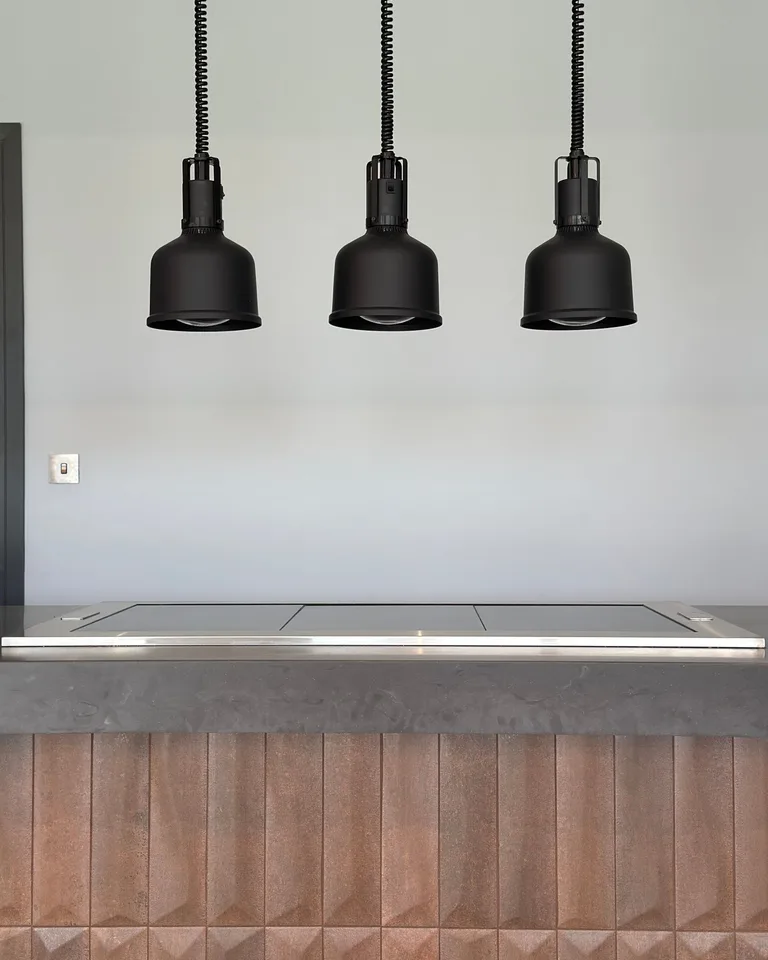
Two-Tone Green and White: Split the Cabinets or the Tile

If full dark green feels like a commitment, split the color. The classic version puts dark green on the base cabinets and white or warm white on the uppers — green grounds the room exactly where you want visual weight while the wall plane stays light and airy. This is the easiest way to use a dramatic green in a small or north-facing kitchen without closing it in.
A lower-commitment version keeps all the cabinets white and lets a dark green tile backsplash (pictured) carry the color instead. The contrast reads as clearly two-tone, but only one surface carries the commitment — and tile is far easier to live with long-term than a full cabinet repaint if your taste shifts.
Either way, the trick is discipline with the metal. Run the same hardware finish — brass, black, or nickel — across both tones so the scheme reads as one designed kitchen rather than two half-decisions. For a bolder take on two-tone, swap the white for a warm sunny paint like butter yellow; butter yellow kitchen cabinets paired with deep green lowers give a retro, confident look that still keeps the upper wall light.
A Green Island as the Room’s Focal Point
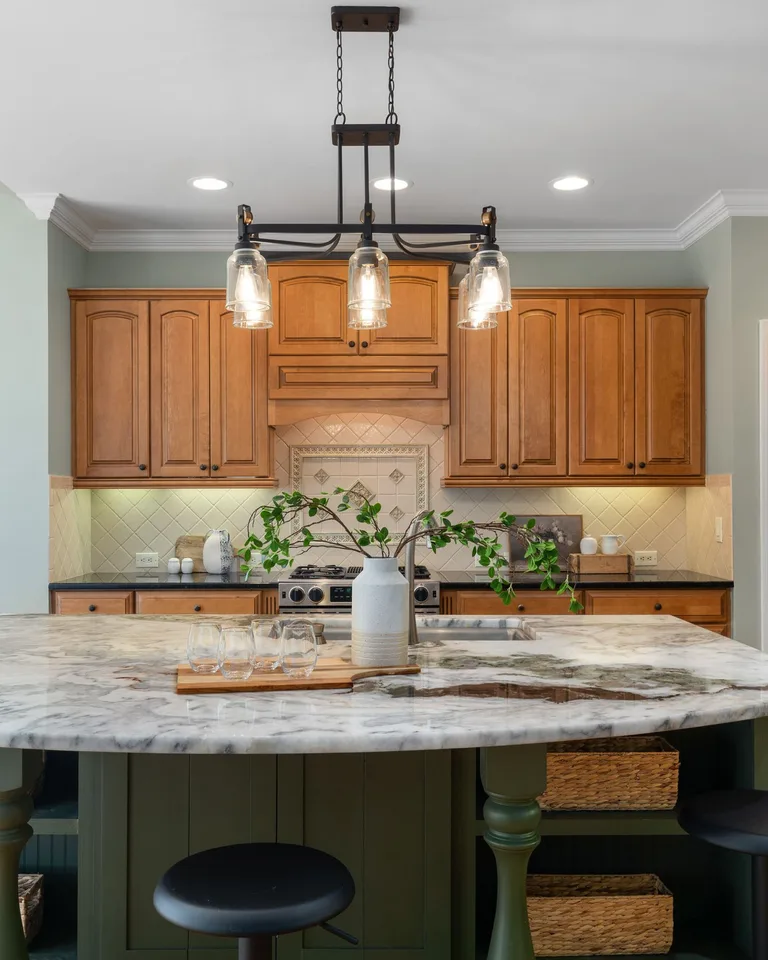
One dark green island inside an otherwise neutral kitchen delivers most of the drama at a fraction of the risk. Paint just the island — perimeter cabinets stay white, cream, or wood — and the green becomes a deliberate accent instead of a whole-room decision. This approach also lets you splurge on the details where they matter: nicer pendant lights over the island, a stone countertop, and statement stools.
Because the island is the room’s anchor, give it real hardware presence: oversized pulls or a long appliance-style handle rather than the standard small knobs used elsewhere. Center two or three pendants over it and size them generously — undersized pendants are the most common mistake over a green island, because the dark color makes small fixtures look smaller.
Matte Black Hardware for a Modern, High-Contrast Edge
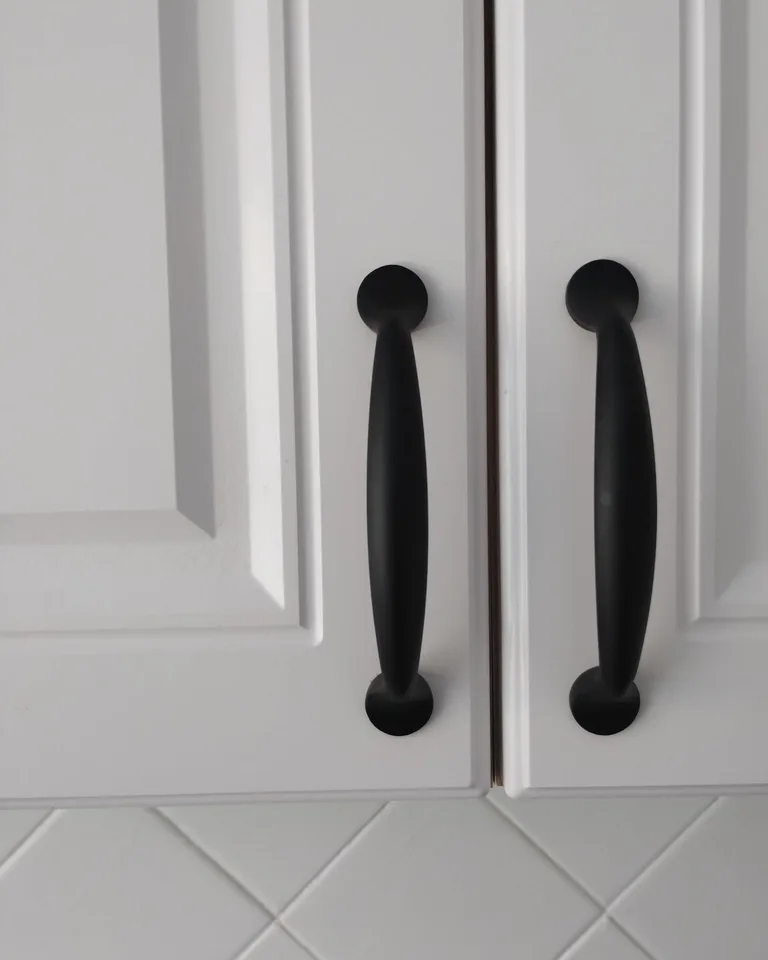
Where brass softens a green kitchen, matte black sharpens it. Black bar pulls or knobs against deep green create a graphic, contemporary contrast that suits flat-front or shaker cabinetry in a modern home. It is the pairing to choose when you want the kitchen to read as designed rather than decorated.
There is one caveat worth knowing: on the very darkest greens, matte black hardware nearly disappears, especially under weak lighting. If your green is close to black-green, compensate by choosing a slightly lighter or more saturated shade, and make sure the kitchen has enough light on the cabinet faces — this is one pairing where good task lighting is non-negotiable, not a nice-to-have.
Brushed Gold vs. Antique Brass: Match the Metal to the Green

Not all warm metals behave the same on dark green. Brushed gold stays bright and reads modern; antique brass is darker and moodier; unlacquered brass starts polished and deepens into a lived-in patina. The green’s undertone should decide for you: warm olive and sage greens love the yellow in brass, while cool blue-greens like emerald and forest sit more comfortably beside a cooler or darker antique finish.
Slightly mismatched brass tones across hardware and lighting actually read better than a perfect match — a brushed knob beside a slightly warmer sconce looks collected over time rather than bought as a set. And extend your chosen metal beyond the cabinet pulls: the faucet, pendant fixtures, and even small appliances in the same family make the green feel supported instead of stranded.
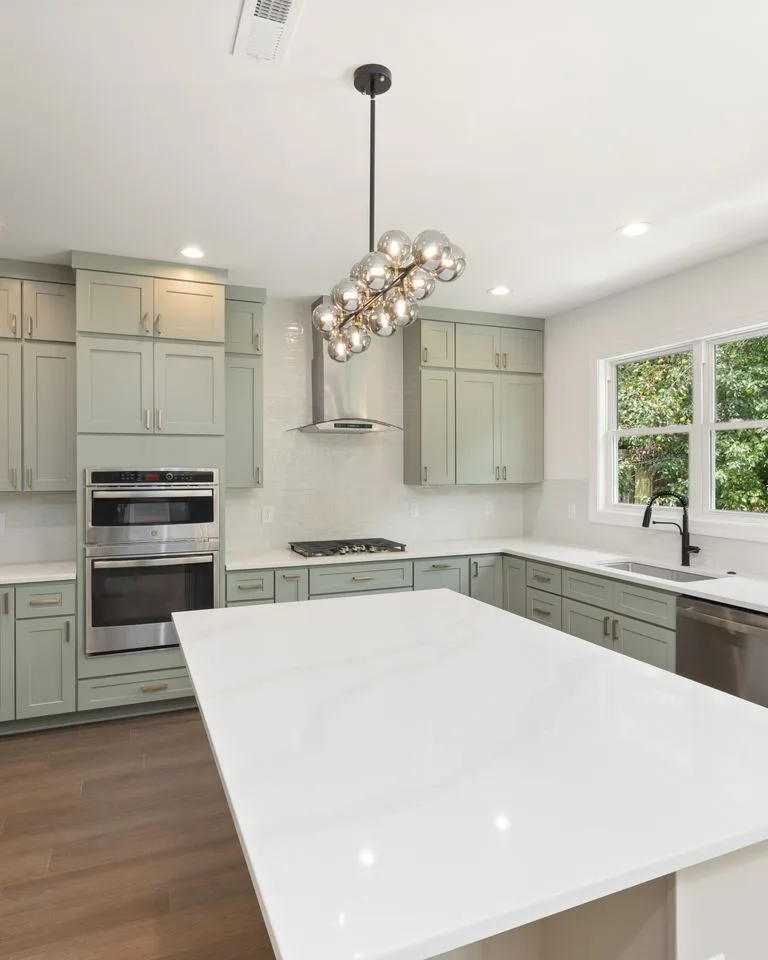
Under-Cabinet Lighting So Dark Cabinets Don’t Swallow the Light

This is the single highest-impact lighting upgrade in a dark green kitchen. Dark paint reflects far less light than white, which means work areas under wall cabinets go dim faster than you’d expect. Warm LED strip lighting mounted under the wall cabinets washes the countertop with light, separates the green from the counter below, and makes the whole kitchen feel brighter without touching a paintbrush.
Choose strips in a warm color temperature — around 2700 to 3000K — to keep the green reading cozy rather than clinical, and look for high-CRI strips so food and surfaces look natural. A plug-in kit with an adhesive channel is a genuine weekend project and one of the cheapest fixes for a dark green kitchen that feels too dark at night.
Globe Pendants at the Right Height With Warm Bulbs

Opal or frosted-glass globe pendants are a natural partner for dark green because they diffuse light softly instead of throwing hard pools of it — the glow flatters the paint instead of interrogating it. Hanging them 30 to 36 inches above the island countertop keeps the light where you work while leaving sightlines open across the room.
Bulb choice matters as much as fixture choice. Warm 2700K bulbs keep deep greens rich and inviting; cool daylight bulbs can push a green toward teal or gray in ways the paint chip never suggested. The layered-lighting thinking behind good hallway lighting ideas applies here too: one layer for tasks, one for ambience, and dimmers so the kitchen can shift from cooking to evening.
Choose Satin or Semi-Gloss Sheen to Bounce Light Around

The same green paint looks dramatically different in matte versus satin. Matte finishes absorb light and show off the color’s depth, but in a dark green they can make the kitchen feel like it has the lights off. Satin or semi-gloss cabinet enamel reflects light back into the room, so the green reads a shade lighter and livelier — and it wipes clean far more easily, which matters in a real cooking kitchen.
If you love the soft look of matte, compromise: use an eggshell or satin finish on the cabinets and save matte for the walls, or go matte on a green island that gets strong pendant light. Always test your sheen on a large sample board next to your cabinetry under your actual bulbs before committing to the whole kitchen.
Pair Dark Green With Natural Wood Tones

Wood is dark green’s most forgiving partner. A warm oak or walnut island, open shelves, or butcher-block countertop sitting next to green cabinetry breaks up the solid color and adds organic texture that paint alone can’t provide. The combination reads timeless because it echoes nature — forest and timber — without trying too hard.
Match the wood’s warmth to the green: honey-toned oak flatters warm olive greens, while richer walnut suits deep forest shades. A natural wood island against green perimeter cabinets is the classic execution, and natural wood kitchen cabinet ideas show how far the material can carry a kitchen even without color on the walls.
White Quartz or Marble Countertops to Open Up the Look
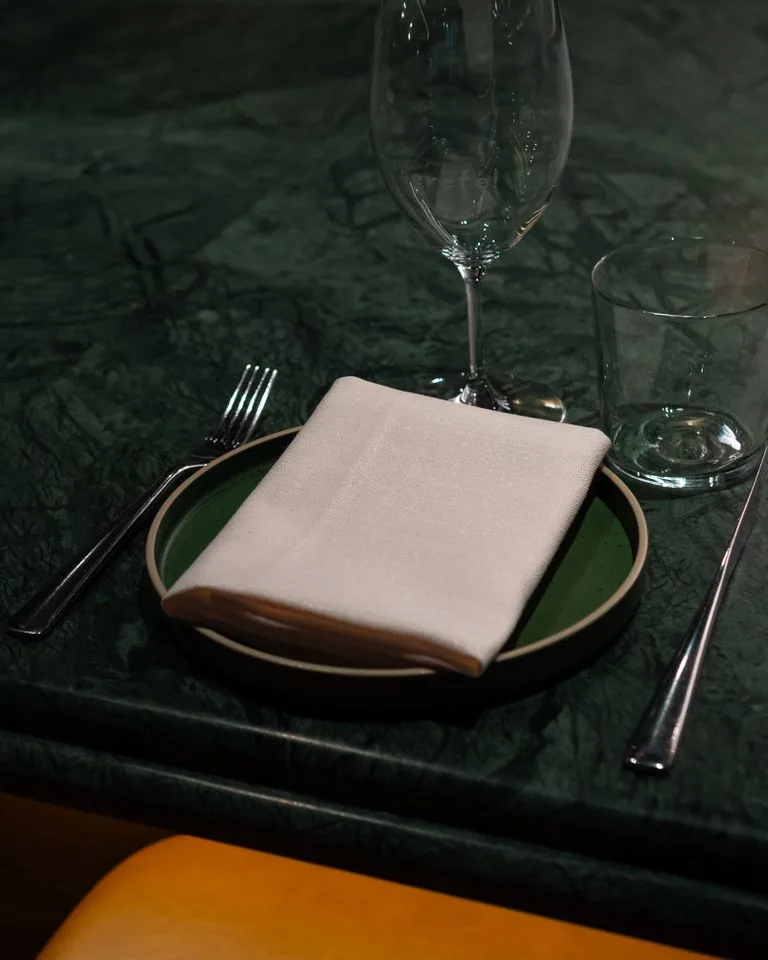
Light countertops are the pressure valve of a dark green kitchen. A white quartz or Carrara-style marble top reflects light back up onto the cabinet faces and gives the eye a bright horizontal band that keeps the room feeling open. The veining in a marble-look surface also adds movement that plain paint lacks.
Warm up the stone with brass or bronze pulls, and consider a white or cream handmade-look tile backsplash to carry the light up the wall. One restraint: don’t add a second strong pattern. Dark green plus veined marble plus a busy backsplash is one texture too many — let the countertop be the star and keep the backsplash quiet.
For a bolder version, carry the green into the stone itself. A green marble surface against dark green cabinetry — like the one pictured — makes the kitchen feel carved from a single material, and it hides everyday wear far better than white stone. It is a bigger commitment, but in a kitchen with strong natural light it is genuinely stunning.
A Green Accent Wall or Pantry Door Inside a White Kitchen
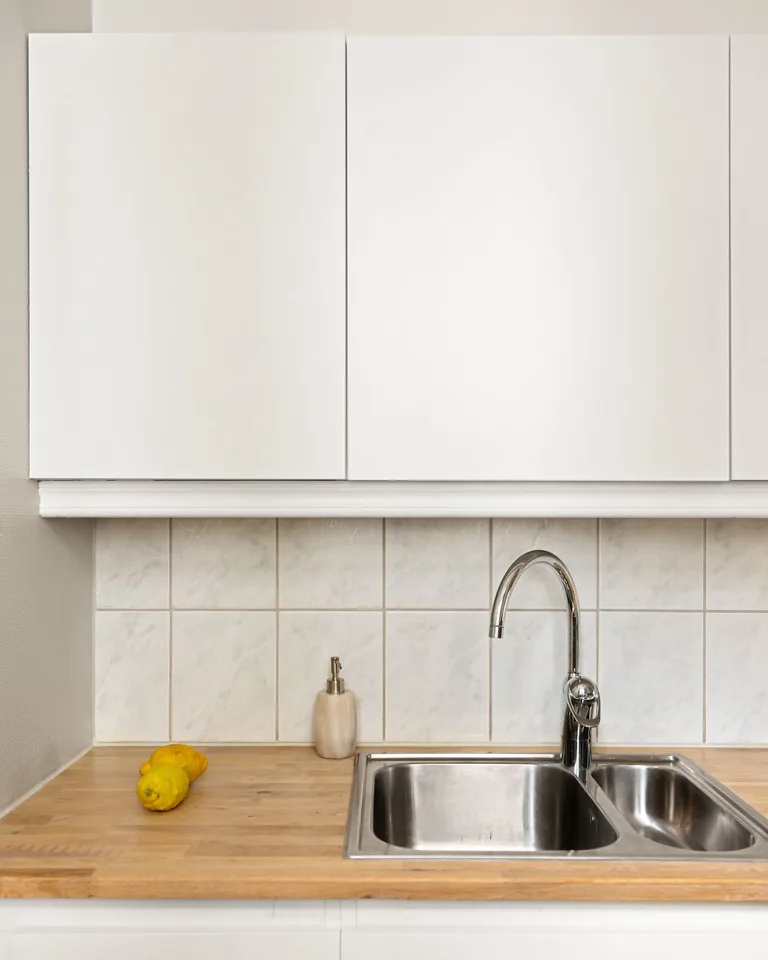
You don’t need green cabinets to have a green kitchen. Painting one accent wall, a pantry door, or the window trim in deep green inside an otherwise white kitchen delivers the color’s mood as pure accent. It is the lowest-commitment idea on this list and the easiest to repaint if your taste changes.
This works best when the white around it is warm rather than stark — a soft warm white keeps the green feeling invited instead of isolated. The principles for keeping white kitchens cozy rather than clinical, covered in warm white kitchen ideas, are exactly what make a green accent sing: warm whites, natural textures, and metals with some warmth to them.
The Paint-and-Hardware Weekend Refresh
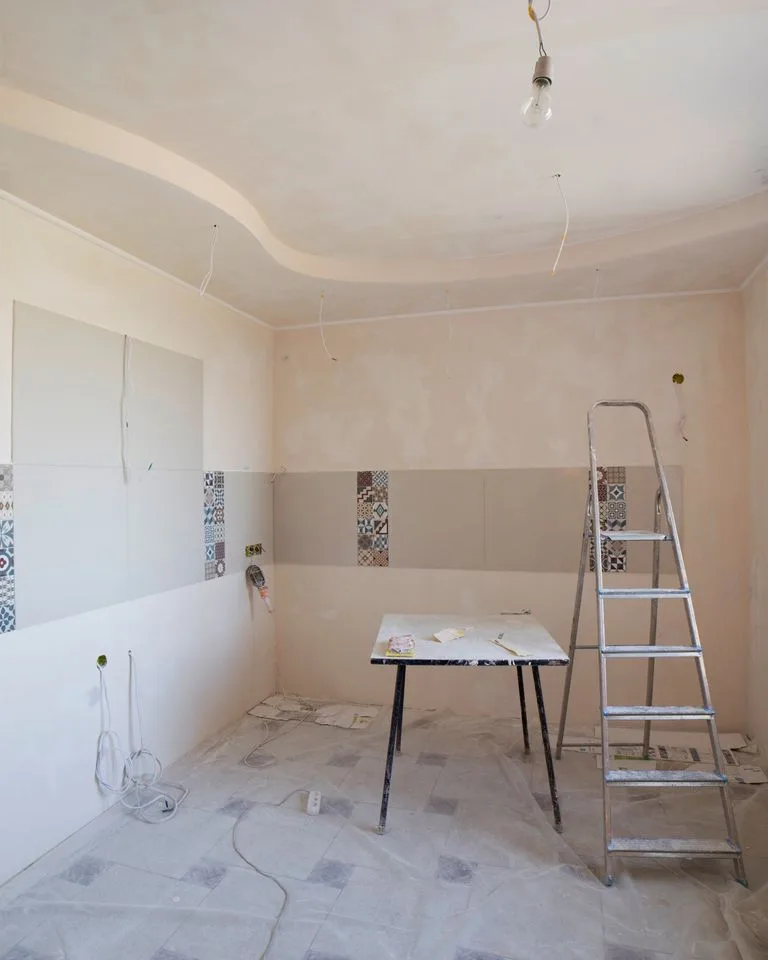
A full cabinet replacement isn’t required to get a dark green kitchen. Painting existing cabinets with a quality cabinet enamel, swapping the hardware for brass or black, and adding under-cabinet LED strips can transform a dated kitchen for a fraction of a remodel budget. The labor is the paint prep — cleaning, light sanding, and a good bonding primer — not the color.
Budget projects reward focus: spend on the hardware and the lighting rather than exotic paint, because those are the details people actually see. For more ways to stretch a remodel budget, budget kitchen remodel ideas covers the upgrades that return the most impact per dollar, and a green cabinet refresh sits comfortably at the top of that list.
Frequently Asked Questions
What color hardware goes with dark green kitchen cabinets?
Aged brass or brushed gold is the safest, most-loved pairing — the warmth lifts the dark green and reads classic. Matte black gives a sharper, modern contrast but can disappear on the very darkest greens. Match the metal to the green’s undertone: warm brass for olive and sage greens, darker antique brass or nickel for cool emerald and forest shades.
Will dark green cabinets make my kitchen look smaller?
Not necessarily. Pair them with light countertops, a warm-white backsplash, and layered lighting, and the room stays open. In a truly small kitchen, use the two-tone approach — green on the lowers, light on the uppers — or keep the green to the island so the wall plane stays bright.
Should I paint my whole kitchen dark green or just the island?
If you’re unsure, start with the island. It’s cheaper, lower-risk, and reversible, and it gives you months of living with the color before you decide whether to extend it. A green island with neutral perimeter cabinets is a complete, finished look on its own — not a half measure.
Is dark green a passing kitchen trend?
Dark green has held its place in kitchen design for years now, moving from trend color to a recognized modern neutral alongside navy and black. Because it behaves like a neutral — pairing with brass, wood, white, and stone — it ages far better than novelty colors. Choose a shade you genuinely like living with rather than the trendiest one, and it will look right for a long time.
Dark green rewards pairing discipline: warm metals, generous layered light, a light countertop, and one clear green undertone through the whole scheme. Get those four right and the color does the rest — it brings depth, character, and a sense of calm that few other cabinet colors can match.