
12 Kitchen Coffee Bar Ideas That Work in Small Spaces
You don’t need a sprawling kitchen to have a coffee bar. You need about 18 inches of counter, one good idea for vertical storage, and a plan for the clutter. Most dedicated coffee stations fail not because the kitchen is too small, but because every mug, pod, and syrup bottle fights for the same flat surface. The fix is simple: give your coffee gear its own zone, lift what you can off the counter, and keep only the daily essentials within reach. These 12 ideas work in rentals, galley kitchens, and corners you thought were useless — several cost under $50.
The cheapest coffee bars start with what you already own: a tray on the counter, a spare cabinet, or a wall you aren’t using. If you’re also rethinking the rest of your kitchen, our guide to one-wall kitchen layouts shows how to zone small kitchens so every inch earns its keep. Now, the ideas.
1. Claim a 2-Foot Corner With a Tiered Tray

A tiered tray is the fastest coffee bar you’ll ever build. The minimum footprint for a functional station is roughly 18 inches wide by 12 inches deep — enough for a compact brewer and a mug tree — and a two- or three-tier tray stacks your pods, sweeteners, and syrups vertically inside that footprint. Put daily items on top, backups below, and the whole station lifts off the counter in one motion when you need the space for cooking.
2. Roll It Away on a Slim Utility Cart

A narrow rolling cart is the renter’s coffee bar. Park it in a dead corner or beside the fridge, load the top tier with your brewer and the lower shelves with beans, filters, and extra mugs, then wheel it out of the way when company comes. Carts with locking casters stay put during brewing. It’s the same logic as a kitchen drop zone — one mobile surface that absorbs the clutter instead of spreading it.
3. Take It Vertical With Wall-Mounted Shelves

When the counter is spoken for, go up. Two floating shelves above a 24-inch stretch of counter hold everything: mugs and daily grounds on the lowest shelf, pretty jars and a small plant above. Keep the everyday items between shoulder and eye height so the morning routine stays one-handed. If your shelves look sparse, that’s the point — restraint reads as styled.

4. Hang Mugs Under the Shelf, Not on the Counter
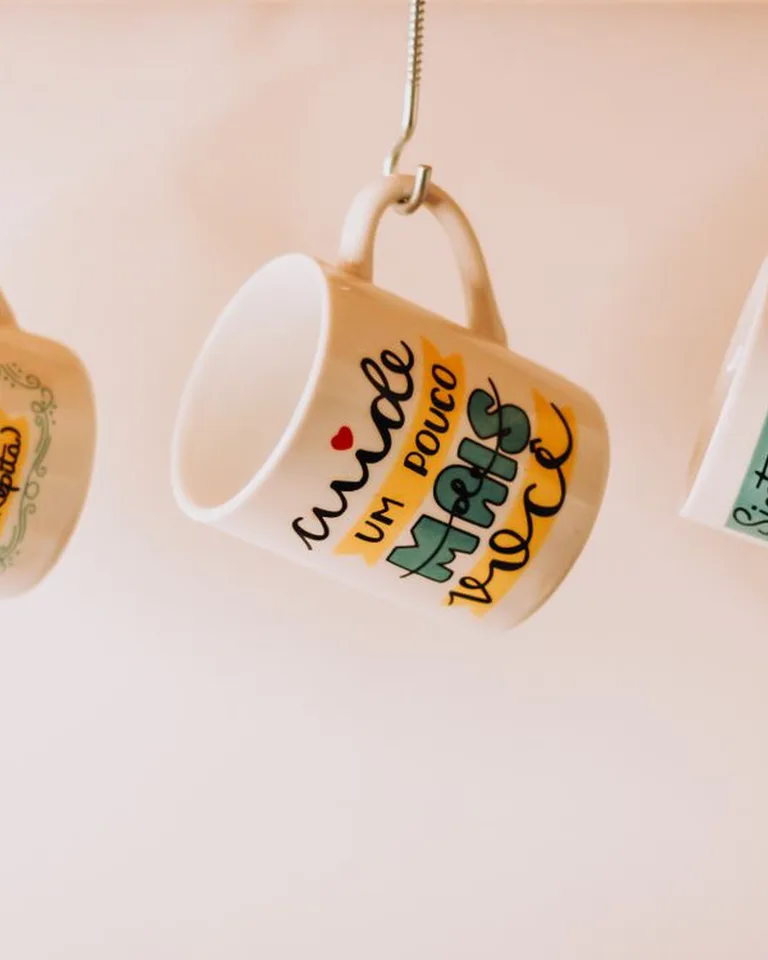
Under-shelf hooks are a five-dollar upgrade with outsized payoff. A row of small hooks screwed into the underside of a cabinet or shelf holds four to six mugs in airspace you weren’t using, freeing the equivalent of a dinner plate’s worth of counter. Hang your two or three daily mugs here and store the souvenir collection elsewhere.
5. Repurpose a Narrow Console Table
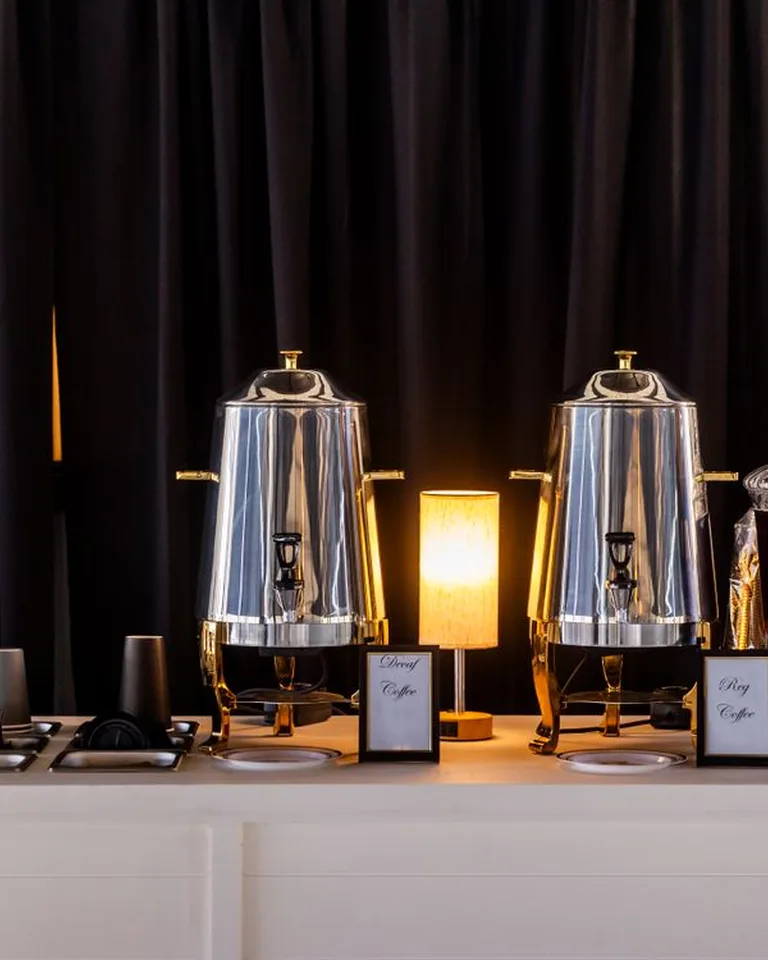
That slim console table from the entryway? It’s a coffee bar waiting to happen. Tables 10 to 14 inches deep fit along walls and in hallway-adjacent kitchen corners where a full cabinet never would. Style the top with the brewer and a tray, stash baskets of backup supplies on the lower shelf, and hang a small piece of art above it so the station reads as intentional furniture, not an appliance pile.
6. Hide It All in a Cabinet With a Pull-Out Tray

If you hate visual clutter, build your coffee bar inside a cabinet or appliance garage. Mount a heavy-duty pull-out tray so the machine slides forward for brewing, and have an electrician add an outlet inside the cabinet — never run a cord through a drilled hole to a distant plug. Add motion-sensor puck lights inside and the dark cabinet lights itself when you open the doors. Pair this with warm wood cabinet styling and the closed doors look like ordinary storage.
7. Thrift a Wooden Cabinet and Make It the Star
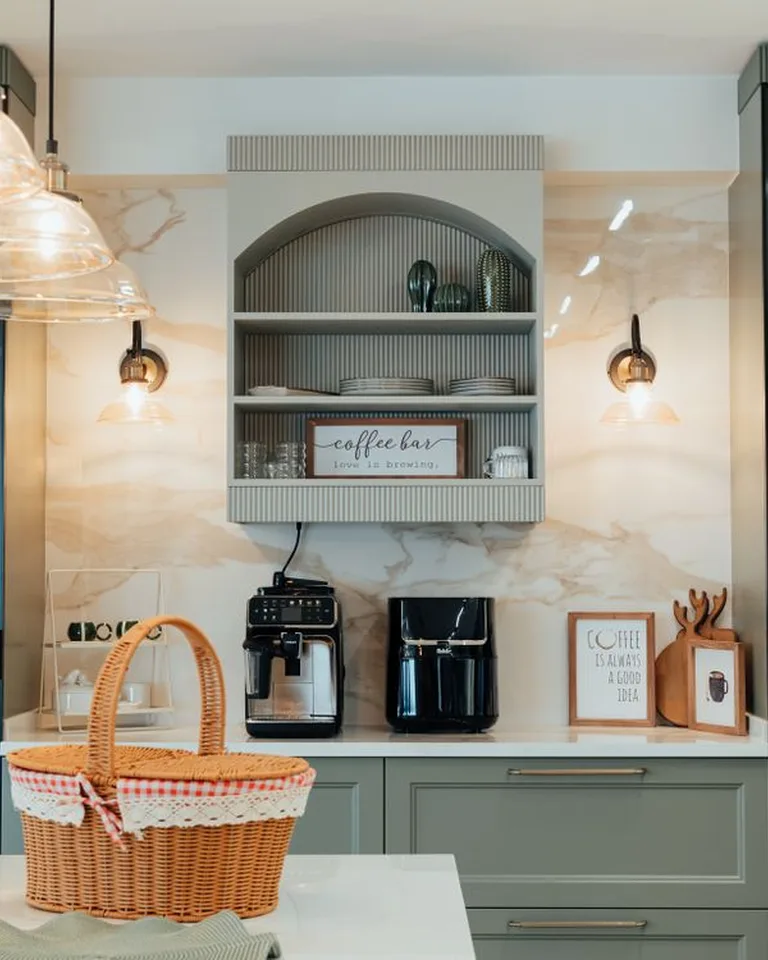
Thrift stores are full of small wooden cabinets, dressers, and hutches that cost less than a new cart and look ten times better. A coat of paint or a light sanding is often all it takes. Size your brewer first — measure its height with the lid open — then shop for a cabinet that clears it. This is one of the most budget-friendly kitchen upgrades you can make, and the piece doubles as storage for linens or pantry overflow.

8. Define the Zone With Peel-and-Stick Backsplash

A coffee bar feels like a bar — and not a spillover — the moment the wall behind it looks different from the rest of the kitchen. Peel-and-stick tile or wallpaper behind your station creates that boundary in an afternoon, with zero grout and full renter approval. Choose a pattern that echoes your kitchen’s palette; if your kitchen runs warm white, our warm white kitchen ideas have palette pairings that keep the station from looking pasted on.
9. Decant Everything Into Matching Canisters
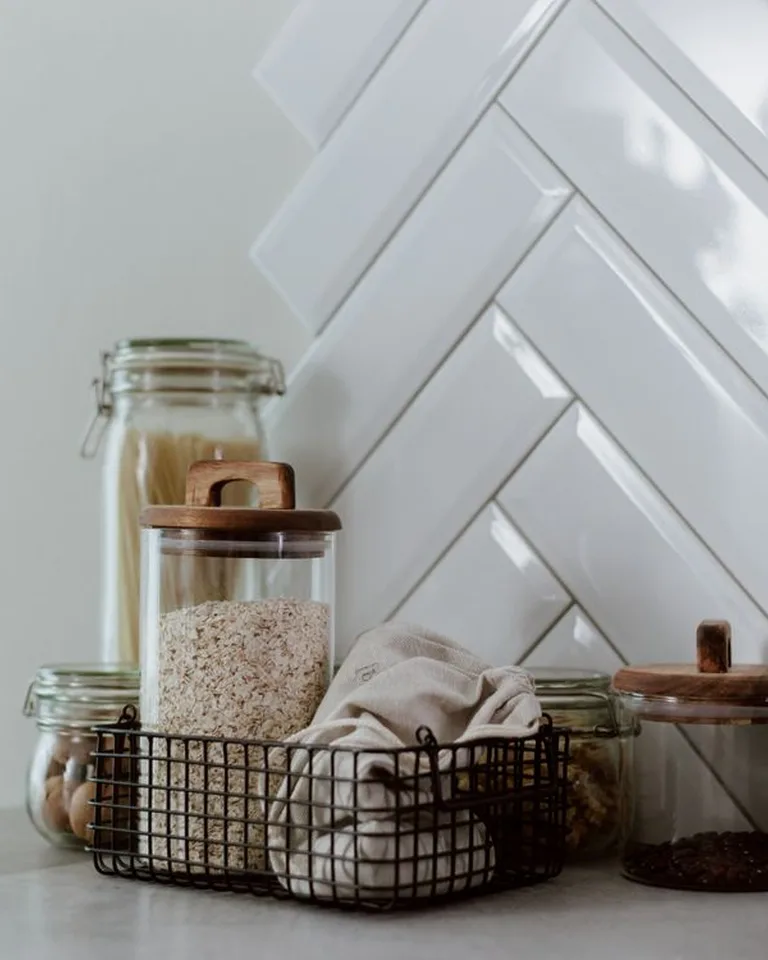
The single biggest visual upgrade for under $30: decant beans, sugar, and pods into matching glass jars. Uniform containers turn six clashing packages into one calm row, and you can see at a glance what needs restocking. Add simple labels if your household argues about decaf. This trick works in open-concept kitchens too, where the coffee station is visible from the living room and has to look good from the sofa.
10. Add Warm Under-Cabinet Lighting
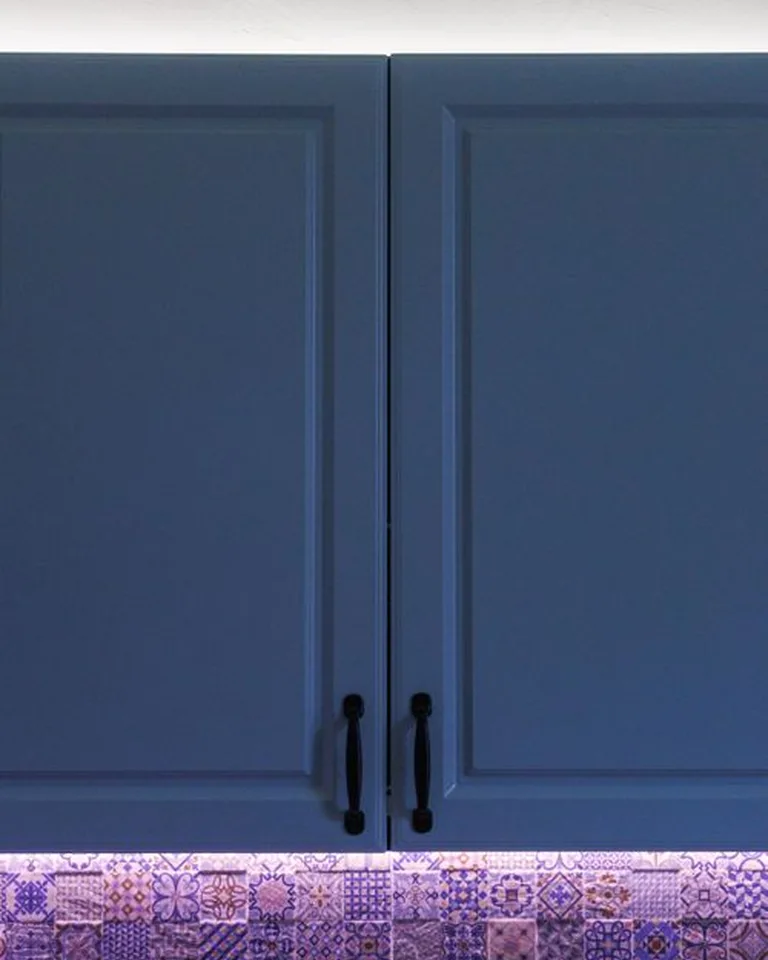
Cafés feel like cafés partly because of light. A strip of warm-white LED pucks or tape under the cabinet above your station costs little, installs in minutes, and makes the 6 a.m. brew feel deliberate instead of bleary. Choose 2700K–3000K for warmth; cool daylight LEDs make coffee look clinical. Battery-powered motion versions mean no wiring at all.
11. Style It Like a Café: Chalkboard Menu, Tray, Plant

The last 10 percent is styling: a small chalkboard with your house “menu” or a favorite quote, a tray that corrals the small stuff, and one living plant. These three items signal that the corner is finished, which is what stops the slow creep of mail, keys, and random jars onto your coffee station. A nook like this also photographs beautifully — useful if you ever list the place and want the kitchen to feel loved.
12. Or Fold the Whole Station Away
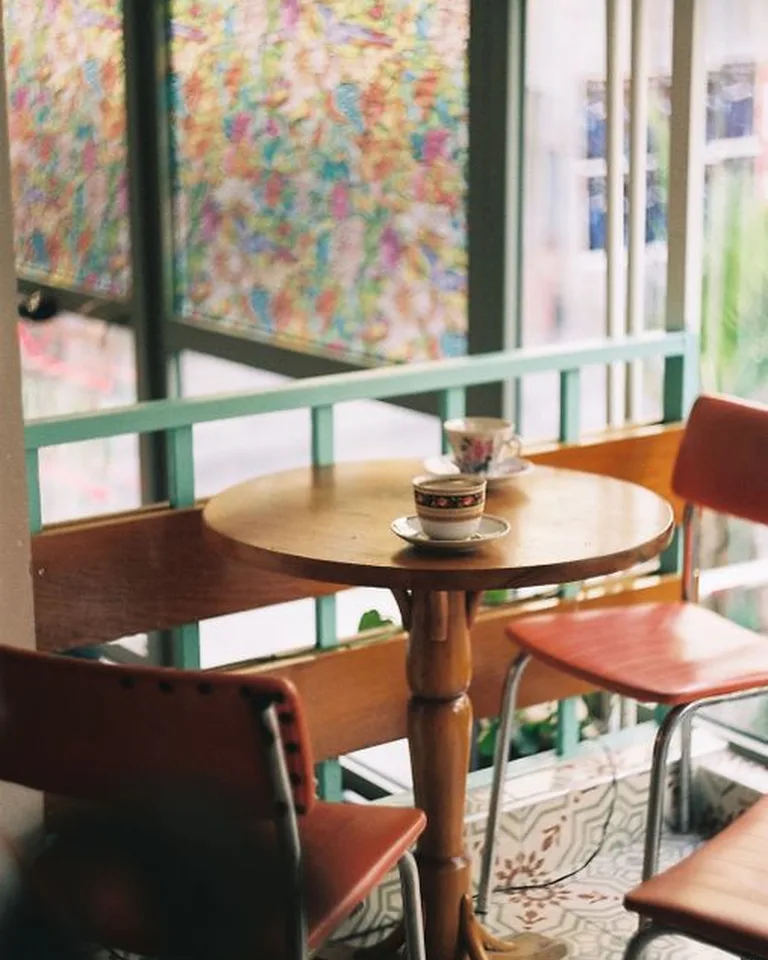
For truly tiny kitchens, a wall-mounted drop-leaf table is a coffee station that disappears: fold it down to hold the brewer each morning, fold it flat against the wall when you’re done. Mount it at standard counter height (36 inches) near an outlet, keep supplies in the wall cabinet directly above, and the entire operation lives on a single stud — ideal for galley kitchens and studio apartments.

Frequently Asked Questions
How can I make a coffee bar in a small kitchen?
Use vertical space with wall-mounted shelves or under-cabinet mug hooks, or designate a small counter corner with a tiered tray. A narrow rolling cart that tucks away is the best renter-friendly option, and compact brewers keep the footprint near 18 by 12 inches.
What is the minimum space needed for a coffee bar?
About 18 inches wide by 12 inches deep fits a standard single-serve brewer plus a small mug tree. For a grinder, espresso machine, and tamping area, plan on 36 to 48 inches of counter and at least 18 inches of vertical clearance under upper cabinets.
What should I include in a home coffee bar?
The essentials: a brewer, mugs, beans or pods, and storage for sugar, syrups, and stirrers. Nice extras are a grinder, a milk frother, and a tray to corral it all. Keep backup supplies in a nearby cabinet, not on the station.
How much does it cost to set up a simple home coffee bar?
A simple setup runs $50–$200 using furniture you already own and a basic brewer. A new cart or cabinet adds $100–$500, and machines range from $30 pod brewers to $1,000+ espresso setups. Matching canisters and hooks deliver the biggest visual upgrade per dollar.
What kind of coffee maker is best for a small home coffee bar?
Match the machine to your habit and your inches: pod machines for speed and the smallest footprint, drip for households that brew volume, manual pour-over or French press for control with almost zero counter commitment. Measure with the lid open before you buy furniture around it.
How do I make my coffee bar look stylish without clutter?
Stick to one color palette, decant supplies into matching jars, use a tray to group small items, and hang one piece of art or a sign above the station. Keep only daily essentials on display — everything else lives in a cabinet or on a lower shelf.