
10 Tiny Details That Make a House Feel Like Home
Walk into two houses with the same sofa, the same rug, and the same paint color, and one can feel like a showroom while the other feels like somewhere you want to kick off your shoes. The difference is almost never the big purchases. It is the accumulation of tiny, deliberate details — the things you touch, smell, and switch on every day without thinking about them.
The short answer: a house starts feeling like a home when small details show that someone lives there — a signature scent, warm layered light instead of overhead glare, textiles that get used, a few personal objects on display, an entry that catches your day, and the visible traces of daily routines. The 10 ideas below are all small, most cost little or nothing, and none require a renovation.
There is a useful way to think about this: decorated rooms are arranged for the eye; homey rooms are arranged for the body. Sit, reach, smell, lean — the details below work because they serve how you actually live, not how the room photographs. That is also why copying a catalog room rarely produces the feeling. Your details have to be yours.
1. Swap the Light Switch and Outlet Covers
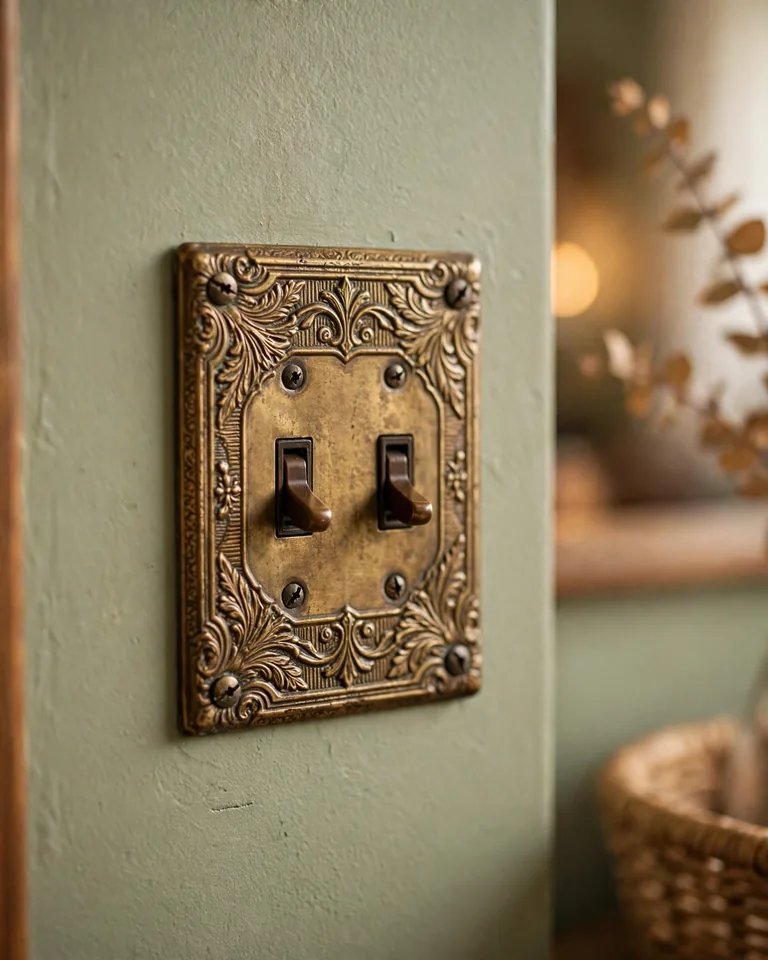
Here is a five-minute project most people never think of: the standard plastic switch plates and outlets the builder installed. They are the one detail your hand touches dozens of times a day, and in most houses they look identical to every other house on the street.
Replacing them with brass, ceramic, wood, or even a quietly patterned plate changes the feeling of a room at the exact point of contact. It does not read as a design statement — it reads as intention, which is precisely what homeyness is made of. Do the plates you touch most first (entry, kitchen, bedroom), and let the collection be a little eclectic; matching every plate in the house is a hotel move, not a home move.
2. Give Your Home a Signature Scent

Scent is the detail your guests will remember long after they forget your sofa. It is also the one tied most directly to memory — which is why a familiar smell can make a new house feel settled in a single evening.
Pick one scent family and keep it consistent: a simmer pot with citrus and cloves in fall, the same candle lit every evening, eucalyptus in the shower. The goal is a background note, not a fragrance assault — the nicest-smelling homes smell lived in, like coffee, clean cotton, or whatever you actually cook. One practical rule: never mix more than two scented products in one room, or the “signature” becomes noise.
3. Light Rooms With Lamps, Not Overheads
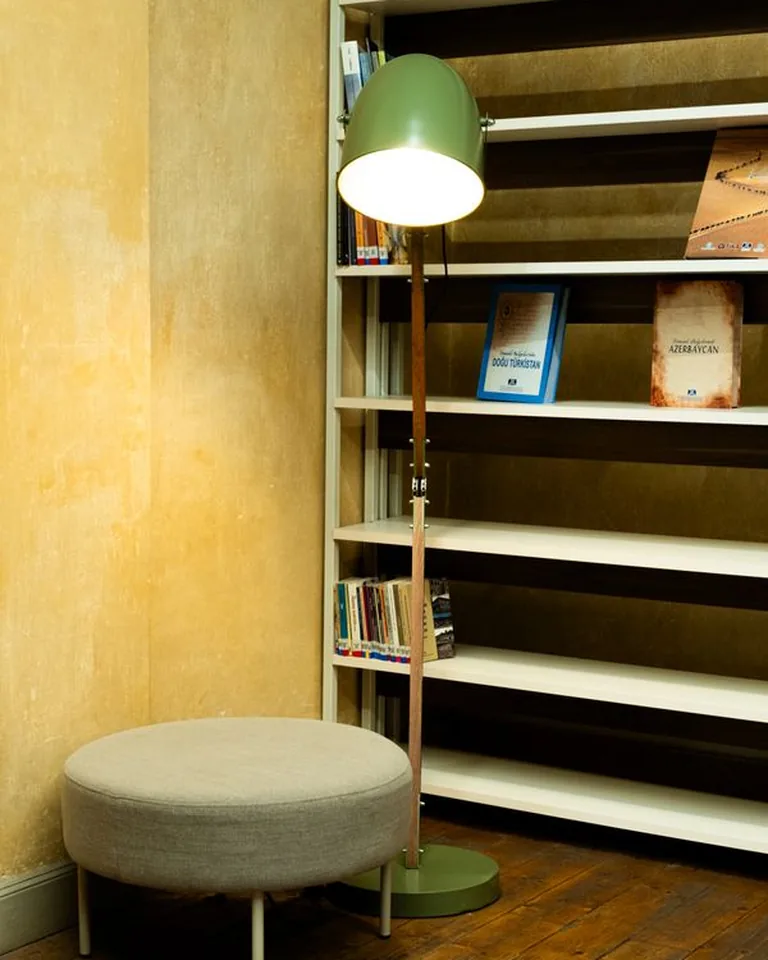
If there is one complaint that unites almost everyone whose house feels cold, it is harsh overhead lighting — the single ceiling fixture blazing while the corners sit dark. Warm, layered lamplight is the fastest emotional-temperature change you can make in a room.
Turn the overheads off in the evening and switch on two or three lamps instead: a floor lamp in the darkest corner, a table lamp beside the chair you actually sit in, a candle on the coffee table. Use warm bulbs (2700K) and dimmers where you can. The pools of light give the eye somewhere to rest, and a room with somewhere to rest feels like a room that is holding you. For more on building a real lighting plan, see our hallway lighting ideas — the layering principle works in every room.
4. Layer Textiles You Actually Touch

A throw folded with military precision on a sofa nobody sits on is decor. A throw draped where someone left it after reading is a home. Textiles are the easiest warmth you can add, but only the ones that get used do the work.
Keep a soft blanket within arm’s reach of every seat you actually use, mix textures that invite touch (washed linen, chunky knit, worn cotton), and let them look used — the slightly rumpled blanket is doing more for the room than a perfectly styled one. Swap weights seasonally: heavier wool in winter, light cotton in summer, the way our cozy fall living room decor ideas layer warmth for the cold months. The seasonal change itself is a small ritual that keeps the house from feeling static.

5. Display a Few Things That Mean Something
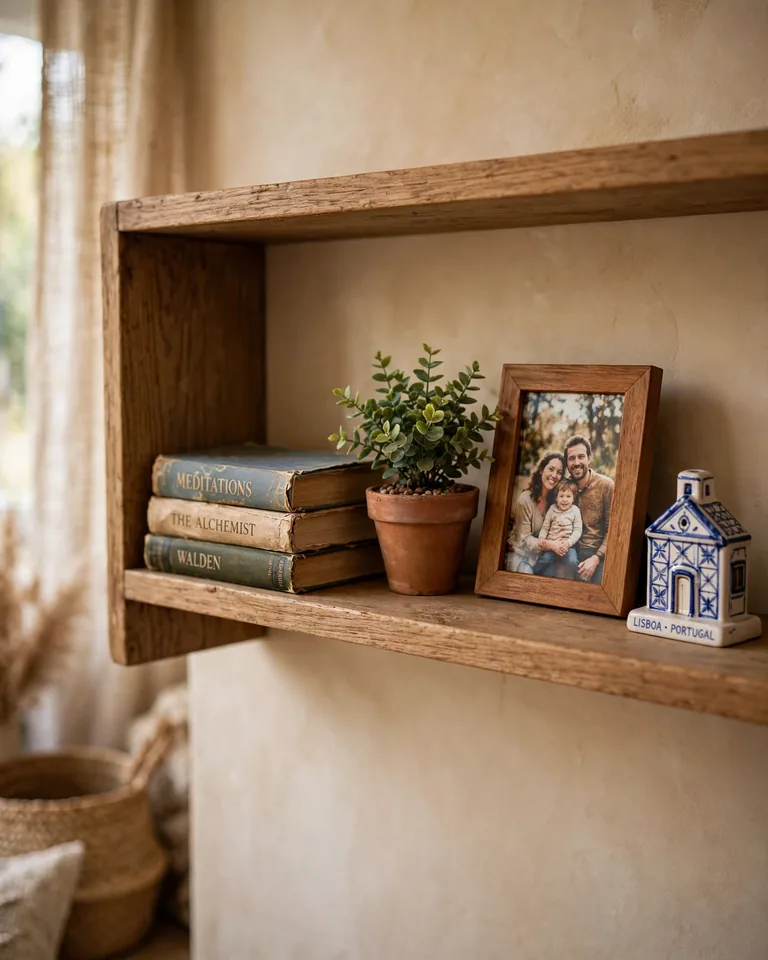
The difference between a styled shelf and a homey one is simple: one tells the store’s story, the other tells yours. Framed photos from a trip that mattered, a souvenir from somewhere you actually went, a book with a cracked spine — these are the objects that make a space feel inhabited rather than staged.
The trick is restraint. Pick a handful of meaningful pieces and give them breathing room instead of filling every surface — a few objects with space around them read as a collection, while a crowded shelf reads as clutter. Group personal pieces with everyday ones (your favorite ceramic bowl next to the travel vase), and resist the urge to keep surfaces showroom-bare; a lived-in home has things out because they are used. Our small-apartment decor ideas show how personal displays work even when space is tight.
6. Turn Your Entry Into a Landing Place

The first ten seconds inside your door set the mood for the whole house. If you walk in and there is nowhere to put your keys, nowhere to sit, and a pile of shoes migrating across the floor, the house is working against you before you have taken your coat off.
Give the entry one small job station: a tray for keys and mail, hooks at a reachable height, a bench or basket for shoes, a small mirror or piece of art so the wall is not blank. It does not need to be a grand foyer — our entryway bench ideas with storage show how much a single bench can organize. When the threshold feels like a landing place, the whole house feels like it was expecting you.
7. Keep Something Alive in Every Room

Nothing a store sells can do what a living plant does. A plant — or fresh flowers, or even a bowl of fruit on the kitchen counter — introduces something no object can: the sense that the house is cared for, daily, by someone who lives there.
You do not need a jungle. One healthy plant per room beats five struggling ones, and the pot matters as much as the plant — a simple ceramic or woven planter reads as intention, while a nursery pot reads as a chore you have not finished. If your thumbs are not green, start with a snake plant or pothos; if plants are truly not your thing, fresh grocery-store eucalyptus in a vase gives you 90 percent of the effect for a few dollars.
8. Let Your Routines Leave Visible Traces

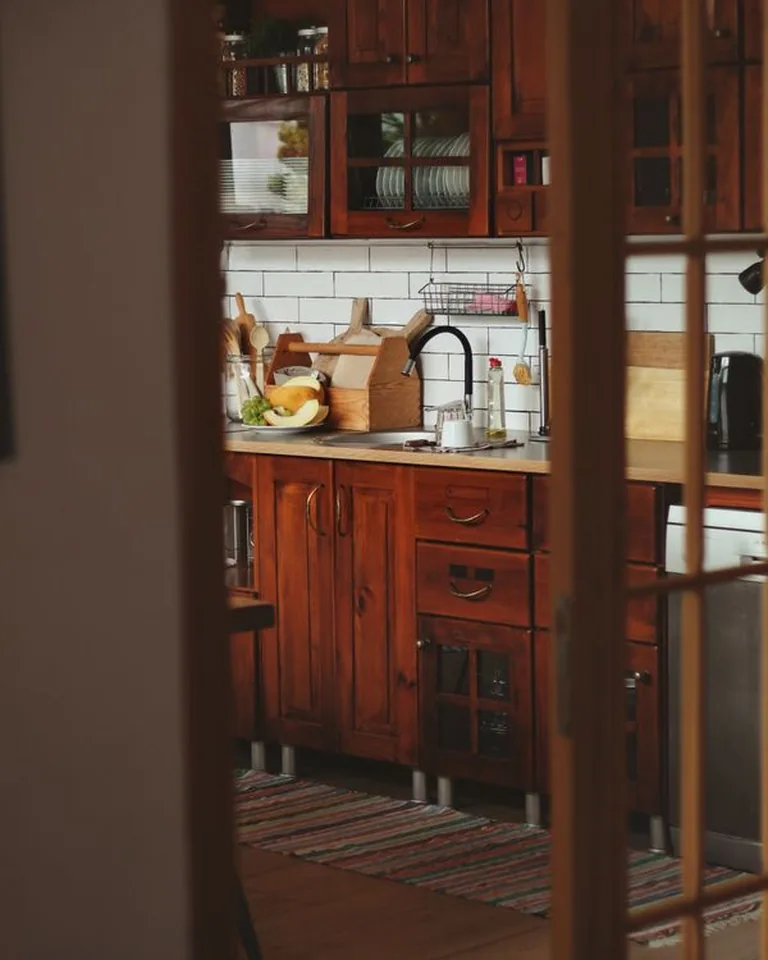
Think about the first ten minutes of your morning: the mug, the book you are reading, the throw on the sofa. When those everyday things live in awkward cupboards or get shuffled around constantly, the house feels like it is working against you. When they have a permanent, reachable home, the house feels like it is cooperating.
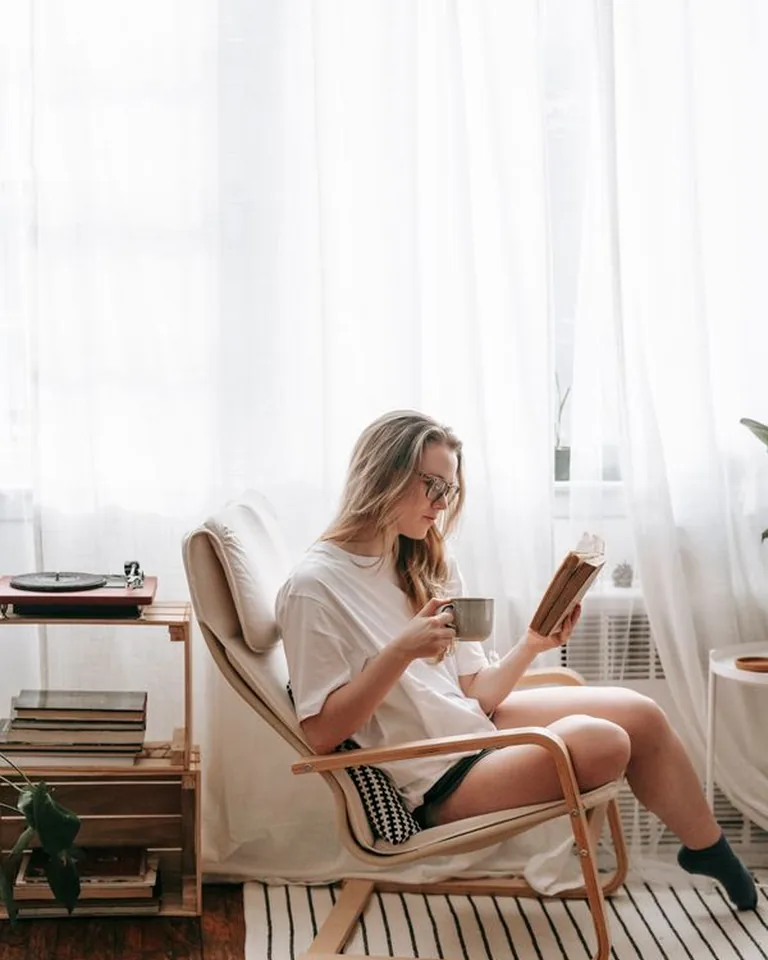
Keep your favorite mug on an open shelf instead of the back of a cabinet. Leave the current book on the side table with a small lamp beside it. Hang the throw you actually use over the arm of the chair. These visible traces of routine are what make a room feel lived in rather than arranged — and a dedicated corner for one daily ritual, even just tea and a chair, makes the whole home feel more intentional. See our cozy reading nook ideas for how one corner can anchor a room.
9. Repeat One Color or Material Through the House

Houses that feel “off” usually suffer from the same quiet problem: nothing visually connects the rooms. One room is gray, another is beige, a random blue appears once and never again. Designers fix this with repetition — not matching, just echoing.
Pick one thing and carry it through the house in small doses: a warm wood tone in the dining table, the shelf, and the entry bench; the same black metal finish on the lamp, the picture frames, and the cabinet pulls; one color appearing in a pillow here, a vase there, a rug in the hall. Repeating a single element in three or four places makes the whole house read as one deliberate story instead of a collection of separate purchases.
10. Keep One Detail That Makes No Sense
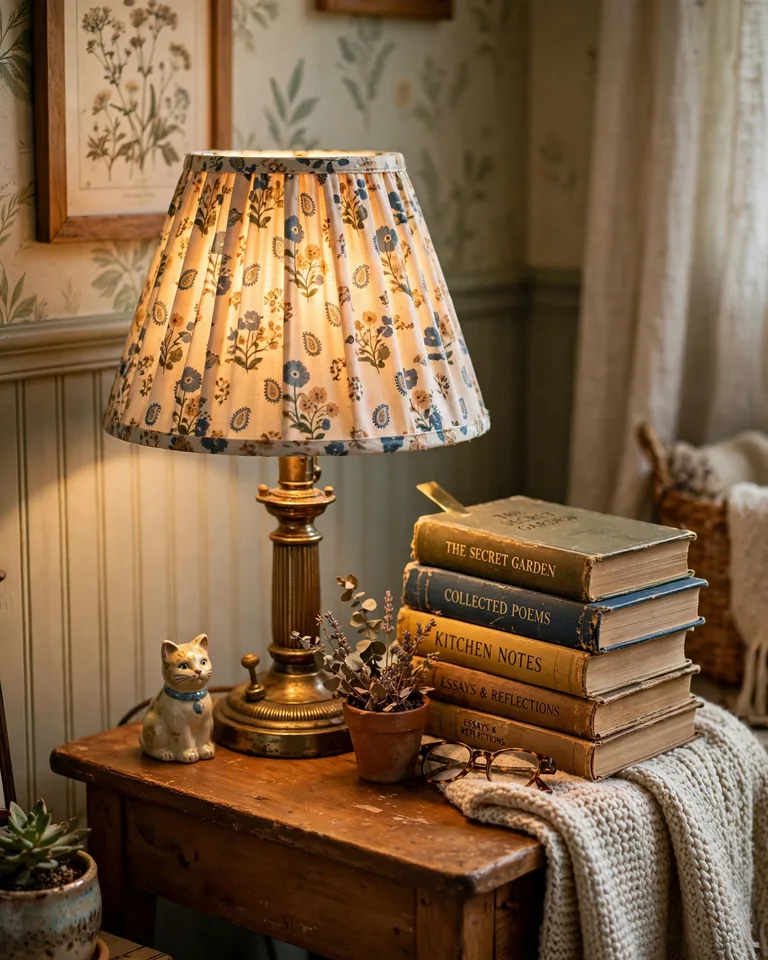
Cold rooms are usually too calculated — everything matches, everything is new, nothing is slightly off. Warm rooms almost always contain one thing that breaks the pattern: a lamp with a shade that does not match anything, a chair from a flea market, a weird little object you love for reasons you cannot fully explain.
That one imperfection is doing real work. It signals that a person chose this room, not a mood board — and it gives the eye a small moment of interest that perfect rooms lack. Do not manufacture quirkiness by buying ten odd things; one genuine oddity beats a shelf of curated “unique” finds. Let it be the thing you would never give away, and let the rest of the room stay calm around it.
3 Habits That Quietly Undo the Homey Feeling
Before adding anything, check that you are not erasing the feeling with one of these three common habits:
1. Styling for the photo, not the body. If the throw is arranged but nobody sits there, the books are color-coded but never opened, and the chairs look better than they feel, the room reads as a display. Ask one question per room: does my body want to settle here? If not, add one soft, usable thing — not one more decorative object.
2. The single overhead light. Covered above, but worth repeating as a habit rather than a fixture problem: if the overhead is the only thing you switch on, the room will feel flat no matter what is in it. Make the lamps the default and the overhead the exception. If editing before buying is your instinct here, our edit-before-you-buy guide applies the same principle to the whole house.
3. Chasing perfect. The showroom impulse — everything matching, every surface clear, nothing out of place — is the fastest way to make a house feel uninhabited. Homey is not messy; it is used. Leave the book out. Let the blanket stay where it landed. Perfection is a hotel; a home is a place where life is visibly happening.
Frequently Asked Questions
Why does my home feel uncomfortable even though everything looks fine?
This usually happens when the design elements are not working together for daily life — the lighting is flat or harsh, nothing is soft enough to actually use, and the rooms have no emotional anchor. Beautiful individual pieces do not automatically make a comfortable room; comfort comes from how the pieces relate to how you live — light you can dim, seats you can sink into, and objects that mean something to you.
Can lighting alone really change how a room feels?
Yes — it is the single highest-impact, lowest-cost change most rooms can get. Swapping a harsh overhead for two or three warm lamps (2700K, dimmable where possible) changes the emotional temperature of a space more than new furniture does. Flat overhead light makes rooms feel sterile; layered pools of warm light make them feel held and intimate.
What is the most common reason a room feels “weird” or off?
Most often it is a lack of visual connection: nothing repeats, so the eye finds no rhythm, or there is no clear focal point, so the eye does not know where to rest. The fix is usually subtraction and repetition rather than addition — remove one competing element, repeat one color or material in three places, and give the room one clear place for the eye to land.
How can I make my house feel homey without spending a lot of money?
Start with what you already own: rearrange the lamps you have into the darkest corners, turn off the overheads, drape the blankets you own where you actually sit, and move your favorite everyday objects (mug, book, throw) into permanent reachable spots. Then add one or two small intentional purchases — switch plates, a candle in a scent you love, one healthy plant. Most of the feeling comes from editing and layering, not from buying.
A house becomes a home in the details you repeat until they become invisible to you and unforgettable to everyone else. Start with the light you switch on tonight, the scent that greets you at the door, and one small thing that is unmistakably yours — and let the rest accumulate, one five-minute detail at a time.